Skip the tourist traps. Boldog, Hungary, offers river views, Roman history, and a June pilgrimage that feels like stepping into a time machine.
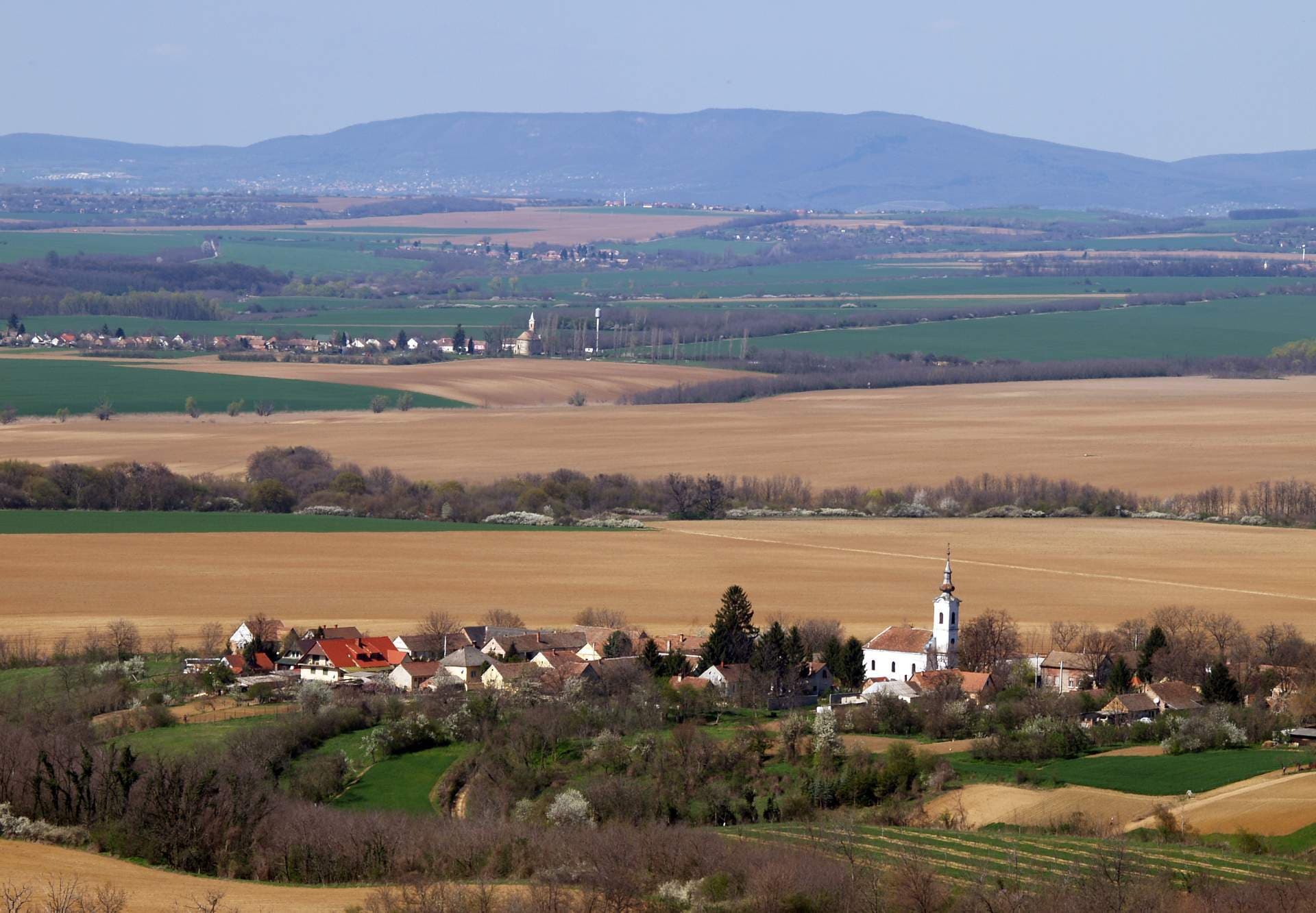
If you’re driving through Heves County and your GPS suggests a detour to Boldog, don’t ignore it just because the village doesn’t appear on most postcards. This isn’t a place you come for neon signs or five-star resorts. It’s a place you come for the quiet realization that you’ve left the frantic pace of Budapest behind, replaced by the hum of cicadas and the slow drift of clouds over fields that have been farmed since before the Roman Empire collapsed. I arrived in August, the heat shimmering off the asphalt, and found myself parked near the banks of the Zagyva River. It’s a geographic anchor in the northern plains that feels less like a boundary marker and more like an invitation to wander. Boldog is small, yes, but it holds its ground with the stubborn dignity of places that have survived empires, floods, and centuries of being overlooked.
The Roman Echoes in the Soil
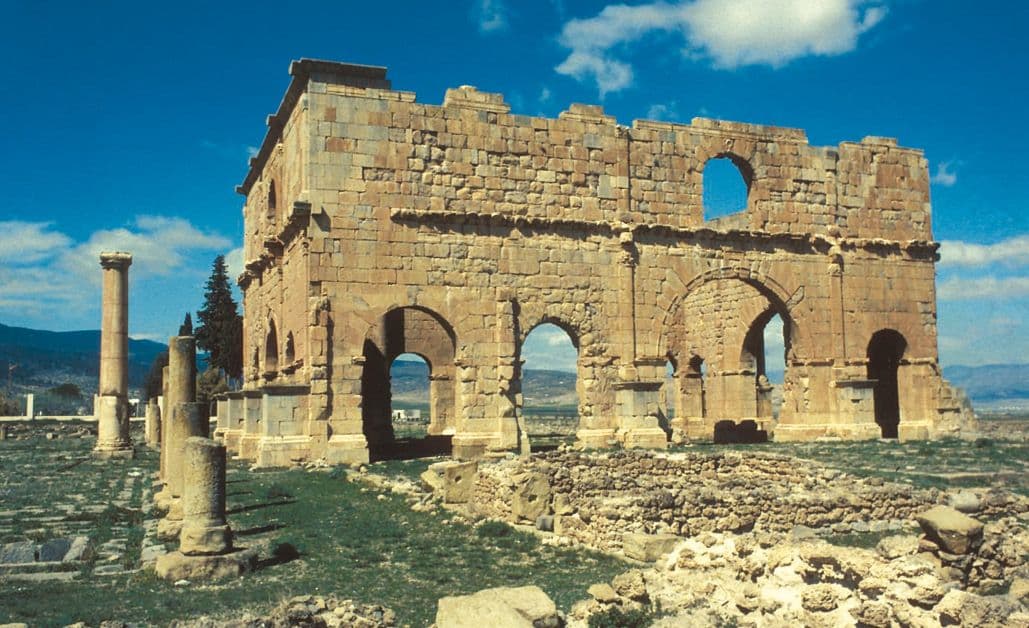
Most road trips in Hungary revolve around castles or thermal baths. Boldog offers something quieter, yet arguably more profound: the weight of history buried under your tires. Just south of the municipality, remnants of the Roman frontier fortifications stretch across the landscape. Built during the reign of Constantine the Great (circa 324–337 AD), these structures were part of the defensive lines connecting the Danube and Tisza rivers. You won’t see towering columns or marble statues here. Instead, you’ll find subtle earthworks and archaeological traces that require a bit of imagination—and perhaps a local historian—to fully appreciate.
Driving past these sites, I couldn’t help but think about the soldiers who once stood watch along this line, looking out toward the Carpathians. The land hasn’t changed much. The same soil that supported Roman sentries now grows wheat and corn. It’s a humbling reminder that our modern road trips are just the latest layer in a long stack of human movement. If you’re interested in this side of Boldog, bring a pair of sturdy walking shoes and a curiosity for what lies beneath the surface. There are no ticket booths or gift shops here, just the wind and the whispers of antiquity.
Rivers That Define the Landscape
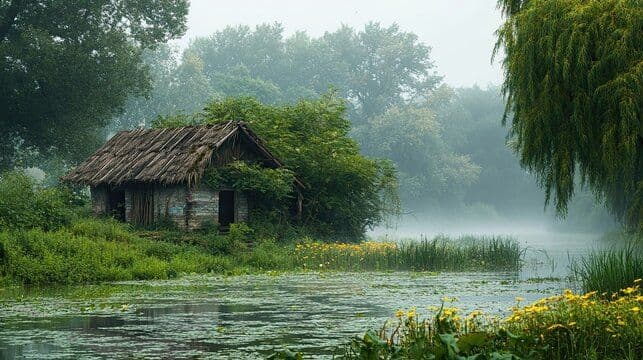
Boldog sits between the Zagyva and Galga rivers, a geographic position that shapes both its agriculture and its atmosphere. These aren’t raging torrents or scenic waterways lined with cafes. They are working rivers, vital to the local ecosystem and farming community. In summer, the banks are thick with reeds and wildflowers, offering a peaceful spot to pull over and stretch your legs. The air smells of damp earth and cut grass, a stark contrast to the exhaust fumes of the main highways.
I spent an afternoon walking along the Zagyva, watching dragonflies dart over the water and listening to the distant lowing of cattle. There’s a simplicity here that feels almost radical in today’s hyper-connected world. You don’t need a smartphone to enjoy this view. In fact, putting it away might enhance the experience. The rivers don’t demand attention; they simply exist, steady and reliable, mirroring the pace of life in the village. If you’re driving through, take the time to follow the riverbanks. You might spot herons, frogs, or just the perfect patch of shade for a picnic.
Getting Around: The Road and the Bus
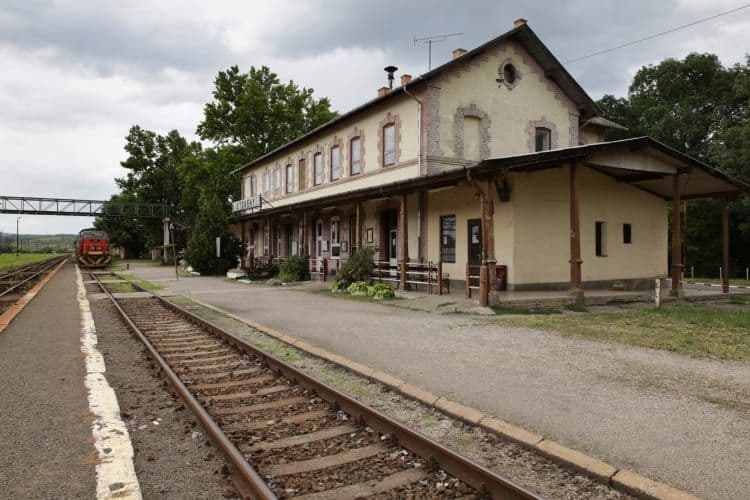
For a village this size, Boldog relies on the classic Hungarian rural transit mix: buses and private cars. While there is no railway station in the village itself, the nearest rail links are in nearby towns like Hatvan or Gyöngyös. For the road tripper, however, the car remains king. The roads around Boldog are well-maintained but narrow in places, requiring careful driving, especially if you’re towing a trailer or carrying extra luggage.
Hatvan, the nearest significant town, is roughly 18 to 20 kilometers away—a quick drive, but far enough to feel like a separate world. The lack of a direct train stop means you’re truly immersed in the car culture of the region, which is fine by me. It gives you the freedom to stop whenever the light hits the wheat fields just right. Gas stations are plentiful in the region, so fuel anxiety shouldn’t be a factor. Just remember: in Hungary, speed limits are strictly enforced, and cameras are everywhere. Drive slowly, look around, and let the landscape unfold at its own pace.
The June Pilgrimage: Tradition Alive
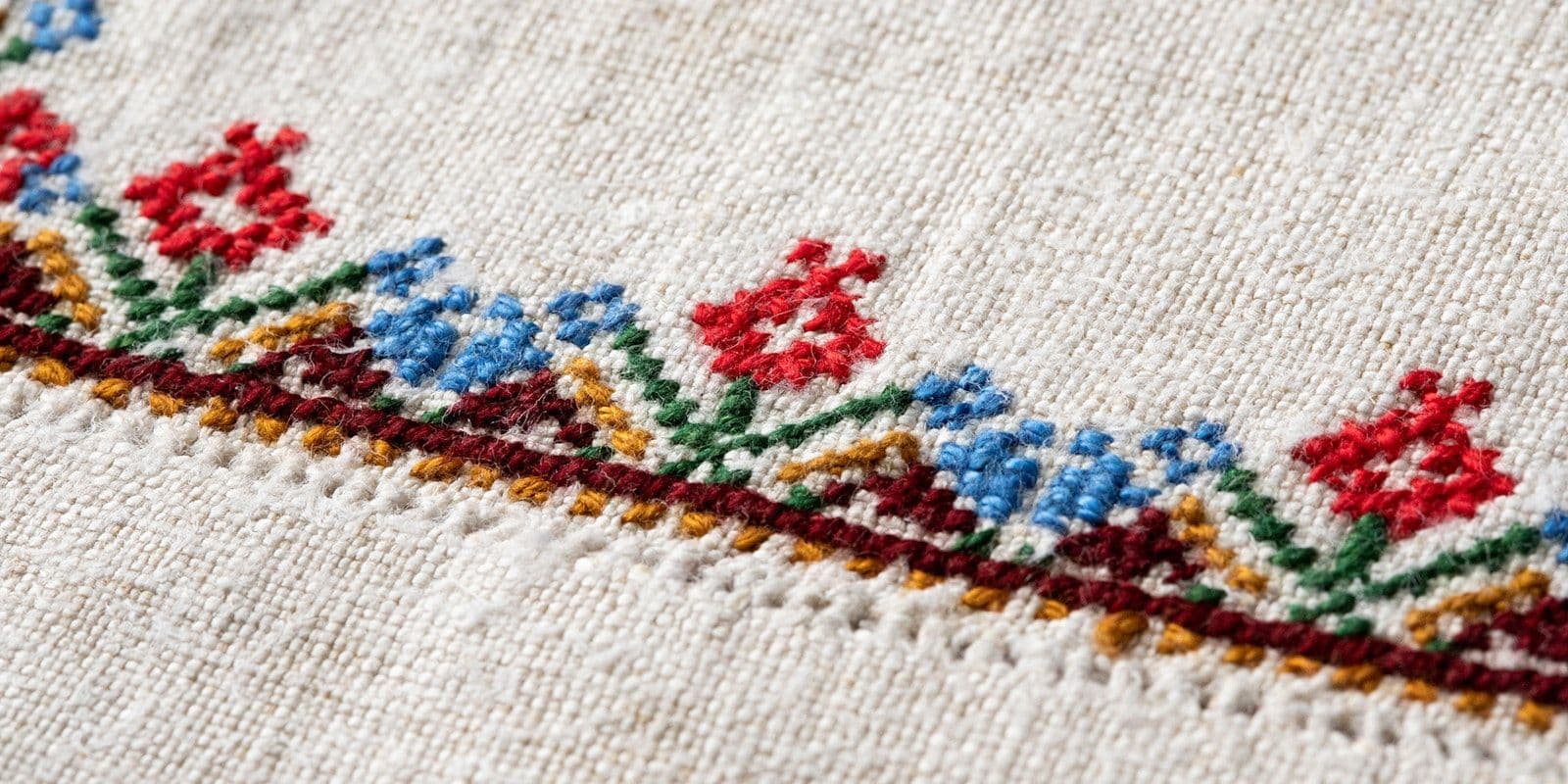
While Boldog is quiet for much of the year, June brings a surge of life with the Jézus Szíve-búcsú (Sacred Heart of Jesus pilgrimage). This isn’t a staged tourist event; it’s a genuine religious and cultural celebration that draws visitors from across the region. Locals dress in traditional folk costumes, their embroidery (boldogi hímzések) showcasing intricate patterns passed down through generations. The air fills with the scent of roasted nuts, sweet pastries, and incense. Music plays from local bands, and children chase each other through the crowds, oblivious to the historical significance of the day.
If you happen to be in Boldog during this festival, resist the urge to observe from a distance. Join the procession, buy a snack from a vendor, and strike up a conversation with someone wearing a hand-embroidered apron. The hospitality here is warm and unpretentious. You’ll leave with a deeper understanding of the community’s values and perhaps a few new friends. Even if you miss the June dates, the influence of this tradition permeates daily life. You’ll see the embroidery in shop windows and hear references to the pilgrimage in casual conversations. It’s a reminder that culture isn’t just something you look at; it’s something you live.
Practical Details for the Road Tripper
When to Go: Summer is ideal for exploring the outdoors, but August brings heat and humidity. If you can tolerate the temperature, the long days allow for extended driving and sightseeing. Be aware that late summer holidays often coincide with peak domestic tourism in Hungary. Expect higher demand for accommodation and increased traffic as Hungarians celebrate their national heritage. Book early if you plan to be here during this period. Later in the year, autumn offers cooler weather and a more reflective atmosphere, though some services may operate on reduced schedules.
Where to Stay: Boldog itself lacks large hotels, so most travelers base themselves in nearby Hatvan or Eger. Look for guesthouses or family-run pensions in the countryside for a more authentic experience. Prices are typically moderate, fitting comfortably within a standard European travel budget. Booking in advance is wise, especially during holiday periods.
Money and Food: While no specific local dishes are unique to Boldog, Hungarian cuisine dominates the menu at local eateries. Expect goulash, chimney cake, and fresh produce sourced from nearby farms. Meals are reasonably priced for the region. Credit cards are widely accepted in towns, but carrying some cash is useful for smaller vendors and rural stops.
Who Is This For? Boldog appeals to slow travelers, history buffs, and those seeking respite from urban chaos. It’s not a destination for nightlife seekers or luxury hunters. Families with children will appreciate the open spaces and gentle pace, while solo travelers can find peace in the solitude. Plan for at least a half-day visit, or use it as a base for exploring the wider Heves County region.
FAQ
Is Boldog safe for tourists?
Yes, like most of rural Hungary, Boldog is very safe. Violent crime is rare, and locals are generally friendly and helpful. Standard precautions regarding petty theft apply, but you’re unlikely to encounter issues.
Do I need a visa?
Citizens of the EU, US, UK, Canada, Australia, and many other countries can enter Hungary visa-free for short stays (up to 90 days within a 180-day period). Check official government sources for the most current entry requirements.
How do I get to Boldog from Budapest?
The drive takes approximately 1.5 to 2 hours via the M3 motorway and regional roads. Trains connect Budapest to nearby Hatvan, from where you can take a local bus or taxi to Boldog. Driving offers more flexibility for exploring the surrounding countryside.