Arrive by boat, stay for the light. Bolobo offers a grounded summer escape on the Congo River, far from the rush.
The morning sun hits the corrugated zinc roofs of Bolobo before it clears the rainforest canopy. By 6:00 a.m., the air is already thick with humidity and the scent of woodsmoke from breakfast fires. This is not a destination for checklist tourism; it is a place where the rhythm of life is dictated by the tides of the Congo River and the schedule of the riverboats. For summer travelers seeking a break from digital noise and urban density, this town in the Mai-Ndombe Province of the Democratic Republic of the Congo offers a raw, unfiltered immersion into Central African river culture.
The Riverfront and Marché Central
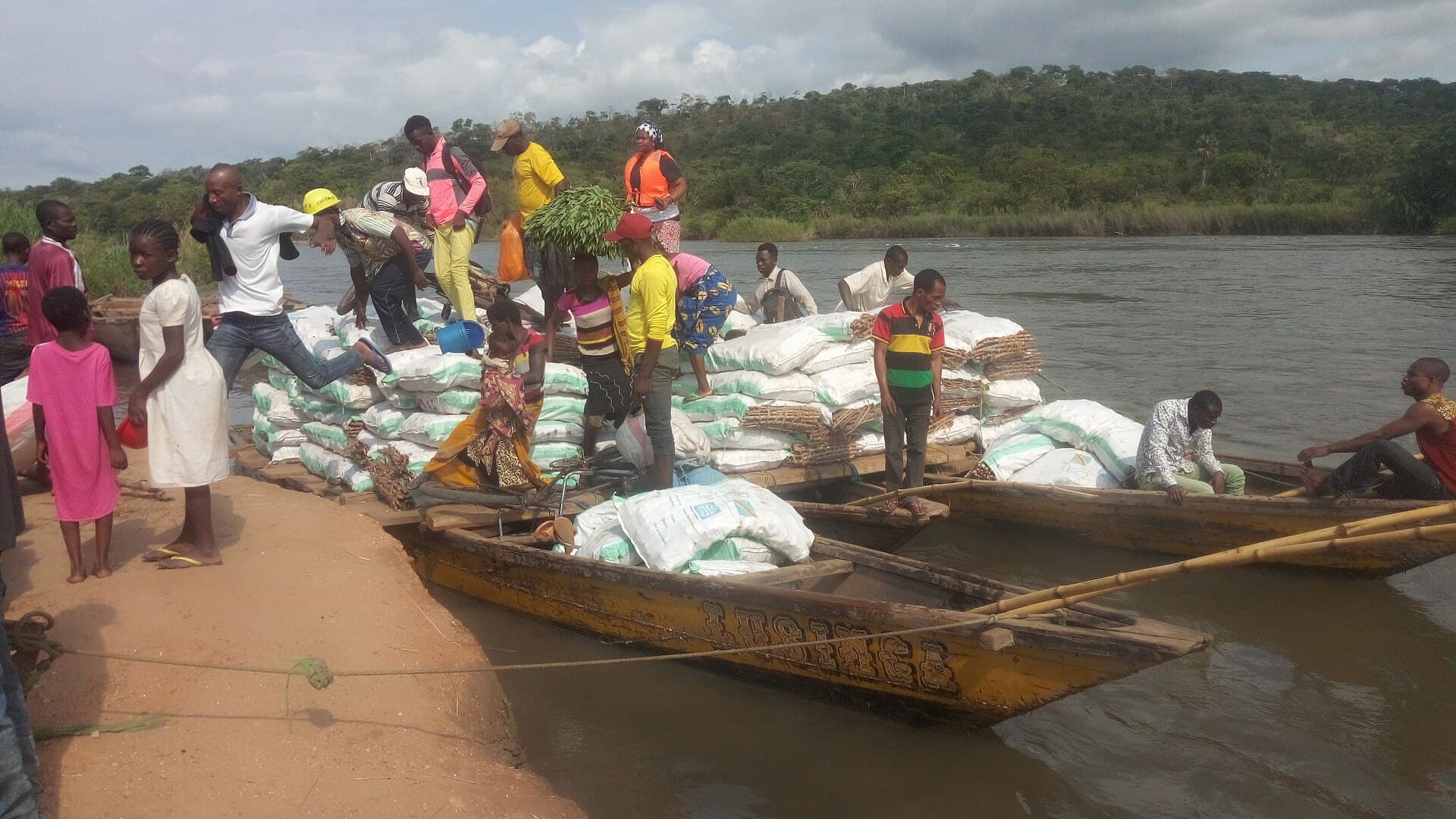
The heartbeat of Bolobo is the Quai de Bolobo (Bolobo Landing), where the concrete edge meets the dark, churning waters of the Congo. Here, the day begins with the arrival of pirogues—small wooden canoes loaded with bananas, cassava, and fresh fish. The sound of engines sputtering to life and the shouting of dockworkers sets a lively, industrious tone. Watching the long-distance riverboats, such as those operated by regional services like Compagnie de Navigation sur le Fleuve Congo (Navlac) or smaller private barges, tie up is a spectacle in itself. These vessels are the lifelines of the region, bringing supplies from Kinshasa and Kisangani.
A short walk inland leads to the Marché Central de Bolobo. This is the town’s commercial nucleus. Under the shade of makeshift umbrellas and tarpaulins, vendors display mounds of green plantains, bright red chili peppers, and smoked tilapia. The market is a sensory overload: the earthy smell of damp soil mixes with the sharp tang of fermenting palm oil. It is the best place to understand the local economy, where trade is conducted through a mix of Lingala greetings and haggling in French. The architecture here is functional and resilient—structures built from local timber and corrugated iron, designed to withstand the heavy tropical rains.
Forest Edges and River Excursions
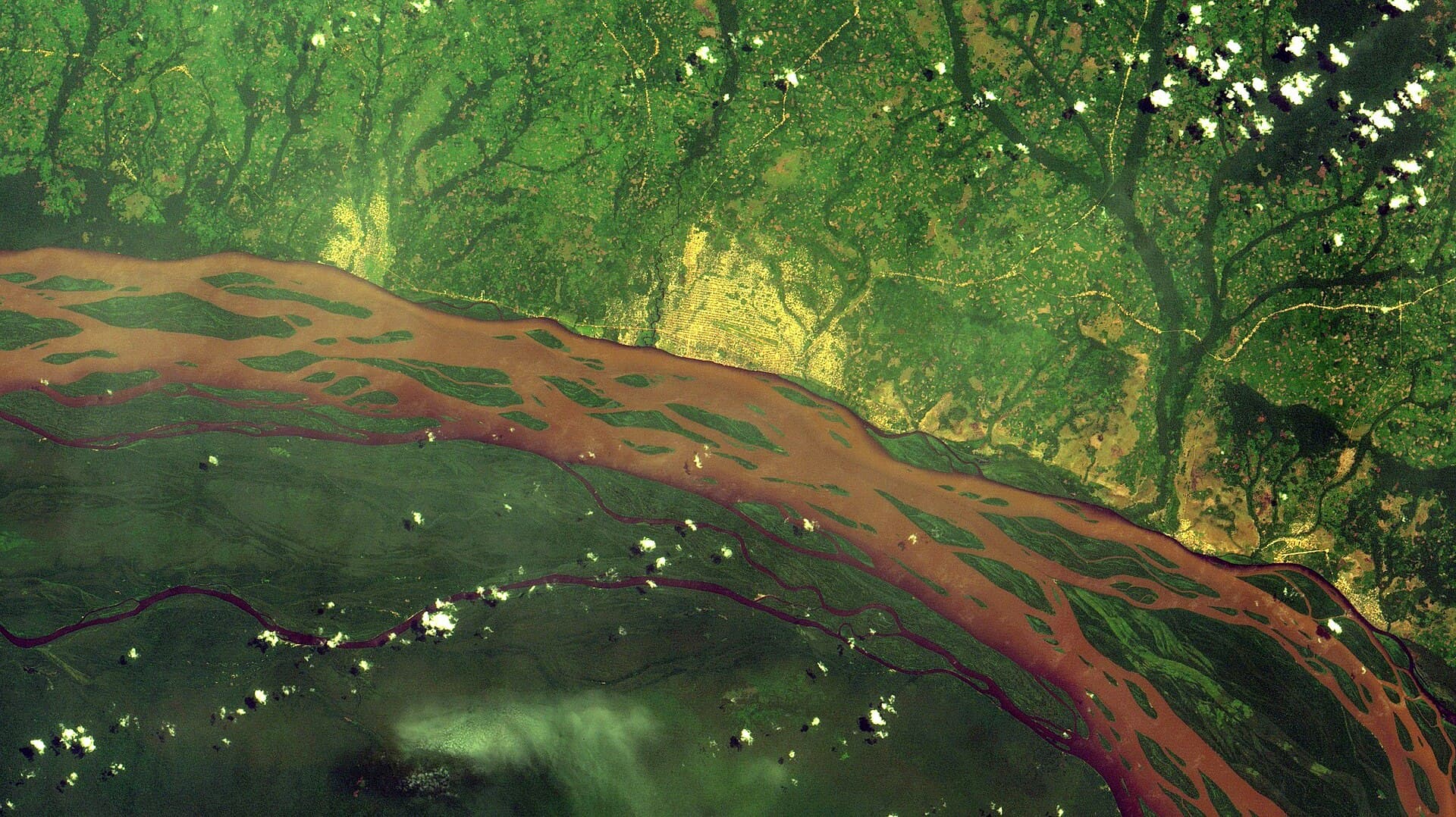
Bolobo sits on the edge of the dense rainforest that covers much of the DRC. While the town itself is compact, the surrounding environment offers opportunities for quiet exploration. A short boat ride upstream or downstream from the main landing can take you to smaller villages where the forest encroaches directly on the riverbank. These excursions are not guided tours in the traditional sense but rather informal trips arranged with local boatmen.
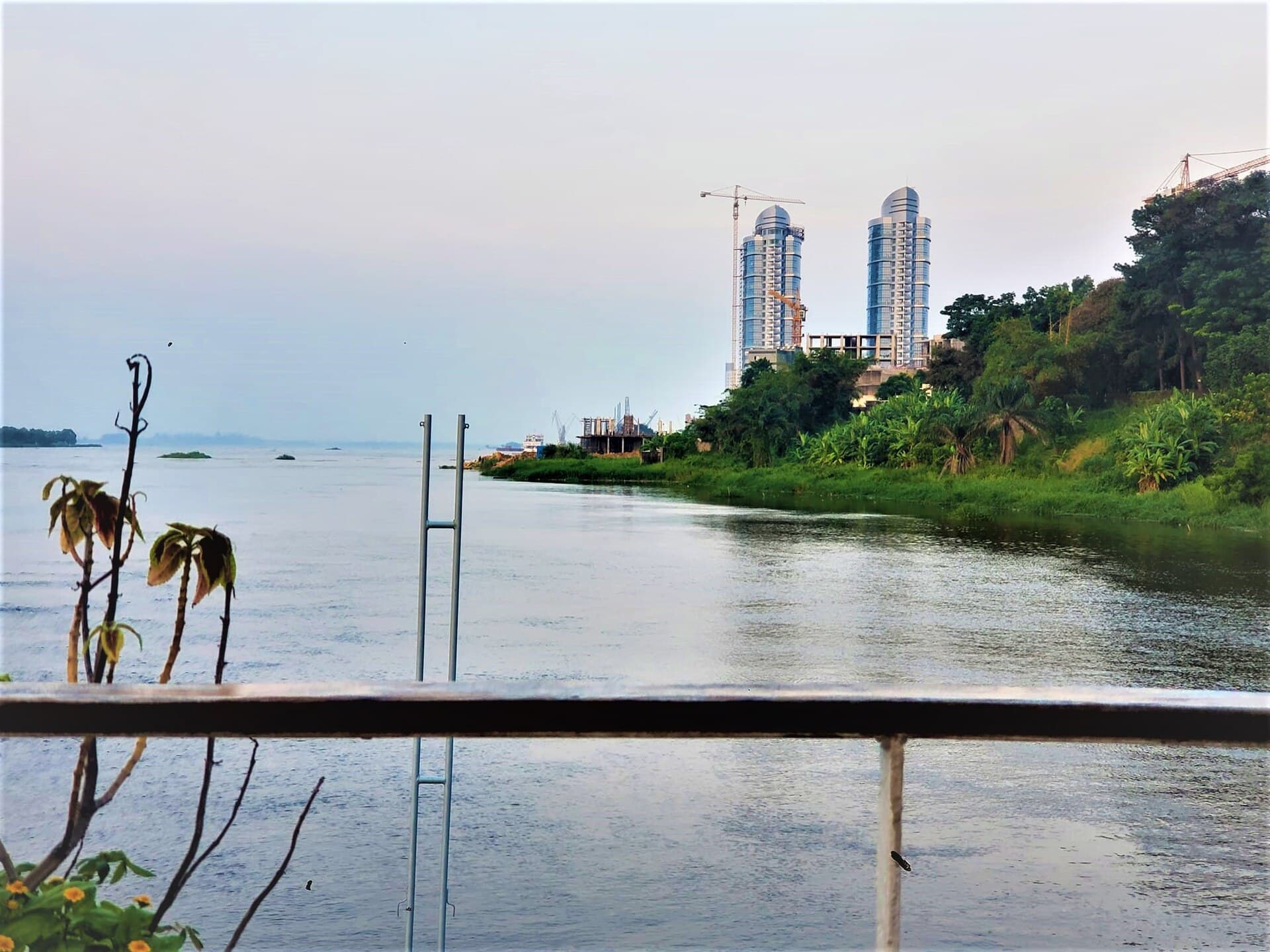
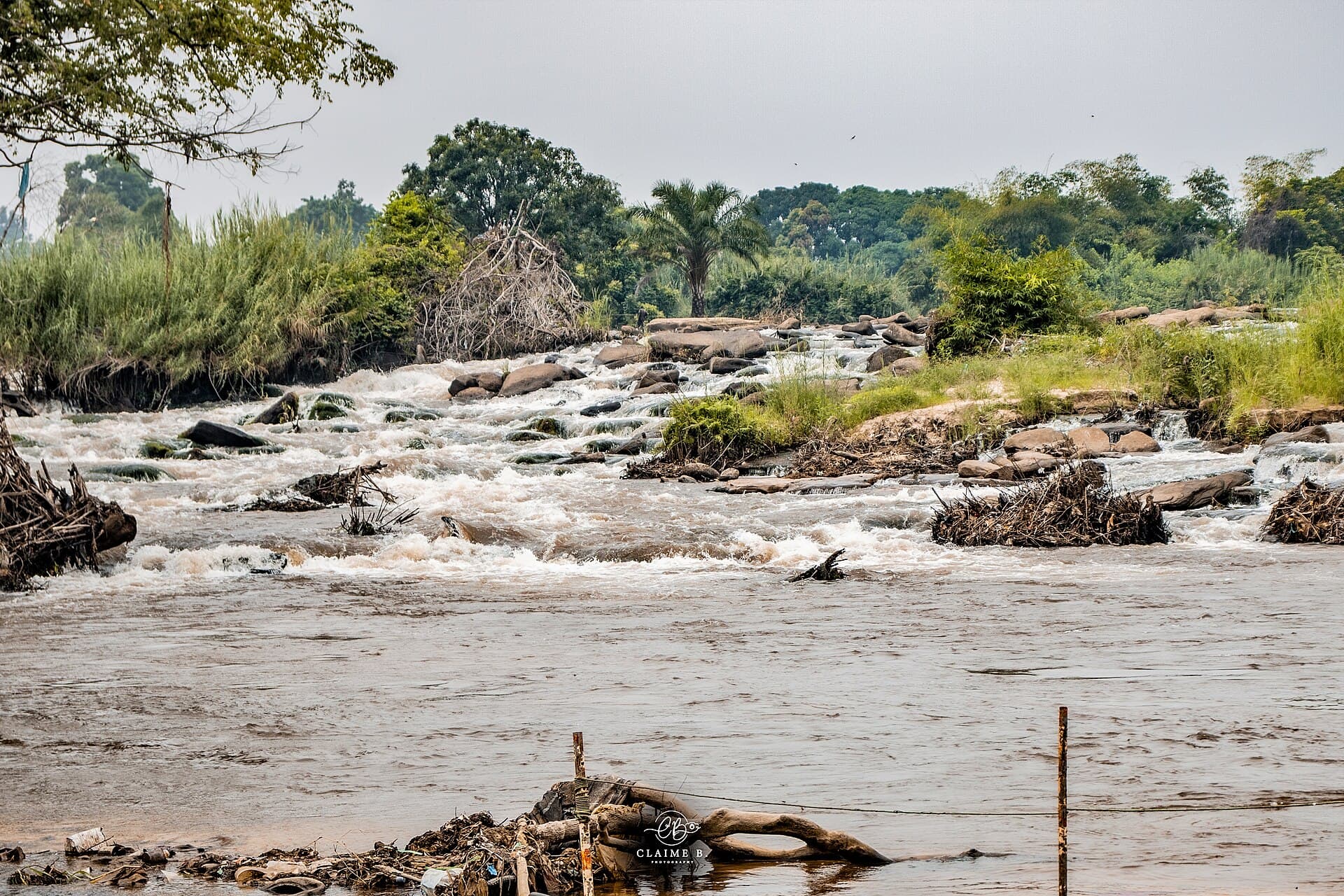
The river itself is a sight to behold. In the summer months (December to February), the water levels are generally higher, allowing boats to travel further inland. The view from the water is starkly beautiful: miles of uninterrupted green canopy stretching to the horizon, broken only by the occasional smoke from a village fire. Birdwatchers will appreciate the calls of kingfishers and herons that frequent the riverbanks. The light in Bolobo is particularly striking in the late afternoon, casting a golden hue over the water and turning the river into a sheet of hammered copper.
Practical Details: Staying and Moving
Accommodation in Bolobo is basic but sufficient. Travelers typically stay at local guesthouses or pensions near the riverfront. Options like Pension du Fleuve or family-run lodgings along Avenue de la Gare offer simple rooms with fans, private or shared bathrooms, and meals cooked on-site. It is essential to bring your own sleeping liner and insect repellent. Electricity is intermittent, so power banks are a necessity.
Getting to Bolobo usually involves a combination of road and river travel. Most visitors arrive via Kisangani or Kinshasa, taking a bus or minibus to a river port, then transferring to a boat. The journey is slow and can be uncomfortable, but it is part of the experience. Once in town, movement is on foot or by okapi (shared motorcycle taxis). The town is small enough to navigate in an hour, but the heat can make walking taxing during midday.
Money is primarily Congolese Francs (CDF). ATMs are rare or non-functional, so it is crucial to bring enough cash in small denominations from larger cities. Credit cards are not accepted anywhere in Bolobo.
Local Culture and Cuisine
Food in Bolobo is a reflection of the river and the forest. The staple diet revolves around fufu (cassava paste) or ugali (maize meal), served with a sauce made from okra, spinach, or palm oil. Fish is the primary protein source, often grilled over an open fire or stewed in a spicy tomato-based sauce. A typical meal might include poisson braisé (grilled fish) with saka-saka (cassava leaves).
Lingala is the lingua franca, alongside French. Learning a few basic phrases in Lingala—such as Mbote (Hello) and Natona (Thank you)—will go a long way in building rapport with locals. The people of Bolobo are generally welcoming to travelers, though curiosity is high. It is customary to greet people warmly before engaging in any transaction or conversation.
The cultural rhythm is slow. Shops may close for the afternoon siesta, and business resumes in the late afternoon. Respecting this pace is key to a positive experience. Rushing or showing frustration will only create tension.

When to Go and Who It’s For
The best time to visit Bolobo is during the dry season, from June to September, when rain is less frequent and roads are more passable. However, the "summer" months of December to February offer lush greenery and higher river levels, making boat travel easier. The heat is intense year-round, so lightweight, breathable clothing is essential.
This destination is not for everyone. It suits solo travelers, photographers, and those interested in anthropological or ecological immersion. It is not ideal for families with young children due to limited medical facilities and basic infrastructure. A stay of three to five days is sufficient to absorb the atmosphere and make short trips into the surrounding area.
FAQ
Is Bolobo safe for travelers? Generally, yes, but exercise standard precautions. Avoid walking alone at night, keep valuables hidden, and stay informed about local conditions. The DRC can have security issues in other regions, but Mai-Ndombe is relatively stable. Always check current travel advisories before booking.
Do I need a visa? Yes. Most travelers require a visa to enter the Democratic Republic of the Congo. Apply in advance through the nearest DRC embassy or consulate. Some nationalities may be eligible for visas on arrival, but this is not guaranteed. Ensure your passport is valid for at least six months.
What vaccinations are needed? Yellow fever vaccination is mandatory for entry. Malaria prophylaxis is strongly recommended, as is protection against typhoid and hepatitis A. Consult a travel medicine specialist for personalized advice.