Gulbene’s boutique hotels are repurposed manors selling silence. Book before Midsummer Eve or sleep on the train.
You don’t come to Gulbene for the architecture of the new. You come because the old things here still work, or they haven’t been fixed yet. The town sits in the Vidzeme region, a place where the forest presses against the pavement and the air smells of pine needles and damp earth. There is no five-star chain hotel here to sanitize your experience. There is only the choice between sleeping in a converted manor house or enduring the transit.
The "boutique" label in Gulbene is a structural reality. The inventory is small. The options are historic. If you want a generic key card and a fitness center, you are in the wrong country. If you want to sleep in a building that has seen three centuries of weather, you are home. But you have to move fast. The calendar is closing in.
The Manor House Illusion
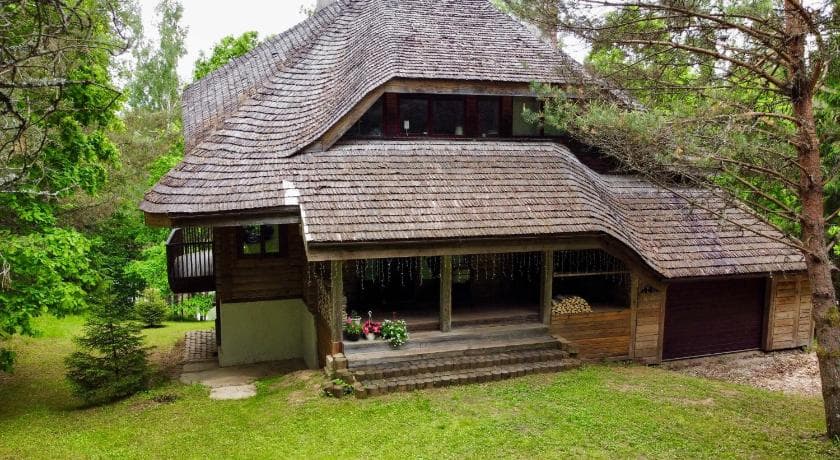
The primary accommodation model in Gulbene is the manor house conversion. These are historic estates that have been stripped of their feudal purpose and repurposed for tourism. Vestiena Manor (Vestienes muiža) is the anchor here. It is a historic complex with a park that feels less like a resort garden and more like a preserved fragment of the 19th century.
Staying in a manor house in Latvia is an exercise in controlled discomfort. The floors are often original wood, which means they creak when you walk and amplify every footstep in the hallway. The heating is efficient, but the silence is heavy. You are paying for the isolation. The "boutique" aspect is the lack of anonymity. You are not room 402; you are a guest in a specific wing of a specific building.
The prices reflect this scarcity. Rural boutique stays in this region typically range from €60 to €100+ per night. This is not a deal. You are paying for the narrative. The differentiator is the park. At Vestiena, you can walk away from the building into a landscape that hasn’t been manicured for Instagram. It is overgrown, slightly wild, and entirely authentic. If you are sensitive to the smell of old wood or the draft from a window that was sealed in 1920, look elsewhere. If you want to feel the weight of history in the walls, this is the only option.
The Train as Accommodation
If the manor houses are full, or if you decide that sleeping in a museum is too much like work, there is the Gulbene-Alūksne Narrow-Gauge Railway. This is a cultural monument of national importance. It is the only regularly running narrow-gauge passenger railway in the Baltic States. The line is 33 kilometers long, connecting Gulbene to Alūksne.
The operator, SIA "Gulbenes-Alūksnes bānītis," runs two daily trips in each direction. The gauge is 750 mm. The cars are vintage. The experience is slow. You are not rushing to a destination; you are moving through a landscape that refuses to change. For the traveler who rejects the speed of modern transit, this is the ultimate boutique experience. You are not staying in a room; you are staying in motion.
The train does not offer beds. It offers seats with a view. But in the context of a weekend trip, the rhythm of the train can replace the need for a hotel. You can ride to Alūksne, stay there, and return. Or you can ride back and forth, using the train as a moving lounge. The ticket price is low compared to a manor stay, but the value is in the perspective. You see the forest from a different angle. You hear the clack of the wheels on the narrow track. It is a sensory reset.
The Lake and the Silence
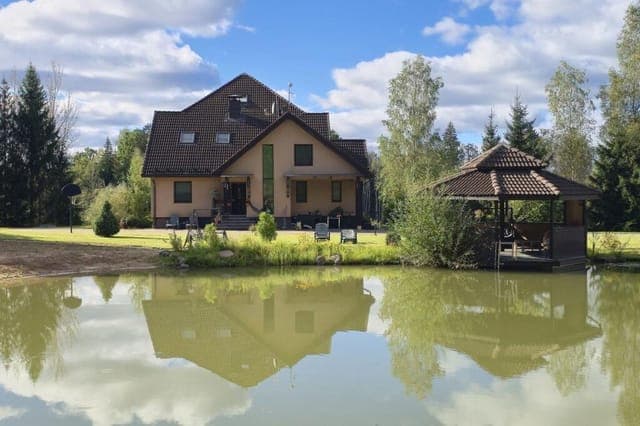
Teperis Lake (Teperis ezers) is the other anchor of the Gulbene experience. It is listed among the top attractions. It is a quiet water destination. There are no clubs on the shore. There are no lifeguards. There is water, trees, and the occasional fisherman who ignores you.
The lake serves as a counterpoint to the manor houses. The manors are about structure and history. The lake is about emptiness. You go there to stare at the water. You go there to realize how small your concerns are. The water is cold in June, even in summer. The air is still. If you are looking for activity, you will be disappointed. If you are looking for a place to sit and think, it is perfect.
The proximity of the lake to the town center is short. You can walk there from most accommodations. The path is unpaved in places, which adds to the friction. Good. Friction is what makes the memory stick. You don’t remember the smooth rides. You remember the mud on your shoes.
Practicalities and Money
Gulbene is not served by the standard-gauge LDz passenger network. You cannot take a high-speed train from Riga. You must take a bus. The bus connection is reliable but infrequent. Check the schedule before you arrive. Do not assume you can just show up.
The currency is the Euro. Cash is still king in rural Latvia. While cards are accepted in the manor houses and at the train station, the small shops and stalls may prefer cash. Carry some. The prices are reasonable by Western European standards, but the selection is limited. You are not in a shopping district. You are in a town that serves the region, not the tourists.
The narrow-gauge train makes two trips a day. Miss it, and you wait until tomorrow. This is not a flaw; it is a feature. It forces you to slow down. It forces you to plan. It removes the illusion of control.
When to Go
The best time to visit Latvia is June to mid-September. The weather is warm, and the days are long. But you are here in June, and the clock is ticking. Midsummer Eve is June 23. Midsummer Day is June 24. These are the most important holidays in the Latvian calendar. The demand will surge. The prices will jump. The availability will vanish.
If you are reading this before June 23, book now. Do not wait. The manor houses will fill up. The train tickets will sell out. The silence will be broken by crowds who think they are discovering something new. They are not. They are just late.
After Midsummer, the town returns to normal. The crowds leave. The prices drop. The silence returns. November 18 is Republic of Latvia Proclamation Day, a minor holiday in the grand scheme, but it marks the end of the tourist season. If you want the true Gulbene, go in late June after the Midsummer rush, or in September when the leaves turn.
This place is not for everyone. It is for those who want to strip away the noise. It is for those who want to sleep in a manor house and wake up to the sound of the forest. It is for those who want to ride a narrow-gauge train and feel the weight of time. If you want luxury, go to Riga. If you want reality, stay here.