Kainach bei Voitsberg offers low-cost lodging in Styria’s quiet south. No hostels, but guesthouses deliver precision, silence, and value for the disciplined traveler.
The population of Kainach bei Voitsberg is 534. This figure defines the scale of the municipality. It limits the inventory of accommodation and eliminates the chaotic energy of a hostel district. There is no noise from shared dormitories here. You are not visiting for nightlife. You are here to assess your surroundings, to hike the local trails, and to sleep in a room that respects your need for rest. The budget travel model in this region prioritizes efficiency over social interaction. You pay for proximity to the forest and the absence of urban friction. The landscape is the primary asset. The accommodation serves as a functional base while you engage with the environment.
The Reality of Low-Cost Lodging
There are no hostels in Kainach bei Voitsberg. A search for backpacker accommodation yields no results. This reflects the specific tourism model of the municipality, which focuses heavily on day visitors. Tourists arrive to hike or cycle, and they typically depart before evening. Overnight stays are uncommon and are generally reserved for travelers who need a base for multi-day excursions or who value the profound silence of a Styrian village at night.
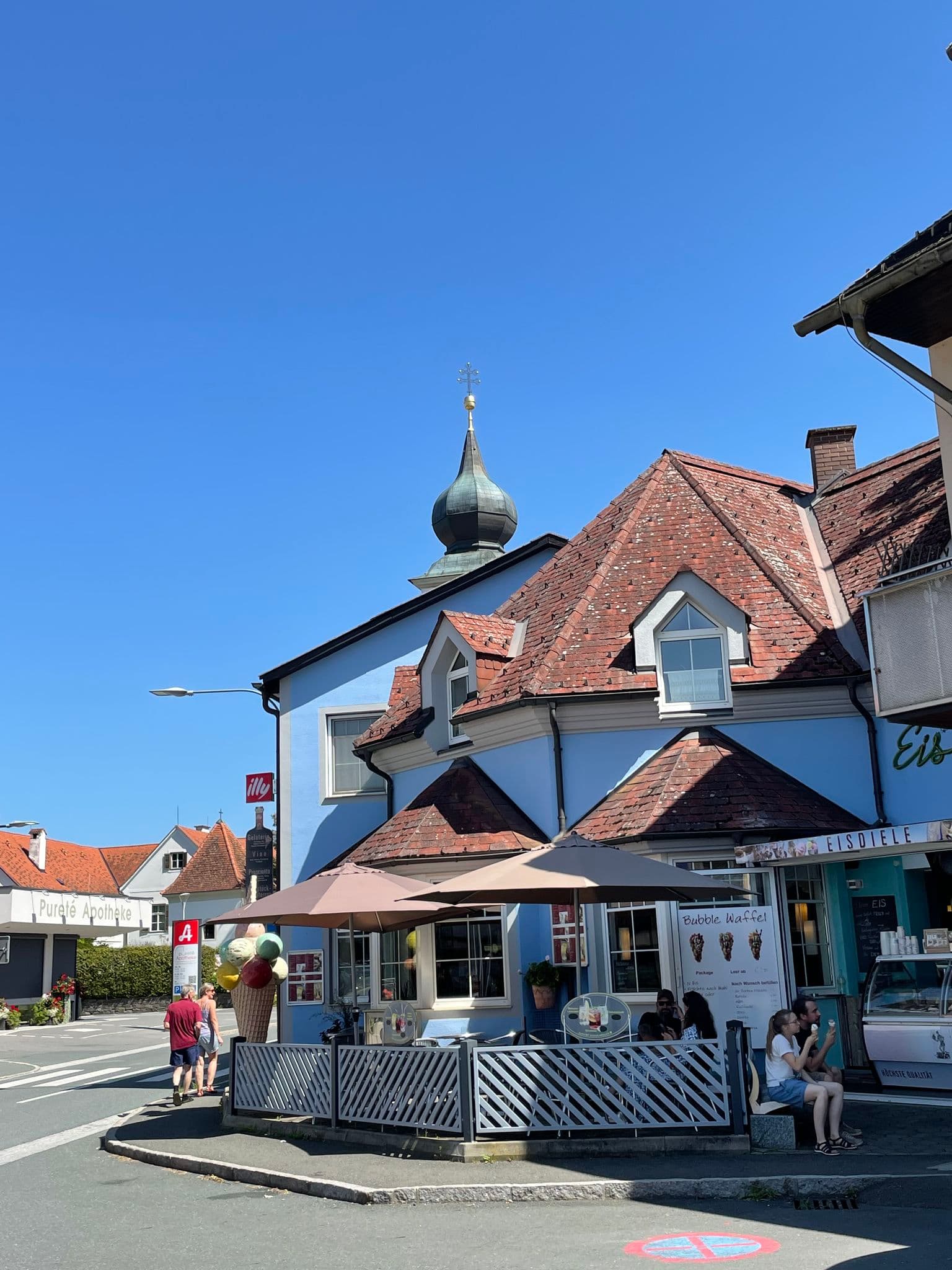
The accommodation sector consists of private guesthouses and small family-run hotels. These establishments operate with a personal touch that differs from the standardized corporate hotels found in Graz or Vienna. The owner often manages the property directly. Check-in involves a conversation rather than a digital transaction. For the budget traveler, this structure offers flexibility. You can negotiate rates, request a room situated away from the street, or ask for a late checkout if your morning hike allows. Prices are approximate, ranging from 40 to 80 euros per night for a private room with shared facilities, or 80 to 120 euros for an en-suite double room. This cost reflects the isolation. You are paying for the scenic quality of the surroundings and the lack of crowds. If you seek a social scene, this is not the destination. If you seek a clean bed and direct access to the forest, it is the correct choice.
Where to Stay
The options are limited. The selection process is therefore straightforward. You do not need to filter through dozens of listings. You choose the option that aligns with your logistical requirements.
Private Guesthouses in the Village Center Located within the postal code 8573 area, these establishments provide the most direct access to village amenities. The advantage is proximity to local services and the parish church. The disadvantage is potential noise from local traffic, though this is minimal given the small population. Prices are competitive. Expect to pay around 50 euros for a basic single room. The differentiator is the host’s local knowledge. They will provide maps and suggest optimal times for outdoor activities to avoid midday heat.
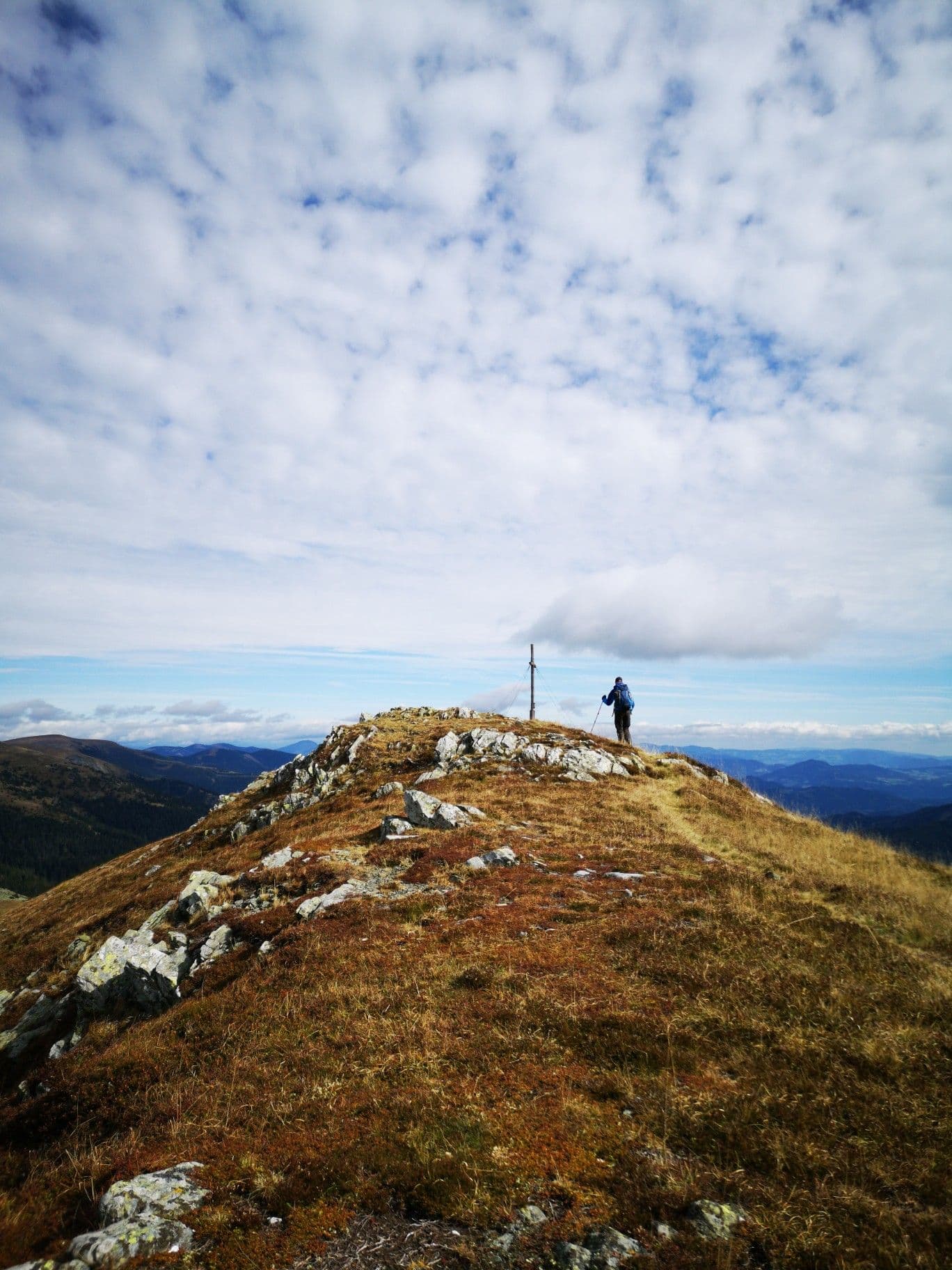
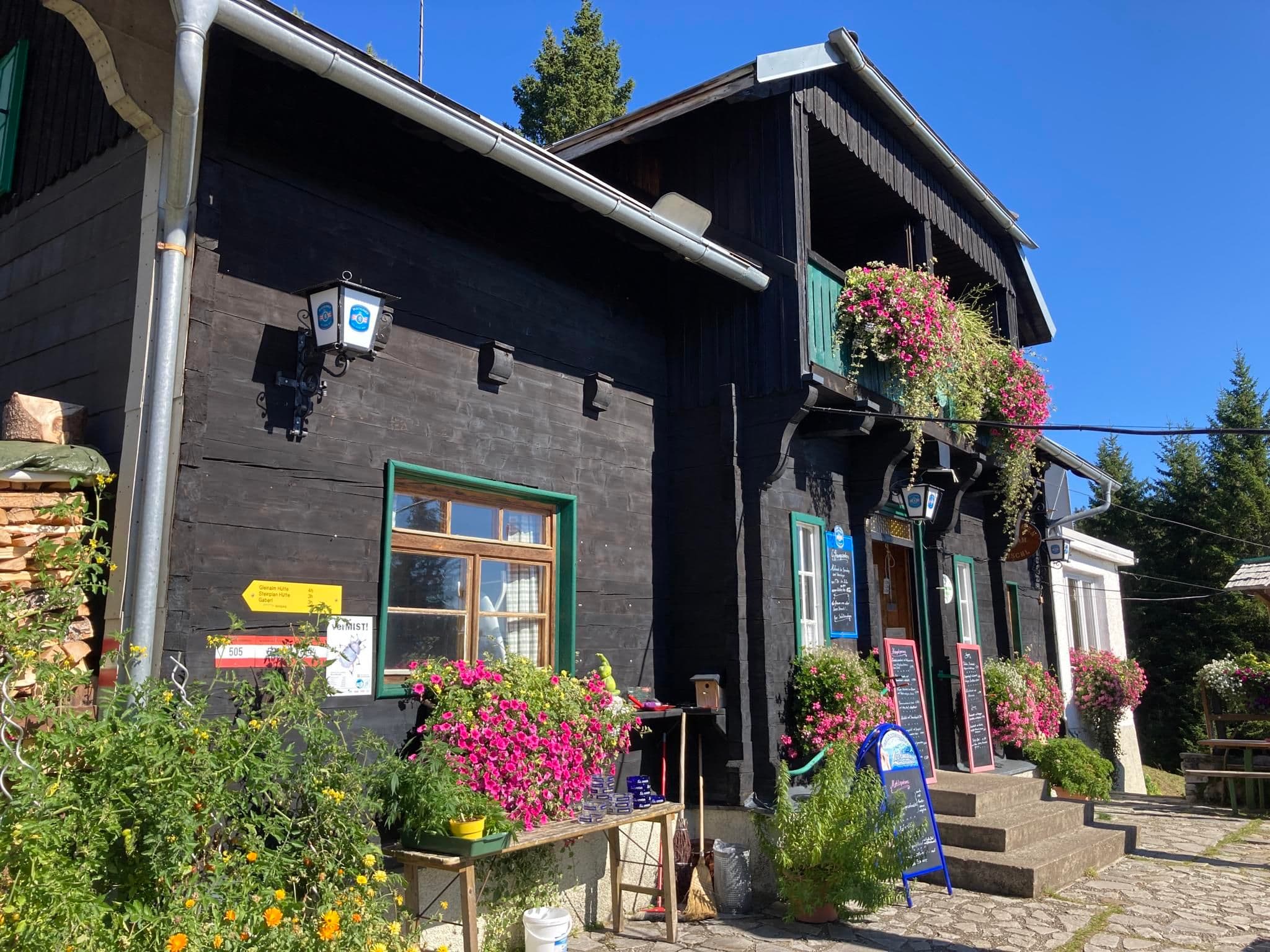
Alpine Pasture Huts (Almen) For the more rugged traveler, the Almen offer a distinct proposition. These are not hotels. They are functional shelters located in the high pastures. Access requires hiking. Amenities are basic. The cost is low, often charged per person or per group rather than per room. The differentiator is the experience. You sleep above the tree line. The air is crisp. The silence is absolute. This option is for those who wish to test their endurance. The booking process is informal. You may need to call ahead, or you might arrive and hope for available space. The uncertainty is part of the experience.
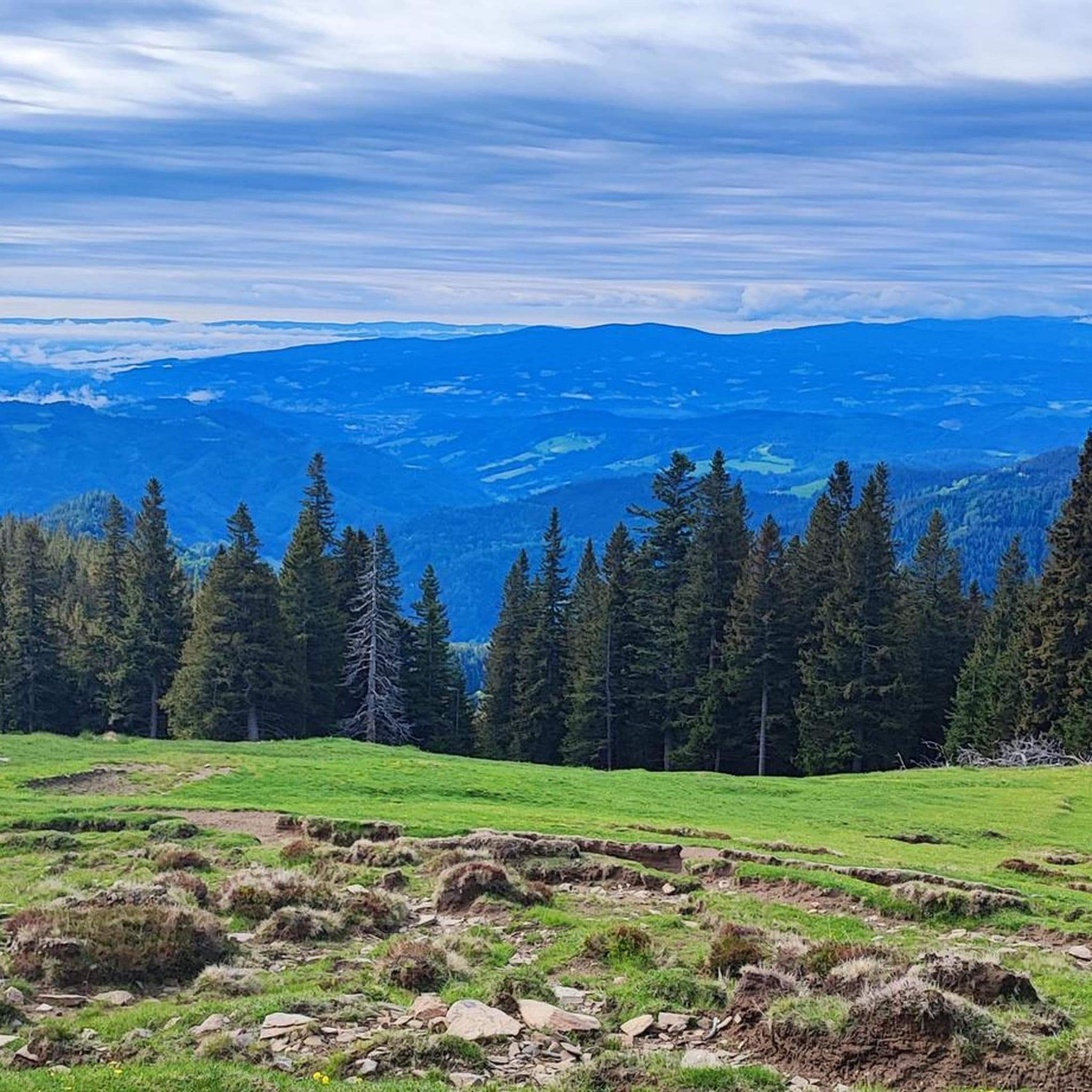
Guesthouses Near the Trailheads Some accommodations are situated closer to the trailheads leading into the surrounding hills. These are ideal for cyclists and hikers who want to start their day early. The price is slightly higher, around 60 to 70 euros, due to the convenience. The differentiator is the view. Many of these rooms face the natural landscape. You wake up to the mountains. You sleep to the sound of the wind. It is a stark and beautiful reality.
Transit and Logistics
Transport to Kainach bei Voitsberg is not seamless. There is no direct railway line to the village. The nearest major hubs are Voitsberg and Graz. From Graz, the journey requires a combination of train and bus, or a car. The train to Voitsberg takes approximately 30 minutes. From there, you must take a local bus or a taxi to Kainach. The bus schedule is infrequent. It is designed for locals, not tourists. You must check the timetable. You must plan your arrival. Missing the bus means waiting for the next one, which could be several hours later.
If you are arriving by car, parking is not an issue. There is ample space. The roads are narrow but well-maintained. The drive from Graz is scenic, winding through the Styrian hills. Navigation is straightforward. Use the postal code 8573. The GPS will guide you accurately. Once you arrive, the car becomes a burden. The village is small. The trails are the destination. Leave the car at your accommodation. Walk. The distance to the parish church is short. The distance to the hiking trails is manageable. The distance to the Almen is a hike. This is the intended flow.
Local Angle: The Discipline of Silence
The culture of Kainach bei Voitsberg is defined by its tranquility. There is no nightlife. There is no street food scene. There is no vibrant market. The local food consists of standard Styrian cuisine. You will find schnitzel, dumplings, and cabbage. It is functional. It is filling. It is consistent. You know what you are getting. There is no surprise. There is no risk.
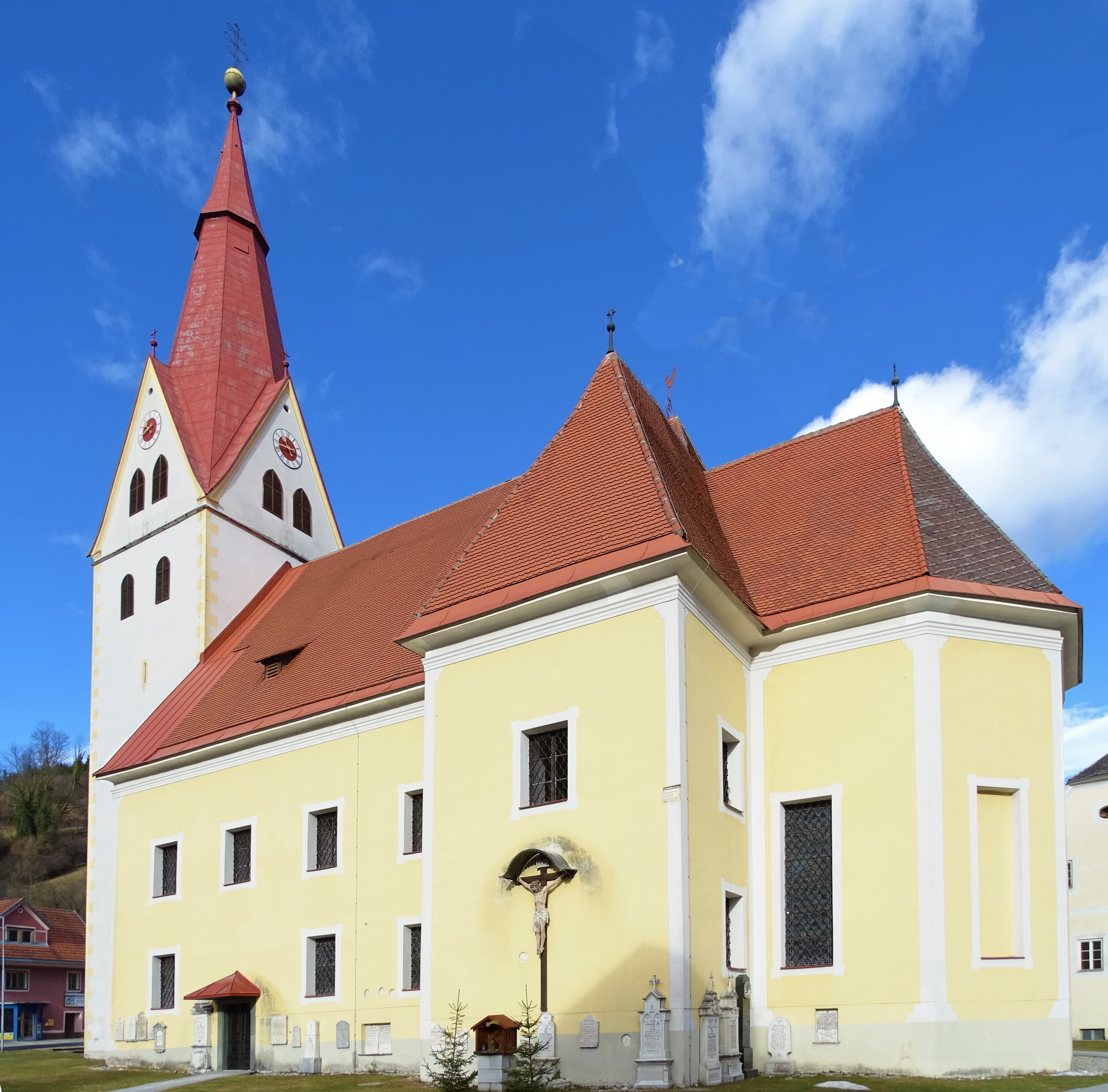
The etiquette is simple. Be quiet. Be respectful. The residents are not there to entertain you. They are there to live. Please respect their privacy. Do not play music in your room. Do not leave trash on the trails. The parish church is a place of reverence. Approach it with respect. The natural surroundings are historical and ecological sites. Climb with care. The environment does not need your impact. The local language is German. English is spoken by tourism providers, but not by all residents. Learning a few phrases is a sign of respect. It is a basic requirement of travel.
When to Go
The best time to visit Kainach bei Voitsberg is summer and early autumn. The weather is warm. The trails are dry. The alpine pastures are green. The months of June, July, and August are ideal. The risk is rain. The mountains can change quickly. Check the forecast. Bring layers.
Holidays impact the availability of accommodation. Assumption Day in August is a local holiday. Expect increased demand for rooms. Book in advance. National Day in October is further away. The weather will be cooler. The crowds will be thinner. All Saints' Day in November is late for hiking. The trails may be muddy. Immaculate Conception in December is in winter. The village is quiet. The accommodations may be closed.
This destination is for solo travelers, hikers, and cyclists. It is not for families with young children, unless they are prepared for the physical demands. It is not for groups seeking entertainment. The recommended stay is two to three nights. One night is too short to appreciate the silence. Four nights is too long for the limited inventory of activities. Two nights allows for a proper assessment of the area. You can hike the trails. You can visit the church. You can sit by the fountain. You can sleep. You can repeat. It is a cycle of efficiency.
FAQ
Is there public transport to Kainach bei Voitsberg? No direct rail service. You must take a train to Voitsberg or Graz and then a bus or taxi. Check schedules carefully.
What is the currency? The Euro (EUR). Cards are accepted in most guesthouses, but cash is recommended for small purchases and tips.
Are there hostels? No. The accommodation consists of private guesthouses and alpine huts. Book in advance during peak season.