Calamvale isn’t a destination; it’s a logistical waypoint. Strip the ego, use the Go Card, and survive the Brisbane commute with your sanity intact.
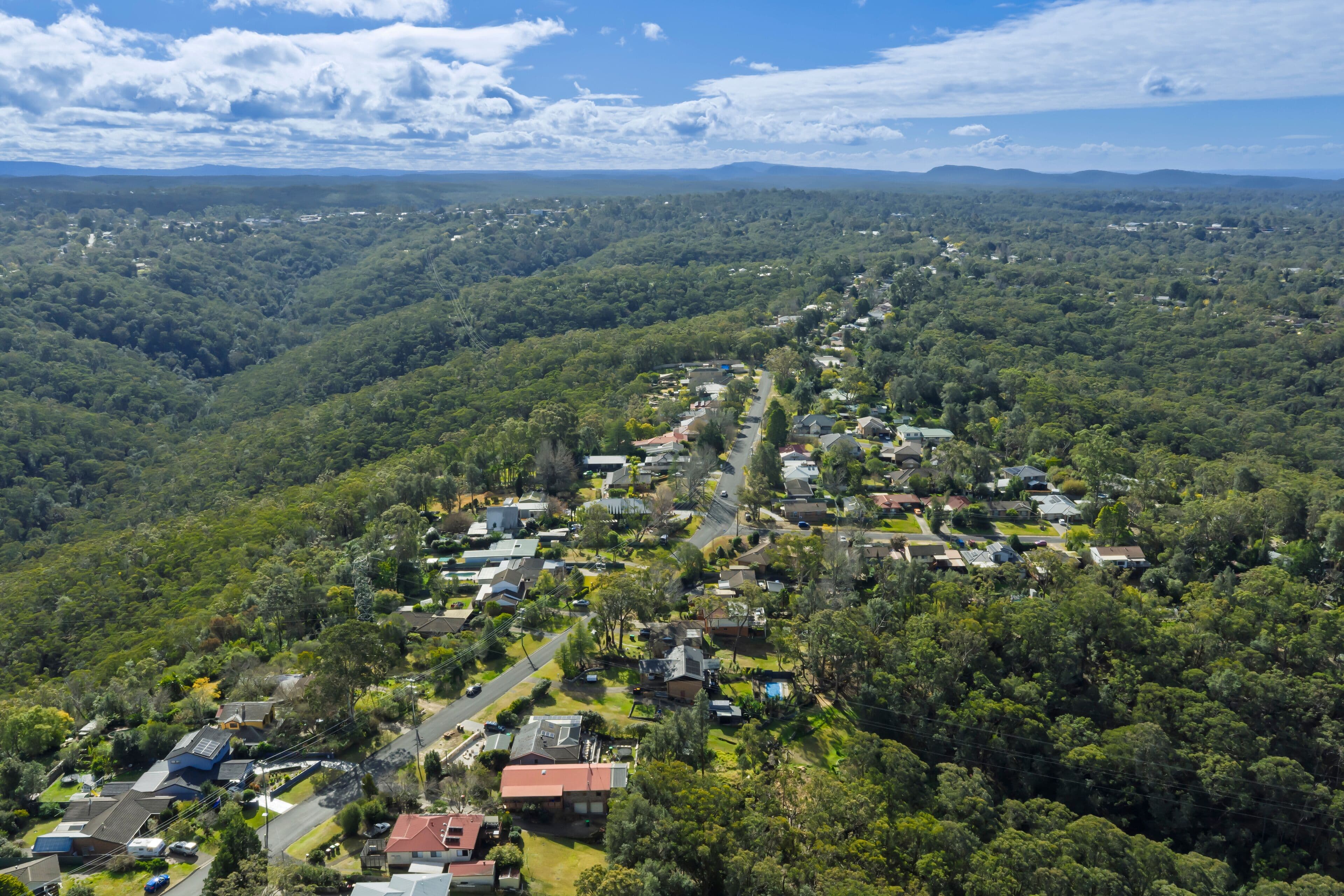
The coffee at the local service station tastes like burnt rubber and ambition. That’s the first lesson of business travel in Calamvale, Australia: you aren’t here for the view. You’re here because a contract needs signing, a warehouse needs inspecting, or a client insists on meeting in the suburbs where the rent is cheaper and the air conditioning fights a losing battle against the subtropical heat. Calamvale is sixteen kilometers from the Brisbane CBD. It’s not a city. It’s a sprawl of concrete, logistics parks, and quiet streets that hum with the low-grade anxiety of people trying to get ahead. If you think you’re traveling to Calamvale for leisure, you’ve already failed. You’re here to work. Do it fast, do it dirty, and don’t pretend this is a vacation.
The Transit Trap
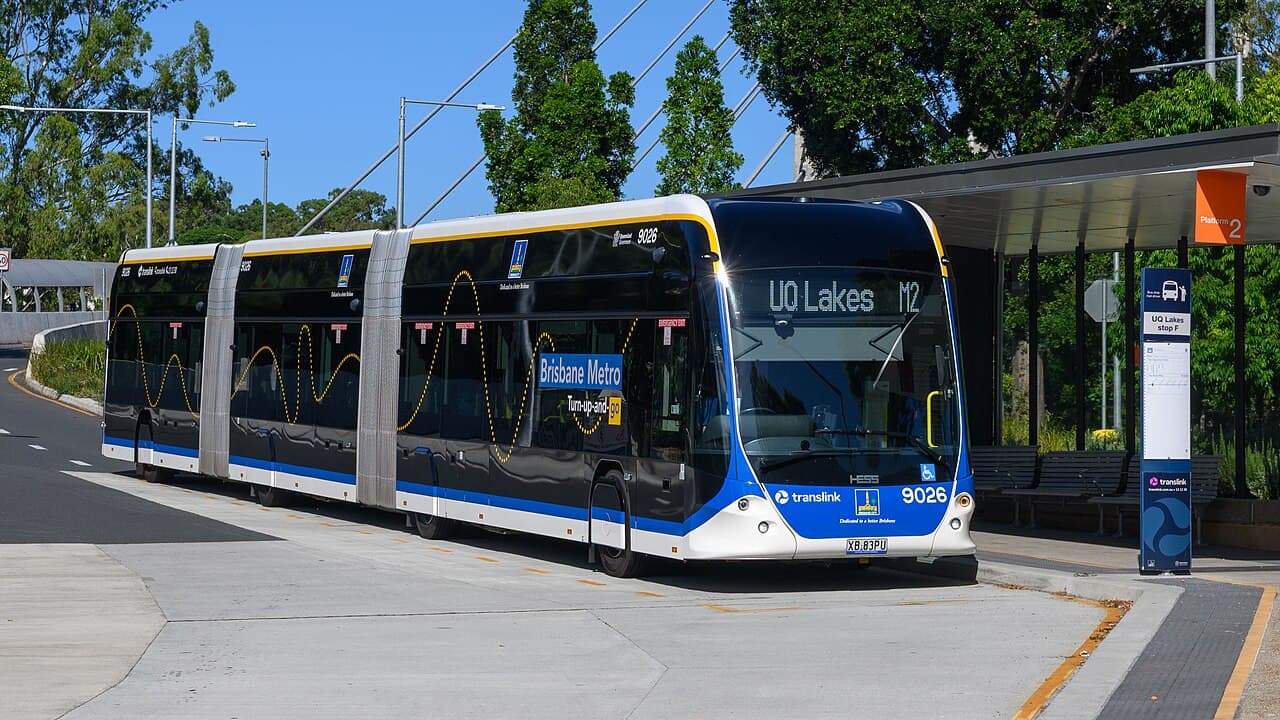
You don’t take a taxi to Calamvale unless you’re bleeding money. The suburb isn’t served by rail. There is no station on your doorstep waiting to whisk you away in sleek, climate-controlled comfort. Instead, you’re funneled into the Translink bus network. This is the assembly line of the Australian commute. You board a bus that smells of diesel and damp upholstery. You sit next to someone who has given up on conversation. You watch the suburban landscape blur past—strip malls, housing estates, the endless gray ribbon of the Pacific Motorway.
The journey to the Brisbane CBD takes forty to fifty-five minutes by bus. Thirty minutes if you’re driving off-peak. But you’re not driving; you’re working. You’re supposed to be productive. The bus doesn’t care. It stops at every corner. It delays for traffic. It forces you to confront the reality that your time is being sold by the minute, and the transit system is the middleman taking its cut.
If you need rail, you drive five minutes to Altandi or Runcorn stations. These are the lifelines of the Beenleigh Line. They’re functional, crowded, and utterly devoid of charm. You swipe your Go Card. The beep is the sound of compliance. You stand in the carriage, phone in hand, pretending to work while the train rattles over the tracks toward the city center. This is the rhythm of business in the outer suburbs. It’s not glamorous. It’s necessary.
Where to Stay
Luxury is a myth in Calamvale. If you’re looking for a five-star sanctuary with a view of the harbor, you’re in the wrong postcode. The accommodation here is utilitarian. It’s designed for people who need a bed, a shower, and a Wi-Fi signal strong enough to send emails before dawn.
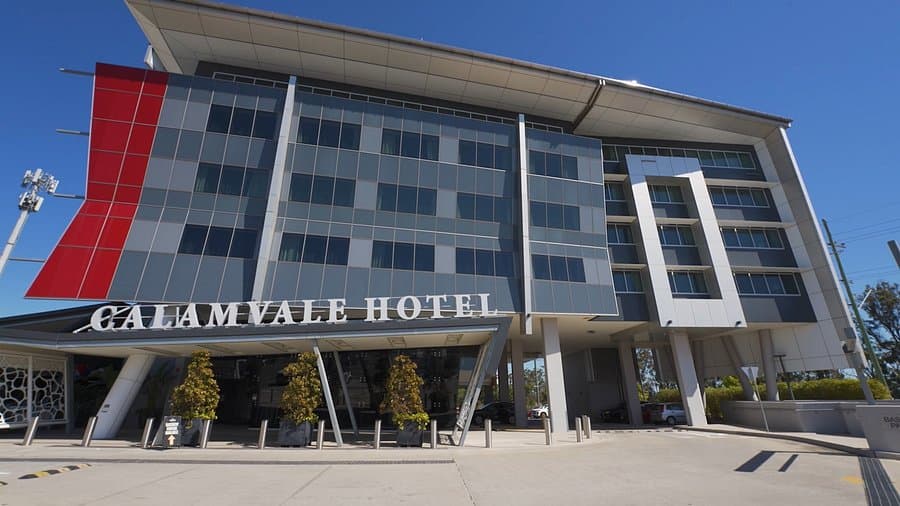
The Calamvale Hotel is the anchor. It’s not a boutique inn. It’s a pub. It has function rooms, sports lounges, and rooms that smell faintly of beer and cleaning chemicals. It’s honest. The staff know you’re passing through. They won’t judge you for eating a sandwich in your room at 10 PM. The nightly rate is modest, a fraction of what you’d pay in the CBD. You’re paying for proximity, not prestige. Book a room with a window if you can handle the noise of the street below. Otherwise, embrace the white noise. It’s the sound of the city working.
There are other options, mostly motels and budget chains along the main roads. They’re interchangeable. The beds are firm. The showers are adequate. The Wi-Fi is the only thing that matters. Don’t expect turndown service. Expect a keycard and a hope that the AC works. In Calamvale, comfort is something you bring with you.
The Work Environment
Calamvale is a place of doing. The Calamvale Community College, founded in 2002, houses over 2,600 students. It’s a P-12 institution, a massive complex of learning and bureaucracy. If your business involves education, training, or youth services, this is your ground zero. The campus is sprawling, modern, and impersonal. It’s designed for efficiency. Meetings here are scheduled in blocks. Coffee breaks are brief. The air conditioning is loud.
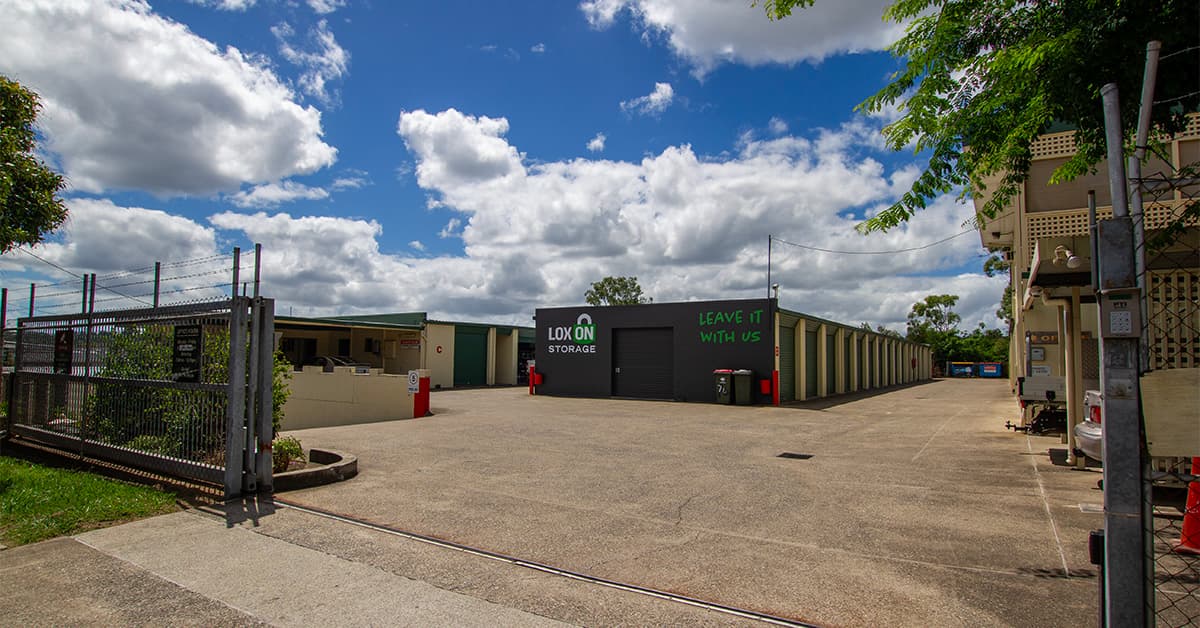
Beyond the college, the suburb is a mix of residential quiet and industrial hum. There are no skyscrapers. There are no glass towers reflecting the sky. There are warehouses. There are offices tucked behind unmarked gates. This is where the real work happens. The kind of work that doesn’t make it into the glossy brochures. You’ll meet clients in rooms with fluorescent lights that buzz like angry insects. You’ll sign contracts on tables that wobble. You’ll shake hands with people who value results over aesthetics.
The landscape is flat. The horizon is interrupted by power lines and the occasional crane. It’s not picturesque. It’s practical. The Calamvale Creek, part of the Scrubby Creek system, runs through the lower part of the suburb. It’s a riparian wetland, a strip of green in a sea of concrete. You might walk along it during a lunch break. The water is murky. The birds are loud. It’s a reminder that nature persists, even here, even now. It’s not a place for picnics. It’s a place for breathing.
Local Angle
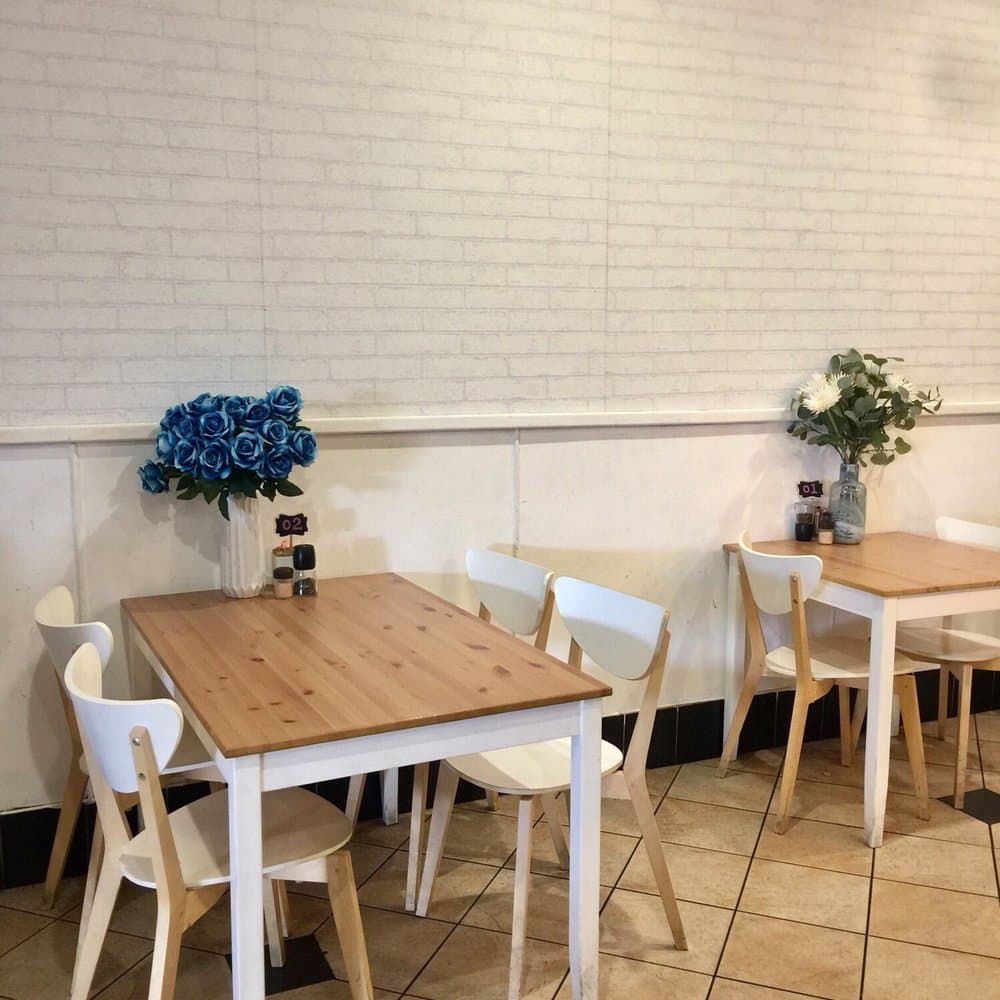
There is no "local cuisine" in Calamvale. There are no secret recipes passed down through generations. There are no Michelin stars. There is only the food that keeps you alive. You’ll eat at cafes that serve flat whites and avocado toast. You’ll eat at pubs that serve burgers and beer. You’ll eat at food courts that serve fried rice and noodles. It’s generic. It’s reliable. It’s fuel.
The culture here is one of understatement. People don’t shout. They don’t perform. They go to work. They go home. They live their lives in the quiet spaces between the commute and the couch. If you’re here for business, respect that. Don’t try to inject "vibrancy" into a place that values stability. Don’t expect a festival. Don’t expect a scene. Expect a handshake. Expect a nod. Expect a job done.
The etiquette is simple. Be on time. Be prepared. Don’t waste people’s time. The subtropical climate means it’s hot. It’s humid. Sweat is inevitable. Don’t complain about it. It’s the price of admission. Wear breathable clothes. Carry a bottle of water. Keep your temper cool. The heat will do the rest.
When to Go
Brisbane has a subtropical climate. It’s pleasant year-round, but "pleasant" is relative. Summer is hot. Winter is mild. For business travel, the season matters less than the schedule. The next major holidays are Christmas Day (2026-12-25), Boxing Day (2026-12-26), and New Year’s Day (2027-01-01). Avoid these dates if you can. Offices close. Staff go home. Your meetings will be rescheduled. Your productivity will plummet.
If you must travel during the holidays, book early. Accommodation fills up. Transport gets crowded. The few people left in the city are tired. Don’t add to their stress. Be efficient. Be polite. Get in and out.
For the rest of the year, Calamvale is open for business. The best time to go is when your calendar demands it. There’s no "peak season" for warehouse inspections. There’s no "off-peak" for contract negotiations. You go when you have to. You stay as long as you need to. One night. Two nights. A week. It doesn’t matter. The goal is the same: finish the work.
FAQ
Is Calamvale safe for business travelers? Yes. It’s a suburb. Crime exists, but it’s not a war zone. Keep your valuables in your room. Don’t walk alone in dark parks at night. Use common sense. The biggest risk is boredom, not burglary.
How do I get around without a car? Use the Translink bus network. Get a Go Card. It’s cheaper and faster than paying cash. The buses are frequent, but they’re not instant. Plan your routes. Allow extra time. If you need rail, drive or take a bus to Altandi or Runcorn stations.
Are there restaurants near The Calamvale Hotel? The hotel has its own dining and bar. There are other cafes and eateries along the main roads. They’re not culinary destinations. They’re places to eat. Check the menu online if you have dietary restrictions. Otherwise, go with the flow. The food is fine. The service is fast. That’s all you need.