A practical guide to spotting birds and mammals in the high-altitude valleys around Aspindza, Georgia, with honest notes on road conditions and seasonal timing.
Aspindza sits in the Shavsheti Valley, a high-altitude basin in southern Georgia that functions primarily as a logistical stop for travelers heading toward higher elevations or neighboring valleys. The town is small and functional, serving as a base for those exploring the region. For wildlife enthusiasts, the appeal lies in the raw, open landscapes surrounding the settlement.
The primary draw for animal watchers is the intersection of wetland habitats and alpine meadows. This transition zone creates a corridor for migratory birds and hardy mammals adapted to the sharp continental climate. You can see plenty of life here without a guide, provided you know where to look and when to stop. The following breakdown focuses on what you can actually see, how to get there, and what to expect from the infrastructure.
The Habitat and What Lives There
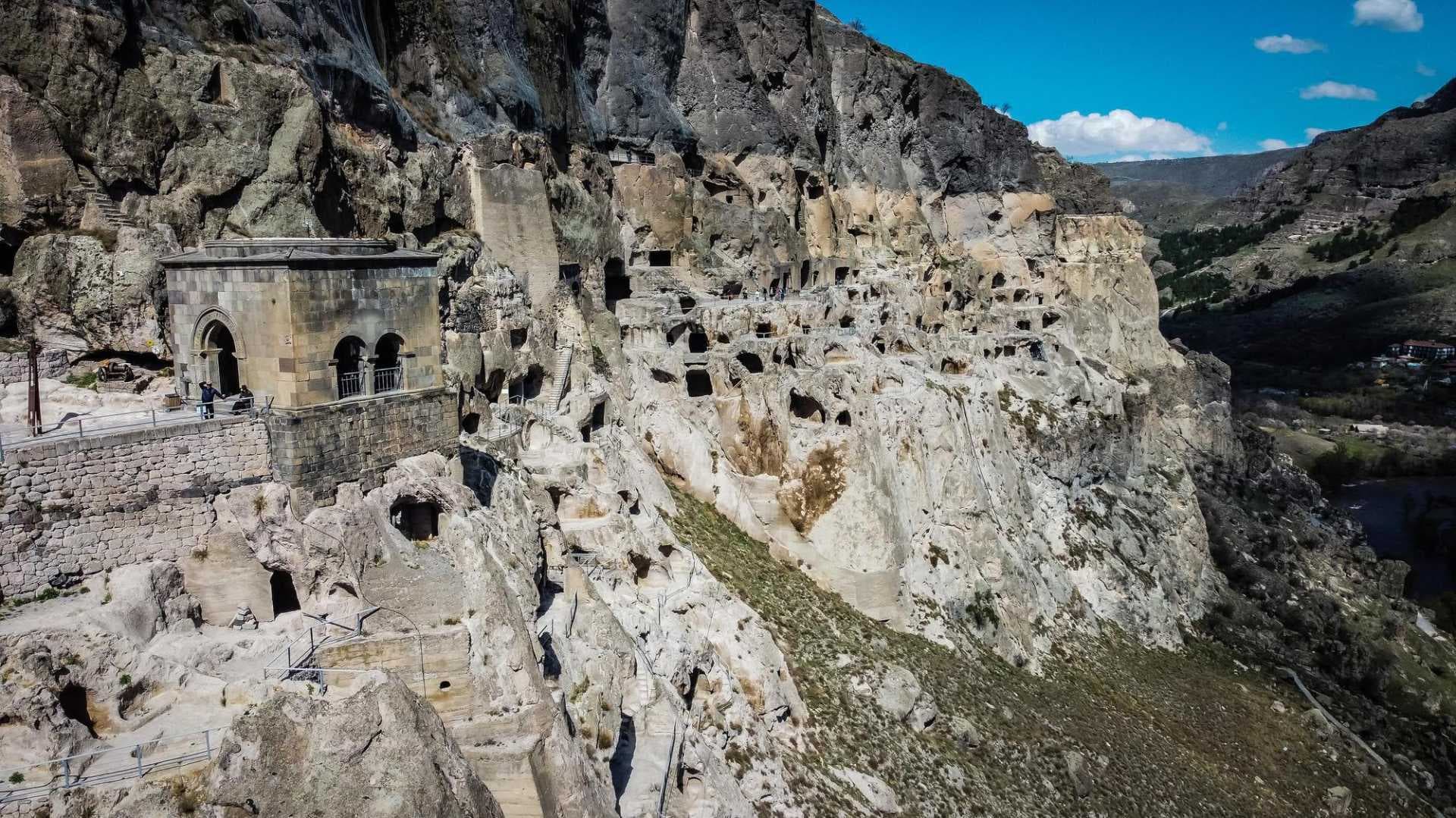
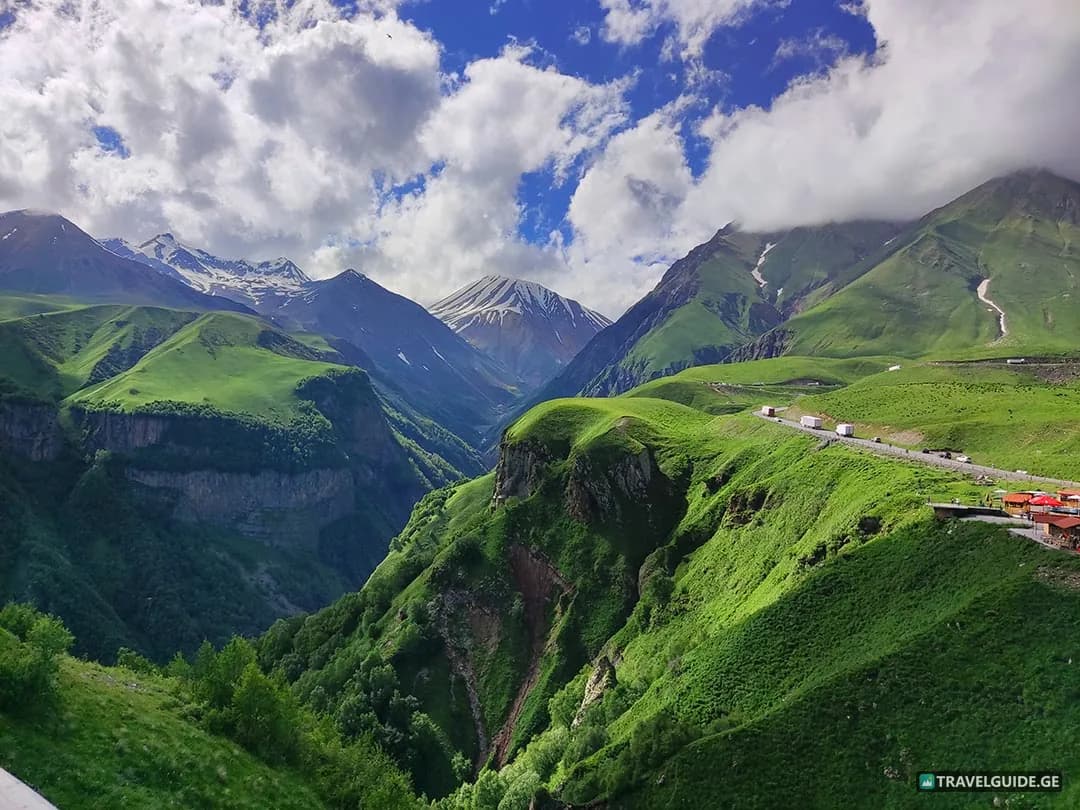
The landscape around Aspindza is defined by its elevation and its water sources. The Shavsheti Valley is a series of high basins, and the vegetation reflects that: tough grasses, low shrubs, and scattered trees that survive the harsh winters. This openness is an advantage for wildlife viewing. You rarely need binoculars with high magnification because the sightlines are long. You are often looking across several hundred meters of open ground, which allows you to spot movement easily.
Birdlife is the most consistent reward. The wetlands near the town and in the immediate surrounding valleys attract a variety of waterfowl and wading birds, particularly during migration periods in spring and autumn. You will likely see common cranes, herons, and various species of ducks resting in the shallow pools that form after seasonal rains. The air is thin and clear, which makes identification easier than in humid lowlands. Mammals are trickier but present. The red fox is common, often seen darting across the roadside at dusk. You may also encounter chamois on the steeper slopes if you drive further up into the hills, though they are shy and prefer the rocky outcrops where human traffic is lower.
The key is patience and positioning. Stop your vehicle at safe pull-offs along the main road rather than driving slowly through the entire stretch. The wind here can be relentless, so choose a spot with some natural shelter, like a bend in the riverbank or a cluster of trees. The light in late afternoon is sharp and cold, casting long shadows that help highlight the texture of the landscape and the movement of animals against the background.
Getting There and Around
Aspindza relies on road connections for most travel. The nearest rail connection is in Akhaltsikhe, approximately 25-30 km away, which provides a basic link to the broader regional network. The train is a viable option if you are traveling from Kutaisi or Tbilisi, but schedules can be infrequent and subject to change. It is a slow way to travel, but it offers a steady view of the plateau as you approach. For most travelers, driving is more flexible. The road surface is generally paved, but potholes are common, especially after winter freeze-thaw cycles. A vehicle with decent ground clearance is recommended because the shoulders can be soft and uneven.
Fuel stations are spaced out. Fill up in Aspindza or in the larger towns before you head into the more remote valleys. There are stretches of nearly 200 kilometers where services are minimal. If you are on a motorcycle, pack layers. The temperature drops quickly after sunset, and the wind chill on the plateau is significant even in autumn.
For wildlife viewing, the best access is often by car. You can stop frequently to observe specific patches of habitat. Public transport does not stop for wildlife, so a private vehicle gives you the control you need. If you are renting, check the tire condition carefully. The roads are not always well-maintained, and a puncture in a remote area can mean a long wait for help.
Practical Logistics and Timing
The best months for wildlife activity in Aspindza are late spring and early autumn. In November, the weather is cooling rapidly, and many migratory birds are passing through on their way south. This makes November a good month for birding, provided you are prepared for cold winds. Summer brings warmer days but can be crowded with domestic tourists heading to the lakes. Winter is harsh; many facilities close, and the landscape becomes stark and white.
Accommodation options are limited but functional. Look for guesthouses in the town center or in the nearby villages. Prices are generally affordable, often ranging from 30 to 60 GEL per night for a basic room with heating. Booking ahead is wise during holiday periods. The local food is hearty and suited to the climate. Expect simple meals with grilled meats, bread, and seasonal vegetables. It is filling and practical, designed to keep you warm.
If you are planning a multi-day trip, combine Aspindza with visits to nearby valleys. The distances are manageable, but the weather can change quickly. Always check the forecast for wind speed, not just temperature. A strong wind can make driving difficult and reduce visibility for wildlife spotting.
Local Etiquette and Culture
The people in this region are accustomed to travelers passing through, but they appreciate directness and respect. When stopping your vehicle to observe wildlife, be mindful of other drivers. The roads are narrow, and stopping in the middle of a lane is dangerous. Use designated pull-offs. If you are hiking, stay on established paths to avoid damaging the fragile high-altitude vegetation.
Language barriers are minimal if you speak basic Georgian or Russian, but English is understood by younger locals in the town center. A simple greeting goes a long way. Do not expect extensive tourist infrastructure. There are few cafes with Wi-Fi, and service can be slow. Bring cash. Card acceptance is inconsistent outside the main town.
The culture here is rooted in agricultural and pastoral traditions. You will often see livestock moving across the landscape. Give them right of way. These animals are part of the local economy and the ecosystem. Observing how locals manage their herds can be as interesting as watching the wild animals. It is a working landscape, not just a scenic backdrop.
When to Go and Holidays
Timing your visit around holidays can affect availability and pricing. Saint George's Day on November 23, 2026, is a significant date. Expect higher demand for accommodation and potential crowding at key viewpoints. Book your stay early if you are traveling during this week. Prices may surge slightly, and restaurants might be busier than usual.
Other holidays like New Year's Day in January and Christmas in early January also see increased domestic travel. If you prefer quieter conditions, aim for late October or early December, avoiding these peak dates. For families, the open spaces are ideal for children who enjoy outdoor activity. Solo travelers will find the solitude appealing, provided they are comfortable with basic amenities. Slow travel is the best approach here. Rushing through the landscape misses the point. Stay two to three nights to allow time for weather delays and thorough exploration.
FAQ
Do I need a 4x4 vehicle for Aspindza? Not strictly. A standard car with good tires can handle the main roads. However, a vehicle with higher clearance is more comfortable and safer if you plan to explore secondary tracks or if the weather is poor.
Is it safe to walk alone around the town? Yes, the town is small and generally safe. Stick to the main streets and populated areas. The surrounding countryside is open and exposed, so dress warmly and be prepared for sudden weather changes.
Can I buy food easily in Aspindza? Yes, there are small shops and markets in the town center. Stock up on basics if you are heading into more remote areas, as options become scarce quickly.