Skip the tourist traps in Dushanbe. Kolkhozobod in spring offers raw, unfiltered Central Asian reality: dust, diesel, and the best plov you’ll eat for $3. Here is the honest breakdown.
Kolkhozobod isn’t trying to be cute. It’s a working town in the Vakhsh Valley, and in spring, it wakes up with a grit that most polished travel destinations lack. If you’re looking for manicured gardens and English-speaking concierges, go elsewhere. If you want to feel the pulse of rural Tajikistan while the apricot blossoms are still fresh and the air is crisp enough to cut with a knife, this is your spot. The town serves as a functional hub rather than a scenic postcard, anchored by the practical rhythm of local agriculture and transit.
The energy here is low-key but constant. You aren’t visiting for the architecture; you’re visiting for the texture of daily life. Spring brings a specific clarity to the light in the valley, making the dust settle into a soft haze that actually looks good in photos. The temperature hovers in that sweet spot where you can walk everywhere without sweating through your shirt or freezing your toes. It’s about 15 to 20 degrees Celsius during the day, dropping fast once the sun dips behind the surrounding hills.
Getting Around and Transit Realities

You’re likely arriving by rail or bus from Dushanbe, the capital. The train ride is the backbone of travel here. It’s slow, rattly, and surprisingly scenic once you pass the initial industrial sprawl. Don’t expect Wi-Fi to work consistently; download your maps before you leave the city. The journey itself is part of the experience, offering a long, uninterrupted look at the agricultural belt feeding the country.
Once you’re in Kolkhozobod, the scale is manageable. The town center is compact enough to navigate on foot, which is the best way to absorb the vibe. If you need to cover distance to nearby villages or markets, shared minibuses (marshrutkas) are the default. They are cheap, often costing less than a dollar for short hops, but they are crowded and loud. Sit near the window for the breeze; the interior can get stuffy fast, especially when the heating kicks in during early spring mornings.
Taxis are available but negotiate before you get in. Prices are generally low, but as a foreigner, you might pay a slight premium. Aim for a fair local rate rather than accepting the first offer. If you’re staying central, you’ll rarely need a cab for more than five minutes. The streets are straightforward, mostly grid-like near the center, with wider avenues cutting through toward the outskirts.
Eating and Drinking After Hours
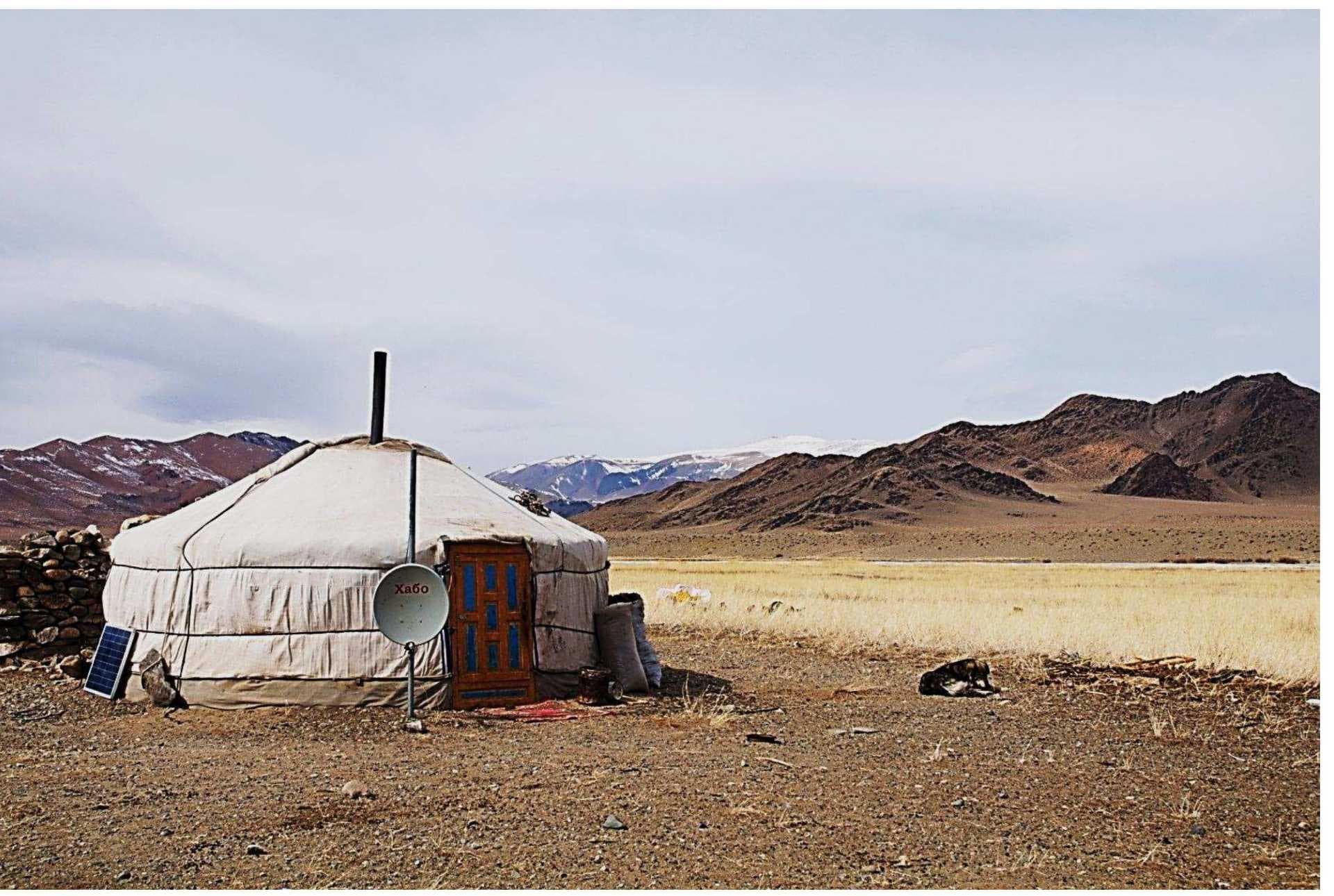
Food is the anchor of social life here. Forget fancy restaurants; the best meals are found in small, family-run eateries near the market area or along the main pedestrian strips. The star dish is plov (pilaf), but don’t expect the uniform orange rice of chain restaurants. Local plov is hearty, often cooked in massive cast-iron kazans, with tender lamb and carrots that have caramelized properly. It’s filling, affordable, and usually served with fresh tomato and onion salad that cuts the richness.
Prices are reasonable. A full meal with bread and tea will likely cost you around 20 to 30 somoni. That’s less than two US dollars. Quality varies, but the turnover is high, so the food is fresh. Look for places with plastic chairs and loud TVs—that’s usually a sign of steady local clientele. Avoid the places that look like they haven’t updated their menu since 2010 unless they have a line of locals waiting.
For drinks, tea is king. Green tea is standard, served in small bowls. It’s not just a beverage; it’s a pause button. You’ll sit, sip, and watch the street go by. If you want something stronger, local vodka is common in the evenings, often accompanied by pickled vegetables. The after-hours scene isn’t about clubs; it’s about lingering over tea and conversation. The noise level is moderate, dominated by traffic and chatter rather than thumping bass.
Practical Planning and Money Matters
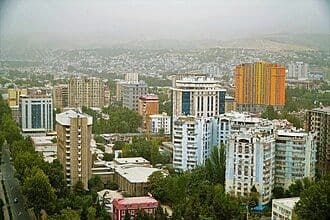
Cash is king. While card acceptance is slowly growing in Dushanbe, Kolkhozobod is largely cash-based. Carry small denominations of somoni. Large bills can be annoying for small purchases like bread or bus tickets. ATMs are available near the central square and major shops, but they can run out of cash on weekends. Plan ahead.
Language barriers are minimal if you speak basic Russian, which is widely understood. Tajik is the native tongue, but Russian bridges the gap in commercial settings. English is rare outside of younger demographics or specific business hubs. Learn a few phrases: rahmat (thank you) and salom (hello) go a long way. People appreciate the effort, and it opens doors that a blank stare won’t.
Timing is key. Spring days are shorter than summer, so daylight fades around 6 PM in March and April. Plan your sightseeing and transit moves before then. The evenings are cool, requiring a light jacket. If you’re heading out late, bring a layer. The wind coming off the valley floor can be sharp, cutting through thin fabric quickly.
Local Etiquette and Cultural Nuance
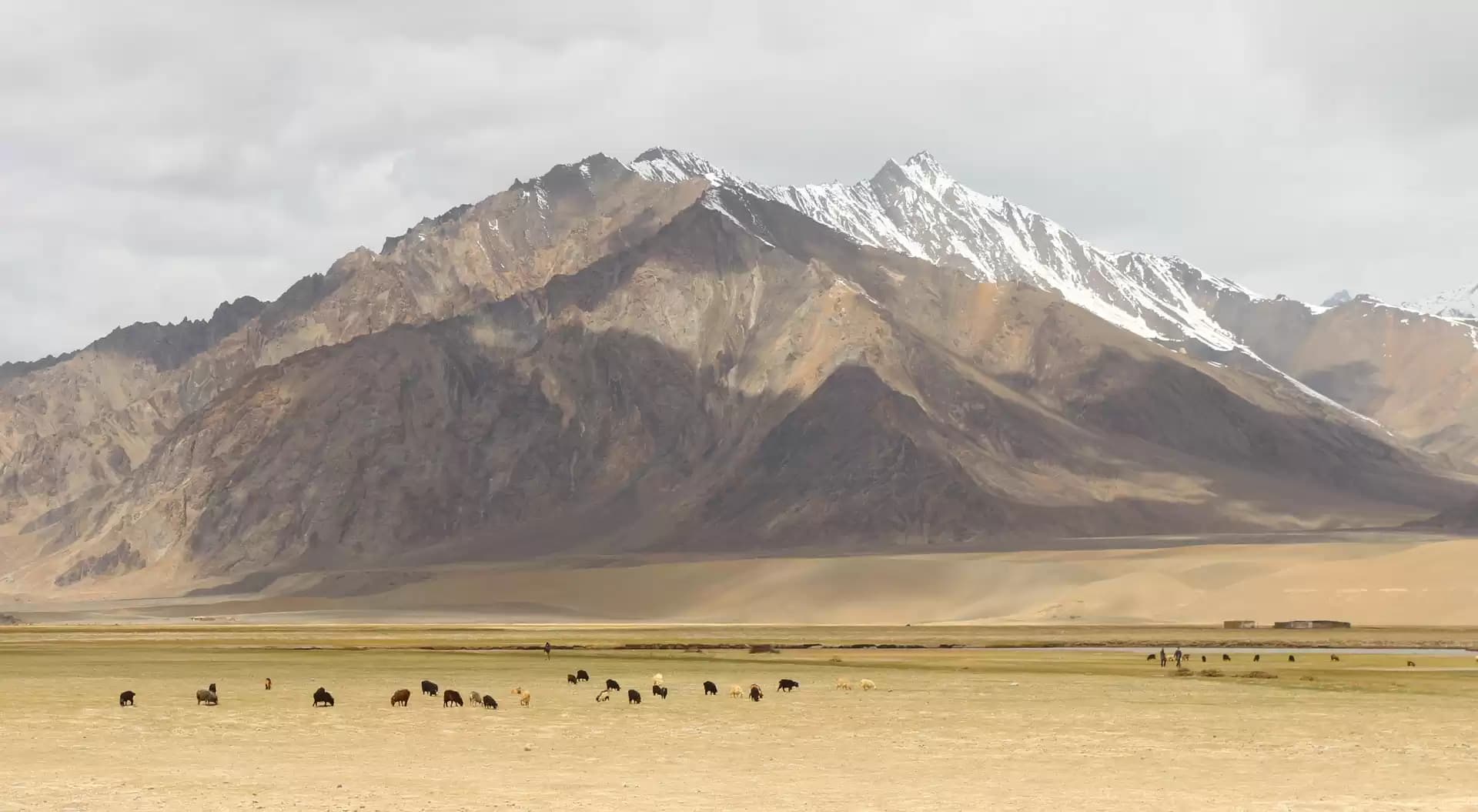
Respect is straightforward. Remove your shoes when entering homes or traditional tea houses. It’s a sign of respect for the space and the people hosting you. Handshakes are common, but wait for the woman to extend her hand first in mixed-gender interactions. It’s not a rule, just a polite observation of local norms.
Photography is generally welcome, but ask before taking close-ups of people. A simple nod and smile works wonders. People are curious but not intrusive. They’ll ask where you’re from and what you do. Answer briefly, then ask about their family or work. This reciprocal interest builds quick rapport.
The pace of life is deliberate. Don’t rush the tea. Don’t rush the meal. These moments are where the real connection happens. If you’re trying to squeeze in five stops in an afternoon, you’ll miss the point. Sit down. Watch the light change. Listen to the conversations around you. That’s the actual experience.
When to Go and Who Should Visit
March through May is the sweet spot. The temperatures are mild, the fields are green, and the crowds are thin. July and August get hot, and winter is grey and cold. Spring offers the best balance of comfort and activity. There are no major holidays in the next six months that will disrupt travel significantly, so you can book flexibly.
This destination suits solo travelers who like autonomy and slow travel enthusiasts who value observation over checklist ticking. Families might find the accommodation options basic compared to Western standards, but the space is generous and the food is comforting. If you need luxury amenities, stick to Dushanbe. If you want authenticity, head here.
Stay for two nights. One night to arrive and settle, one night to explore the rhythm. It’s enough to get a feel without overstaying. The town is a waypoint, a breath between the capital and the deeper valleys. Use it as such. Breathe in the dust, eat the plov, drink the tea, and move on. You’ll remember the clarity of it long after you’ve left.