Learn to cook Jizan-region staples in Şabyā, Saudi Arabia. No formal classes exist, so this guide covers how to source ingredients and practice locally.
The Reality on the Ground
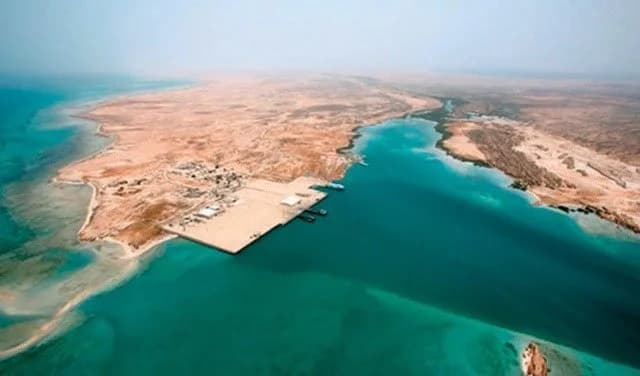
Let’s be clear about what Şabyā is and what it isn’t. It is a coastal city in the Jizan region of Saudi Arabia, sitting roughly 29 kilometers from the larger hub of Jizan. Şabyā does not function as a culinary tourism destination in the manner of Bangkok or Lima. There are no verified, bookable cooking classes operating in Şabyā itself. If you are looking for a structured, ticketed experience where a chef stands over your shoulder and corrects your knife work, you will not find it here.
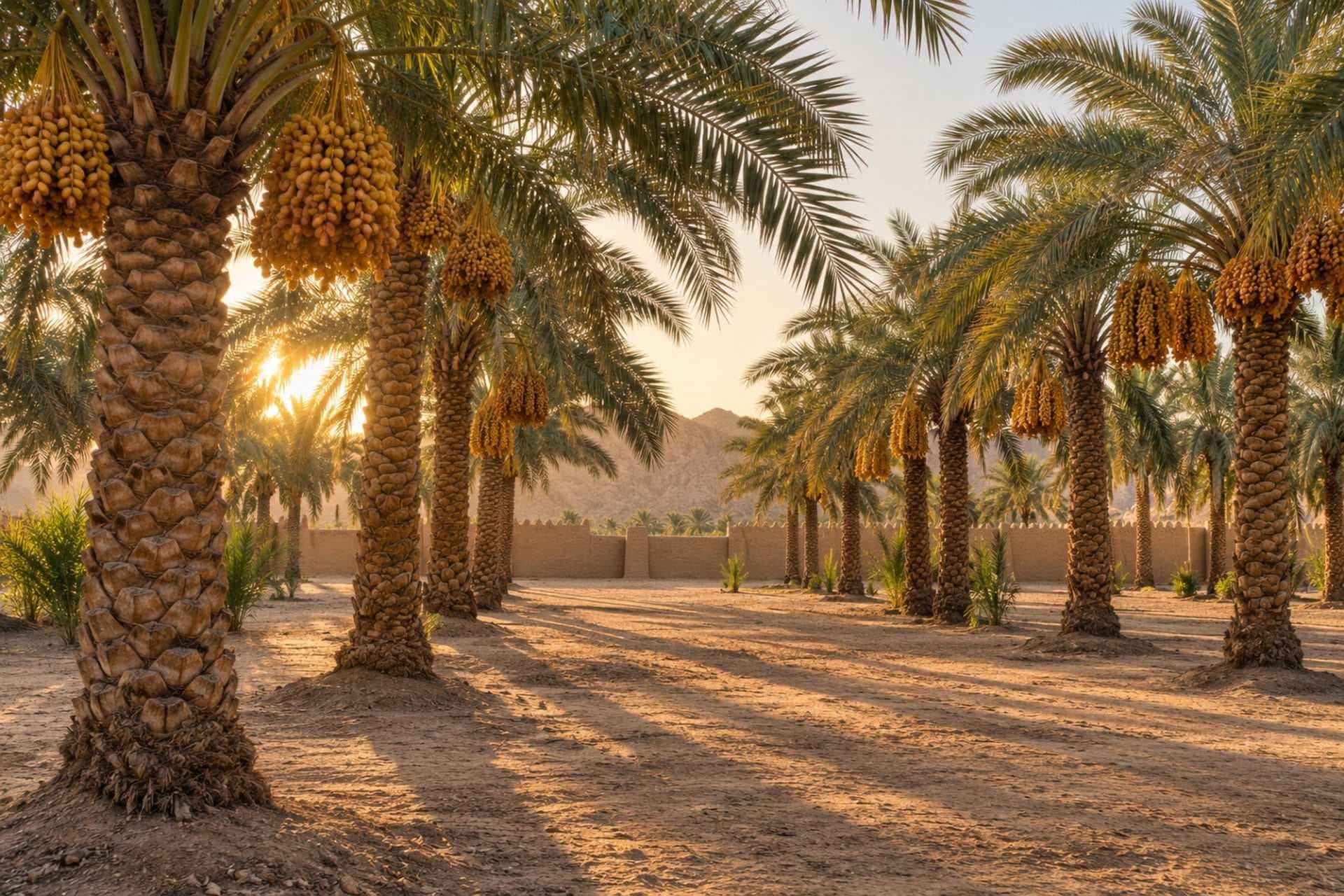
However, that does not mean you cannot cook here. It means you have to be the student. The Jizan region is famous for its agricultural output, specifically high-quality mangoes, figs, papayas, plums, and coffee. These items form the backbone of the local diet rather than serving merely as supermarket goods. To "take a class" in Şabyā, you need to visit the local markets, buy the produce, and prepare it in a kitchen that can handle the heat. The landscape is dotted with date farms, which adds another layer to the local flavor profile. You are not just eating; you are engaging with the agricultural reality of the Red Sea coast.
Sourcing the Ingredients
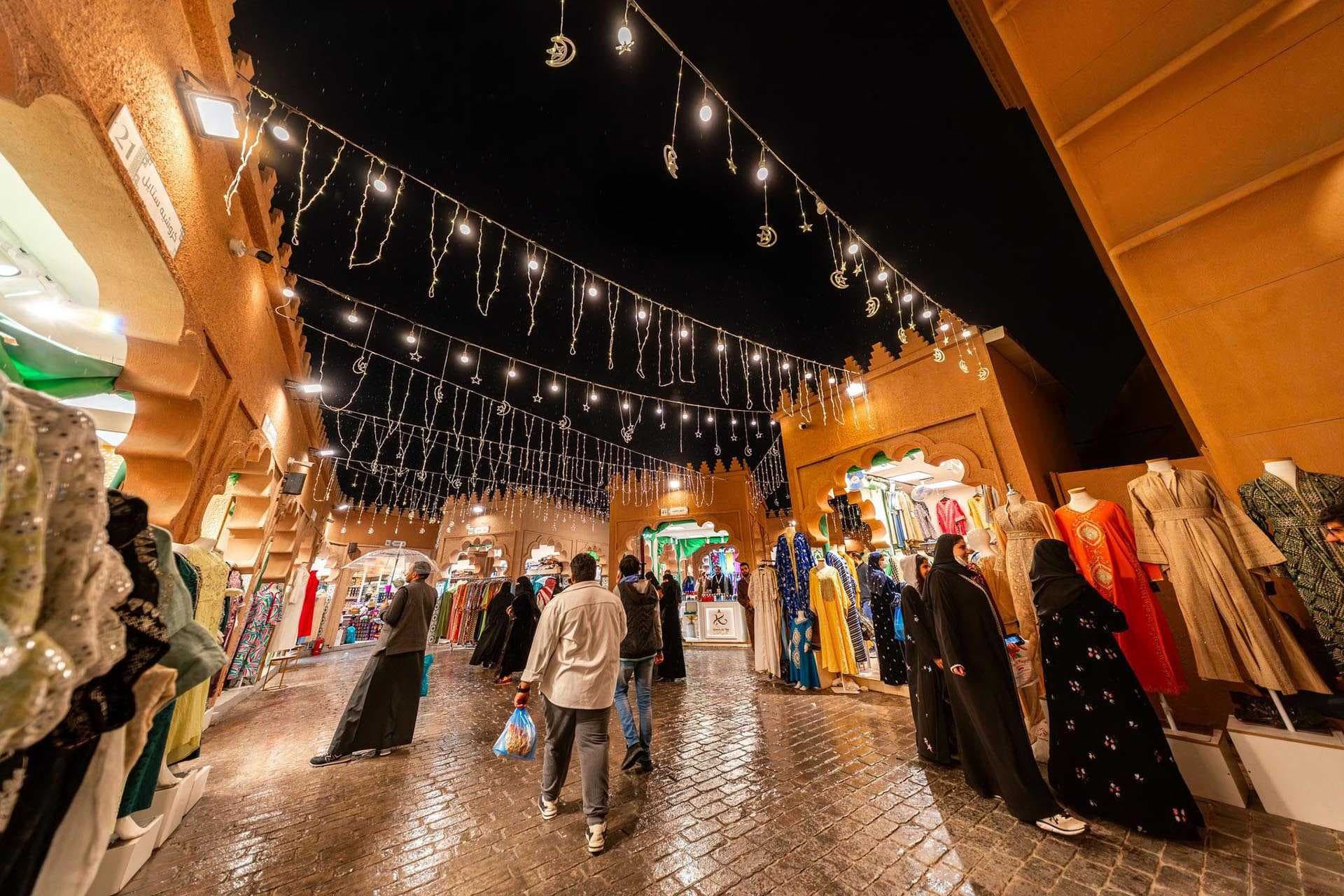
The heart of any cooking experience in Şabyā is the local market. These are vibrant spaces showcasing the agricultural bounty of the region. You will find fresh fruits that are often unavailable or significantly more expensive in other parts of the world. The mangoes from Jizan are particularly renowned for their sweetness and texture. Figs, plums, and papayas are also staples.
When you visit the market, do not expect a standardized menu. The selection changes with the harvest. This is a practical constraint and a benefit. You are buying what is fresh, not what is on a fixed curriculum. For coffee, the region is a significant producer. The beans are robust and distinct. If you are serious about learning the local palate, start here. Buy the raw ingredients. Talk to the vendors. They are the closest thing to a "chef" you will meet in this context. They know which batch of dates is best for baking and which mangoes are ripe for immediate consumption.
The Kitchen Situation
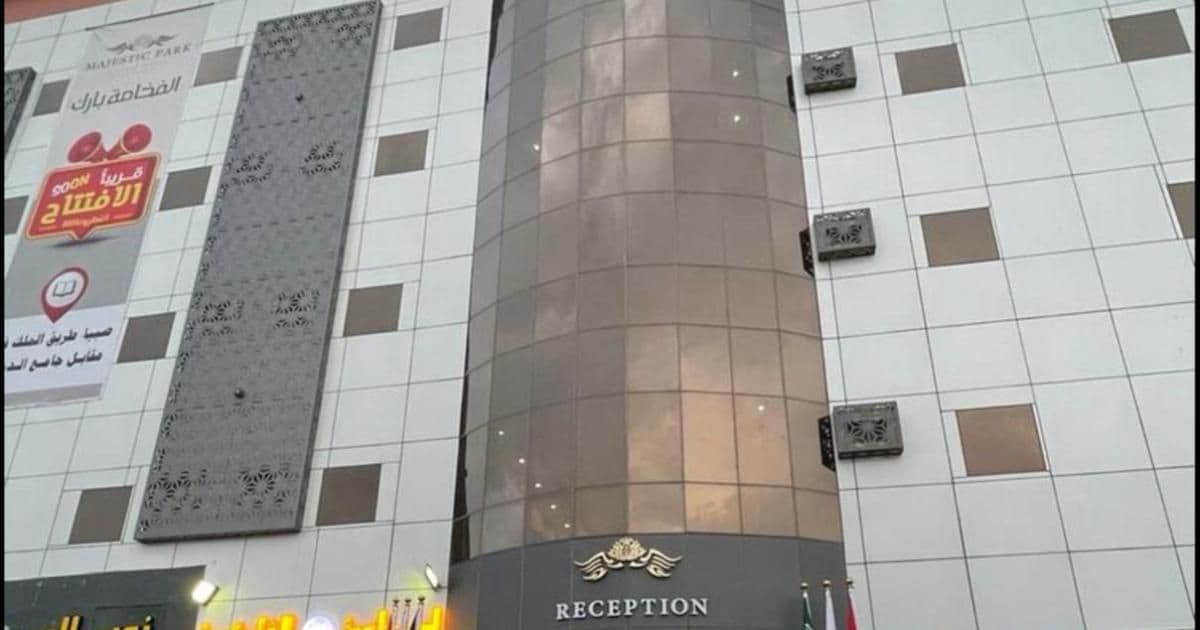
Here is the logistical hurdle: where do you cook? Most standard hotel rooms in Şabyā do not come equipped with full kitchens. You are likely staying in a guesthouse or a small hotel. If you are serious about this, you need to book accommodation that offers kitchen facilities or a shared kitchen space. This is a specific requirement. Do not assume you can use a microwave and a kettle to make a meal. You need a stove, a pot, and a cutting board.
If your accommodation lacks these, you have two options. First, look for a private villa or a larger guesthouse that might allow you to use their kitchen. Second, consider that the "class" is the process of sourcing and preparing, not necessarily the final plated dish in a fine-dining setting. The act of preparing a meal with local ingredients is the core of the experience. The physical environment of Şabyā is hot and humid, especially in the warmer months. Cooking in a small, poorly ventilated room can be a challenge. Plan your cooking times accordingly. Early morning or late evening are better windows than the midday heat.
What to Cook
Since there are no formal classes, you have to define the curriculum. The Jizan region’s food is centered around its agricultural strengths.
- Fruit-Based Dishes: Given the abundance of mangoes, figs, and plums, fruit is a primary ingredient. You can prepare fresh fruit salads, or use the fruits in desserts. The natural sweetness means you need very little added sugar.
- Coffee Preparation: Jizan coffee is a regional staple. Learning how to prepare it properly is a key part of the local culture. The ritual of brewing is as important as the beverage itself. The coffee is strong and often served with dates.
- Date-Based Baking: The date farms surrounding the area provide a constant supply of dates. These are used in various traditional sweets and baked goods. Learning to work with dates in a dough or as a filling is a practical skill you can pick up by observing local practices or using basic recipes adapted for local ingredients.
The food is simple, direct, and reliant on quality ingredients. There is no complex spice rub to memorize. The flavor comes from the produce itself. This is a different kind of culinary learning than what you might get in a Mediterranean or Asian cooking school. It is about appreciation and preparation of raw, high-quality ingredients.
Practical Logistics
Getting to Şabyā is straightforward if you are already in the region. The nearest airport is Jizan Regional Airport, located 3.5 kilometers from Jizan city. From there, it is a short drive of approximately 29 kilometers to Şabyā. There is no railway line serving Şabyā directly. The Saudi rail network does not extend to this specific coastal town. You will need to arrange a taxi or a rental car.
When planning your trip, consider the season. Şabyā is on the Red Sea coast, which means it is hot and humid for much of the year. The autumn and winter months (October to February) offer more comfortable temperatures for outdoor activities, including market visits and cooking. The summer months can be extremely hot, making outdoor cooking and market browsing less pleasant.
- Accommodation: Book a place with kitchen access. Specify this in your inquiry.
- Market Visits: Go early in the morning when the produce is freshest and the heat is lower.
- Ingredients: Buy in small quantities. The produce is fresh and perishable. Do not stock up for a week.
When to Go
The best time to visit Şabyā for a cooking-focused trip is during the cooler months. This allows you to spend time in the markets and in the kitchen without being overwhelmed by the heat.
- Founding Day Holiday (February 22, 2027): This is a national holiday in Saudi Arabia. Expect higher demand for accommodation and potentially busier markets. Book well in advance if you plan to visit around this date.
- Eid al-Fitr Holiday (Estimated March 9-14, 2027): This is a major religious holiday. Travel and tourism increase significantly. Prices for accommodation and flights will likely rise. If you want to avoid crowds, this is not the ideal time. If you do go, book everything as early as possible.
For a solo traveler or a small group, the quieter months outside of these holiday periods are preferable. You will have more space in the markets and easier access to accommodation with kitchen facilities. The experience is intimate and practical. It focuses on engaging with the local food system directly rather than on spectacle.
FAQ
Are there formal cooking classes in Şabyā? No, there are no verified, bookable cooking classes in Şabyā. The experience is self-directed. You source ingredients from local markets and prepare them in your accommodation.
How do I get to Şabyā? The nearest airport is Jizan Regional Airport, 3.5 km from Jizan city. From Jizan, it is a 29 km drive to Şabyā. There is no direct railway service to Şabyā.
What is the best food to try or cook? Focus on the region’s agricultural strengths: mangoes, figs, plums, papayas, and coffee. These are the staples of the Jizan region and are readily available in local markets.