Swap the highway for the river. Learn how to spend three days in Zambia's quiet border town without rushing toward the next destination.
The bus from Kasumbalesa Border Crossing to the town center takes twenty minutes if the road is clear, which it rarely is. You pay a small fare in Kwacha, sit on a hard plastic seat, and watch the landscape shift from the chaotic, dusty sprawl of the border zone to the greener, slower rhythm of Chililabombwe. This town sits at 1,360 meters above sea level in north-central Zambia, right on the edge of the Democratic Republic of the Congo. It is a place of roughly 130,000 people. For the slow traveler, this is a relief. There are no ticket queues for ancient ruins, no crowds jostling for a photo spot. There is just the river, the market, and the time to sit in a chair and watch the day go by.
The Border and the Beat
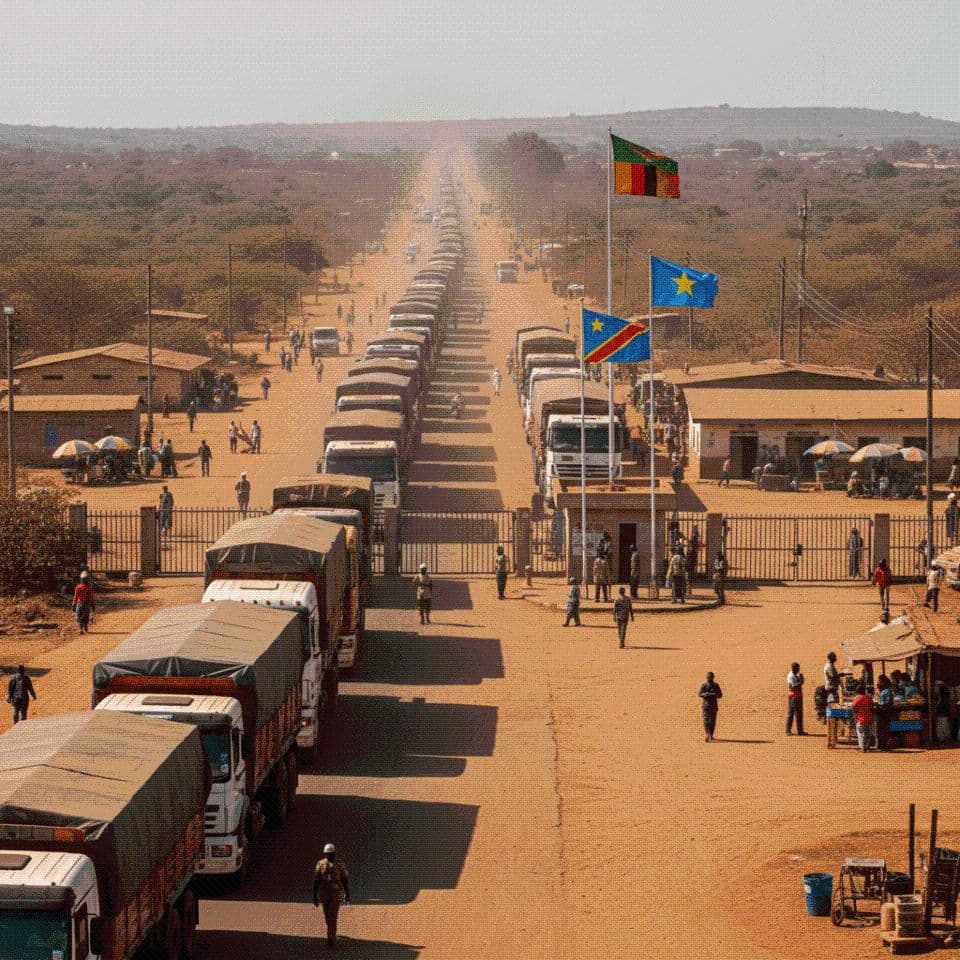
Kasumbalesa is the primary crossing between Zambia and the DRC, located about 17 kilometers south of the town. If you are arriving from the DRC side, this is your gateway. The border area is a sensory overload: trucks, porters, currency exchange stalls, and the constant hum of commerce. But once you cross into the Zambian side and head north, the noise drops. The road winds through low hills and river valleys.
For a slow traveler, the border is a starting point, not a destination. Do not rush through it. Spend an hour in the exchange lines to get a feel for the currency flow. Talk to the drivers. The logistics of moving goods between two large African nations happen here, and watching it is a masterclass in regional trade. The air is dry in the autumn months, and the dust from the unpaved sections of the road settles on everything. It is gritty, real, and unpolished.
Living at 1,360 Meters
Chililabombwe sits at an elevation of 4,459 feet. This altitude matters. It keeps the temperatures moderate, avoiding the extreme heat found in the lowlands to the south. In the autumn, the days are warm but not scorching, and the nights cool down significantly. You will need a light jacket for the evenings. The town spreads out along the river, with residential areas climbing the gentle slopes.
There are no confirmed major landmarks to check off a list. Instead, the "attraction" is the geography itself. The river landscape is the constant backdrop. You can walk along the banks, watch the water move, and see the daily life of the town unfolding. It is a place where the pace is dictated by the sun, not the itinerary. The population is dense enough to feel like a city, but the infrastructure is still developing, which means there is space to breathe. You are not fighting for elbow room in a café. You are finding a spot on a bench and staying there.
Food and Market Rhythms
There are no specific named restaurants or unique local dishes confirmed in the available records for this town. This is not a culinary destination in the traditional sense. You will eat what is available: local staples, grilled meats, and simple preparations. The market area is the heart of the town. It is where you go to buy food, not just to browse. The vendors sell fresh produce, spices, and prepared meals.
If you are staying in a guesthouse, ask the owner where they buy their ingredients. That is your best guide to eating well. The food is honest and functional. It focuses on sustenance and flavor. You might find a local staple dish that varies by household, or a regional preparation that reflects the mix of cultures in the area. Do not expect a menu with descriptions. Expect to point, smile, and eat. The taste is often better when the expectations are lower.
Practical Logistics
Getting around Chililabombwe is simple. The town is compact. You can walk to most parts of the center. For longer distances, such as the trip to the border, you will use local minibuses or taxis. Fares are negotiated or fixed at a low rate. Always agree on the price before you get in. Cash is king. The Kwacha is the currency, and while you can find exchange points at the border, it is better to change smaller amounts as you go.
There is no confirmed railway station serving the town directly. Do not plan on train travel. Your legs and local vehicles are your transport. The roads can be rough, especially after rain. If you are renting a car, be prepared for potholes and dust. If you are walking, wear sturdy shoes. The elevation makes the air crisp, but the ground can be uneven. Plan your days around the local rhythm. Shops open in the morning and close in the late afternoon. The evening is for resting, not for sightseeing.
When to Go
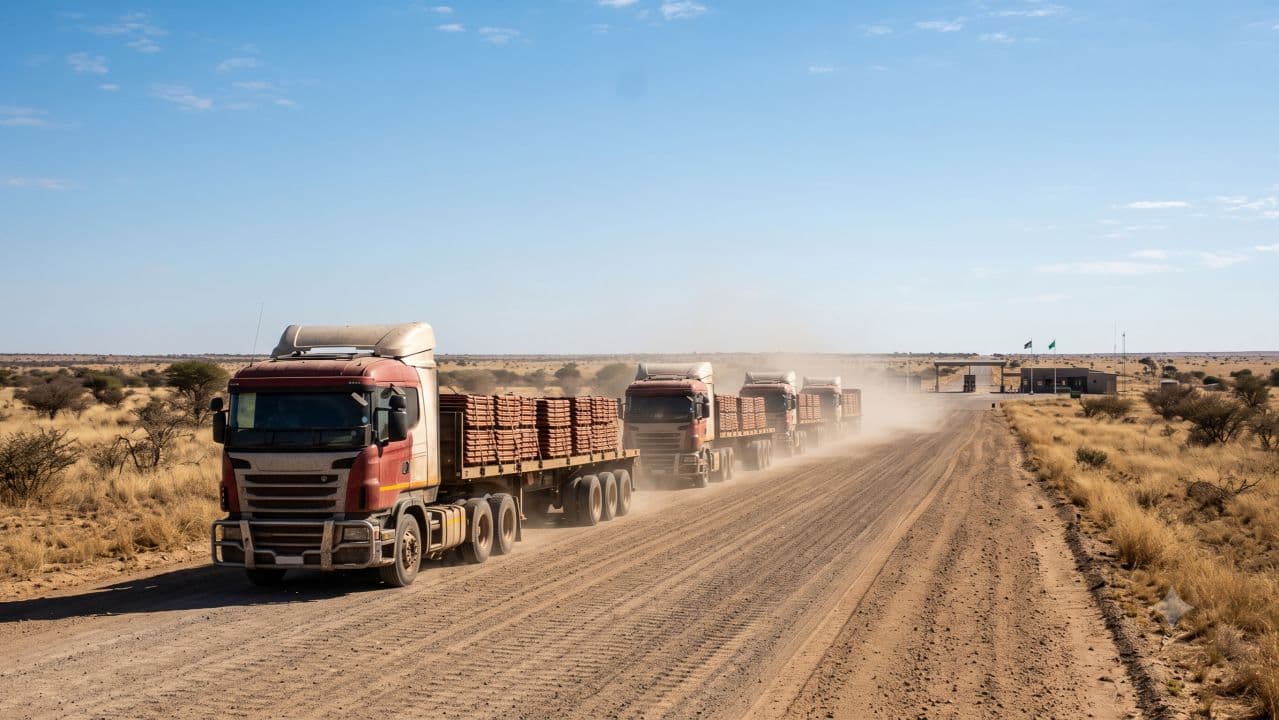
The best time to visit is during the dry season, which includes the autumn months. The weather is stable, and the roads are more passable. However, you need to be aware of upcoming holidays. Independence Day is on October 24 every year. Expect higher demand for accommodation and potential crowding at the border crossing around this date. If you are traveling this week, book your lodging immediately. Prices will surge, and availability will drop.
After Independence Day, the town returns to its normal pace. Christmas Day is on December 25, and New Year's Day on January 1. These are major holidays in Zambia. If you are visiting in late December, expect the town to be lively, with families gathering and celebrations in the streets. It is a good time to experience the local culture, but it is not a time for solitude. For a true slow travel experience, aim for the weeks between these major dates. You will have the town to yourself.
Frequently Asked Questions
Do I need a visa to enter Zambia from the DRC? Visa requirements depend on your nationality. Many travelers can obtain a visa on arrival at the border, but rules change. Check the latest regulations with the Zambian embassy or consulate before you travel. Having a printed copy of your itinerary and proof of onward travel can speed up the process.
Is it safe to walk around the town center? As with any urban area, use common sense. The town is generally safe, but avoid walking alone at night in poorly lit areas. Keep your valuables secure. The border area can be more chaotic, so stay aware of your surroundings. Engaging with locals is usually positive, but always be respectful of their space and time.
How much money should I bring? Bring enough cash for your stay. Credit cards are not widely accepted outside of larger hotels or shops. Exchange some money at the border, but keep smaller bills for daily expenses. Prices for food and local transport are low, but you will need a buffer for unexpected costs. The cost of living is significantly lower than in Western countries, so your money will go further.