Skip the crowded Seoul crowds. Gwangyang offers a low-impact route through tea fields, coastal bays, and industrial heritage, accessible by conventional rail.
The Green Tea Fields: A Low-Impact Start
Most travelers in South Korea chase the neon of Seoul or the palaces of Gyeongju. Gwangyang-si, tucked into the Jeolla Nam-do province, asks for a different kind of attention. It is a city defined by two contrasting forces: the massive, smoke-stained presence of the Gwangyang Steelworks, the largest integrated steel mill in the country, and the quiet, rolling green of the Gwangyang Green Tea Fields. For the eco-traveler, the tea fields are the anchor.
Tea cultivation here functions as an activity rather than a mere backdrop. Visitors can participate in tea picking, a tactile experience that connects you to the soil and the season. In autumn, the fields are less manicured than in spring, offering a more honest look at the agricultural cycle. The air smells of damp earth and leafy stems, a sharp contrast to the metallic tang that drifts from the industrial zone nearby. You can also join a traditional tea ceremony, where the focus is on patience and the precise temperature of the water. It is a slow practice in a city that otherwise moves with industrial speed. The fields are a genuine local draw, certified for their quality, and visiting them directly supports the local agricultural economy rather than a large-scale tourism operation.
Steel, Sea, and the Haevichi View
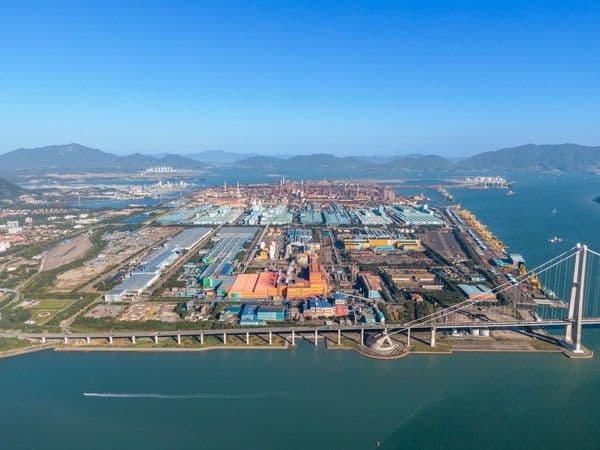
To understand Gwangyang, you must see the juxtaposition. Drive or take a local bus to the Haevichi Road, a gateway landmark that offers panoramic views of the city. From this overlook, the Gwangyang Bay Bridge stretches across the water, a modern structure connecting the industrial and residential zones. Below, Gwangyang Bay shimmers, a coastal bay that serves as both a scenic break and a working harbor.
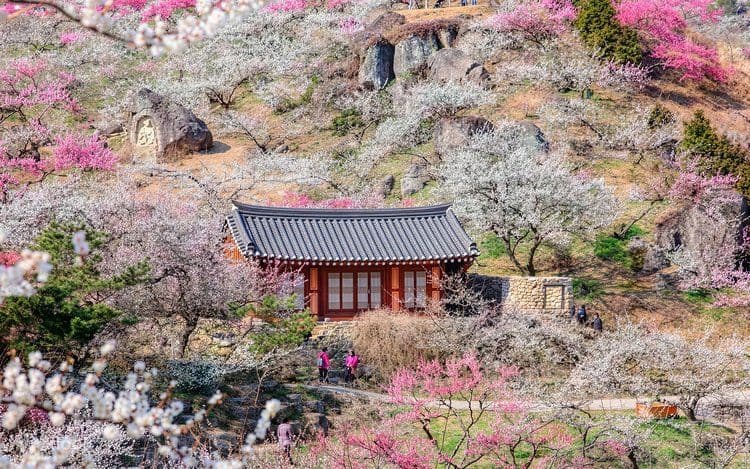
The Gwangyang Steelworks dominates the skyline as the economic engine of the region. Seeing it is part of the eco-travel narrative here: it is a reminder of the industrial footprint that supports the city, and the environmental challenges that come with it. The contrast is stark. One side of the city is green and agricultural; the other is gray and heavy. This duality makes Gwangyang interesting. It presents a real place where industry and nature coexist, sometimes uncomfortably. The Yeulmaru Gardens and Observatory provide a neutral ground, a scenic park with a traditional Korean pavilion where you can sit and watch the bay, letting the visual tension settle.
Eating for the Land: Braised Chicken and Fermented Goods
Food in Gwangyang is a direct reflection of its geography. The city is famous for its Gwangyang Jjimdak, a braised chicken dish that is a staple of the local dining scene. The meat is simmered in a savory sauce with vegetables and served over rice. It is a communal meal, best shared with a few people, and the aroma from the stews is a sensory marker of the local food culture.
Beyond the chicken, the city’s culinary identity is rooted in fermentation. Gwangyang Doenjang (soybean paste) and Gwangyang Ganjang (soy sauce) are traditional local products, certified for export. These items represent the result of a long, slow process that ties the city to its agricultural past. You can find these in local markets or specialty shops. For seafood, head to the restaurants near Gwangyang Port. The harbor is where local catch comes in, and the menus reflect that freshness. Expect to pay a fair price for quality, but the ingredients are local, reducing the food miles associated with imported produce.
Getting There: The Rail Connection
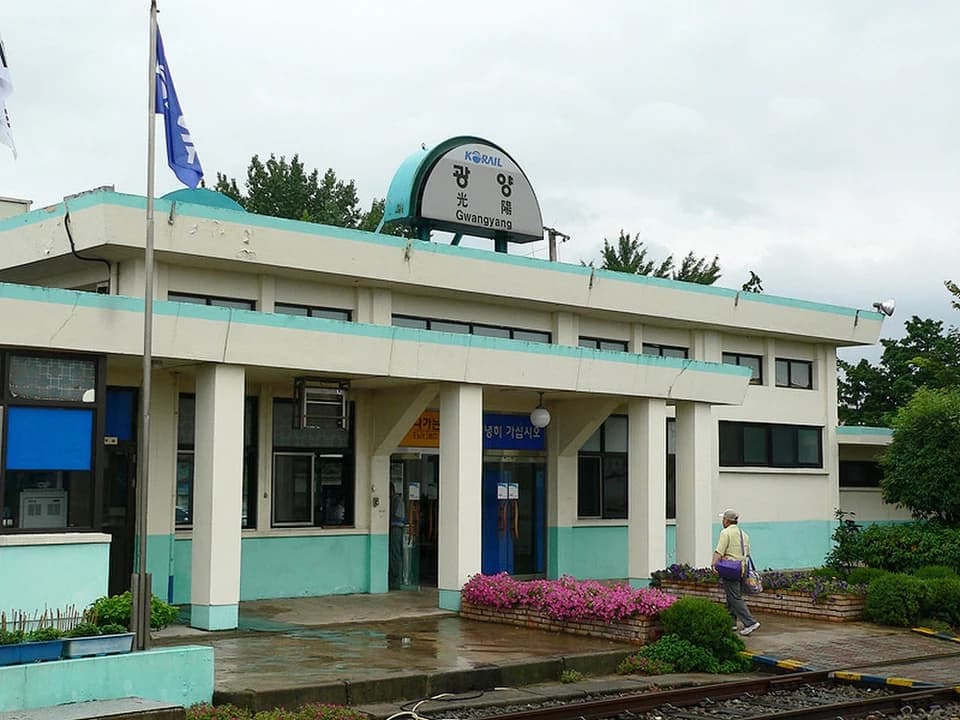
Gwangyang is a stop on the Gyeongbu Line, which serves as a major artery for both conventional and high-speed rail. You can take the KTX directly into Gwangyang Station, making it a convenient stop for those traveling between Seoul and Busan. Alternatively, conventional trains operated by KORAIL also serve the station, allowing for a slower-paced journey if you prefer to take in the rural Jeolla landscape.
Most travelers will find it easiest to take the KTX directly to Gwangyang Station. The journey is efficient, and the station is well-connected to the city center. This direct access makes the city more accessible than some of its neighbors, yet it remains less saturated with day-trippers than major hubs like Busan or Daegu. The trains are reliable, clean, and offer a view of the changing landscape as you approach. Conventional rail in South Korea is generally affordable and efficient, making it a solid choice for eco-conscious travelers who want to minimize their carbon footprint.
When to Go and Who It’s For
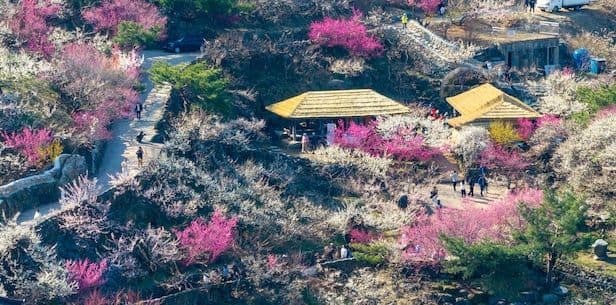
The best time to visit Gwangyang is spring, when the cherry blossom roads are in full bloom and the tea fields are at their most vibrant. However, autumn offers a quieter, more reflective experience. The light is softer, the crowds are thinner, and the tea fields are still green but less busy. If you are planning a trip, avoid the peak cherry blossom season if you prefer solitude.
The upcoming holidays include Christmas Day (2026-12-25) and New Year's Day (2027-01-01). These are minor holidays in Korea, so you should not expect major closures or extreme crowds. The Korean New Year (Seollal) in February 2027 is a major holiday, with a four-day break from February 6 to 9. If you visit during this time, expect higher prices and more domestic tourists.
Gwangyang is best for solo travelers, couples, and those interested in slow travel. It is ideal for those who want to disconnect from the digital noise and engage with the land. Stay for two to three days to fully experience the tea fields, the port, and the rail journey.
Practical FAQ
Do I need a visa for Gwangyang? Visa requirements depend on your nationality. Most travelers from the US, Canada, Australia, and EU countries do not need a visa for short stays in South Korea. Always check the latest regulations before booking.
How do I get to Gwangyang by train? You can take a KTX directly to Gwangyang Station from Seoul or Busan. The Gyeongbu Line also offers conventional train services. This is the most eco-friendly way to reach the city.
Is Gwangyang safe for solo travelers? Yes. South Korea is generally very safe, and Gwangyang is no exception. The city is quiet, and crime rates are low. As with any destination, be aware of your surroundings, especially at night.