Spring in Dakar, Senegal, is less about blooming flowers and more about vibrant markets, rhythmic drumbeats, and the unmistakable scent of grilled fish wafting from seaside stalls. As the capital of Senegal and a cultural powerhouse of West Africa, Dakar offers travelers a dynamic blend of history, art, and coastal charm — all under a warm, sun-drenched sky perfect for exploring. Whether you’re here for the upcoming 2026 Summer Youth Olympics or just to soak in the local rhythm, Dakar promises an experience that’s equal parts soul-stirring and stomach-satisfying.
Why Dakar in Spring? The Weather & Vibe
Spring in Dakar (roughly March to May) means temperatures hovering around 25–30°C (77–86°F), with low humidity and gentle sea breezes — ideal for walking, biking, or simply people-watching along the corniche. The harmattan wind has usually subsided by March, making outdoor exploration much more pleasant. Plus, the city buzzes with energy during this season: festivals, street art exhibitions, and cultural events are in full swing. And yes, while the 2026 Summer Youth Olympics aren’t until July, spring is the perfect time to scout venues and get a head start on your itinerary.
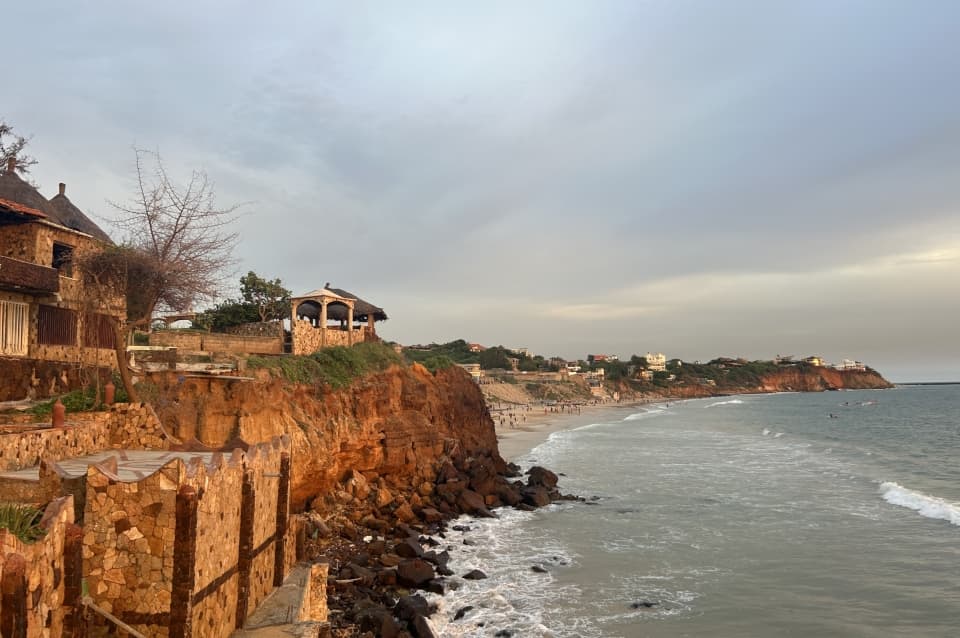
Must-See Attractions: From Museums to Markets
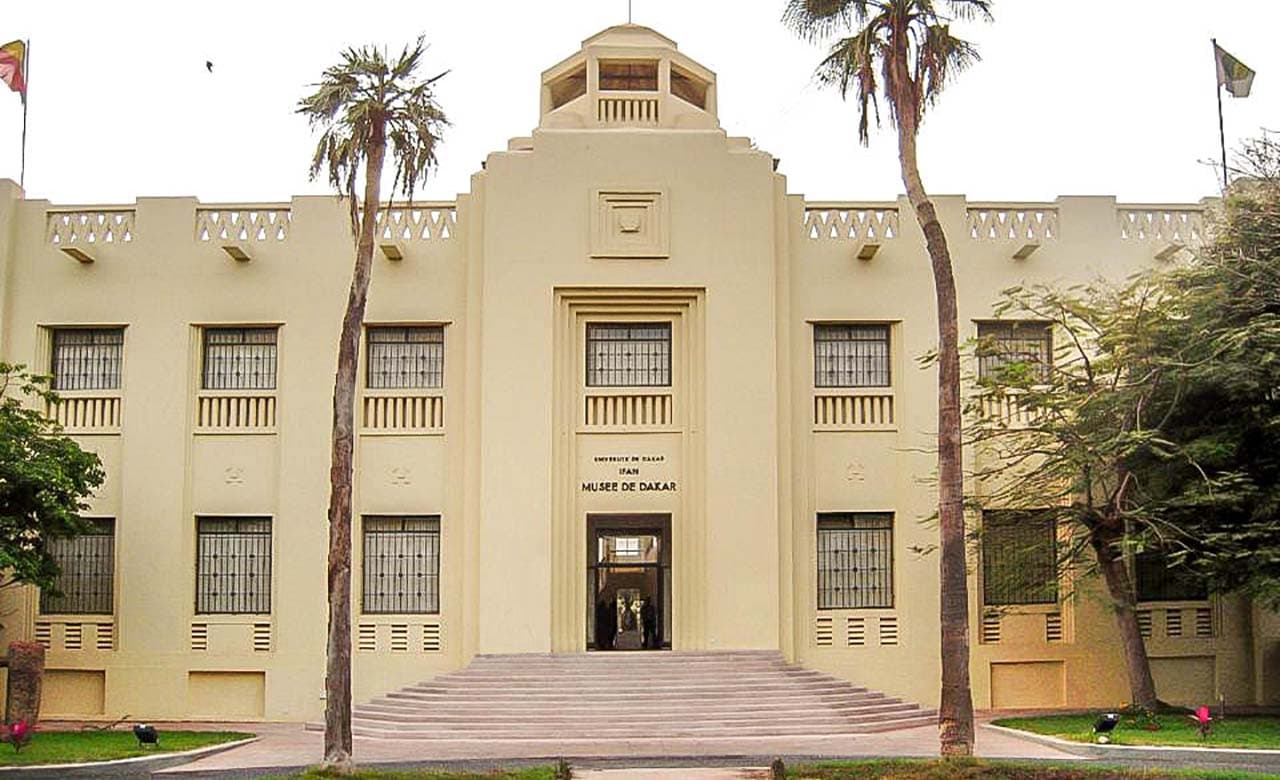
Dakar isn’t short on attractions that blend education with entertainment. Start at the Musée Théodore Monod d’Art Africain, where you’ll find an impressive collection of African art spanning centuries. It’s not just a museum — it’s a conversation starter about identity, tradition, and modernity. Nearby, don’t miss the Grand Mosque of Dakar, a stunning example of Islamic architecture that draws both worshippers and tourists alike.
For something more lively, head to Marché Sandaga, the city’s bustling central market. Navigate through aisles of colorful fabrics, spices, handcrafted jewelry, and fresh produce — and maybe even score a bargain on a traditional boubou. Just remember: haggling is expected, but always keep it friendly!
Food That Feeds Your Soul (and Stomach)
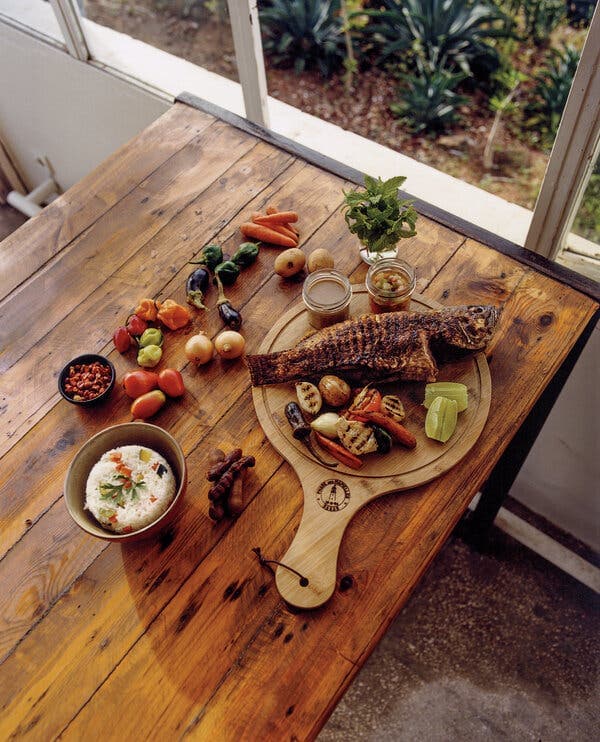
Ah, the cuisine. Senegalese food is a flavor explosion — think rich stews, fragrant rice dishes, and seafood cooked over open flames. Don’t leave without trying thieboudienne, often called “Senegal’s national dish.” It’s a delicious mix of fish, tomatoes, onions, carrots, and rice — served with a side of pride. For a quick bite, grab some sakot (spicy grilled meat skewers) or bissap (a refreshing hibiscus drink) from a roadside vendor.
If you’re feeling fancy, book a table at La Maison de la Gastronomie, where chefs fuse traditional recipes with modern flair. And if you’re adventurous, try bouye — a spicy peanut stew — though fair warning: it’s not for the faint of heart.
Getting Around: How to Navigate Dakar Like a Pro
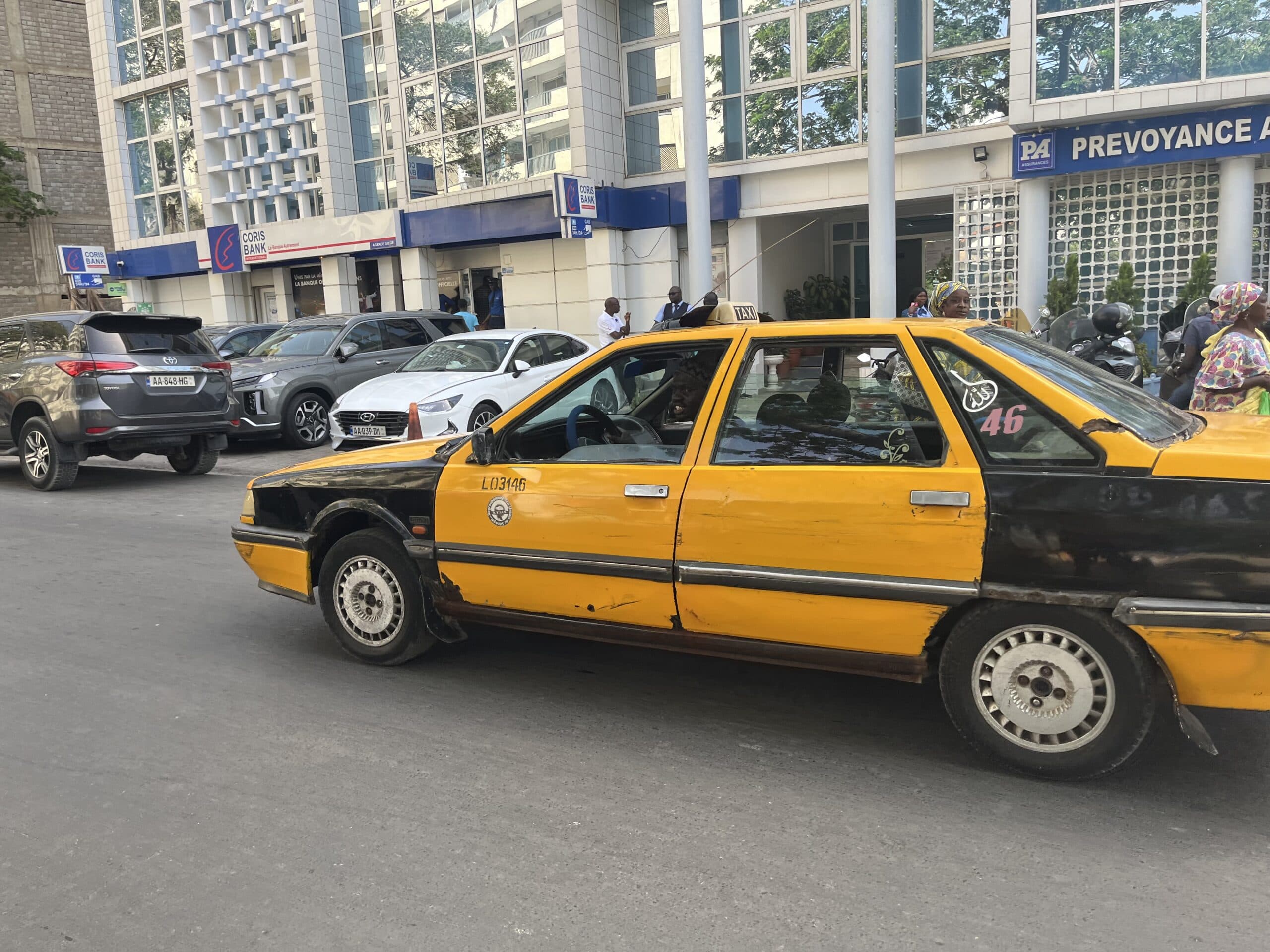
Dakar’s public transport system includes buses (called grand taxis), minibuses (petits taxis), and a growing network of ride-sharing apps like Bolt and Uber. While convenient, traffic can be chaotic — especially during rush hour. Renting a scooter or bicycle is a fun alternative for short trips along the coast.
For longer distances or if you’re traveling with luggage, consider hiring a private driver or using an app-based taxi service. Safety tip: always confirm your destination before getting into any vehicle — and keep valuables out of sight.
Cultural Immersion: More Than Just Sightseeing
Dakar thrives on culture. Check out Le Square, an open-air venue hosting live music performances from griots (traditional storytellers) to modern Afrobeat bands. Or visit Cité des Arts, where local artists showcase everything from painting to sculpture to performance art.
And if you’re into photography or urban exploration, walk through neighborhoods like Fann or Almadies — where murals cover entire buildings and life unfolds in colorful chaos. Just be respectful: ask permission before photographing locals.

Final Tips for Your Dakar Spring Getaway
- Pack light, breathable clothing — sunscreen is non-negotiable.
- Learn a few basic phrases in Wolof (“Salaam” = hello; “Nii naal” = thank you).
- Stay hydrated — bottled water is widely available.
- Carry small denominations for markets and street vendors.
- Consider visiting during local festivals like FESPACO (Pan-African Film Festival) or Carnaval de Dakar for extra flair.
Dakar might not be on everyone’s bucket list — yet — but trust us: it should be. With its vibrant arts scene, mouthwatering food, and warm hospitality, this West African gem offers a travel experience unlike any other. So pack your bags, grab your camera, and get ready to fall in love with the rhythm of Dakar — one drumbeat at a time.