Frame the central plateau’s remoteness. Dubreuil, Mauritius, offers uncluttered light, rural textures, and a distinct lack of visual noise for serious photographers.
The distance from the nearest coastline is the first metric to consider. Dubreuil sits on the central plateau of Mauritius, in Moka District, and is frequently cited as the island’s most remote village. With a population hovering around 2,726, the settlement is defined by what it lacks: traffic, high-rise structures, and the dense commercial signage that plagues the coastal corridors. For a photographer, this absence is the primary asset. The light here is different. Higher elevation means cleaner air, sharper contrast, and a quality of shadow that coastal humidity often diffuses. You are coming here for the texture of the interior, not the postcard of a beach.
The Goshala and Rural Textures
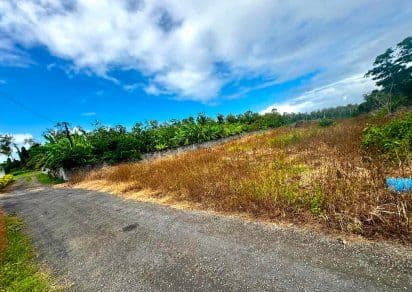
The most specific photographic anchor in Dubreuil is the local Goshala, a cow shelter. While often treated as a minor footnote in travel guides, it provides a controlled environment for capturing livestock behavior without the chaos of a free-range field. The cattle here are a constant presence, offering static compositions against the backdrop of the village’s modest architecture. The red earth and the grey of the concrete form a limited palette that is easy to manage in post-production.
Beyond the shelter, the village itself offers a study in rural Mauritian life. The streets are narrow, paved, and quiet. The neighboring settlements of Vuillemin and Melrose are close enough to extend a walking session but far enough to maintain the sense of isolation. The visual rhythm here is slow. There are no pedestrians rushing to catch a bus. The light changes gradually as the sun moves across the open plateau. This is a location where patience yields results. You watch the shadows lengthen across the dirt roads. You wait for the wind to move the vegetation. The composition is often about negative space—the vast, empty sky above the low-lying structures.
Lighting and Atmospheric Conditions
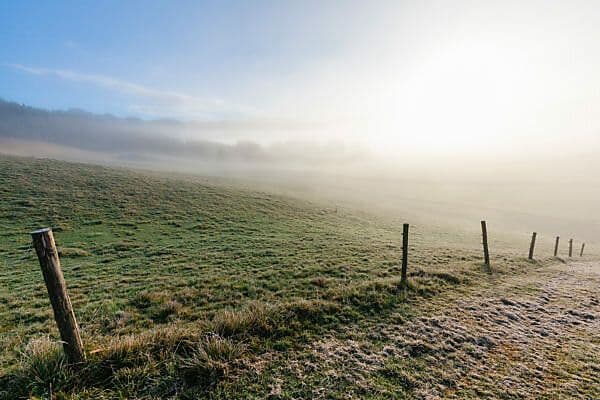
Mauritius operates on UTC+04:00. In October, the island is entering its spring season, but the weather patterns can be variable. The central plateau experiences cooler temperatures than the coast, which affects the quality of the light. Morning mist is a common occurrence, adding a layer of diffusion that can soften harsh edges. The mist functions as a tool rather than a flaw. For landscape photography, the mist provides depth cues that a clear day might lack.
The elevation places Dubreuil in a zone where cloud formations are visible from below rather than above. This offers unique opportunities for sky photography. The contrast between the dark, saturated greens of the sugarcane fields and the bright, often overcast sky creates a high-contrast scenario. You need to expose for the highlights and recover the shadows in post. The light is rarely direct and hard. It is usually scattered, creating a softbox effect over the entire village. This is ideal for portrait work, provided you can find a subject willing to pose. The local artisans and residents are generally unbothered by cameras, but a nod of respect is the standard currency for access.
Access and Logistics
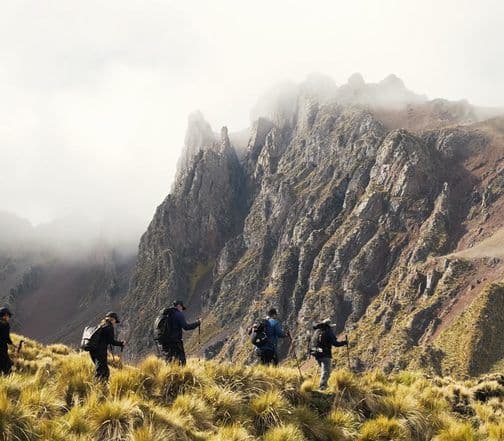
There is no rail service to Dubreuil. The village is served by local roads and bus lines, but specific route numbers and schedules are not consistently published in English for this remote area. The most reliable method of arrival is by private car or a hired taxi from the main coastal towns. The drive from Port Louis involves navigating the winding roads of the central plateau. The journey itself is part of the experience, with views shifting from urban density to rural sparseness.
Once in the village, walking is the primary mode of transport. The area is compact. You do not need a vehicle to move between the Goshala, the village center, and the surrounding fields. Parking is not an issue, as there is ample space along the main road. However, you should be aware that the roads can be slippery after rain. The local infrastructure is functional but basic. Do not expect paved paths everywhere. The dirt tracks leading to the fields are unpaved and can be uneven. Wear footwear that can handle mud and gravel.
Practical Considerations for the Photographer
The local food scene in Dubreuil is not defined by specific named dishes in English-language guides. However, a local artisans tour with a traditional lunch is offered in the area, which can provide a cultural break and a chance to observe local dining practices. The meal is likely to feature regional staples, but the focus here is on the environment rather than the plate.
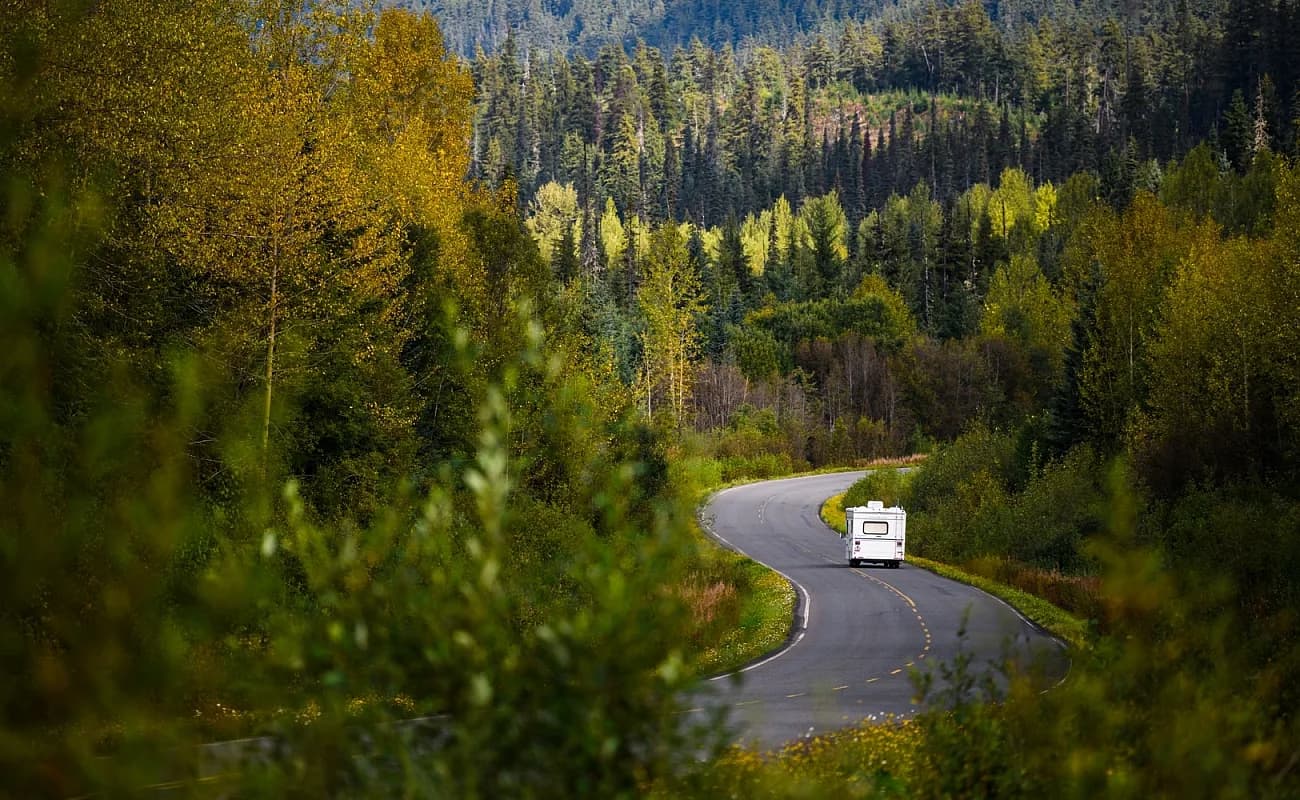
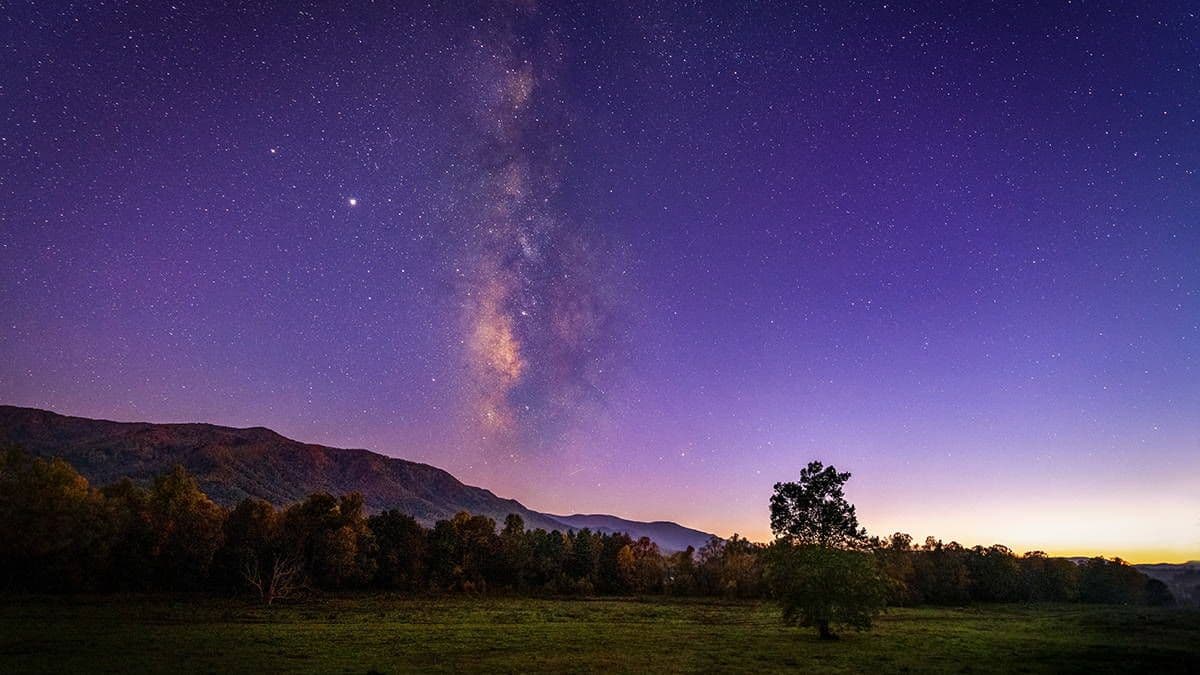
When it comes to gear, a wide-angle lens is essential for capturing the scale of the plateau. A 24mm or 35mm focal length will allow you to encompass the village and the surrounding landscape without excessive distortion. A tripod is recommended for low-light situations, particularly in the early morning or late afternoon. The lack of light pollution means that star photography is also a viable option, provided the weather is clear. The remoteness of Dubreuil makes it one of the few places on the island where the night sky is truly unobstructed by artificial light.
When to Go and Who It Is For
October is a transitional month. The rains are beginning to taper off, but the humidity is still present. This is a good time for photography because the greenery is lush, but the skies are not always overcast. The period from May to September is the dry season, which offers clearer skies and cooler temperatures. However, the vegetation is less vibrant. For a photographer, the trade-off is between color saturation and atmospheric clarity.
This destination serves the serious photographer who values composition, light, and texture. It is less suitable for the casual tourist looking for a quick selfie. While luxury accommodations exist elsewhere on the island, the value in Dubreuil lies in the repetition of light and the subtle changes in the environment. The stay in Dubreuil itself is best kept short. One or two days is sufficient to capture the key elements. The village does not have a high density of attractions.
FAQ
Is Dubreuil safe for solo travelers? Yes. The village is small and quiet. Crime rates are low. The primary risk is getting lost in the surrounding rural areas if you venture off the main road without a map or GPS.
What is the best time of day for photography? Early morning and late afternoon. The light is softest during these periods. The midday sun is harsh and creates deep shadows that are difficult to manage.
Can I find a place to stay in Dubreuil? Accommodation in the village itself is limited. Most travelers stay in nearby districts or return to coastal hubs for lodging. Local guesthouses may be available, but they are not widely advertised online.