A 70 km drive from Harare leads to Marondera, where cool dry air and simple routines define the Mashonaland East city break.
The distance between Harare and Marondera is approximately 70 kilometers. In a vehicle, that stretch of the Harare–Mutare Road takes roughly an hour and twenty-five minutes. It is a single lane of asphalt that separates the capital’s density from the open, rolling hills of Mashonaland East. For a city break, this brevity is the defining feature. You do not spend the trip in transit. You arrive. The air here, particularly between May and August, holds a temperature between 7 and 22 degrees Celsius. It is cool enough to require a layer at dawn, yet clear enough to see the horizon without haze. This is a place that does not ask for your attention; it waits for you to stop.
The Rules of the Road
The Harare–Mutare Road is the primary artery into Marondera District. It is a functional route, distinct from a scenic byway, but it carries the weight of the region’s movement. Local reports frequently reference railway crossings along this corridor, where goods trains intersect with road traffic. This creates a specific rhythm to the drive. You slow. You watch the rails. You proceed. There is a mechanical inevitability to it. The road is well-paved for the most part, though the landscape shifts from urban fringe to agricultural land quickly. Marondera itself sits at an elevation that gives it a slightly cooler climate than the low-lying areas further east. The drive is direct. There are no detours required unless you choose to make them. The town center is accessible without navigating complex traffic grids. It is a linear approach. You come down the road, and you are in the district.
Where to Stay
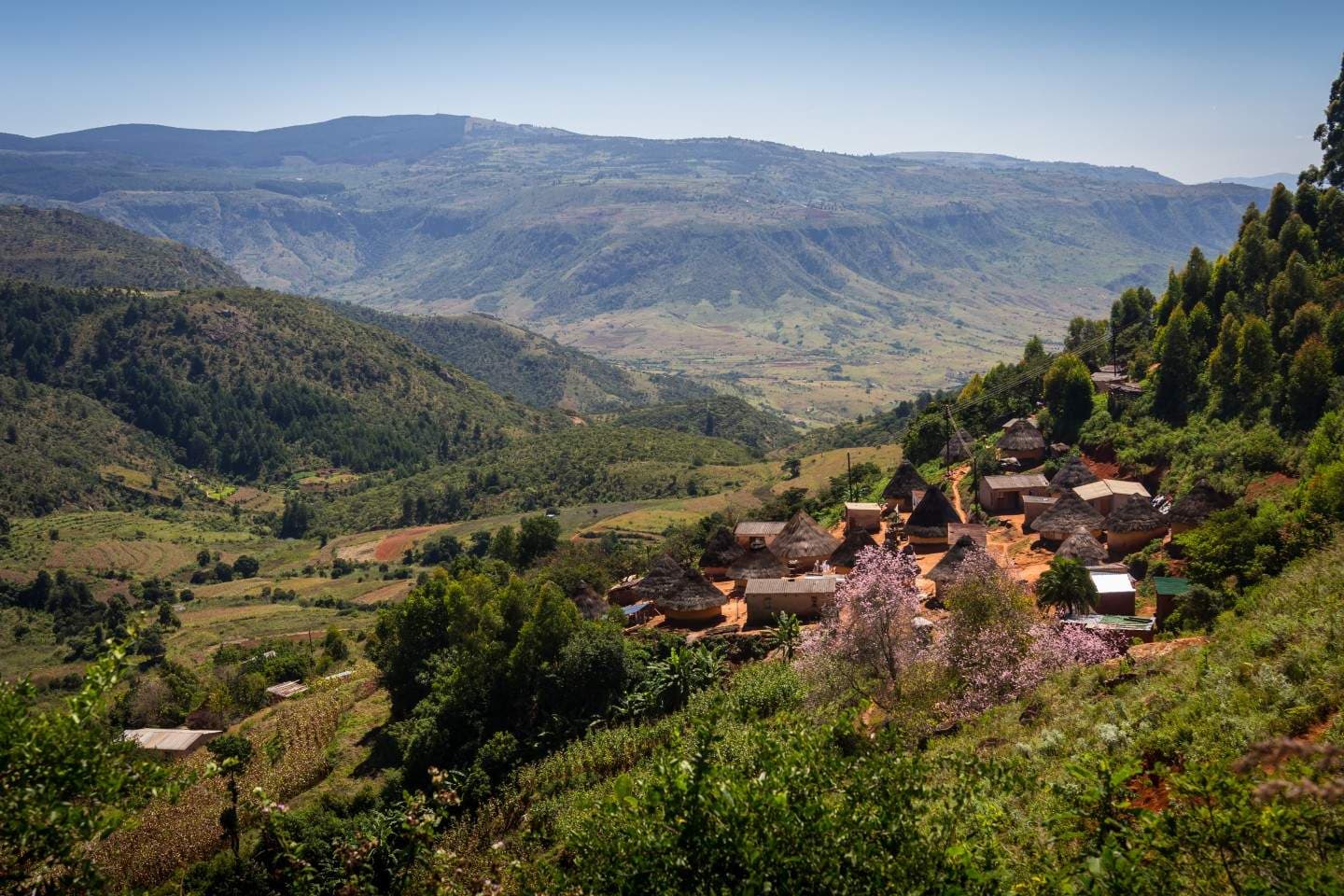
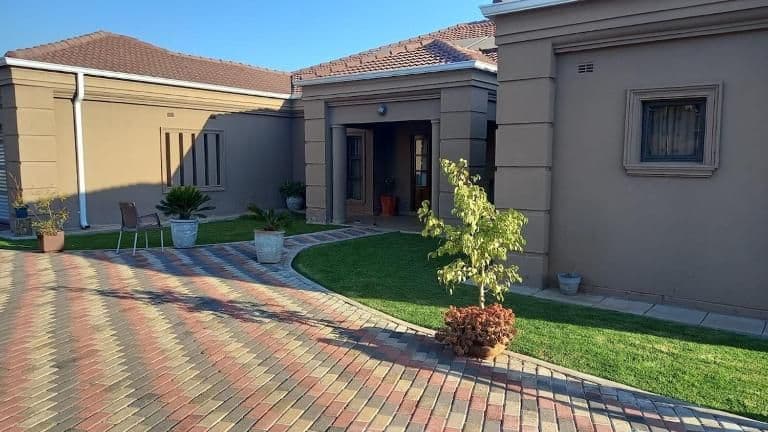
Accommodation in Marondera is sparse compared to Harare or Mutare. The options lean toward functional lodging rather than luxury resorts. If you seek a stay that integrates with the local landscape, the Malwatte Village area is referenced as a resort or village-style destination. This suggests a setting away from the immediate town center, offering space and quiet. For those preferring proximity to the town’s core, guesthouses operate near the main road. Prices for standard rooms in this region typically range from $30 to $60 USD per night, though this fluctuates with exchange rates and season. There is no need to book far in advance for standard lodging unless you are traveling during a specific holiday peak. The choice here concerns proximity to the quiet. You are choosing a holding space where the noise of the capital has faded.
The Table: Sadza and Grilled Chicken
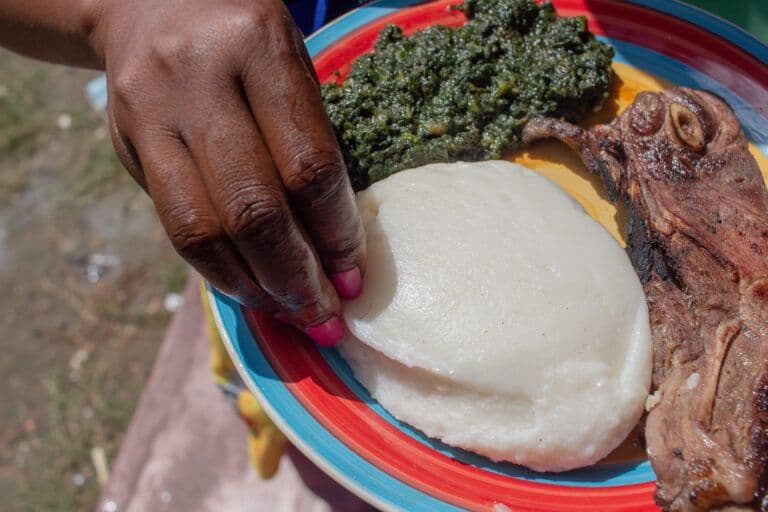
Food in Marondera is anchored by the national staple: sadza. This thick maize porridge serves as the base of every meal. It functions as the canvas for the plate. In local restaurants, you will find it served alongside grilled chicken, a common preparation in the region involving marinating and grilling the bird. The flavor is smoky, seasoned with local spices, and paired with the neutral density of the sadza. The meal is simple. It is heavy. It is satisfying. Beyond the standard fare, the region has a connection to agricultural innovation. Marondera University of Agricultural Sciences & Technology has highlighted edible insects as part of the regional culinary tradition. These delicacies represent a practical, sustainable food source that has existed for centuries. You may find these items in local markets or specific eateries, though they are not the default option for a first-time visitor. The dining experience here is unpretentious. You eat what the land provides.
The Stillness of the District
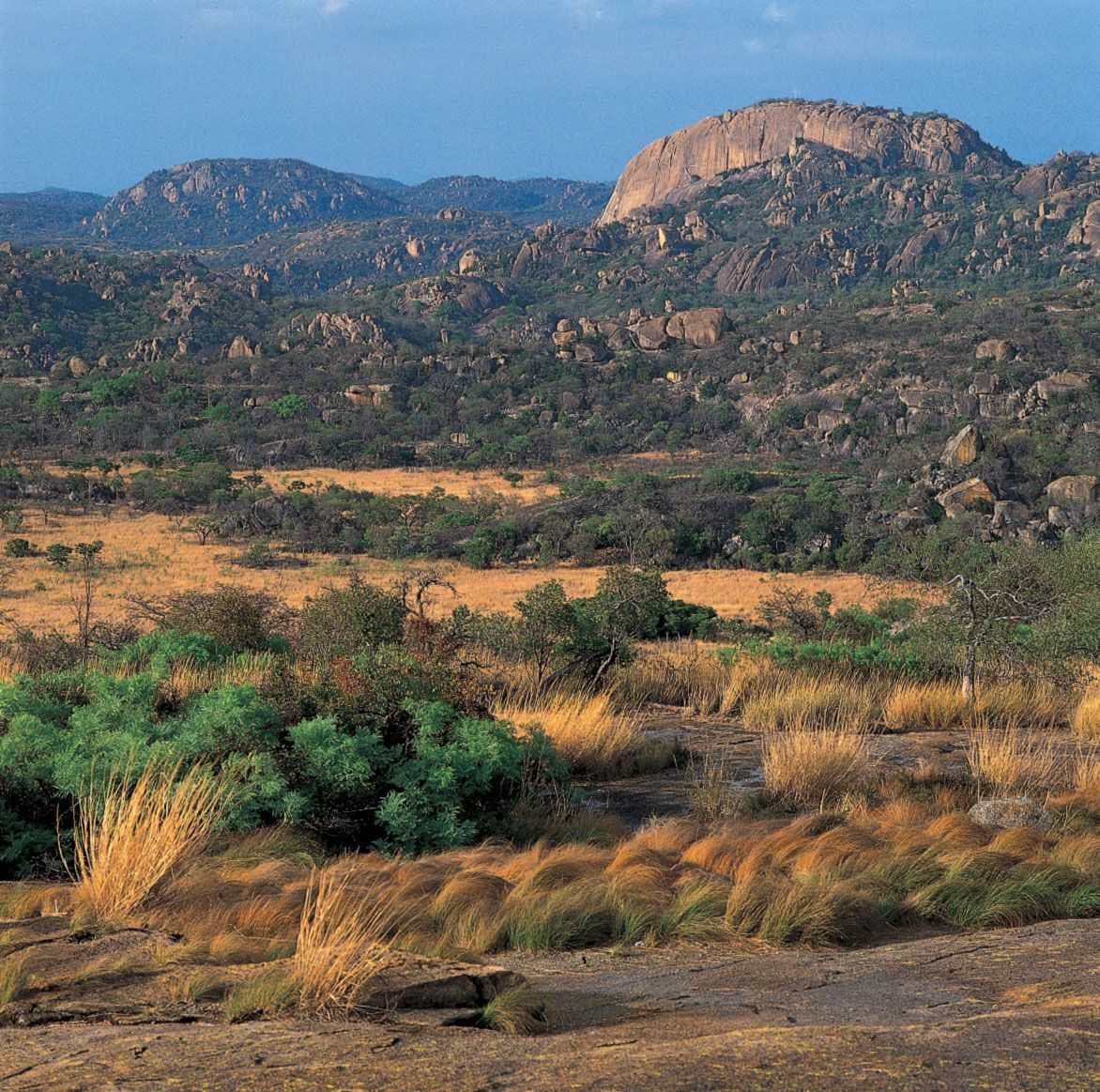
The district itself offers a different kind of landmark: the landscape. Marondera sits in a valley surrounded by hills, creating a natural enclosure that dampens sound and slows time. This geographic reality is the primary site of reflection for the traveler. The area is a place of memory and observation, where the history of the region’s moral and spiritual struggles is kept in the quietude of the terrain. Visiting here requires a shift in pace. You move slowly. You observe. The silence is active. It presses against you. It does not explain itself. It waits for you to sit in the stillness. For a city break, this offers a contrast to the road and the market. It is a pause in the narrative. The air here feels different. It is still, carrying the weight of the open horizon rather than the clutter of built structures.
When to Go and Who It Is For
The best time to visit Marondera District is during the cool, dry months from May to August. The air is clear, and the temperatures are manageable. The alternative windows are mid-April to early May and late August to late October. The wet season brings lush greenery, but also humidity and potential road disruptions. The next major holiday in the region is Unity Day, observed on December 22, 2026. This is followed by Christmas Day on December 25 and Boxing Day on December 26. These dates will see an increase in travel and demand for lodging. If you prefer solitude, avoid the December window. This destination suits solo travelers and those who prefer slow travel. It is designed for those who want to sit with the landscape. A stay of two to three days is sufficient. There is limited infrastructure to support a longer week unless you are working remotely or conducting research.
Practical Questions
Do I need a visa to enter Zimbabwe? Visa requirements depend on your nationality. Many countries have visa-free or visa-on-arrival agreements with Zimbabwe. Check the latest regulations before travel.
How do I get around Marondera? Taxis and local transport are available, but for short distances, walking is feasible in the town center. For trips to outlying areas or villages, arranging a private car or taxi is recommended.
Is it safe to visit? Marondera is generally safe for tourists. Standard precautions apply. Keep valuables secure and be aware of your surroundings, particularly on the roads where railway crossings occur.