Mengomeyén has no theme parks. It is a small town near the new capital, best known for its airport and construction sites.
The most common search result for "Mengomeyén theme parks" is a blank page. If you are planning a trip to this small settlement in Wele-Nzas province, mainland Equatorial Guinea, you will not find roller coasters, water slides, or character meet-and-greets. The town is a stub on most maps, described in Wikipedia as a minor location rather than a tourist hub. The primary anchor here is President Obiang Nguema International Airport, inaugurated in 2012, which serves as the main air gateway to this part of the country. Instead of manufactured thrills, the local experience is defined by the ongoing construction of Ciudad de la Paz, the country's planned future capital, located approximately 20 kilometers away.
The Reality on the Ground
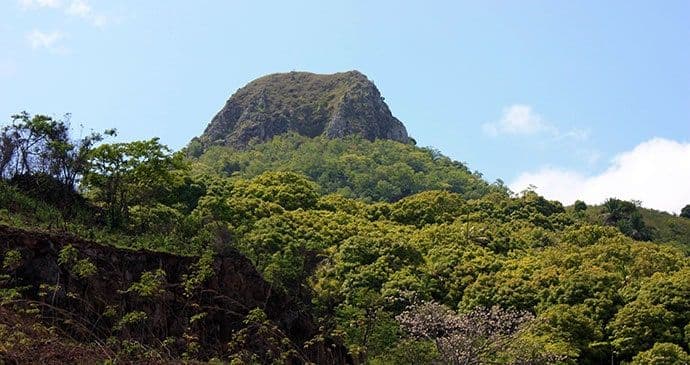
There is no verified theme park infrastructure in Mengomeyén. Searches through official tourism boards and established travel media confirm that the town’s attractions are limited to its geographic role as a transport node and a construction zone. The "theme" of your visit is observation. You are visiting a place in transition. The landscape is dominated by the heavy machinery and raw materials of Ciudad de la Paz, a project that aims to become the administrative heart of Equatorial Guinea. For a traveler, this means a focus on the logistical realities of the region rather than curated leisure experiences.
The town itself is small. It lacks the commercial density of Malabo, the current capital on Bioko Island. There are no major shopping districts, no large hotels with international chains, and no established food scenes that would support a long stay. The sensory environment is that of a developing equatorial settlement: hot, humid air, the sound of construction work, and the presence of local wildlife in the surrounding vegetation. If you are seeking a specific type of attraction, you must adjust your expectations significantly. This destination serves as a base camp for those interested in the geopolitical and infrastructural shifts occurring in Equatorial Guinea, rather than a hub for family-oriented day-long amusement.
Getting There and Around
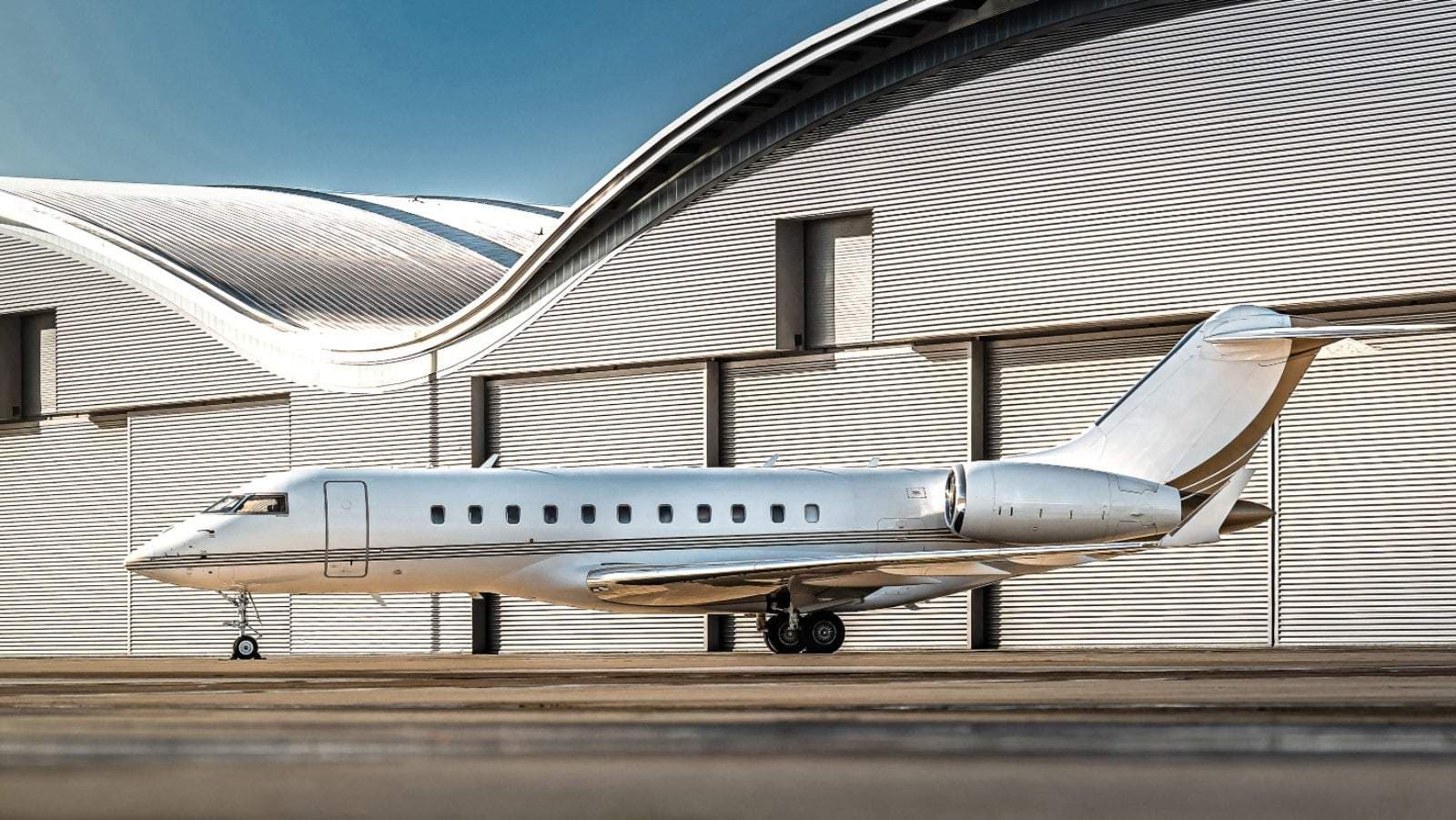
Your entry point is almost certainly President Obiang Nguema International Airport. This facility was built specifically to support the development of the mainland region and serves flights from Malabo and potentially other regional hubs. The airport is the only significant transport hub in Mengomeyén. There are no confirmed railway lines or stations serving the town. Public transport options within the town are minimal and likely consist of local taxis or shared vehicles, but specific operators and fares are not widely documented in international travel guides.
To reach Ciudad de la Paz, you will need to travel approximately 20 kilometers. This journey is typically done by car. Given the lack of formal public transit, arranging a private transfer or a local taxi is the most reliable method. Do not assume that ride-hailing apps common in larger African cities operate here with the same reliability. Cash in the local currency, the Central African CFA franc (XAF), is essential for small transactions, such as tips or buying water. The roads connecting Mengomeyén to the construction site are likely unpaved or under improvement, so travel times may vary significantly depending on weather conditions. The equatorial climate means sudden, heavy rain showers can affect visibility and road conditions, so building buffer time into your schedule is prudent.
What to Expect Locally
With no confirmed local dishes or specific restaurants tied to Mengomeyén in available sources, your food options will be basic. You should expect simple meals, possibly from small local vendors or the catering facilities associated with the construction sites. The regional cuisine of mainland Equatorial Guinea typically features rice, plantains, and local proteins, but specific "Mengomeyén" culinary specialties are not established. For a traveler, this means packing snacks or planning meals around the limited available options.
The cultural angle here is one of patience and observation. The people of Wele-Nzas province are the backbone of the region’s development. Interactions will be limited unless you are on a guided tour or have a local contact. Language is a barrier; Spanish is the official language of Equatorial Guinea, but local Bantu languages are also spoken. Basic Spanish phrases will help, but do not expect widespread English proficiency. The etiquette is standard for the region: polite greetings are important, and dressing modestly is respectful. There is no specific "local angle" of nightlife or arts to explore. The culture is embedded in the daily labor of building the new capital.
When to Go and Who It Is For
There are no major holidays recorded for the next six months that would impact crowding or pricing in Mengomeyén. The best time to visit is generally during the drier months, though the equatorial climate remains humid year-round. Avoid the peak rainy season if you have mobility issues or plan to spend time outdoors, as the heat and humidity can be intense. The "autumn" season in the Northern Hemisphere does not correspond to a distinct dry or wet season here; the weather is determined by local equatorial patterns.
This destination appeals to a specific niche of travelers rather than the typical leisure audience. It is suitable for:
- Infrastructure Enthusiasts: Those interested in large-scale urban planning and construction.
- Regional Researchers: Academics or journalists studying the shift of the capital from Bioko to the mainland.
- Transit Hubs: Travelers passing through to other parts of mainland Equatorial Guinea.
It is less recommended for families with young children, solo travelers seeking social interaction, or those who rely on robust tourist infrastructure. A stay of one to two days is sufficient to assess the area. Longer stays are difficult due to the lack of amenities.
Frequently Asked Questions
Is there a visa required for Mengomeyén? Visa requirements apply to Equatorial Guinea as a whole. Most travelers need a visa in advance, which can often be arranged upon arrival at Malabo airport, but rules can change. Check with the nearest embassy for the latest 2026 requirements. Since Mengomeyén is on the mainland, you must clear immigration and customs, which may involve additional processing compared to the main international airport in Malabo.
Can I get around Mengomeyén without a car? It is difficult. While the town is small, the distances to key sites like the airport or Ciudad de la Paz are best covered by vehicle. Walking is possible within the immediate town limits, but for anything beyond that, you will need to arrange a taxi or shared vehicle. Do not rely on public buses or trains, as none are confirmed to operate regularly in this specific area.
What is the safety situation in Mengomeyén? General travel advisories for Equatorial Guinea apply. Petty crime can occur, as in many developing urban areas. The construction zone may have security perimeters. It is advisable to stay in well-lit areas, keep valuables secure, and use reputable local guides or drivers. Health precautions, including malaria prophylaxis, are essential for any travel to mainland Equatorial Guinea.