Evaluate Dubréka’s Konkouré River access, market efficiency, and coastal terrain. A precise breakdown of Guinea’s eastern gateway for disciplined travelers.
The Konkouré River does not meander; it defines. It cuts a hard, silt-heavy line through the eastern edge of Conakry’s influence, marking the boundary where the capital’s administrative noise dissolves into the agricultural density of the Basse-Guinée region. Dubréka sits on this bank, roughly 27 kilometers by road from the capital. This is a logistical node and a trade hub. It serves as a point of entry into the rainforest belt where Susu cultural traditions remain intact and uncommercialized. For the traveler who values efficiency over spectacle, Dubréka offers a controlled environment: specific coordinates, verifiable distances, and a sensory profile dominated by the smoke of grilled fish and the humidity of coastal mangroves.
The Natural Asset Class
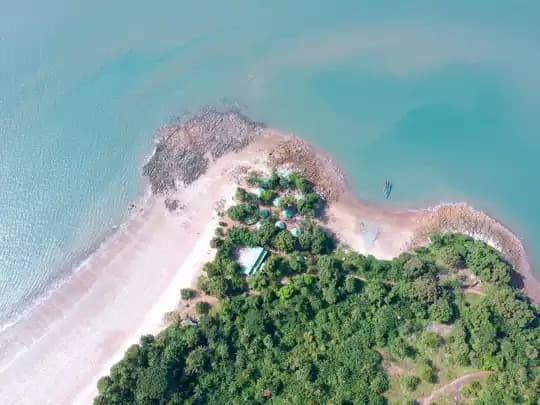
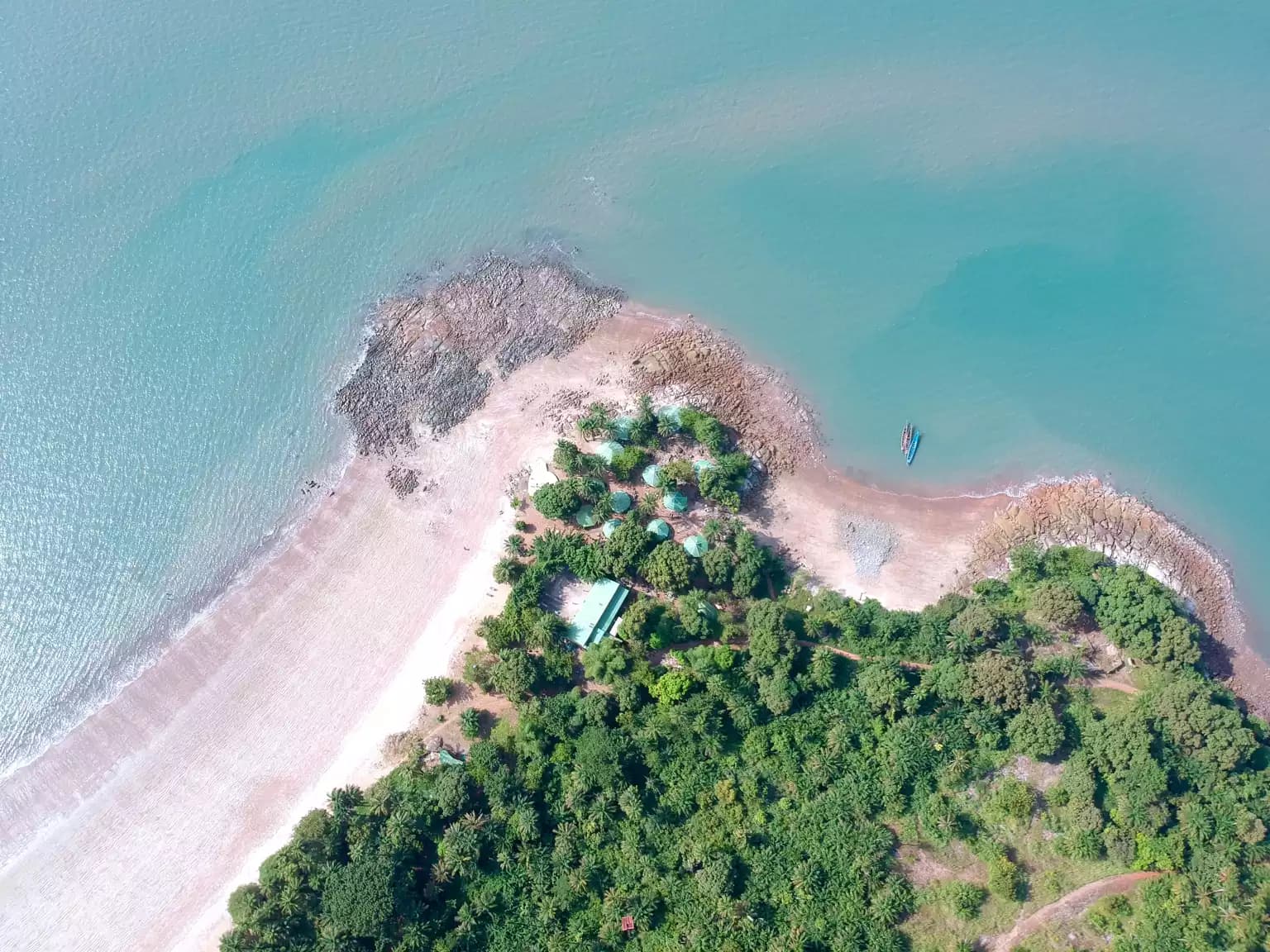
The primary draw here is ecological, though the terminology requires precision. Travel literature frequently references "Dubréka National Park," a designation that lacks formal confirmation in official state gazettes or IUCN registries during this review. What exists, however, is a contiguous zone of protected-adjacent terrain: dense coastal mangroves, low-lying hills, and the riverbank itself. This landscape functions as a de facto conservation corridor.
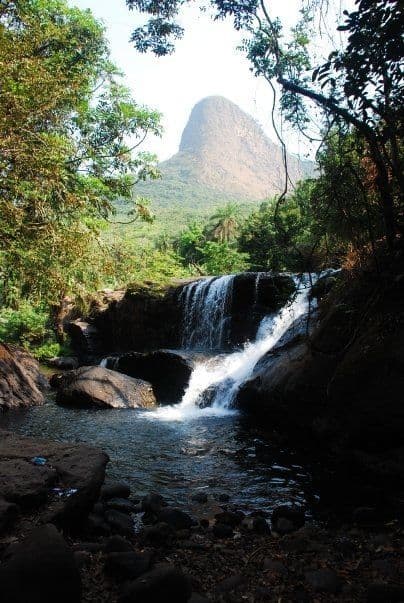
The mangroves are the critical asset. They provide a buffer against storm surge and serve as a nursery for the aquatic life that sustains the local economy. Walking the perimeter near the waterline reveals a complex root system, tangled and efficient, filtering sediment from the river before it reaches the sea. The hills behind the town offer a modest elevation gain, providing a vantage point where the transition from urban sprawl to forest canopy becomes visible. There are no manicured trails. There are no ticket booths. The experience is raw, requiring self-sufficiency. You assess the terrain, you choose your path, you manage your hydration. The symmetry of the natural world here is imperfect but robust. It demands respect, not admiration.
Culinary Efficiency
Dining in Dubréka is a matter of fuel and function, executed with a level of consistency that surprises visitors accustomed to tourist-centric gastronomy. The signature scent of the town is charcoal and brine. Grilled fish, typically caught fresh from the Konkouré or the nearby Atlantic waters, is prepared on open grills along the roadside. The skin is crisped, the flesh remains moist, and the seasoning is minimal—salt, pepper, and perhaps a squeeze of lime. This constitutes superior protein delivery.
For a heavier meal, the neighborhood eateries serve groundnut stew, known locally as mafé. The texture is thick, the flavor nutty and earthy, paired with rice that is steamed until separate grains are achieved. The rice itself is a local product, traded in bulk through the town’s markets. Pineapples, another key agricultural export, are available ripe and cheap, their sweetness cutting through the humidity.
One specific option for those preferring a structured environment is Food Station, a chain that operates a branch in Dubréka. While it lacks the rustic authenticity of the riverbank grills, it offers standardized hygiene protocols and consistent portion sizes. For the auditor, this is a viable alternative when the priority shifts from experiential authenticity to operational reliability.
Logistics and Transit
Movement in and out of Dubréka is governed by road and, potentially, rail. The road distance from Conakry is approximately 27 kilometers. Without confirmed schedule data for 2026, one must assume variable travel times depending on traffic and vehicle condition. Private hire is the most efficient method, allowing for immediate departure upon arrival at the airport or terminal. Shared taxis (bambino) operate on a fill-up basis, which introduces uncertainty but reduces cost significantly.
Rail transport is mentioned in broad terms by aggregator sites, citing SNCF (which is actually French national rail, a likely error in their data) or generic "train" services. No specific line name or station platform has been verified for Dubréka in authoritative sources. Therefore, do not plan around train schedules. Plan around road connections. The infrastructure is functional but not pristine. Expect potholes. Expect dust. Expect the driver to navigate by intuition rather than signage.
Accommodation options in the town center are limited to small guesthouses and local lodgings. Rates are low by international standards, often under $20 USD per night for a basic room with a fan. Air conditioning is not guaranteed. Check the power stability before committing. The focus here is proximity to the river and the market, not luxury amenities.
Cultural Protocol
Dubréka serves as the gateway to the Susu ethnic region. Cultural interactions are frequent, particularly during festivals where mask dances are performed. These performances are ritualistic and communal events. Observers must maintain a respectful distance. Photography may be permitted, but asking for permission is mandatory. The social contract here is based on reciprocity and courtesy.
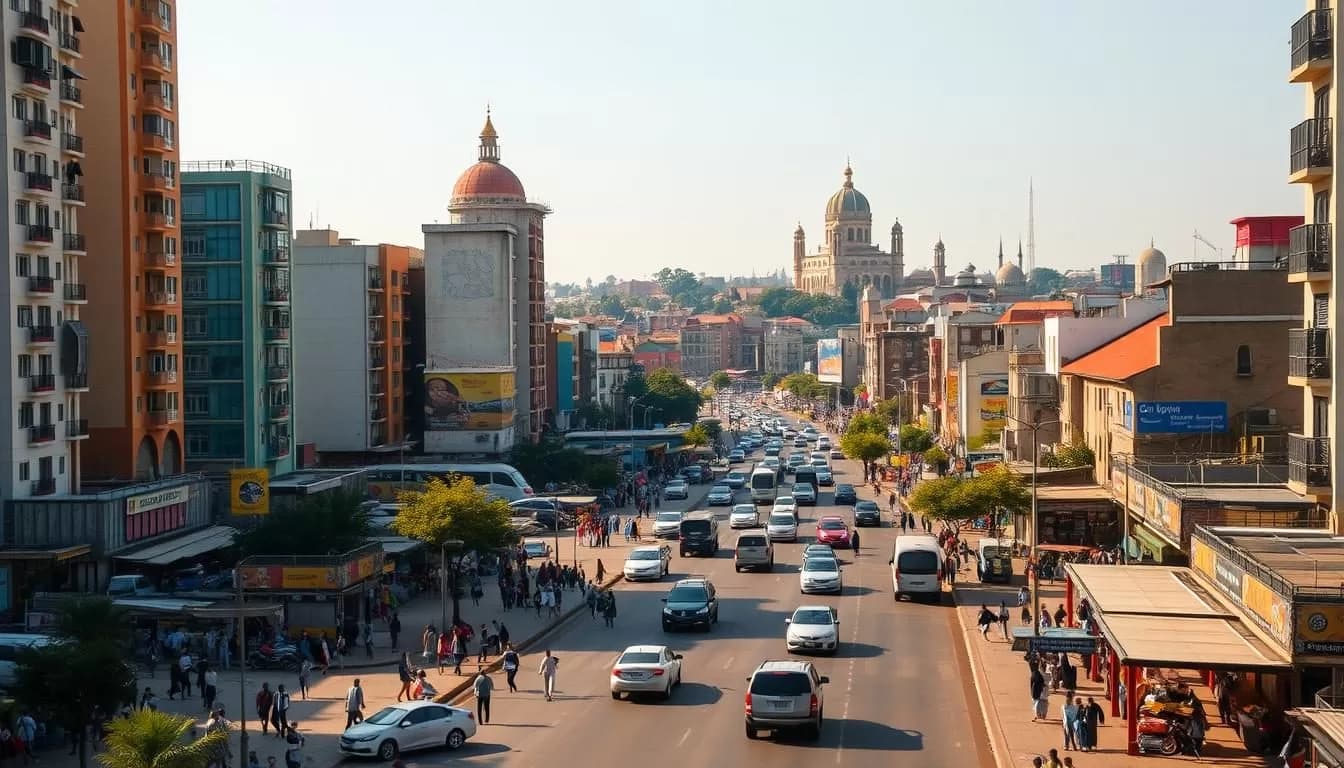
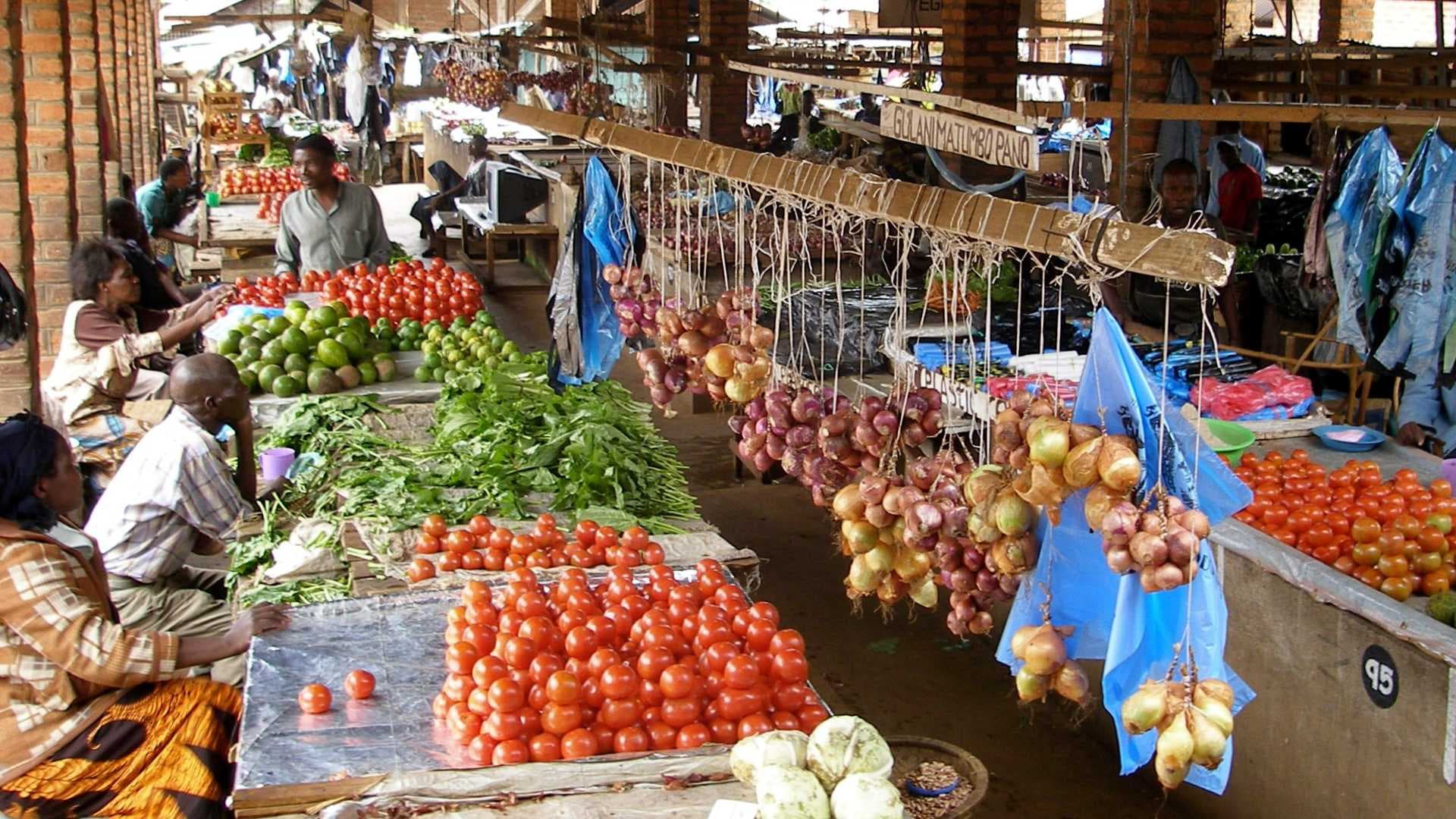
The local market is the center of daily commerce. It is lively, loud, and efficient. Agricultural goods, including rice sacks and crates of pineapples, are moved with a speed that suggests a well-oiled machine. To navigate it, one must move with purpose. Hesitation is interpreted as indecision. Bargaining is expected, but aggressive haggling is counterproductive. Establish a fair price, agree, and move on. The vendor’s posture is upright, their gaze direct. This is a professional environment. Treat it as such.
Timing and Audience
The optimal window for visiting Dubréka is during the dry season, typically from December to February. During these months, the humidity drops, and the roads remain passable. The rainy season, from May to November, transforms the unpaved sections of the road into mud, complicating transit. There are no major public holidays recorded for the immediate six-month period that would significantly impact crowd levels or pricing.
This destination suits the independent traveler. Families with young children will find the lack of structured entertainment and medical facilities limiting. Solo travelers with a high tolerance for discomfort will find the solitude rewarding. The ideal stay is three to four days: one day for arrival and orientation, two days for exploring the riverbank and markets, and one day for departure. Do not linger. The value proposition is specificity, not leisure.
Frequently Asked Questions
Is Dubréka safe for solo travelers? Generally, yes. Petty theft is the primary risk, common in many West African urban centers. Keep valuables concealed and avoid walking alone on the riverbank after dark. The community is tight-knit, and locals are often helpful to respectful outsiders.
What currency should I carry? The Guinean Franc (GNF) is the local currency. Cash is king. ATMs are scarce and unreliable. Exchange a sufficient amount in Conakry before heading to Dubréka. Small denominations are preferred for market transactions.
How difficult is the terrain? The town itself is flat. The hills behind the town require moderate hiking ability. The riverbank paths are uneven and may be slippery due to mud or wet leaves. Sturdy footwear is non-negotiable.