Simoca, Tucumán, offers a low-impact escape where the rhythm of life is set by the market and the land, not the itinerary.
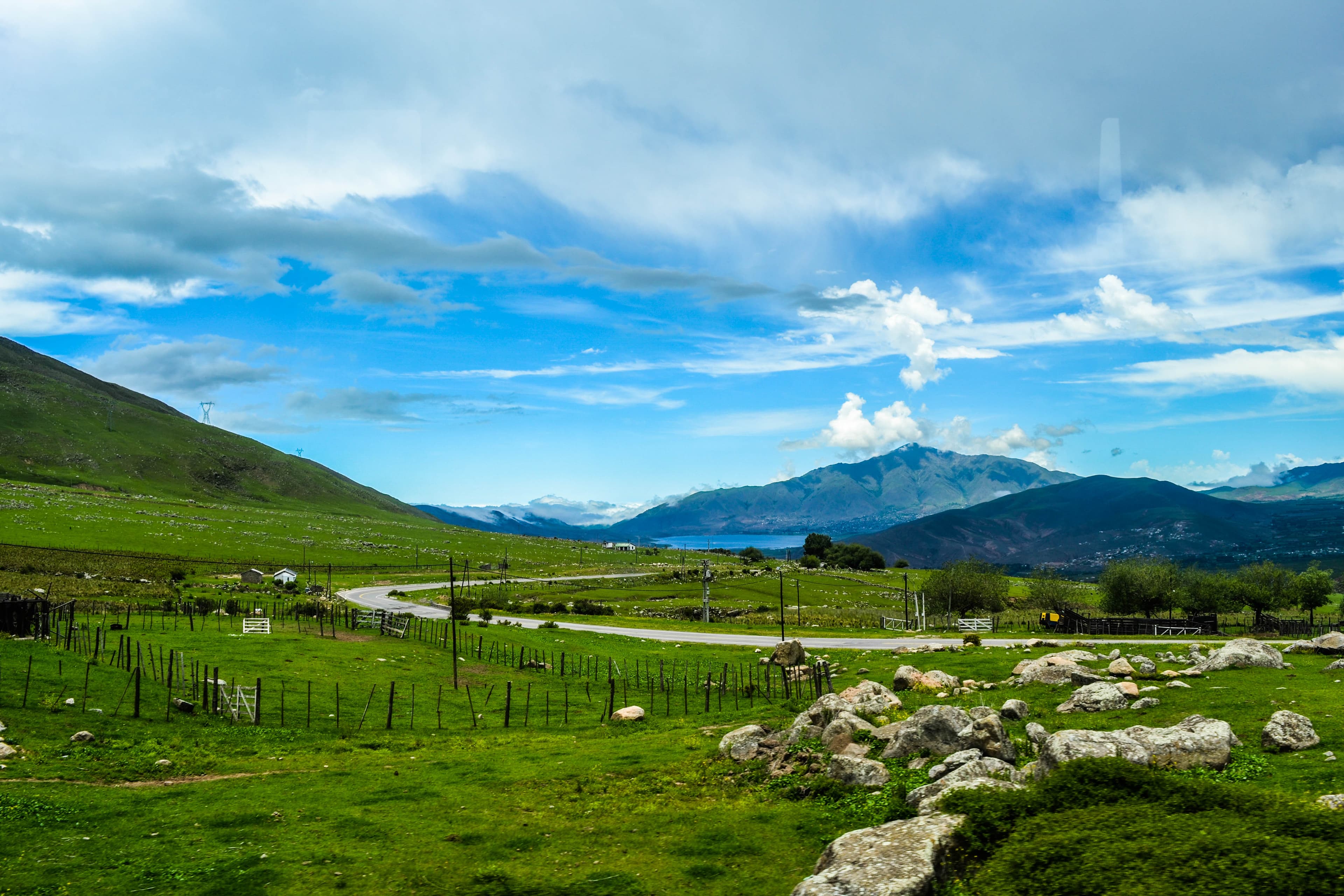
The air in Departamento de Simoca does not ask for your attention. It waits. This is a place in northern Argentina, roughly 1,100 kilometers northwest of Buenos Aires, where the landscape has settled into a quiet permanence. For the traveler seeking eco-friendly travel not as a trend but as a reduction of noise, Simoca presents a different variable. It is a destination that demands endurance rather than conquest. The green here is the stubborn, dry green of the Tucumán province, holding its ground against the heat.
To travel lightly here is to understand that the environment is the rule. The soil, the water, the slow movement of cattle across the plains—these are the constants. Your presence is the temporary anomaly. The goal is to minimize the friction you create.
The Market as Anchor
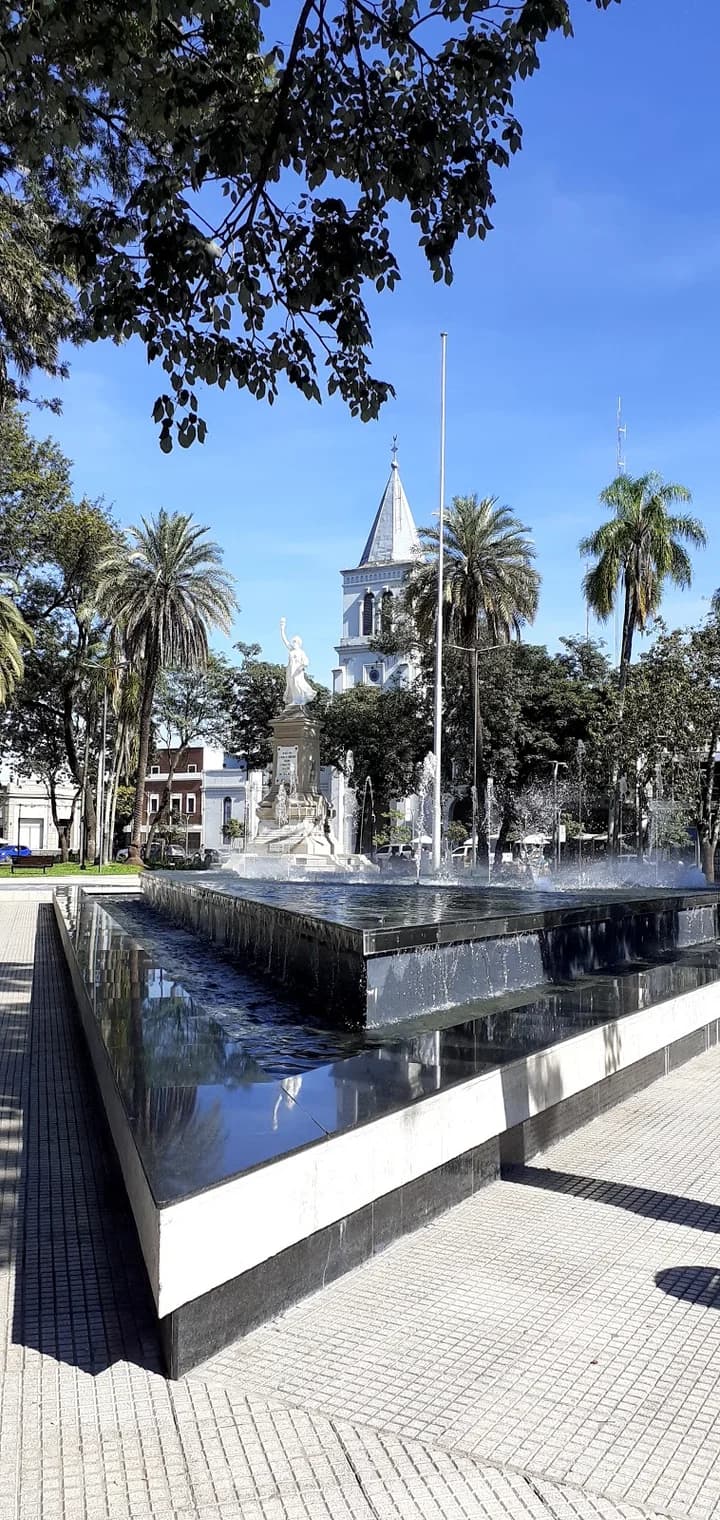
In Simoca, the center of gravity is the Mercado Municipal de Simoca. This is a convergence point for the local economy. On Saturdays, the market fills with regional produce and traditional crafts, a weekly ritual that predates the modern concept of sustainability. To shop here is to participate in a closed loop. The food travels a short distance. The packaging is minimal, often nonexistent. You buy what is there, when it is there.
The Mercado Municipal is a testament to the local economy’s reliance on the immediate land. You will see vegetables that have not been shipped across continents. You will see crafts made from materials found within the department. This is the essence of low-impact travel: buying local reduces the carbon footprint not by calculation, but by necessity. The Saturday market day is the only time the full weight of this system is visible. On other days, the market is quieter, a skeleton of its weekly self.
The Tropero Culture
Simoca is defined by the Ferias y Fiestas Nacionales del Tropero. These national festivals celebrate the culture of the tropero, the cattle drover. This is a reflection of the department’s economic and social history. The tropero life is one of endurance, of moving livestock across difficult terrain with minimal resources. It is a lifestyle that respects the limits of the animal and the land.
The festivals include sulky racing, a sport that requires precision and control. To witness this is to see a different relationship with time. The eco-friendly traveler understands that speed is often the enemy of sustainability. The tropero moves at the pace of the beast. The festivals are a reminder that human activity can be intense without being destructive. They are rooted in the land, not above it. If you visit during these events, you are witnessing a culture that has survived by adapting to its environment, not by dominating it.
Transport Realities
There is no railway in Simoca. The historical lines are gone, leaving only the memory of steel and steam. The current reality is road transport. You will arrive by bus or car from San Miguel de Tucumán, a journey of approximately one to one and a half hours. This is a short distance, but it is significant. It means you are not flying into a hub and then taking a long transfer. You are moving through the province, seeing the landscape change from the urban density of the capital to the open plains of Simoca.
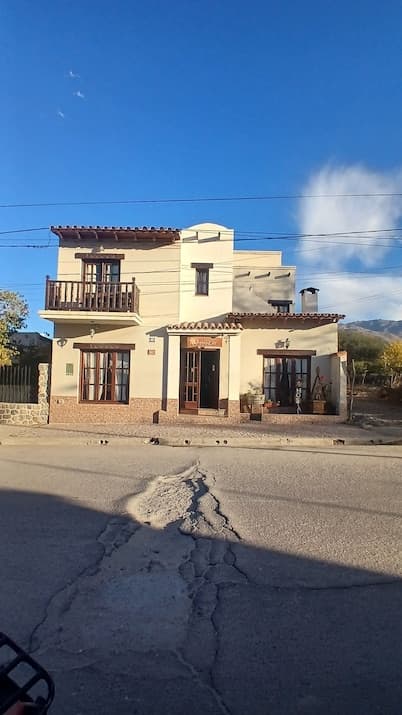
Once in Simoca, the options are limited. There is no extensive public transit system. You will walk, or you will use a local taxi or rental car. Walking is the most eco-friendly option, and in Simoca, it is the most revealing. The streets are not crowded. The pace is slow. You will notice the dust, the heat, the way the buildings are built to withstand the sun. If you drive, you are adding to the carbon load. If you walk, you are reducing it. The choice is simple. The consequence is inevitable.
Food and Friction
The cuisine of Simoca is the cuisine of Tucumán. There are no unique dishes that belong solely to this department, but the ingredients are local. You will eat empanadas, filled with meat and cheese, baked in ovens that run on gas or wood. You will eat locro, a thick stew of corn, beans, and meat, a dish that is hearty and filling. You will eat dulce de membrillo, quince paste, a sweet that is made from the fruit of the region.
These foods are not light. They are substantial. They are designed to sustain the body through the day’s work. To eat them is to accept the energy balance of the region. There is no pretense of dietary restriction here. The food is honest. It comes from the land. It is prepared with simple methods. This is the opposite of the processed, packaged food that defines much of modern travel. By eating local, you are supporting the farmers and the producers who live in the department. You are reducing the waste associated with long supply chains. It is a small act, but it is a necessary one.
When to Go
The best time to visit Simoca is during the spring (September to November) or autumn (March to May). The weather is mild, the temperatures are comfortable, and the landscape is at its most vibrant. Summer is hot. The sun is relentless. Winter is cool, but not cold. The nights are long.
Independence Day, on July 9, 2026, is approaching. Expect higher demand and crowding. Book early. Pass to the Immortality of General Don José de San Martin, on August 17, 2026, is another national holiday. Respect for Cultural Diversity Day, on October 12, 2026, and National Sovereignty Day, on November 23, 2026, are also significant. Immaculate Conception, on December 8, 2026, marks the end of the year.
Simoca is for the traveler who does not need constant stimulation. It is for the solo traveler, the couple seeking quiet, the family wanting to show their children a different way of life. Stay for three days. Walk the market. Watch the dust settle. Leave without leaving a trace.
FAQ
Is Simoca safe for eco-tourists? Generally considered safe, but standard travel precautions apply. The main risk is the sun. Wear a hat. Drink water.
Do I need a visa? Visa requirements depend on your nationality; check official government sources.
How much does it cost? Costs vary; check current rates. Accommodation varies, but local stays are inexpensive. Bring cash. Cards are not always accepted.