Nestled along the River Nile in Sudan, El Bauga offers a rare blend of ancient history and serene desert beauty, especially during the spring months when temperatures are milder and the landscape begins to show subtle signs of renewal. While not a typical tourist destination, El Bauga provides a peaceful escape for travelers seeking authentic cultural immersion and quiet exploration away from crowded hubs. With its proximity to Nubian villages and archaeological sites, spring is an ideal time to experience the region’s rich heritage and tranquil atmosphere.
Climate and Best Time to Visit
Spring in El Bauga, spanning March to May, brings warm days and cool nights, making it one of the most comfortable seasons to explore the area. Average daytime temperatures hover around 30°C (86°F), while evenings dip to about 18°C (64°F), offering relief from the intense summer heat that arrives by June. The region experiences minimal rainfall during this time, ensuring clear skies and excellent visibility for sightseeing and photography. Travelers should note that while the weather is pleasant, the arid environment means hydration and sun protection are essential. 
Cultural Heritage and Historical Attractions
El Bauga’s cultural significance stems from its location within the heart of Nubian territory, a region known for its ancient pyramids, rock art, and enduring traditions. Though El Bauga itself is a small settlement, nearby sites such as the Nubian pyramids of Meroë and the temples along the Nile provide profound insights into Sudan’s past. The Nubian people, with their distinct language, music, and crafts, continue to preserve their heritage through community festivals and artisan markets. Spring is an excellent time to visit local villages, where residents often host cultural demonstrations, including traditional music and weaving. 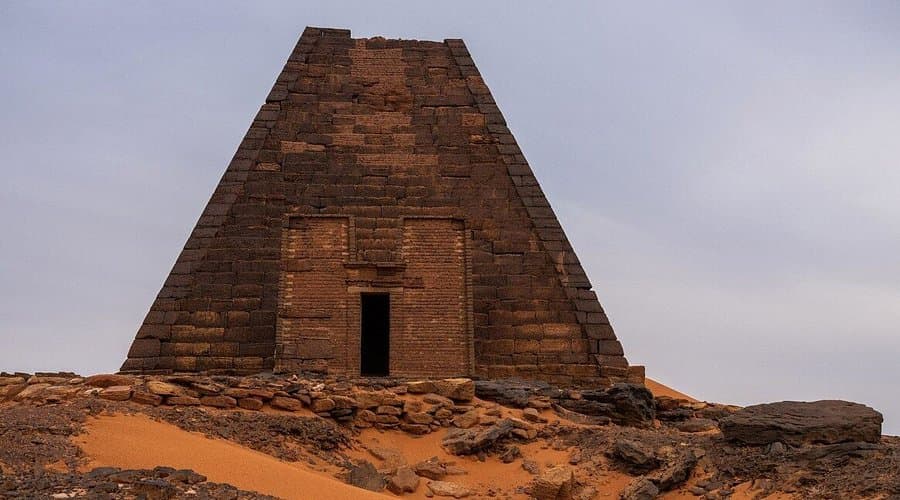
Accommodation Options
Accommodation in El Bauga is limited but authentic. Travelers can choose from modest guesthouses and homestays run by local families, offering a genuine glimpse into daily Nubian life. These accommodations typically feature simple, clean rooms with basic amenities, often with shared bathrooms. For those seeking a bit more comfort, nearby towns like Wadi Halfa or Atbara offer a wider range of options, including budget hotels and mid-range lodges. Booking in advance is recommended, especially during spring, when tourism activity increases slightly. 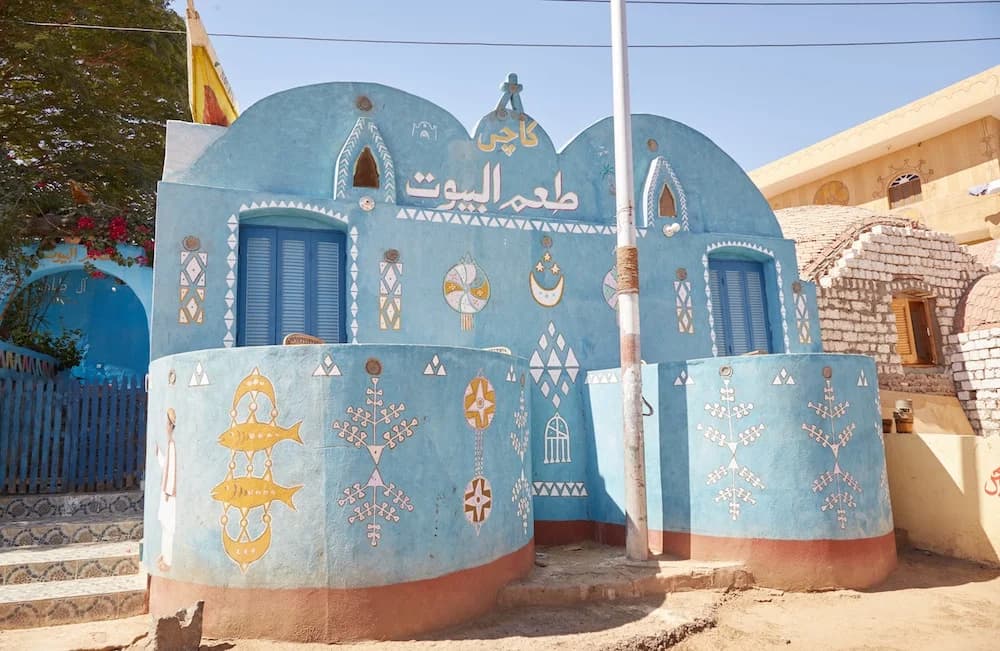
Exploring the Landscape and Nature
The surrounding desert terrain of El Bauga is strikingly beautiful, with vast sand dunes, rocky outcrops, and the winding Nile River cutting through the arid landscape. Spring brings a subtle transformation—dry riverbeds may show traces of moisture, and hardy desert plants begin to bloom, adding splashes of color to the otherwise golden terrain. Hiking, photography, and birdwatching are popular activities, as the region is home to several species of desert birds and reptiles. Guided eco-tours are available from local operators, providing safe and informative excursions into the wilderness. 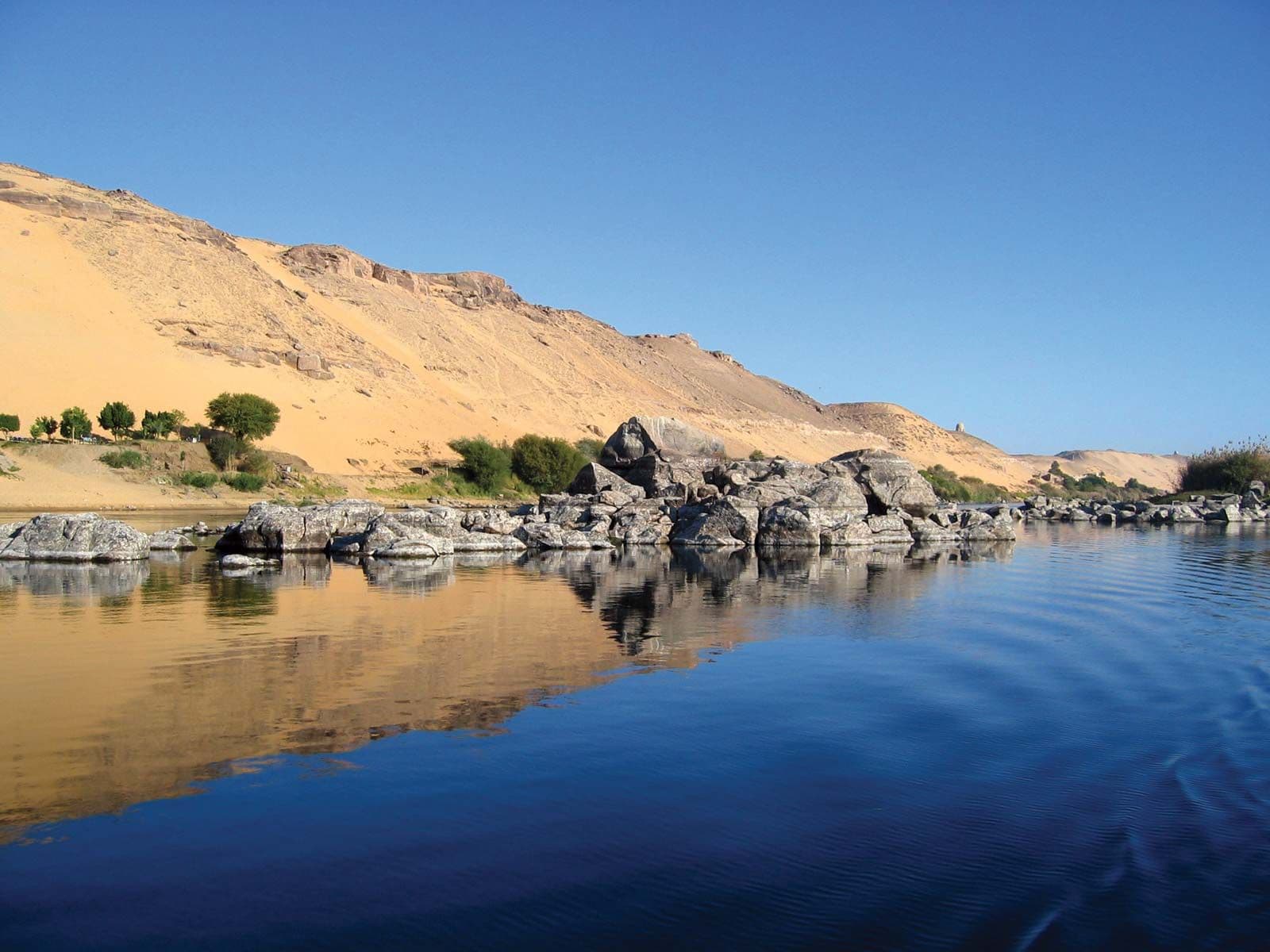
Travel Tips and Practical Advice
Travelers to El Bauga should be prepared for a low-key, off-the-beaten-path experience. The region lacks extensive infrastructure, so reliable internet and electricity may be intermittent. It’s advisable to carry a portable charger and download offline maps. Dress modestly and respectfully, especially when visiting villages or religious sites. While English is not widely spoken, basic Arabic phrases go a long way in building rapport with locals. Always seek permission before photographing people or sacred sites. Safety is generally good, but travelers should stay informed about local conditions and avoid traveling alone at night. 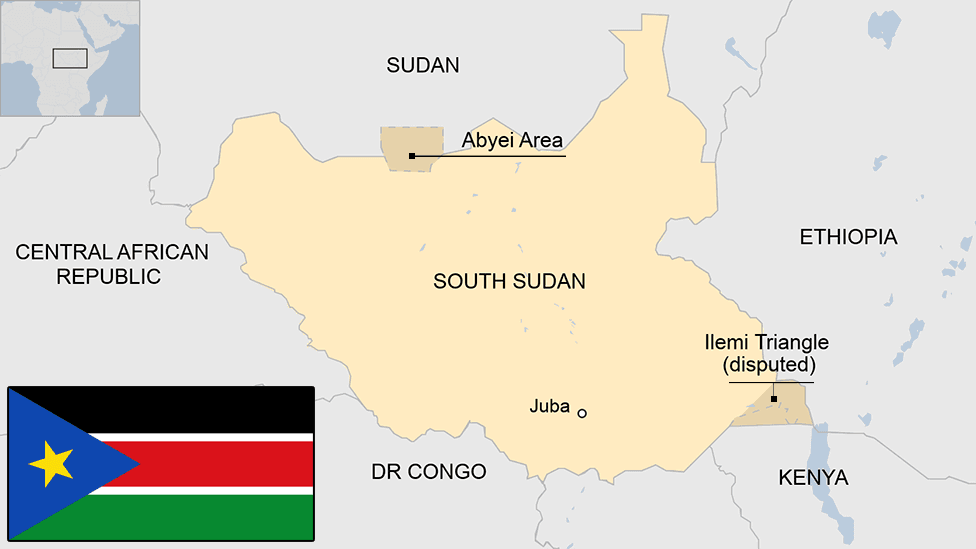
Conclusion
El Bauga, Sudan, may not be on every traveler’s radar, but for those seeking authenticity, history, and natural beauty, it offers a unique springtime escape. With its rich Nubian culture, ancient heritage, and serene desert landscapes, the region provides a peaceful alternative to more commercialized destinations. By planning ahead and embracing the simplicity of the experience, visitors can gain a deeper appreciation for Sudan’s diverse and resilient communities. Whether you’re drawn to archaeology, nature, or cultural exchange, El Bauga in spring promises a memorable and enriching journey.