Bhamdoun, Lebanon: 1,100m altitude, 23km from Beirut. Swap the heat for mountain air and real family time.
The air at 1,100 meters doesn’t just feel cooler; it feels different. It’s thinner, sharper, and entirely free of the exhaust fumes that choke the Beirut coastline. You are not here to relax. You are here to dismantle the illusion that comfort requires air conditioning and a view of a swimming pool. Bhamdoun, perched in the Aley District of Mount Lebanon, is a twenty-three-kilometer drive from the capital’s chaos. It is a town that exists in the vertical space between the city’s noise and the desert’s silence. For families, this altitude serves as a survival mechanism against the summer heat and the collective exhaustion of modern parenting.
The Mountain as Playground
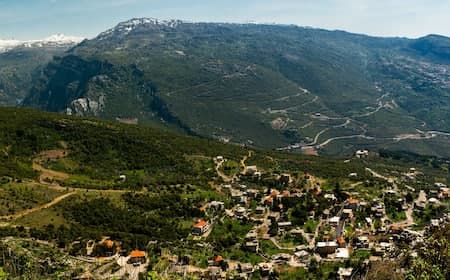
You do not need a theme park to occupy children. You need space. Bhamdoun Park offers exactly that. It is a functional, sprawling area with playgrounds, picnic spots, and walking trails that actually stretch out into the landscape. This is where the performance of parenting stops. You lay out a blanket. You let the kids run until their lungs burn. The park is spacious, a rare commodity in a region where land is often fragmented and expensive. It serves as a neutral ground where the only currency is energy.
The trails are simple paths. You walk them. The terrain is uneven, which is the point. Uneven ground forces attention. It forces your child to look at their feet, to feel the texture of the earth, to stop staring at a screen. The picnic spots are simple tables under trees that have been growing there for decades. This is the antidote to the sanitized cage of the luxury hotel. Here, the risk is minimal, but the presence is maximal. You are in the mountain, not on top of it.
Stone and Silence
Bhamdoun is built of stone. Not the polished marble of a lobby, but rough, local rock that has absorbed the sun and the rain for centuries. Beit Rasel Harf stands as a testament to this. Described as a "mountain treasure," this traditional stone house is not a museum behind glass. It is a structure that breathes. It represents the architecture of survival—thick walls to keep out the cold in winter and the heat in summer. When you walk past it, you are not looking at a relic. You are looking at the logic of the place.
The Greek Orthodox Church in the town is another anchor. It is a place of local life. The architecture is simple, functional, and enduring. It does not ask for your money or your attention. It simply exists. For a family, this offers a moment of quiet. Not the forced silence of a library, but the natural quiet of a place that has seen generations come and go. It is a reminder that time moves differently here. The stone does not rush. Neither should you.
The Drive and The Disconnect
There is no train to Bhamdoun. The Beirut-Damascus railway line historically passed through the region, but it is not in active passenger service. Do not look for a station. Do not wait for a schedule. You arrive by car. The twenty-three-kilometer drive from Beirut is short, but it is transformative. You leave the sea level behind. You climb. The road winds up the mountain, and with every kilometer, the noise of the city fades. This is not a commute. It is a transition.
The lack of rail transport is a filter. It ensures that those who arrive are those who made a choice. You did not stumble into Bhamdoun. You drove here. You navigated the roads. You committed to the ascent. This matters. It breaks the habit of passive travel, where you are dropped off at a curb and told to consume. Here, the journey is part of the activity. The drive itself is a lesson in geography and patience. The view changes as you climb. The city shrinks. The sky expands. You are not just moving from point A to point B. You are moving out of one state of mind and into another.
Eating Without a Menu
There are no famous dishes unique to Bhamdoun. This is a feature, not a bug. You are not here for a culinary signature. You are here for food. Local restaurants serve general Lebanese cuisine. Think hummus, tabbouleh, grilled meats, and fresh vegetables. It is honest food. It is not designed to win awards. It is designed to fuel you.
The absence of a specific "local specialty" forces you to engage with the meal rather than the brand. You sit down. You eat. You taste the ingredients. The high altitude means the produce is often fresher, grown in the cool air of the mountains rather than the humid coast. It is simple. It is sufficient. Do not expect a tasting menu. Expect a plate that refills you for the next hike. This is the reality of mountain dining. It is not about novelty. It is about sustenance. It is about breaking bread in a place where the air is thin and the appetite is real.
Practical Reality
Hotel rates start from approximately $78 per night. This is not a budget backpacker price, nor is it a luxury resort rate. It is a middle ground. It reflects the reality of accommodation in a mountain town that is not a mass-market destination. You are paying for the location, the altitude, and the quiet. Book ahead if you want a specific view, but do not expect five-star amenities. You are here for the mountain, not the minibar.
The best time to go is summer. The altitude of 1,100 meters makes Bhamdoun a refuge from the coastal heat. While Beirut bakes, Bhamdoun breathes. Winter brings snow, which can close roads and complicate travel. Summer is the window. There are no major holidays in the next six months that will disrupt your visit, meaning you can avoid the crowds that plague other Lebanese destinations. You are not competing for space. You are claiming it.
FAQ
Do I need a visa? Check current Lebanese entry requirements. Visa policies can change rapidly. Always verify with official government sources before booking.
Is it safe for families? Bhamdoun is a residential mountain town. It is generally safe. Standard precautions apply. Avoid isolated areas at night. Stick to the main roads and the park during the day.
How do I get there? By car. There is no public rail service. Taxis are available but may be expensive for a family. Renting a car in Beirut and driving the 23km up is the most flexible option.