Skip the resort pools. Bo offers raw cultural immersion and logistical grit for families willing to trade comfort for connection.
The Dust and the Distance
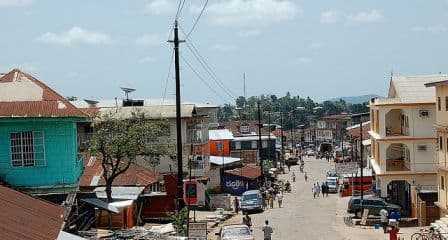
You don’t come to Bo for the air conditioning. You come because you want your kids to see a place that hasn’t been sanded down by international tourism boards. But let’s be clear about the logistics before you pack the car. Getting here from Freetown is a six-to-eight-hour slog on roads that range from "passable" to "washing machine cycle," depending entirely on whether it has rained in the last forty-eight hours. If you are driving, budget for the worst-case scenario. The vehicle suspension will take a beating. Your patience will too. But once you cross into the Southern Province, the energy shifts. It’s louder, hotter, and infinitely more interesting than the capital’s sanitized tourist zones. This is where Sierra Leone actually lives. For a family, this isn't a vacation; it's an expedition. And if you aren't prepared for the physical toll of the journey, stay home.
Navigating the City Center
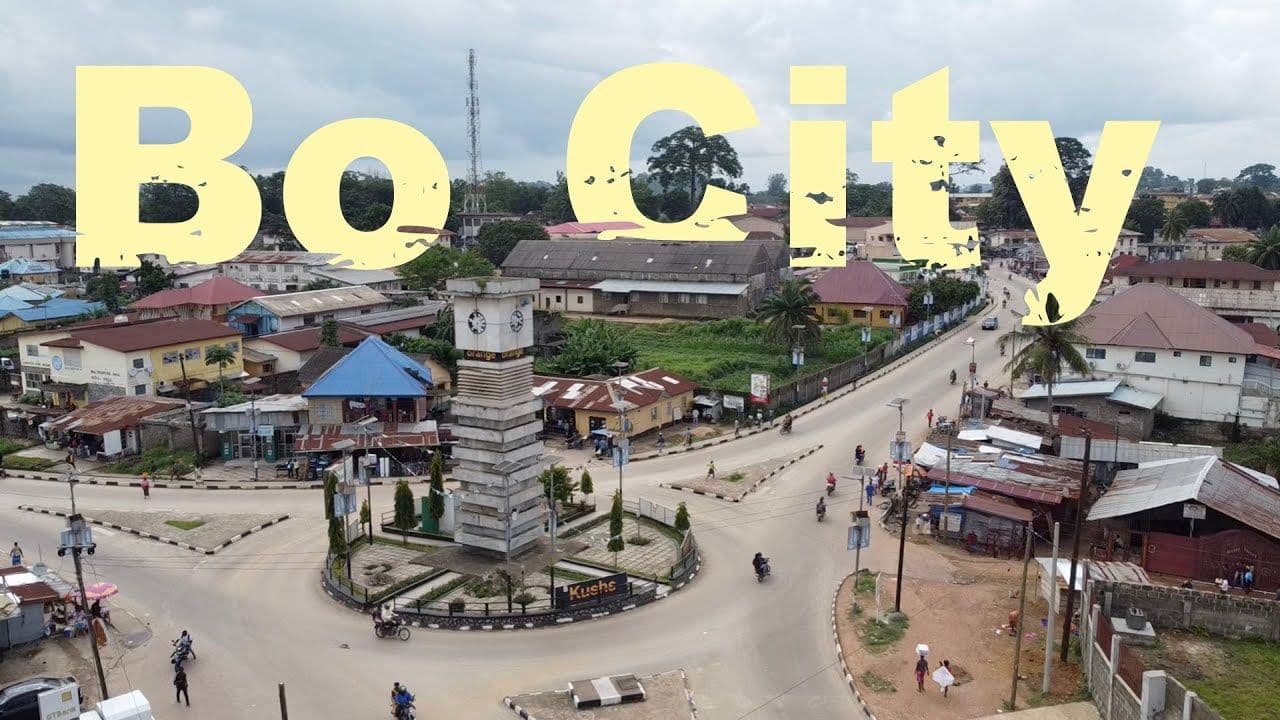
Bo doesn’t have a single "tourist center." There is no map with highlighted paths. Instead, you navigate by landmarks that shift depending on who you ask. The heart of activity usually revolves around the central market areas, though specific stall locations change daily. Avoid trying to drive through the narrowest lanes during midday peak hours. You will get stuck behind a poda-poda (minibus) or a motorcycle taxi loaded with three adults and a goat. It happens every day. Walk instead. The heat is oppressive, yes, but the shade under the mango trees near the main thoroughfares provides enough relief to observe without overheating. Watch how locals negotiate prices. It’s not aggressive; it’s conversational. Teach your children that haggling is social bonding, not conflict. If you’re staying near the university district, expect more student traffic and slightly better infrastructure, though "better" is relative. Potholes are universal.
Food on the Move
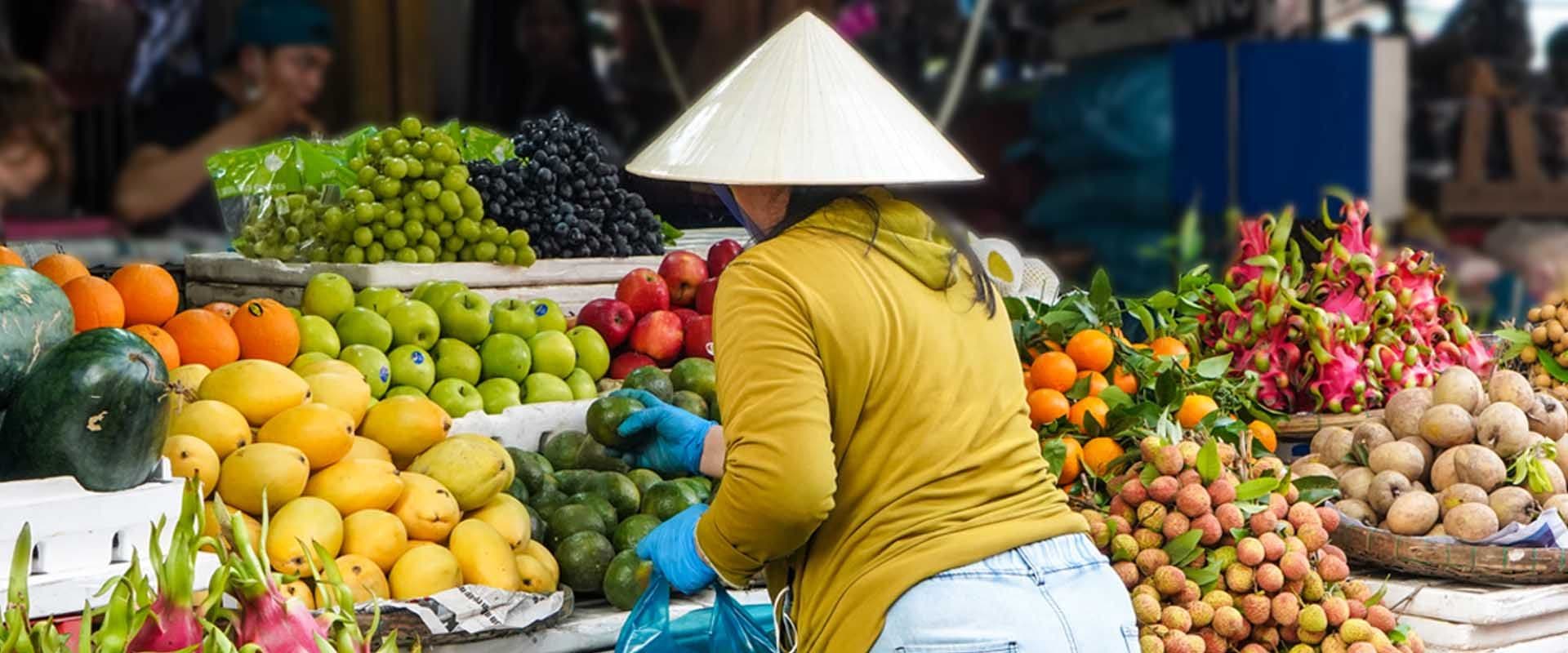
Forget fancy restaurants. In Bo, food is fuel, and it’s served fast. Cassava leaves (pondu) with rice or fufu is the standard meal. It’s heavy, nutritious, and eaten with hands. For families, this is a good test of adaptability. Street-side grilled plantains are safe bets—hot, sweet, and cooked over open charcoal fires that smell like smoke and sugar. You’ll see women selling small bags of water and sachets of juice everywhere. Buy them. They’re cheap, sealed, and safer than tapping into uncertain tap water sources. If you have young kids, bring wet wipes. Lots of them. Hygiene standards vary, and while the food is generally fresh, the environment is dusty. Don’t expect menus in English everywhere. Pointing works. Smiling works better. If you’re hungry at night, stick to what looks busy. High turnover means fresh ingredients. A local staple often overlooked by outsiders is groundnut stew. Ask for it by name. It’s rich, oily, and sticks to your ribs until morning.
Practical Logistics and Money
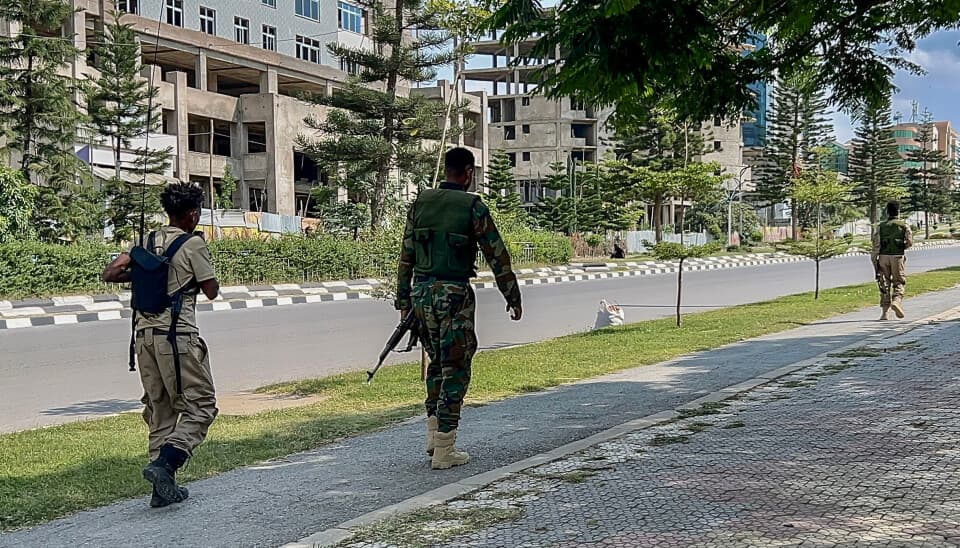
Cash is king. Credit cards are rarely accepted outside of maybe one or two hotels in the entire city. Bring sufficient Sierra Leonean Leones in small denominations. Large bills are hard to break at market stalls. ATMs exist, but they are unreliable. Treat any ATM withdrawal as a bonus, not a plan. Keep USD in reserve for emergencies or larger purchases, but know that exchange rates fluctuate. Negotiate transport fares before you get in the vehicle. Whether it’s a taxi or a shared minibus, agree on the price first. If you don’t speak Krio, learn the numbers. One, two, three. It helps when you’re being quoted a price that seems triple the norm. Safety-wise, petty theft is less common than you’d think, but opportunistic snatching happens. Keep phones in pockets, not hands. At night, avoid walking alone. Use a trusted driver or hotel shuttle. The streets are lively, but visibility drops quickly after sunset due to inconsistent street lighting.
When to Go and Who Should Come
There are no major holidays in the next six months that will disrupt travel significantly, which is good news. You won’t be stuck in crowds. However, season matters. The harmattan winds can bring dust from the Sahara between December and February, reducing visibility and irritating lungs. Pack masks if you’re sensitive. The rainy season, peaking around July and August, turns dirt roads into mud traps. If you’re traveling with young children, aim for the dry season transition months. You’ll deal with less malaria risk and easier driving conditions. This trip suits families with older kids or teenagers who can handle discomfort. Toddlers might struggle with the heat and lack of enclosed, climate-controlled spaces. Stay three to four days. Any longer, and you’ll run out of things to do unless you’re doing serious cultural research. Any shorter, and the transit time wastes half your trip.
Frequently Asked Questions
Do I need a visa? Yes. Most nationalities require a visa upon arrival or pre-approval. Check current requirements closer to your date, as policies change. Have passport photos ready.
Is malaria prophylaxis necessary? Absolutely. Bo is in a high-risk zone. Consult your doctor well in advance. Mosquito nets are essential, even if you’re staying in a hotel with screens.
Can I drink the water? No. Stick to bottled or sealed beverages. Ice in drinks should be questioned unless you’re sure of its source. Brush teeth with bottled water if you have a sensitive stomach.