Explore the understated spiritual rhythm of Mengellang, Palau. No grand cathedrals here—just community faith, local roads, and the profound silence of island devotion.
The Reality of Sacred Space in a Small Settlement
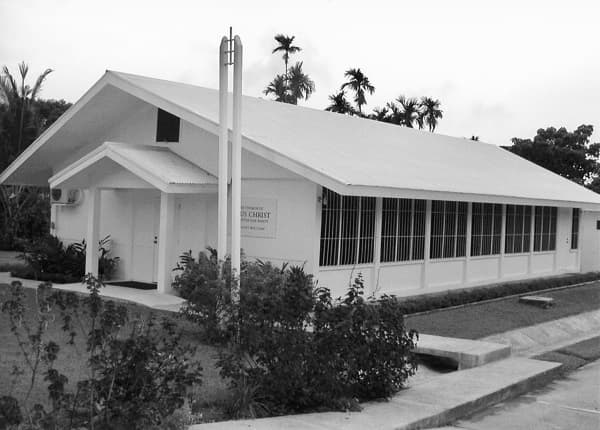
There is no towering spire visible from the lagoon, no stone pilgrimage route carved into the limestone karst that defines much of Palau’s dramatic geography. In Mengellang, religious life functions as a quiet, pervasive hum beneath the daily routine of fishing, farming, and family, rather than a spectacle to be consumed. As an anthropologist who has spent years observing how faith anchors communities in Southeast Asia and the Pacific, I find this subtlety more compelling than any curated tourist shrine. The sacred sites here are often indistinguishable from community centers or family compounds until you know where to look. You do not go to Mengellang for a checklist of monuments. You go to understand how Catholicism, introduced by Spanish missionaries centuries ago, has woven itself into the fabric of Micronesian clan structures. The "site" is the social contract itself.
The absence of major infrastructure means you must rely on your own senses and respectful curiosity. There are no ticket booths, no gift shops selling mass-produced rosaries. Instead, you might hear the faint chime of a bell marking midday prayer, or see the distinct layout of a village square oriented toward a small chapel. These structures are functional, modest, and deeply embedded in the local landscape. To visit them is to participate in a living tradition, not to observe a museum exhibit. The air smells of frangipani and salt spray, mixing with the incense drifting from open windows during evening vespers. This sensory blend is the true marker of the place.
Navigating the Spiritual Landscape Without Maps
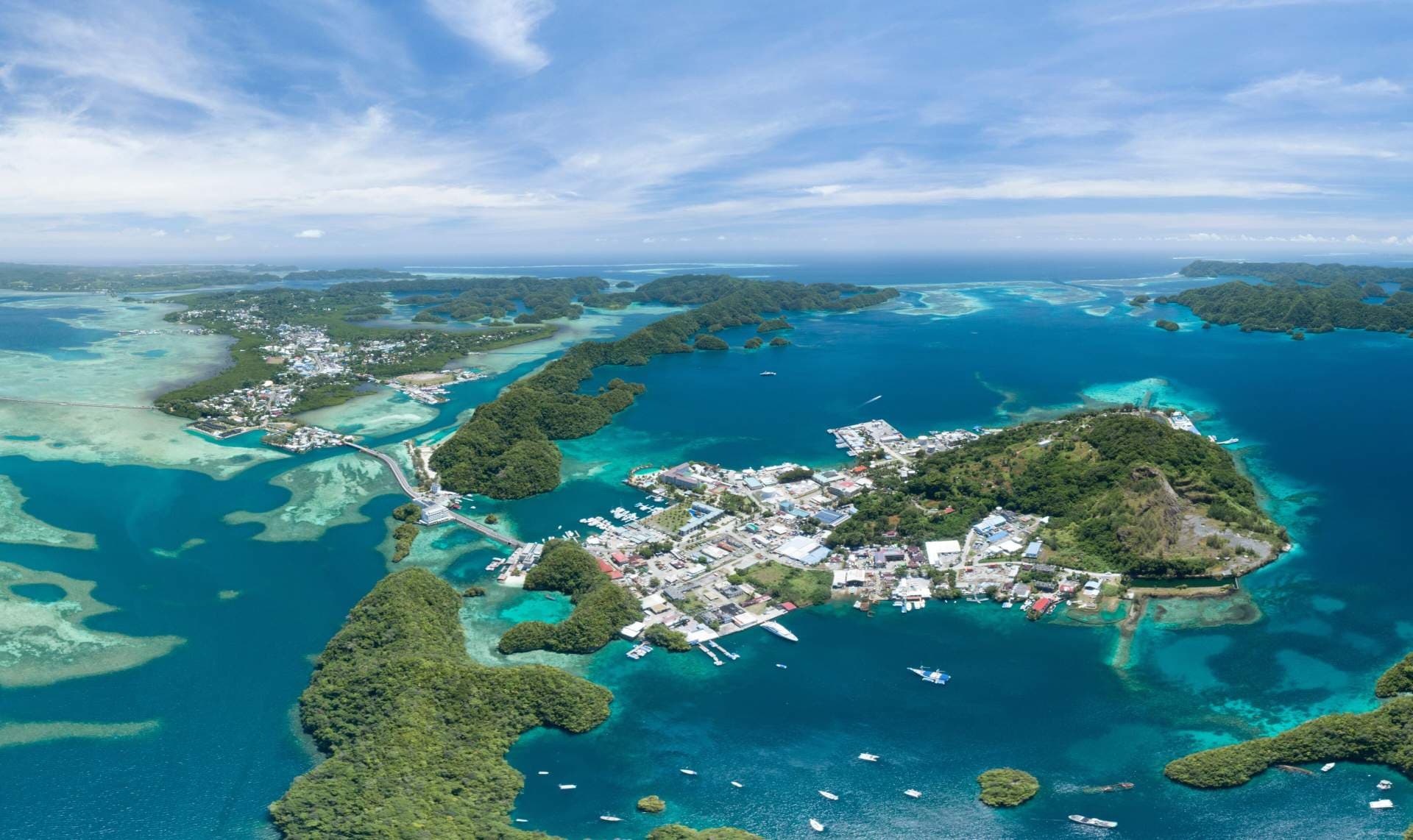
Since no specific landmark names were verified for Mengellang, navigating its religious heart requires a different kind of map: one drawn from social cues rather than street signs. Local road transport is the only confirmed mode of getting around, meaning you are likely moving at the pace of the island. Ask locals about the "church" or the "meeting house." They will point you toward the center of town, usually a cluster of buildings where the community gathers. Do not expect signage in English. The architecture is low-slung, designed to withstand typhoons, with wide verandas that double as gathering spaces after services.
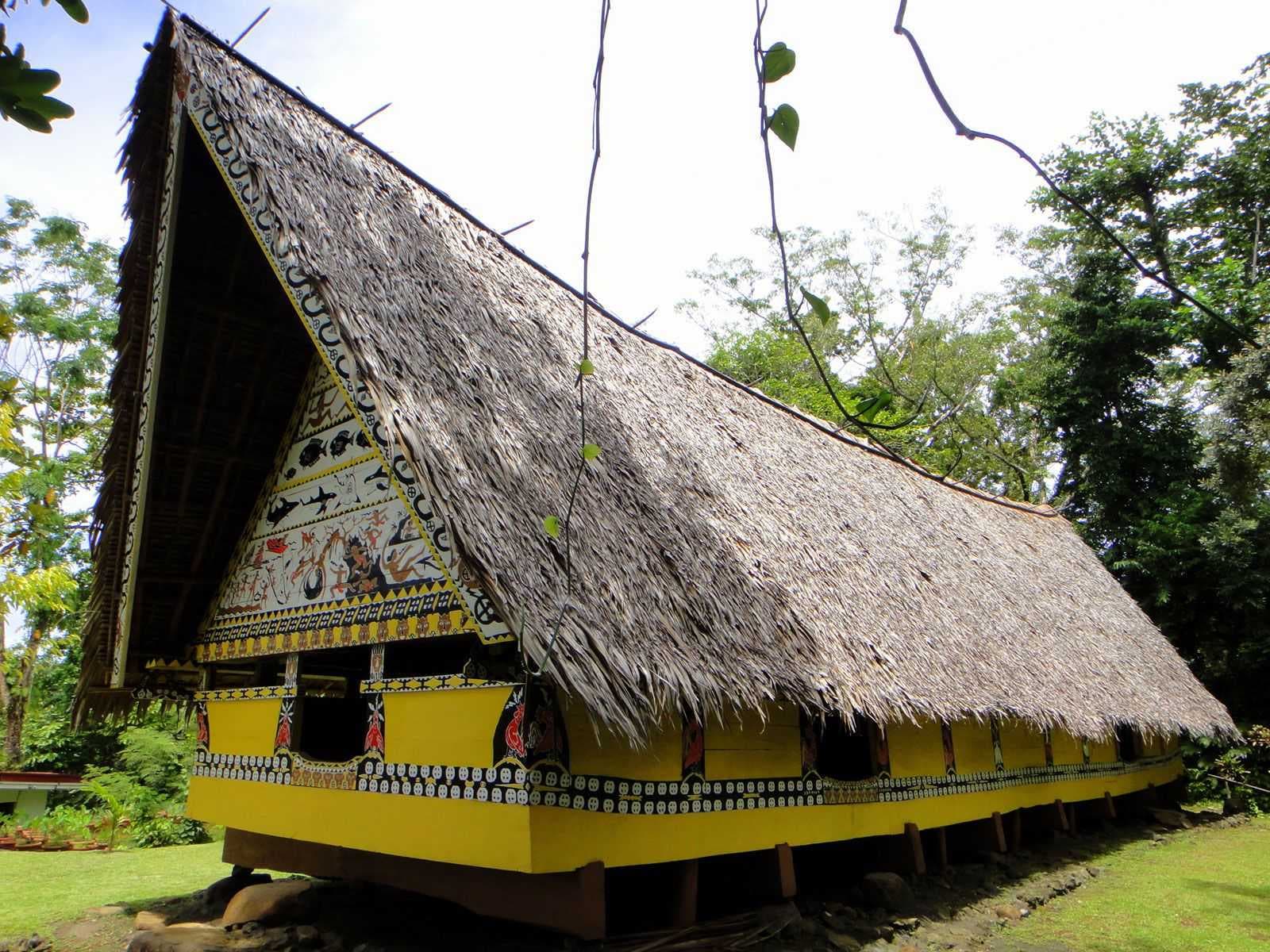
Walking is often the best way to absorb the atmosphere. The paths are unpaved in places, winding through dense vegetation. Listen for the sound of hymns sung in Palauan, a language that carries the weight of ancestral stories even when used in Christian liturgy. The fusion is palpable. You might notice traditional motifs carved into wooden doors or altars, a visual testament to how indigenous beliefs have been harmonized with imported faith. This represents practical adaptation rather than academic syncretism. Families pray for safe voyages, for bountiful harvests, and for health, blending prayers to God with respect for the spirits of the land.
Photography requires extreme discretion. Inside these community chapels, flash photography is rarely welcome, and sometimes forbidden entirely. The focus is on participation, not documentation. If you are invited to sit, do so quietly. Observe the posture of the elders, the way children are taught to bow their heads. It is a performance of humility that feels genuine because it is practiced daily, not staged for visitors. The light inside these structures is often dim, filtered through slatted shutters, creating a serene, contemplative mood that contrasts sharply with the bright, harsh sunlight outside.
Practical Logistics: Timing and Respect
Traveling to Mengellang requires patience and flexibility. With no rail network and limited public transport schedules, your itinerary must be loose. Aim to arrive early in the day if you wish to witness morning preparations before the heat sets in. Temperatures in Palau remain consistently high year-round, but the humidity can make midday travel exhausting. Carry water, insect repellent, and cash. Credit card acceptance is rare in smaller settlements like Mengellang, and ATMs may be scarce or unreliable. Assume you need US dollars in small denominations for any incidental expenses, though most religious interactions cost nothing but your time and respect.
Because specific opening hours for unverified sites cannot be guaranteed, treat Sundays as the primary window for observing communal worship. Even if you are not attending service, the activity level in the village center peaks then. Weekdays are quieter, offering a chance to speak with locals who are not rushing between duties. If you plan to stay overnight, book accommodations well in advance, especially during peak travel seasons. While specific hotel names are not confirmed for Mengellang, guesthouses and family-run lodgings are common throughout Palau. Look for establishments that emphasize community engagement rather than resort-style isolation.
The lack of formal tourism infrastructure means there are no official guides. Your best resource is a respectful conversation with a shopkeeper or a fisherman. Ask about the history of the local church. Ask about festivals. You will likely learn that the most significant religious events coincide with national holidays or patron saint days, which vary by village. Being present during one of these times offers a deeper insight than any static site could provide.
Cultural Nuance and Etiquette
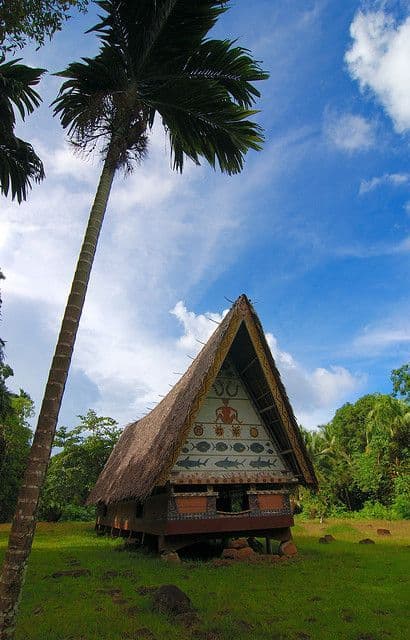
In Mengellang, as elsewhere in Palau, the concept of bul (taboo) still holds cultural weight, even within a predominantly Catholic framework. Certain areas near the coast or inland forests may be considered sacred grounds, marked by simple stones or trees. Do not enter these zones without permission. Dress conservatively when visiting religious sites. Shoulders and knees should be covered. This serves as a sign of respect for the sanctity of the space, going beyond mere modesty. Remove shoes before entering a home or a small chapel if prompted.
Language barriers are real. While many people speak English, the nuances of religious discussion are best approached with simple, clear questions. Avoid theological debates. Instead, ask about traditions. How does the village celebrate Christmas? Who prepares the food for Easter? These questions invite storytelling rather than argument. Food plays a central role in religious observances. After services, it is common for families to share meals. If you are offered food, accept it graciously. It is an invitation into the community circle. Refusing can be seen as rejection of the gesture, not just the dish.
The social hierarchy remains important. Elders are treated with deference. When speaking to older members of the congregation, use polite forms of address. Wait to be spoken to. Do not interrupt. This behavioral code applies whether you are in a church or sitting on a porch watching the sunset. The boundary between secular and sacred life is porous here. A conversation about fishing techniques can seamlessly turn into a reflection on providence. Be prepared for this fluidity.
When to Go and Who It’s For
Timing your trip to Mengellang depends on what you want to experience. For those seeking a sense of communal energy, aim for late November. Family Day, observed on November 27, 2026, is a significant holiday in Palau. Expect increased activity, family gatherings, and potentially higher demand for accommodation. Book early. Prices may surge slightly due to domestic travel spikes. Following this, Christmas Day on December 25, 2026, brings a festive, albeit subdued, atmosphere. Churches are decorated with local flowers and lights, and midnight mass is a focal point. New Year’s Day on January 1, 2027, continues this celebratory mood.
For a quieter experience, consider traveling in March or May. Youth Day on March 15, 2027, and Senior Citizens Day on May 5, 2027, are recognized holidays but generally less disruptive to daily life than Family Day or Christmas. These periods offer a better chance to engage in one-on-one conversations with locals without the distraction of large crowds. However, note that Palau’s rainy season typically peaks between June and October, making road conditions unpredictable. Stick to the drier months for easier travel.
This destination suits slow travelers, cultural observers, and those interested in the intersection of colonial history and indigenous resilience. It is not ideal for tourists seeking nightlife, extensive dining options, or easy access to multiple attractions. Solo travelers should be comfortable with solitude and self-guided exploration. Families may find the simplicity challenging unless they value educational opportunities over entertainment. Plan for a stay of two to three days to truly absorb the rhythm of the place. Longer stays allow for deeper integration into community rhythms.
FAQ
Do I need a visa for Palau? Most visitors receive a free 30-day entry stamp upon arrival. Check current regulations based on your nationality, as policies can change. Ensure your passport is valid for six months beyond your travel dates.
Is Mengellang accessible by public bus? Public transport is limited and irregular. Most visitors rely on private transfers, rental cars, or taxis from Koror, the main hub. Confirm availability with your accommodation provider before arriving.
Can I attend church services as a non-Catholic? Yes. Visitors are welcome to attend services. Sit quietly, follow the lead of the congregation, and refrain from taking photos during the liturgy.