Skip the crowds of Mashhad. In Kerman Province’s Rabor County, pilgrimage is about dust, silence, and the raw spiritual weight of the desert edge.
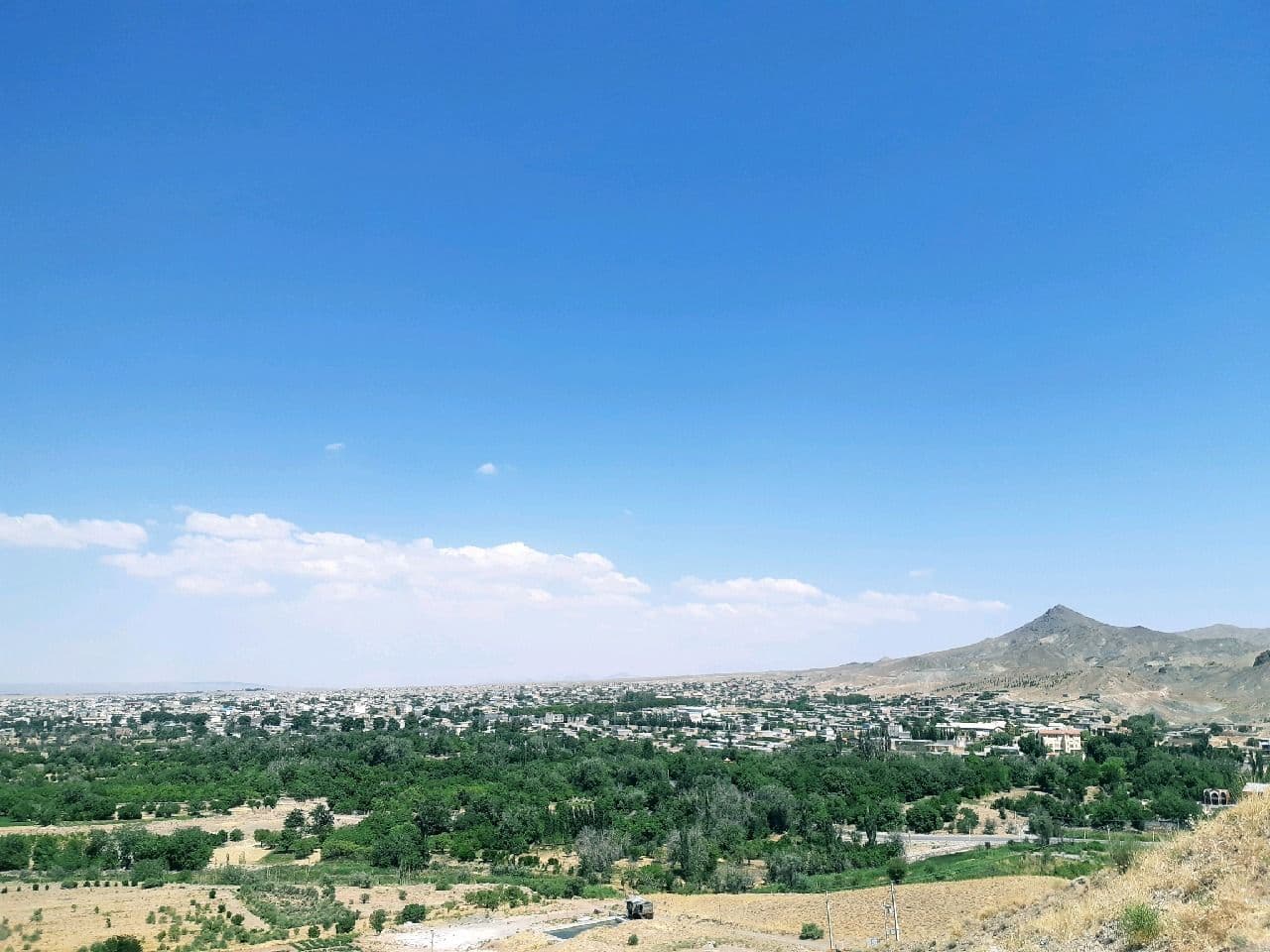
You don’t come to Shahrestān-e Rābor for a polished tourist brochure. You come because you want to see how faith actually looks when it isn’t packaged for Instagram. Located in the rugged heart of Kerman Province, this county sits on the ancient corridor between Bam and Kerman, a landscape that has swallowed empires and spat out saints. If you’re used to the marble domes and fluorescent-lit shrines of Tehran or Mashhad, Rabor will hit you like a slap of cold wind. It is rougher here. The roads are longer. The devotion is quieter, but it cuts deeper.
The Weight of Silence
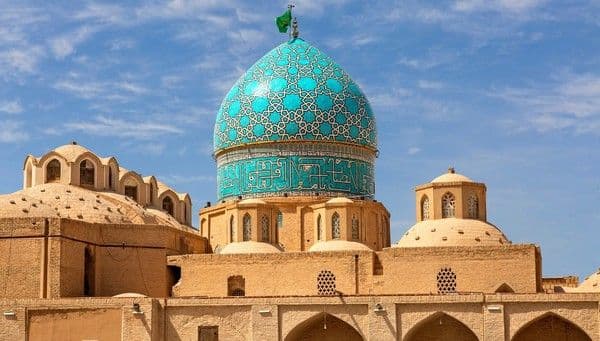
The first thing that hits you isn’t a monument; it’s the sound—or rather, the lack of one. Driving into Rabor from the north, the asphalt narrows, the shops thin out, and the sky opens up into that vast, bruised purple of the Iranian plateau at dusk. There are no confirmed mega-shrines here with ticket booths and gift shops selling keychains. Instead, the religious sites in this region tend to be modest imamzadehs—shrines dedicated to descendants of the Prophet Muhammad—embedded directly into village life. They are often small structures, sometimes just a simple dome painted white or blue against the ochre earth, surrounded by mulberry trees where locals gather for tea.
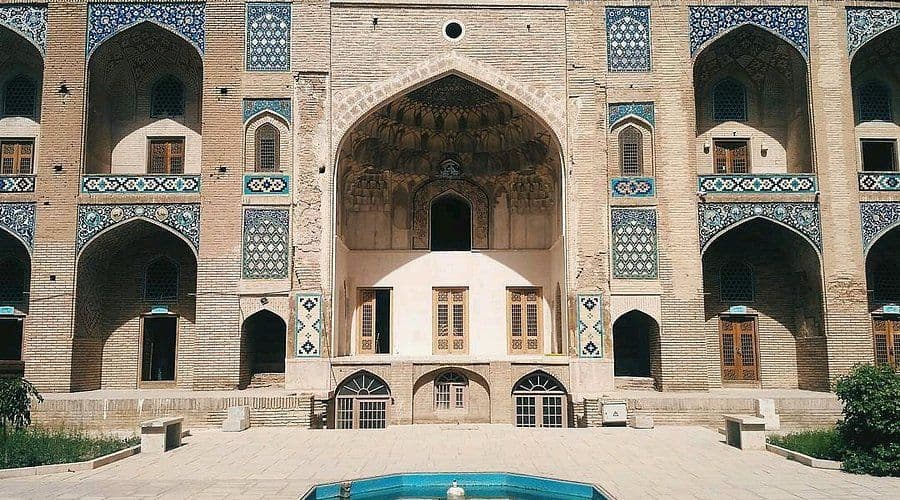
In the capital city of Rabor, the central mosque serves as the heartbeat. It’s not a museum piece; it’s a working machine for community. You’ll hear the call to prayer echo off the mud-brick walls, a sound that feels less like a performance and more like a reminder. The architecture here relies on local materials—clay, stone, wood—that blend seamlessly into the arid surroundings. This isn’t about grandeur; it’s about continuity. The pilgrims who stop here aren’t necessarily tourists. They are truck drivers on the long haul between Bam and Kerman, families visiting relatives, or seekers looking for a quiet corner to pray away from the noise of the big cities.
Navigating the Desert Corridor
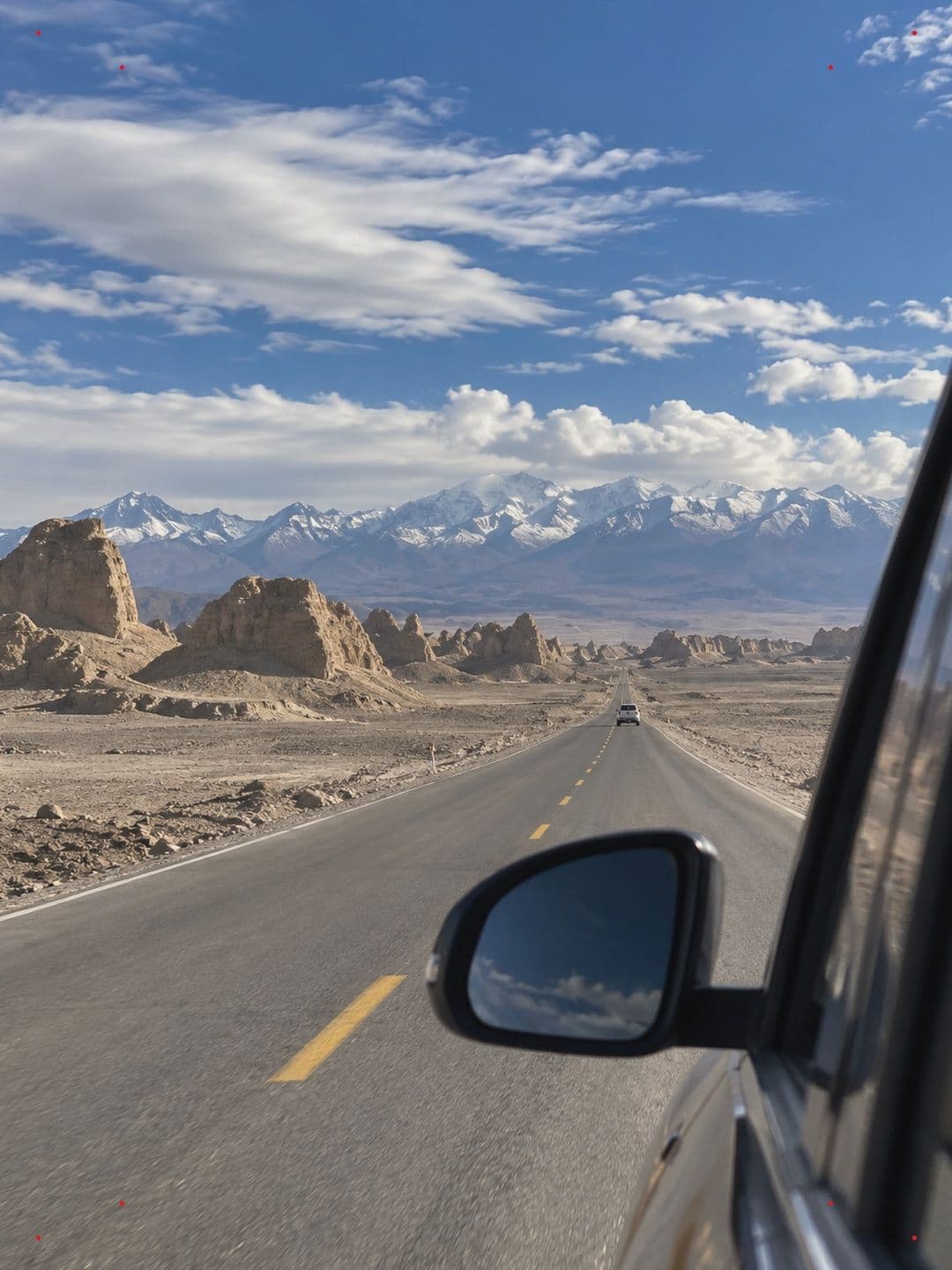
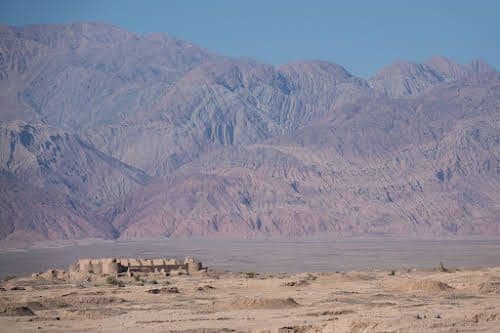
Getting to Rabor requires patience and a solid vehicle. Since specific rail services are unverified for this exact county seat, your best bet is road transport. The route typically flows through Kerman, which acts as the logistical hub for the entire province. From Kerman, the drive south toward Rabor takes you through landscapes that look Martian. The roads are generally maintained, but "maintained" in rural Iran can mean potholes that require sharp reflexes.
If you are coming from the south, via Bam, prepare for heat. Even in autumn, the temperature swings wildly. Daytime highs can still reach the mid-20s Celsius (around 75°F), while nights drop near freezing. Fuel stations are spaced out, so fill up whenever you see one. Don’t rely on GPS alone; ask locals. Directions in these parts are often given by landmarks—"past the old water reservoir," "next to the pomegranate grove"—rather than street names. A physical map or offline data is non-negotiable.
The journey itself is part of the pilgrimage experience. Watching the landscape shift from the industrial outskirts of Kerman to the stark, empty beauty of the Rabor district forces a mental gear change. You leave the noise behind. By the time you arrive, you’re already in a different headspace.
Food and Etiquette on the Road
There is no single "famous dish" confirmed for Rabor specifically, which means you should eat what the locals eat. In the smaller towns and villages surrounding the main city, expect hearty, caloric meals designed for hard labor and cold nights. Look for ash, a thick noodle and herb soup that is essentially comfort food in liquid form. It’s cheap, filling, and served everywhere from roadside diners to family homes. Bread (nan) is the staple, often baked fresh in clay ovens that smell of wood smoke and yeast.
Etiquette matters more here than in Tehran. When entering a shrine or mosque, cover your hair if you are a woman. Men should remove shoes. But beyond the dress code, observe the rhythm. Prayer times halt commerce. Shops close. Streets empty. Do not try to push through this. Wait. Drink tea. Watch the shadows lengthen. The hospitality is genuine but guarded. A smile goes further than loud questions. If you share bread with someone, it’s an invitation into their circle, however brief.
Timing Your Visit: Holidays and Heat
Autumn is the smart window. November offers crisp air and clear skies, perfect for driving without the summer haze. However, mark your calendar for upcoming religious dates, as these will dictate crowd levels and closures. Mawlid al-Imam Ali is observed on the 13th of Rajab, which falls in late January or February depending on the lunar calendar. Expect a surge in local traffic and heightened activity around mosques and shrines during this period. Prices for any available lodging may spike slightly, though Rabor lacks the hotel infrastructure to create a true luxury market. Book whatever guesthouses exist well in advance.
Following that, Isra' and Mi'raj falls in early January 2027. While less commercially driven than major festivals, it draws significant foot traffic to religious centers. If you prefer solitude, avoid these dates. For those seeking immersion, they offer a glimpse into communal worship that tourism rarely captures. Note that Islamic Revolution Day in February 2027 brings national holidays, affecting bank hours and government offices, though private businesses may remain open.
This trip suits solo travelers, slow-travel enthusiasts, and those interested in anthropology over sightseeing. Families might find the amenities sparse compared to coastal resorts, but children adapt quickly to the open spaces. Plan for three days minimum: one day to travel, one to explore the immediate area, and one to sit, watch, and listen.
Practical Realities
Cash is king. Credit cards from outside Iran are virtually useless in rural counties like Rabor. Bring enough Iranian Rials (or Toman) to cover meals, fuel, and minor gifts. ATMs exist in the city center but can run dry or malfunction. Keep small bills handy for tips and taxi rides.
Language barriers are real. English proficiency drops significantly once you leave Kerman city. Learn basic Persian phrases: Salam (Hello), Mamnoon (Thank you), Chand ast? (How much?). A translation app works, but internet connectivity can be spotty in remote areas. Download offline packs beforehand.
Safety is generally high. Violent crime against tourists is rare. The biggest risks are driving accidents due to unfamiliar road conditions and heat exhaustion. Stay hydrated. Respect local norms, and you’ll find that people go out of their way to help you navigate both the roads and the social landscape.
FAQ
Do I need a special permit to visit religious sites in Rabor? No. Unlike some military zones in border provinces, standard tourist visas allow access to public mosques and shrines in Rabor. Always dress modestly.
Is there public transport within Shahrestān-e Rābor? Yes, but infrequent. Shared taxis (savari) operate between villages and the city center. Buses connect Rabor to Kerman and Bam, but schedules are irregular. Renting a car with a driver is the most reliable option for flexibility.
Can I stay overnight in a traditional guesthouse? Options are limited and vary seasonally. Most visitors use small hotels in Rabor city or guesthouses in nearby villages. Expect basic amenities: clean beds, hot water, and shared bathrooms. Confirm availability locally upon arrival, as online booking platforms often miss these smaller properties.