Skip the crowds. Gjinkar’s stone houses and mountain silence offer the raw, unfiltered Albania most itineraries miss.
The first thing you notice in Gjinkar isn’t a monument. It’s the silence. There is no traffic hum, no tour bus idling, no vendor shouting over a Bluetooth speaker. Just the wind moving through the pine trees and the occasional clink of a glass from a shuttered café. You are in a small village in Gjirokastër County, deep in the mountainous south of Albania, close enough to the Greek border to feel the shift in air pressure. You inhabit this place briefly, to see what remains when the performance stops.
The Architecture of Survival
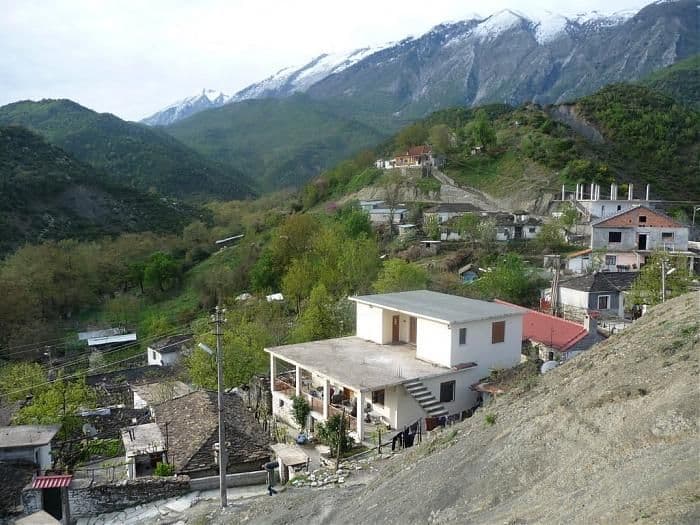
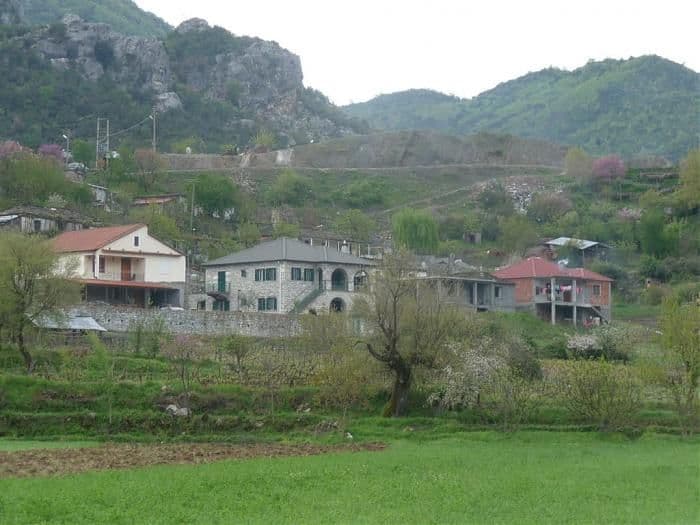
The landscape here is defined by stone. The material is functional and heavy, built for survival. The village is characterized by its traditional stone houses, structures that have withstood centuries of weather, war, and political upheaval. These buildings remain lived in, or slowly decay in a way that feels more honest than a restoration.
The region is renowned for its historical depth, centered around the larger city of Gjirokastër, but Gjinkar sits slightly outside that orbit. This distance is its value. You are looking at the vernacular architecture of the Albanian south, far removed from any UNESCO-listed bazaar. The walls are thick. The windows are small. The logic is defensive, thermal, and practical. Walking through the narrow paths between these houses, you feel the weight of the material. It is cold in autumn, and the stone holds that cold. It is a tactile experience that no photograph can convey.
Why This Beats the Mainstream
Most travelers to southern Albania head straight for the main squares of the larger cities. They take the photos, buy the souvenirs, and leave. Gjinkar forces a different pace. Because there is no individually named historic landmark like a specific castle or church to check off a list, you have to engage with the place itself. The “landmark” is the texture of the village. It is the way the light hits the limestone in the late afternoon. It is the isolation.
This is the last honest corner of the region. It is unfiltered. You are just there, without the pressure of performing a visit. The proximity to the Greek border adds a layer of geopolitical curiosity without the chaos of a major crossing point. It is a place that exists on the map but resists being reduced to a bullet point. If you are looking for a narrative, you have to build it yourself from the silence and the stone.
Getting There: The Reality Check
There is no railway line serving Gjinkar. There is no station. If you are expecting a smooth transit experience, you are in the wrong part of the world. The nearest major hub is Gjirokastër. From there, the journey to the village involves road transport. Albania operates with right-hand traffic, and the roads in this mountainous region are winding and narrow.
You will likely need to arrange a private transfer or a taxi from Gjirokastër, as public bus schedules to such small villages are infrequent and unreliable for tourists. Do not count on a specific timetable. Ask in the city, check with your accommodation, or negotiate a ride. The drive itself is part of the experience. The scenery shifts from urban clutter to dense forest and steep valleys. The electricity in the village is 230V, standard for the region. If you are staying for more than a night, bring a universal adapter. The internet domain is .al, and while connectivity is improving, do not expect the speed of a city center.
Eating and Drinking in the Mountains
There is no signature dish confirmed specifically for Gjinkar. This is a local, seasonal, and home-based food culture. You will not find a Michelin-starred restaurant or a famous street food stall with a line around the block.
In the larger nearby towns, you will find the staples of Albanian cuisine: grilled meats, fresh vegetables, and local cheeses. In Gjinkar itself, your options may be limited to simple inns or family-run rooms that provide basic meals. The appeal lies in the authenticity of the ingredients. If you can find a local olive oil or a homemade bread, that is your reward. Go here to eat simply, quietly, and without distraction. The local market areas in the surrounding region offer a more vibrant food scene, but that is a day trip, not the village experience.
When to Go and Who This Is For
Autumn is a compelling time to visit. The summer heat breaks, and the light becomes sharper. However, the weather can turn cold quickly in the mountains. Pack layers. The region is near the Greek border, and the seasons can be unpredictable.
The nearest major holidays in the region include Independence Day on November 28, 2026, and Liberation Day on November 29, 2026. These dates will see increased traffic and crowds in the larger cities like Gjirokastër. If you want the silence of Gjinkar, avoid these dates. Book your accommodation in advance if you plan to visit during the shoulder seasons, as options are limited.
This place is for the slow traveler. It suits the person who wants to sit on a stone wall, watch the mountains, and think. You need at least two nights to feel the shift in your own rhythm. One day is just a drive. Two days is a pause.
Practical Questions
Do I need a visa to enter Albania? Check the current regulations for your nationality. Many Western travelers can enter with a valid passport for short stays, but rules change. Always verify with your embassy before booking.
Is Gjinkar safe? It is a small, quiet village. Crime rates are low, and the community is tight-knit. Standard travel precautions apply. Be respectful of the local residents and their homes.
Can I find English speakers? In the village, English may be limited. In Gjirokastër, you will find more English speakers, especially in the tourism sector. Learning a few basic Albanian phrases will be appreciated and go a long way in building rapport with locals.