Spring in Haljala vald arrives with a slow thaw, the air carrying the damp earth scent of melting snow and the faint promise of green. Temperatures climb gradually from around 30°F in early April to a more comfortable 62°F by late May, according to Weatherspark’s historical averages. This seasonal shift transforms the landscape—fields that were frozen in winter now show patches of grass, and the birch trees along the roadsides begin to bud. It’s a time of quiet renewal, ideal for travelers seeking peace rather than crowds.
The region, located in Laane-Viru County, is not a bustling urban center but a rural parish with a population under 5,000. Its charm lies in its simplicity: stone farmhouses with red-tiled roofs, quiet dirt lanes flanked by wildflowers, and the occasional wooden cross marking a roadside grave. There are no high-rise hotels or shopping malls here. Instead, visitors find authenticity in the form of family-run guesthouses and restored manors.
Exploring Historical Sites: Palmse Manor and Open-Air Museum
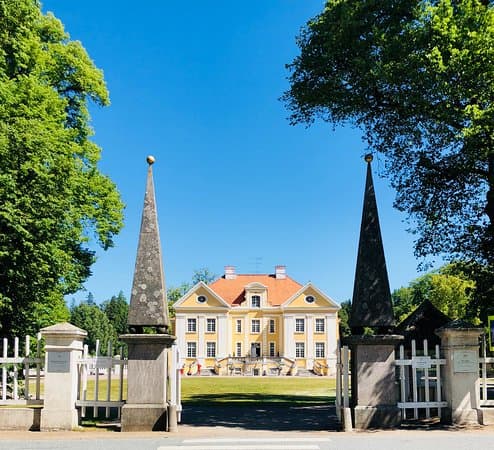
The crown jewel of Haljala’s cultural offerings is Palmse Manor, located just outside the village of Palmse. This 18th-century baroque estate is one of Estonia’s most significant historical buildings, with an architecture that reflects both Baltic German aristocracy and Estonian craftsmanship. The manor house itself is open to visitors during spring months (typically mid-April to mid-October), with guided tours available in English and Estonian. Inside, period furnishings, original woodwork, and porcelain collections offer insight into noble life in the 1700s.
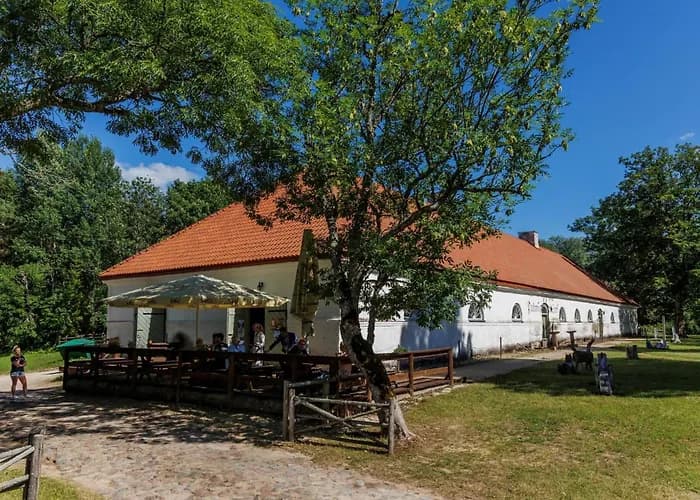
Adjacent to the manor is the Palmse Open-Air Museum, which showcases traditional Estonian farmsteads relocated from various parts of the country. Here, you can walk past a 19th-century dairy barn, observe blacksmith demonstrations (seasonal), and even try your hand at grinding grain using a hand mill. The museum grounds are expansive—over 30 hectares—and include walking paths lined with wildflowers in May. The smell of woodsmoke from a nearby hearth and the sound of distant cowbells add to the immersive experience.
Where to Stay: Guesthouses and Farm Stays
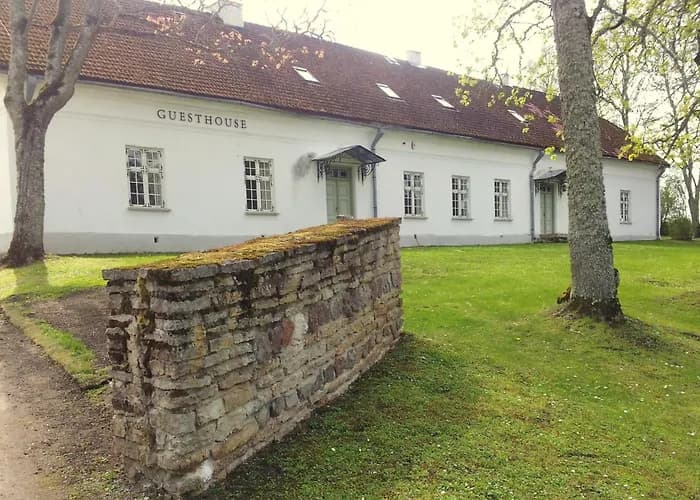
Accommodation in Haljala vald leans heavily toward rustic charm. On Airbnb, several properties offer stays ranging from €50 to €120 per night for a double room, often including breakfast made with local eggs and rye bread. One highly rated option is “Palmse Guesthouse,” located just 2 kilometers from the manor. It features two bedrooms with vintage furniture, a shared kitchen, and a garden where guests can pick strawberries in summer.
For those seeking deeper immersion, consider booking through local tourism boards or contacting farmers directly. Some farms offer “agritourism” packages that include meals prepared with homegrown vegetables and herbs. One such farm near Kärdla offers horseback riding lessons on weekends during spring—ideal for travelers interested in equestrian experiences.
Navigating the Region: Transport Options
There are no public buses connecting Haljala vald to major cities like Tallinn or Tartu during spring due to low ridership. The most reliable way to reach the area is by car—rentals are available at Tallinn Airport (TLL) starting at around €40 per day. The drive from Tallinn takes approximately 2 hours via E20 highway, then turning onto smaller roads leading to Palmse.
If traveling without a vehicle, consider booking a private transfer through local providers like “Estonia Travel Services.” They offer door-to-door service for around €150 round-trip from Tallinn city center. Alternatively, some guesthouses arrange shuttle pickups upon request.
Savoring Local Flavors: What to Eat
Estonian cuisine in Haljala emphasizes seasonal ingredients and preservation traditions. At small cafes like “Palmse Café” (open daily from 9 AM–6 PM), you’ll find dishes such as kohuke (fermented milk cheese), verivorst (blood sausage), and leib (rye bread) served with butter and honey. During spring, look for wild garlic (known locally as lõhn) used in soups or as a garnish—its pungent aroma lingers pleasantly on the tongue.
Farmers’ markets are rare in Haljala vald itself but occur monthly in nearby Rakvere (about 30 km away). There, you can purchase fresh honey from local beekeepers or smoked fish from Lake Peipsi. For dinner, consider dining at “Kõo Restaurant” in nearby Kärdla—it serves modern interpretations of Estonian classics like mulgi (potato dumplings) paired with locally sourced mushrooms.
Outdoor Activities: Nature Trails and Birdwatching
Spring is prime time for birdwatching along the banks of the Pärnu River tributaries that flow through Haljala’s forests. The area is part of a larger Natura 2000 network protecting wetlands and migratory species. Early morning walks on trails near Kuremaa reveal kingfishers darting over water and swallows skimming reeds.
The Outdooractive platform lists several marked hiking routes suitable for beginners—most range between 5–10 km with gentle gradients. One popular loop runs from Palmse through old-growth pine forests to a scenic overlook at Vana-Küla hilltop (elevation: 125 meters). From there, you can see remnants of Soviet-era military installations blending into the landscape.
Planning Your Visit: Practical Tips
- Best Time: Late April to early June for optimal weather and blooming flora.
- Language: While many locals speak basic English at tourist sites, learning simple Estonian phrases (like “Tere!” for hello) enhances interaction.
- Currency: Euro (€). ATMs are limited; bring cash.
- Safety: Low crime rate; rural areas are generally safe even at night.
- Cultural Note: Avoid photographing private homes without permission. Respect quiet hours—many residents value solitude.
Haljala vald may lack the glamour of coastal resorts or capital city nightlife, but its understated beauty offers something increasingly rare: genuine connection to place and time. Whether you’re tracing footprints through centuries-old forests or sharing tea with a farmer who grew your breakfast rye, this corner of Estonia rewards patience and curiosity.