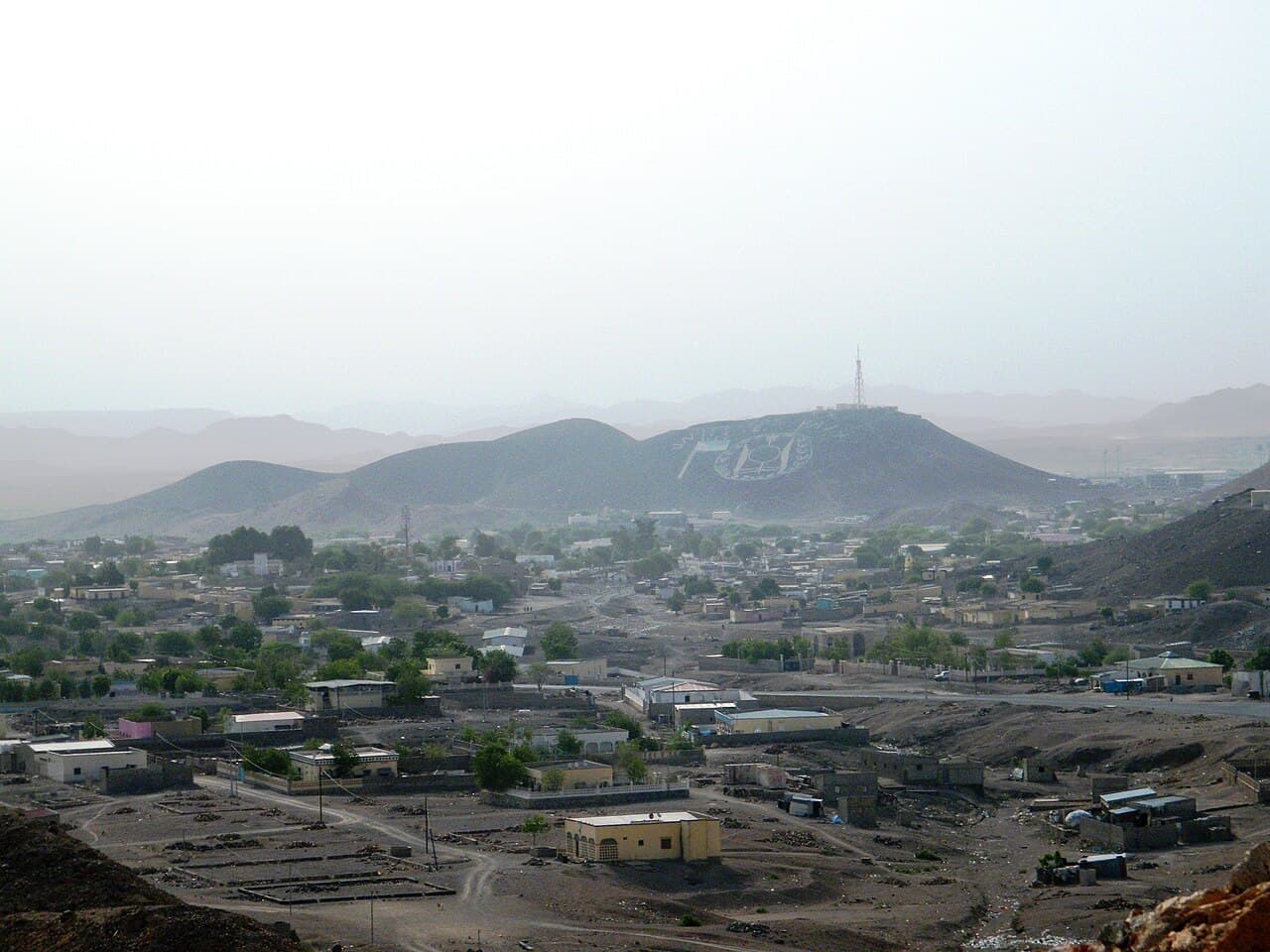
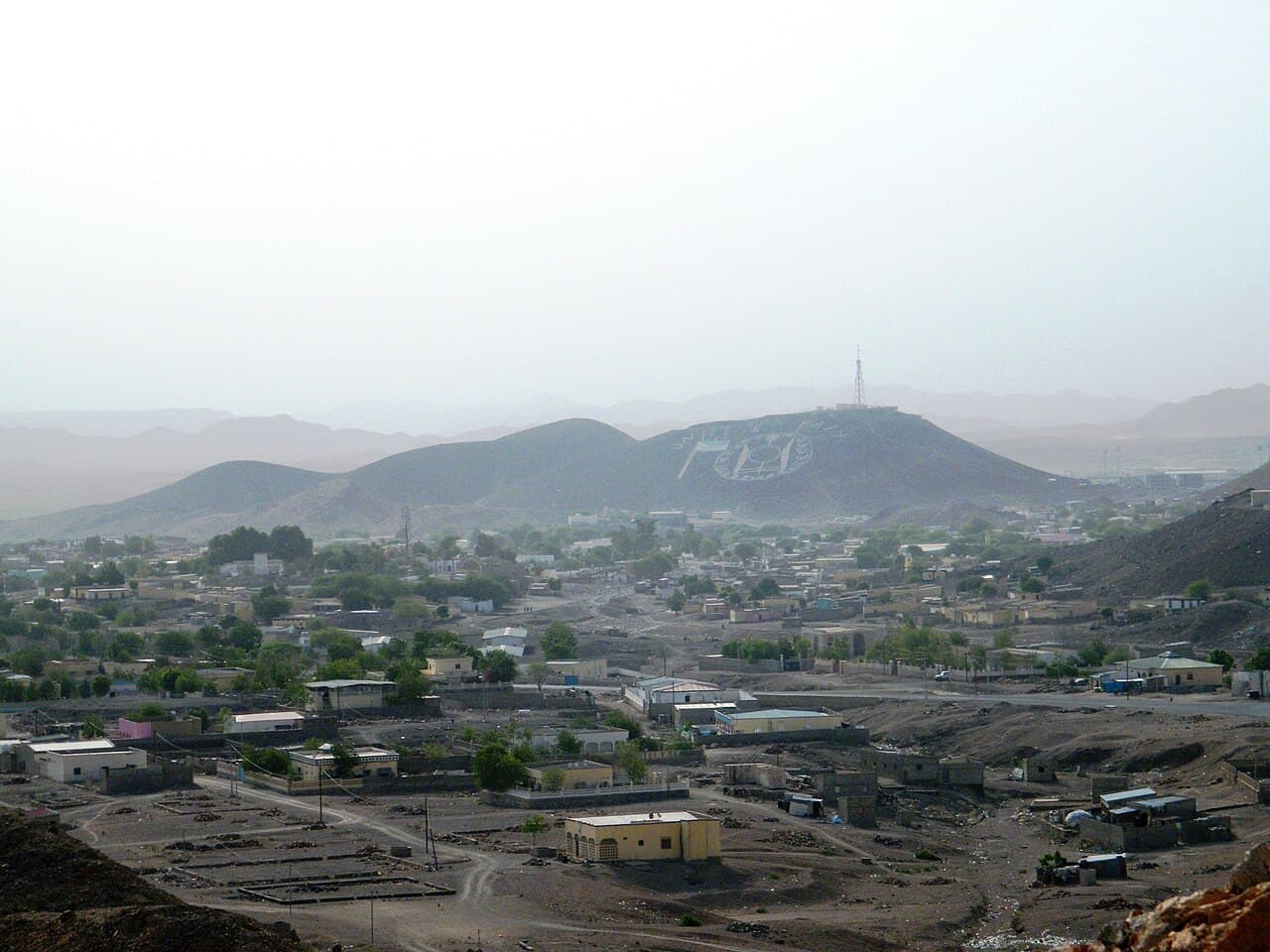
Nestled in the Ali Sabieh Region of Djibouti, Holhol offers a quiet, authentic escape from the bustling capital. With a population of around 3,500, this small town sits at an elevation of 450 meters, providing a slightly cooler climate than the coastal areas. Spring in Holhol brings mild temperatures and a subtle shift in the landscape as the semi-arid terrain begins to show signs of life, making it an ideal time for travelers seeking a genuine cultural and natural experience.
Explore the Local Markets and Daily Life
Holhol’s charm lies in its simplicity and the warmth of its people. The town’s walkable streets lead to small local markets where the air is filled with the scent of spices, fresh bread, and dried herbs. These markets are not just places to shop—they are vibrant social hubs where locals gather to exchange news, barter goods, and share stories. Visitors can observe the daily rhythm of life, from livestock traders to farmers selling seasonal produce. While the market offerings are modest, they reflect the town’s reliance on pastoralism and subsistence agriculture. For travelers, this is a rare opportunity to witness a community living in harmony with its environment.
Hike Through the Surrounding Natural Landscapes
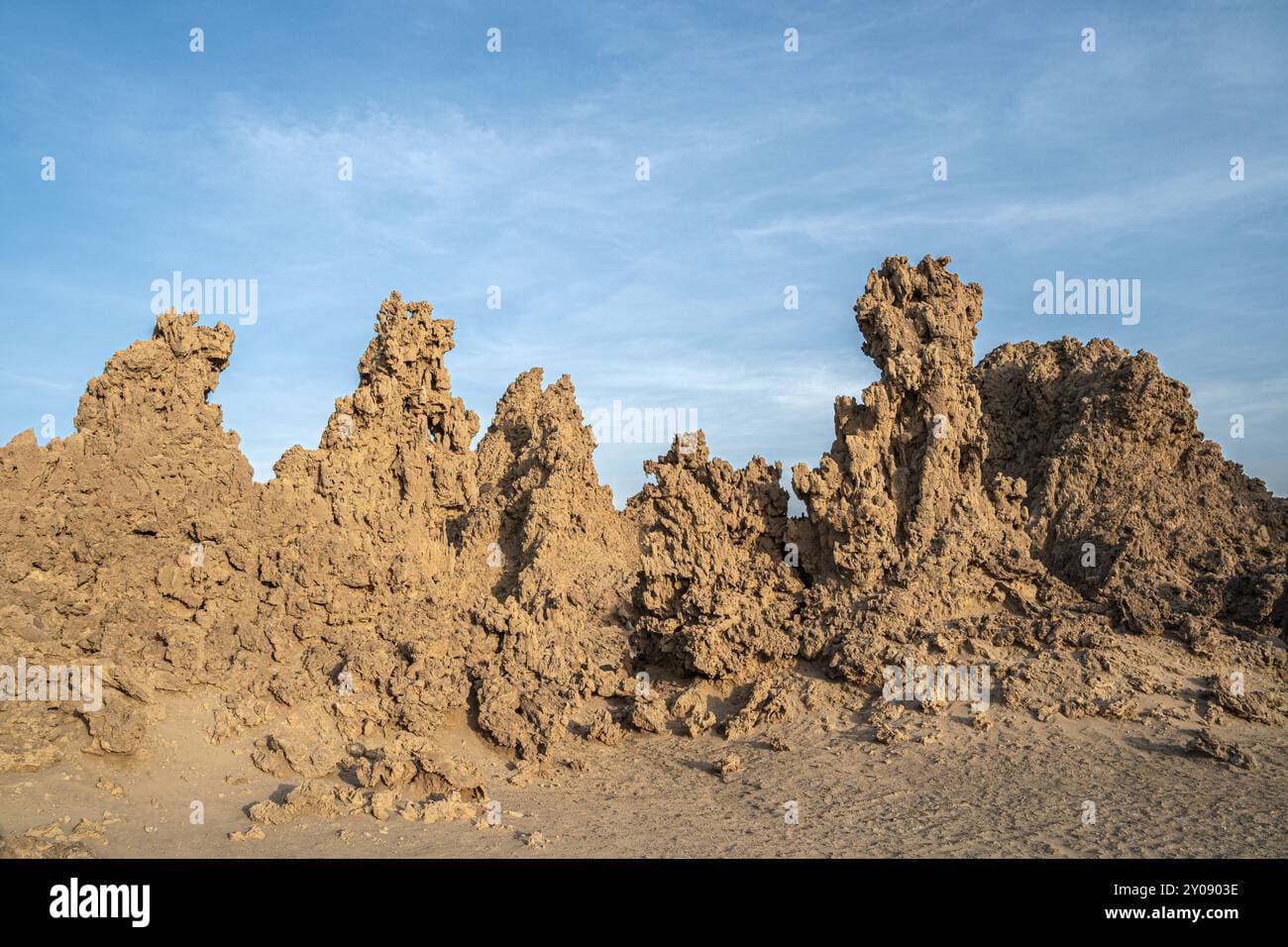
Just outside Holhol, the terrain opens into rolling hills and rocky outcrops typical of Djibouti’s inland regions. Spring is the best time for light hiking, as daytime temperatures are more bearable, and the occasional rain has left the earth slightly greener. The area is not yet developed for mass tourism, so hikers can enjoy solitude and unspoiled views. Local guides are available for those interested in exploring the region’s geological features or learning about traditional land use. Always carry plenty of water and wear sun protection, as the sun remains intense even in spring.
Learn About the Local Culture and Traditions
Holhol is home to a mix of Afar and Issa communities, each with distinct cultural practices. While the town itself does not have formal museums or cultural centers, travelers can engage with locals to learn about traditional crafts, livestock management, and oral histories. Many families welcome respectful visitors into their homes for tea or a meal, offering a rare glimpse into everyday life. It’s important to approach these interactions with humility and respect—ask permission before taking photos, and dress modestly. The local culture values hospitality, but also privacy and tradition.
Experience the Seasonal Shifts in the Environment
Spring in Holhol is marked by a noticeable change in the environment. While the region remains arid, the increased daylight and occasional rainfall can cause wildflowers to bloom in the valleys and along riverbeds. This is a unique time to observe the delicate balance between human activity and nature. The surrounding hills, though rocky, support hardy shrubs and acacia trees that are vital to the local ecosystem. For nature enthusiasts, this season offers a chance to photograph the landscape in its most dynamic state, though wildlife sightings are rare due to the sparse vegetation.
Travel Tips and Safety Considerations
Visiting Holhol requires a degree of flexibility and preparedness. The town lacks major tourist infrastructure, so travelers should bring their own food, water, and basic medical supplies. Transport to Holhol is typically by private vehicle or shared taxi from Djibouti City, a journey of about 44 kilometers. Roads are generally passable but may be dusty and uneven. Safety is generally good, but as with any remote area, travelers should avoid walking alone at night and keep valuables secure. It’s also wise to check local travel advisories before departure, as Djibouti’s border regions can be sensitive. Always respect local customs—dress conservatively, especially when visiting homes or religious sites.
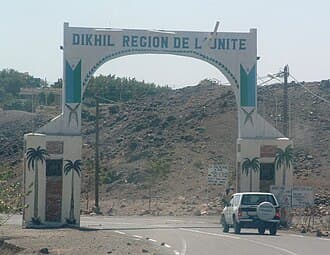
Holhol may not be on the typical tourist map, but for those seeking authenticity, tranquility, and a deeper connection to a place, it offers a unique and rewarding experience. In spring, the town and its surroundings come alive in subtle, meaningful ways—perfect for travelers who value slow, thoughtful exploration over crowded attractions.