Doha blends ancient souqs with futuristic skylines. Discover the best transit routes, culinary staples, and cultural sites for a seamless Qatar holiday in 2026.
The air in Doha carries the scent of cardamom and roasted coffee before you even step out of your hotel. It is a city that demands a slower pace, especially when the summer heat rises, yet it offers a dense concentration of culture, commerce, and comfort that rewards the patient traveler. For those planning a holiday here, the key is to understand the rhythm of the city—from the underground hum of the metro to the quiet dignity of its museums.
Navigating the City with Ease
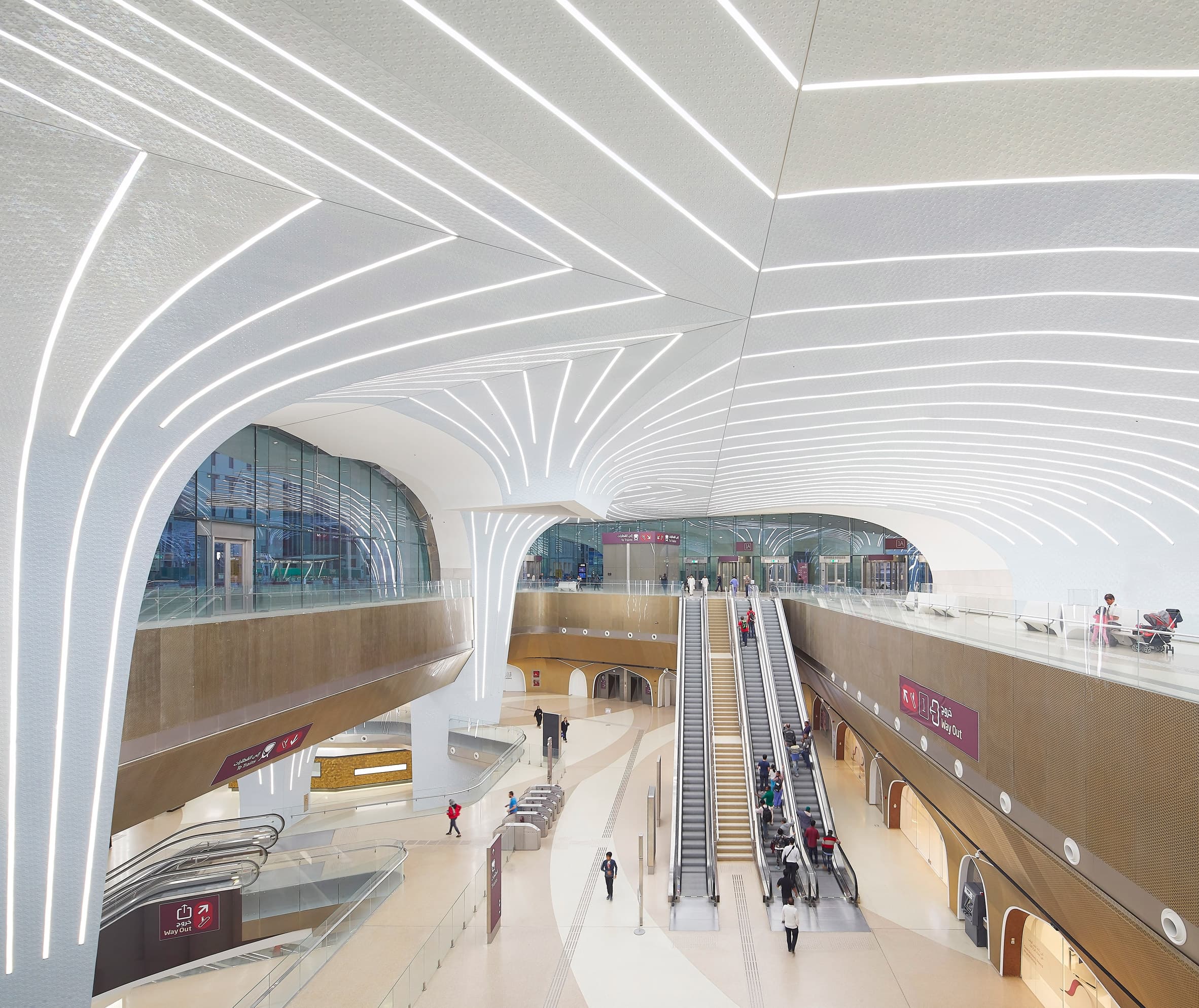
Getting around Doha is surprisingly straightforward, thanks to a modern transit network that connects the city’s major arteries. The Doha Metro is the backbone of this system, operating largely underground in the central districts to keep passengers cool. The Red Line is particularly useful for tourists, linking the airport to key destinations like the Museum of Islamic Art and the Corniche.
For those heading to the north, the Lusail area is well-served by the Doha Metro network. The tram service in Lusail connects seven stations along the dedicated tram line, offering a breezy, open-air way to explore the modern district. It feels distinct from the denser central city, providing a scenic route through contemporary architecture and waterfront views. If you are shopping, Mall of Qatar Station is a critical stop; it serves the massive Mall of Qatar and connects seamlessly to the broader metro network, ensuring you can reach retail hubs without dealing with traffic.
Where to Stay: Districts to Consider
While specific hotel names vary by budget and availability, choosing the right district is the most important decision for your stay. For a luxury experience with international dining, The Pearl-Qatar is the standout choice. This upscale artificial island district offers a marina lifestyle, high-end boutiques, and a walkable promenade that feels detached from the mainland’s intensity.
For those who prefer to be in the heart of the action, central Doha near the Corniche Station is ideal. This area provides easy access to the waterfront promenade, the Museum of Islamic Art, and the souqs. Staying here means you can walk to many attractions, reducing the need for constant transit. Alternatively, if you are visiting for business or industrial tours, the Free Zone Station area offers more functional, budget-friendly accommodations, though it lacks the tourist infrastructure of the center.
Cultural Anchors and Historic Markets
No holiday in Doha is complete without a visit to Souq Waqif. This historic traditional market is a sensory overload in the best way possible. The narrow lanes are lined with shops selling spices, textiles, and silverware. The smell of cumin and dried herbs is pervasive, and the sound of haggling merchants adds to the atmosphere. It is an "old-meets-new" landmark, where restored traditional buildings house modern cafes and art galleries.
Nearby, the Museum of Islamic Art (MIA) stands as an architectural icon. Designed by I.M. Pei, its stark white limestone facade contrasts beautifully with the blue waters of the Arabian Gulf. Inside, the collection spans 1,400 years of Islamic art, from textiles to manuscripts. It is a place for quiet contemplation, a stark contrast to the energy of the souq.
For a broader cultural experience, Katara Cultural Village is a must. This complex is dedicated to showcasing Qatar’s heritage through architecture, arts venues, and performance spaces. It hosts various festivals and exhibitions, making it a dynamic spot to see local and international art in action.
A Taste of Qatar: Local Dishes to Try
Food is a central part of the Qatari experience, and the local cuisine is rich, flavorful, and deeply rooted in tradition. Machboos is the national favorite, a fragrant yellow rice dish cooked in meat stock. Traditionally made with lamb, goat, or chicken, it is often topped with split peas, raisins, and caramelized onions. The spices used give it a distinct aroma that lingers long after the meal.
Another staple is Thareed, a hearty dish featuring lamb stew with vegetables, served over crispy, torn bread. It is a comforting dish, perfect for cooler evenings. For dessert, try Luqaimat, which are sweet fried dough balls drizzled with date syrup. They are light, fluffy, and incredibly sweet. Balaleet is another popular sweet dish, consisting of vermicelli noodles cooked with sugar, cardamom, and saffron, often topped with an omelet. It is a unique combination of sweet and savory that reflects the diverse influences on Qatari cuisine.
Practical Tips for Your Visit
Timing is everything in Doha. The best season to visit is during the winter months, from November to March, when the weather is mild and pleasant. Summer temperatures can soar, making outdoor activities challenging. If you are visiting during religious holidays, be aware of the "Eid masses," which can lead to significant traffic peaks and crowded public transport.
Doha is also a major hub for layovers. Many travelers cite efficient airport-to-city-center connectivity, making it easy to explore the city even with a short stop. A 7-hour layover is often considered sufficient to visit the Museum of Islamic Art or Souq Waqif. When planning your itinerary, book tickets for popular attractions in advance, especially during peak tourist seasons.
When to Go and Who It’s For
With no major holidays on record in the next six months, the current period is ideal for a quieter visit. The city is less crowded, and you can enjoy the attractions at a more relaxed pace. Doha is suitable for a variety of travelers. Families will appreciate the safety and clean public spaces, while solo travelers can easily navigate the city using the metro. Slow travelers will find much to explore in the cultural villages and museums.
A stay of three to four days is ideal to cover the main sights without rushing. This allows time to wander through Souq Waqif, spend a morning at the MIA, and enjoy the evening atmosphere at The Pearl-Qatar.
FAQ
Is Doha safe for tourists? Yes, Doha is considered one of the safest cities in the world. Crime rates are low, and the city is well-policed. Standard travel precautions apply, but there is little to worry about regarding personal safety.
What is the best way to get from the airport to the city center? The Doha Metro is the most efficient option. The Red Line connects the airport directly to key city destinations, including the Corniche and Museum of Islamic Art. It is clean, air-conditioned, and runs frequently.
Do I need a visa to visit Qatar? Visa requirements vary by nationality. Many countries are eligible for visa-free entry or visa-on-arrival. It is essential to check the latest regulations with the Qatar Ministry of Interior or your local embassy before traveling.