Abiko-shi offers a disciplined escape from Tokyo. 31.3km away, it is a study in order, history, and quiet transit efficiency.
The train from Ueno Station arrives at Abiko Station in roughly 35 minutes. This is a precise transaction. You exchange the chaotic density of central Tokyo for the structured geometry of Chiba Prefecture. Abiko-shi caters to those who prefer clarity. It features clear lines, maintained grounds, and historical sites that demand attention without requiring effort. The air here is cooler, the streets are wider, and the pace is dictated by the schedule of the JR East lines rather than the whims of crowds. For a holiday that prioritizes clarity over chaos, Abiko-shi is the correct choice.
The Transit Audit
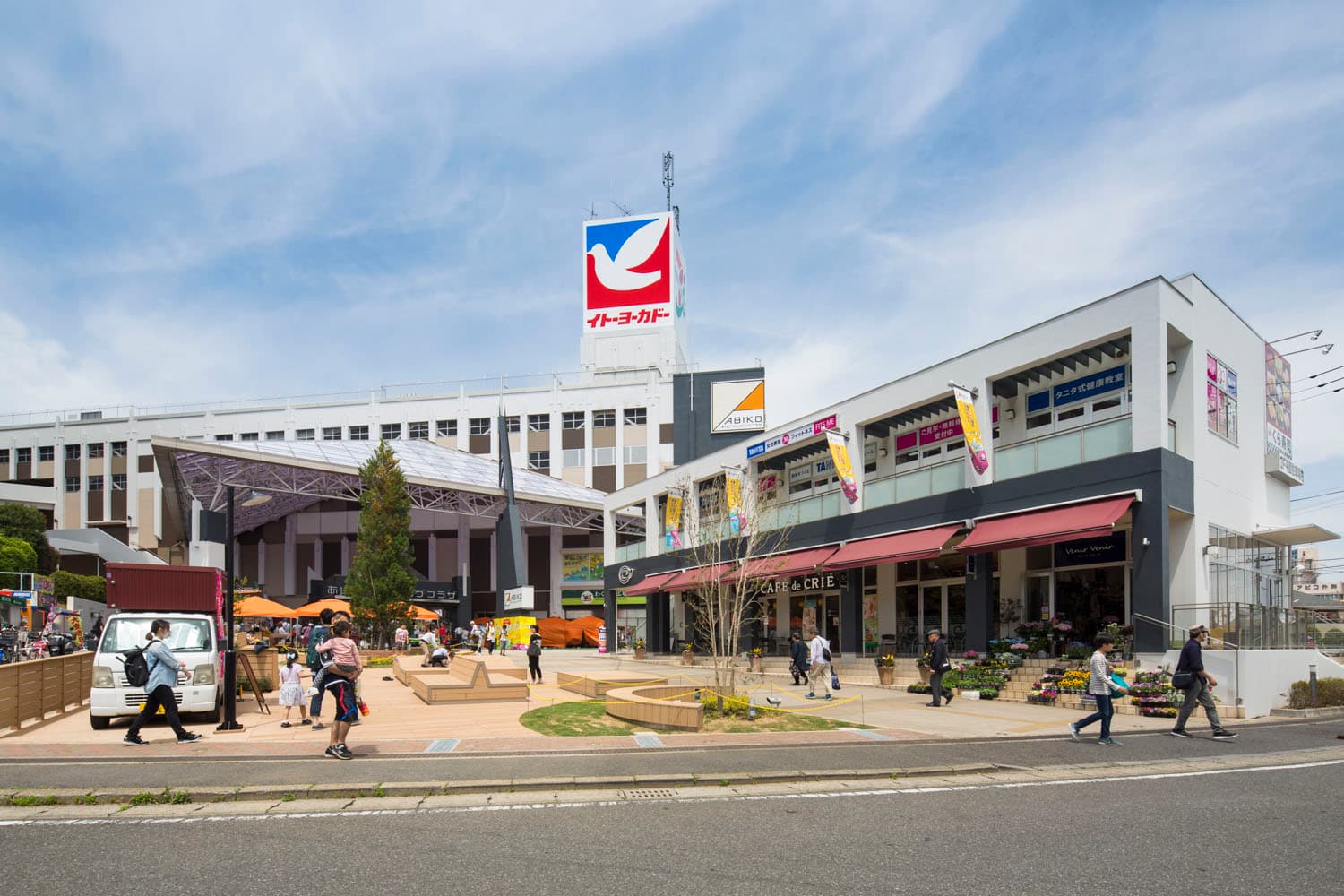
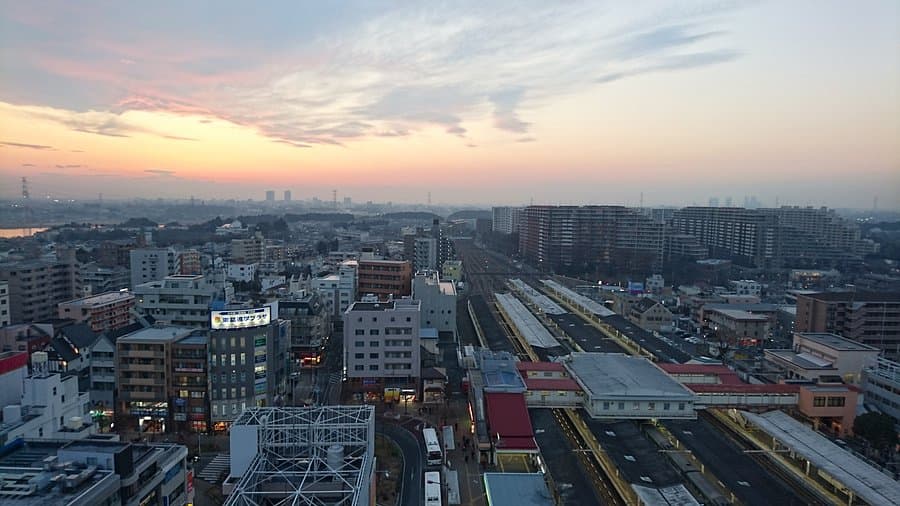
Efficiency is the primary metric for evaluating Abiko-shi. The city is anchored by Abiko Station, a junction operated by JR East. It serves as the terminus for the Abiko Branch Line of the Narita Line and a key stop on the Jōban Line. The distance from Ueno Station is 31.3 kilometers. This is a manageable radius. It allows for a full day of exploration without the fatigue associated with longer excursions.
The Jōban Line connects Abiko directly to Ueno. The ride is steady. The trains are clean, the seating is adequate, and the announcements are clear. You do not need to book tickets in advance for a day trip. The fare is calculated by distance, standard for JR East. Use a Suica or Pasmo card for seamless entry and exit. The station layout is logical. Exits lead directly to the main commercial areas. There is no confusion regarding directions. The infrastructure supports a smooth transition from transit to exploration.
Historical Assets
Abiko-shi possesses a concentration of historical sites that reflect its status as a former castle town. The Nedo Castle Site offers a view of the past through archaeological preservation. It stands as a grounded reminder of the region’s feudal importance. Nearby, the Nakatsuka Tombs provide a somber counterpoint to the civic structures. These are places of quiet observation.
The cultural heritage is further documented in private residences turned museums. The Shiga Naoya Teiato is the former home of the author Shiga Naoya. It is a preserved space that allows visitors to inspect the living conditions of a literary figure. The attention to detail in the preservation is notable. Similarly, the Former Mushanokoji Saneatsu Residence offers insight into the life of the artist and writer Mushanokoji Saneatsu. These sites are not crowded. They allow for a measured examination of the interiors and the surrounding gardens. The Old Murakawa Besso is another historical residence, adding to the density of verifiable history in the area. Each site is a distinct asset, offering a specific perspective on the region’s past.
Spiritual Grounds
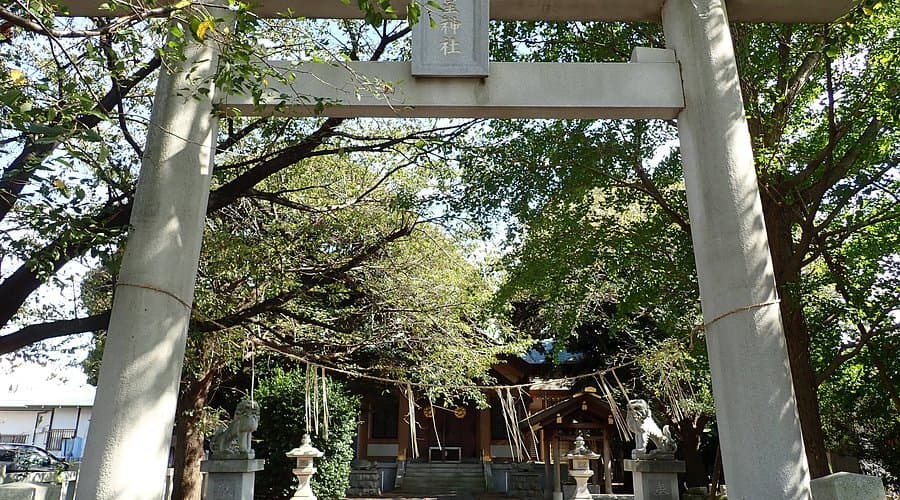
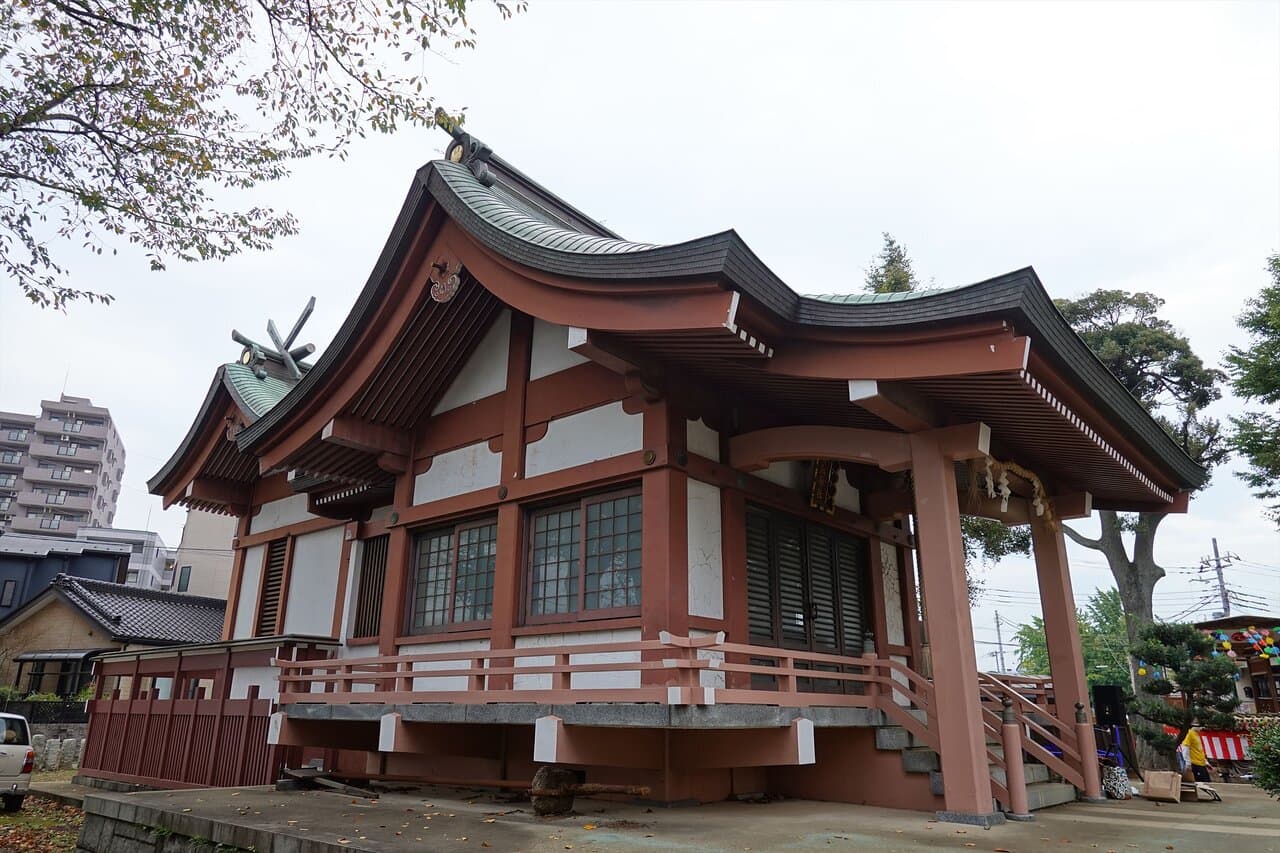
The spiritual landscape of Abiko-shi is defined by its shrines and temples. Hokusei Shrine is a local Shinto site. It is characterized by clean lines and orderly grounds. The atmosphere is respectful and quiet. Visitors can observe the rituals without intrusion. The shrine serves as a focal point for the community, maintaining a standard of upkeep that reflects local pride.
Shosenji Temple is a Buddhist site that offers a different aesthetic. The architecture is traditional, with wooden structures that have been maintained to a high standard. The grounds are spacious, allowing for a calm walk. Nenokamidaikokuten Enju-in is another temple complex, combining Buddhist and Shinto elements. It is a place of synthesis, reflecting the layered religious history of Japan. The lighting in these spaces is often soft, filtered through trees or paper screens. The silence is structured. These sites are active places of worship, and visitors are expected to adhere to the decorum. Remove shoes where required. Speak in low tones. The experience is one of disciplined reverence.
Civic Order
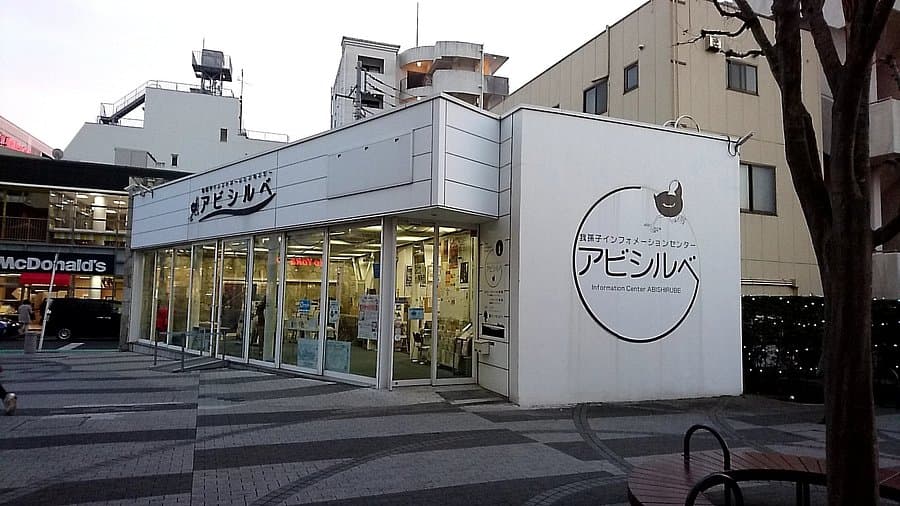
The daily life of Abiko-shi is centered around Keyaki Plaza. This is a major shopping and community complex. It provides all the necessary amenities for a visitor. The stores are organized, the cleanliness is consistent, and the service is efficient. It is a place to observe the routine of the local population. The plaza is connected to the station, making it accessible without unnecessary walking.
Sakae Bridge is a local landmark. It spans a waterway, providing a connection between different parts of the city. The bridge is functional but also serves as a visual anchor. The view from the bridge is of the river and the surrounding urban fabric. It is a place to pause and assess the layout of the city. The infrastructure is well-maintained. There are no signs of decay. The streets are paved, the sidewalks are clear, and the signage is legible. This level of order is not accidental. It is the result of consistent municipal management. The environment is conducive to a relaxed walk. There is no traffic chaos. The streets are wide enough to allow for a comfortable pace.
Practical Execution
The logistics of a visit to Abiko-shi are straightforward. There are no complex booking requirements. The attractions are open to the public during standard hours. It is advisable to check the specific opening times for museums like the Shiga Naoya Teiato before visiting, as they may have limited hours or closure days. The JR East fare calculator should be used to determine the exact cost of the train ride from Ueno. The price is fixed and transparent.
For food, there are no specific local dishes unique to Abiko-shi that are widely documented. However, the restaurants in and around Keyaki Plaza offer standard Japanese fare. The quality is consistent with the rest of the region. Crab and seafood from Chiba Prefecture may be available in some establishments. The dining experience is efficient. Service is prompt. The focus is on sustenance and cleanliness rather than theatrical presentation.
Timing and Audience
The best time to visit Abiko-shi is during the shoulder seasons. Spring offers cherry blossoms, and autumn provides foliage. These are the periods when the natural beauty of the temples and shrines is most apparent. Summer can be hot and humid, which may affect the comfort of outdoor exploration. Winter is cold but clear, allowing for a crisp view of the historical sites.
The next major holiday is Marine Day on July 20, 2026. This is approximately five weeks away. Expect higher demand for accommodation and potential crowding at local sites. Book early if you plan to visit during this period. Mountain Day on August 11, 2026, is another peak time. Respect for the Aged Day on September 21, 2026, and the subsequent National Holiday and Autumnal Equinox on September 22-23, 2026, will also see increased activity. Sports Day on October 12, 2026, is further out. For a quiet experience, avoid these dates.
Abiko-shi is suitable for solo travelers who appreciate order and history. It is also appropriate for couples seeking a low-stress day trip. Families may find the museums and parks engaging. The city is walkable, and the transit is reliable. A full day is sufficient to explore the main sites. There is no need to extend the stay unless one wishes to experience the local rhythm over multiple days. The value of Abiko-shi lies in its precision. It is a place where everything is in its proper place. This is a rare quality in travel. It offers a reset. A return to clarity.