Swap crowded resorts for the mangrove-lined quiet of Dubréka, Guinea. A serene, low-key coastal escape just minutes from Conakry’s energy, perfect for couples seeking privacy, natural beauty, and authentic West African charm without the tourist trail.
The Appeal of Off-the-Beaten-Path Romance
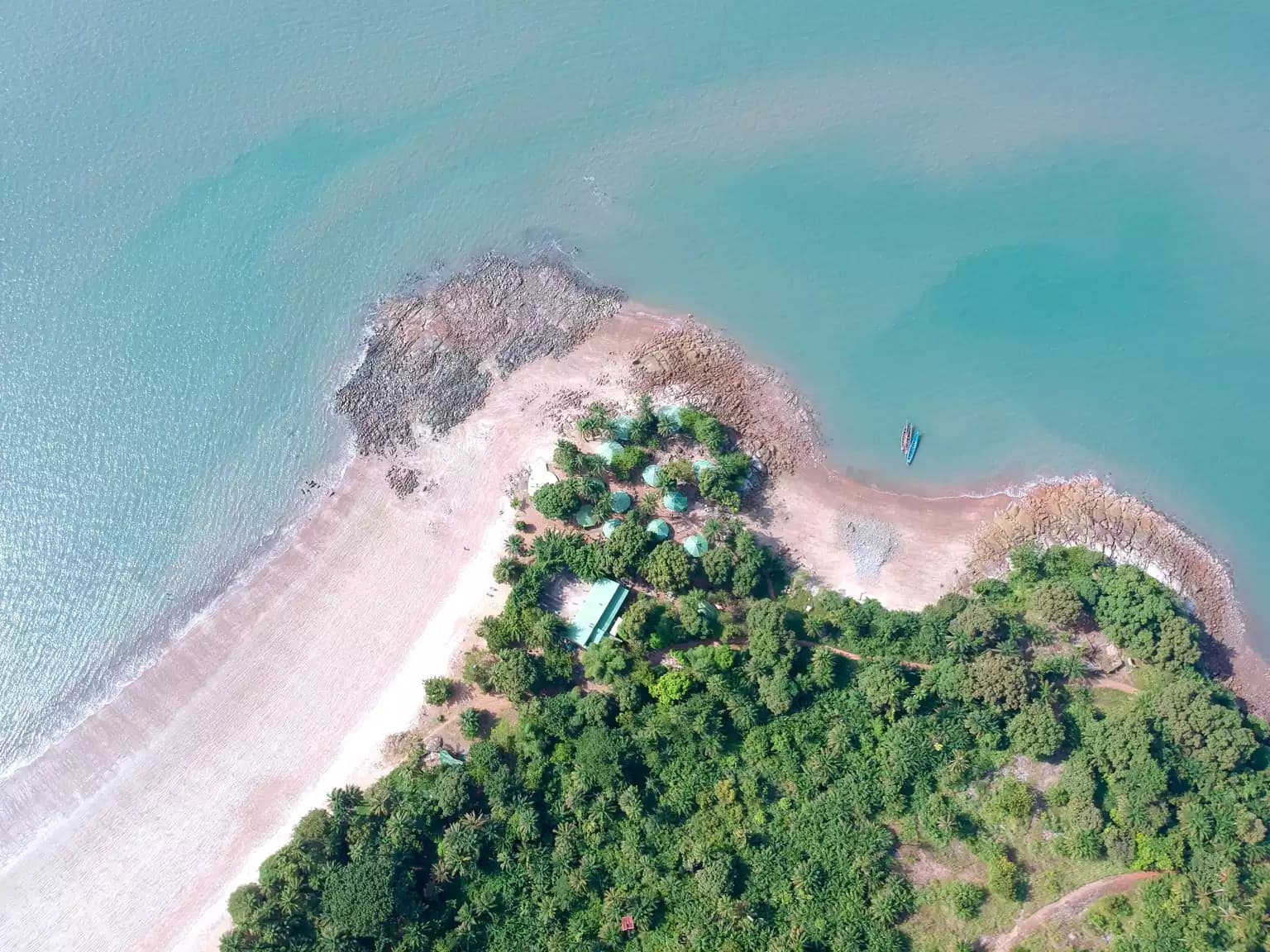
Most honeymoon itineraries default to the predictable: overbooked beach clubs in the Maldives, crowded terraces in Paris, or all-inclusive resorts in the Caribbean. There is a different kind of romance, however, found in places that demand a bit more navigation and reward it with profound solitude. Dubréka, a town on the Atlantic coast of Guinea, offers exactly this. Located just north of the capital, Conakry, it is a place where the ocean meets dense mangrove forests, creating a landscape that feels both wild and intimately scaled.
For the couple willing to look beyond the standard guidebooks, Dubréka provides a canvas for a quiet, reflective honeymoon. The air here is thick with the scent of salt and damp earth, a sensory backdrop that is far more honest than the perfumed lobby of a luxury hotel. The destination suits travelers who prefer long walks along the shoreline, watching the light change over the water, and experiencing the rhythm of daily life in West Africa without the pressure of tourism. The intimacy here is self-created, born from the absence of crowds and the presence of nature.
Where to Stay: Embracing Local Hospitality
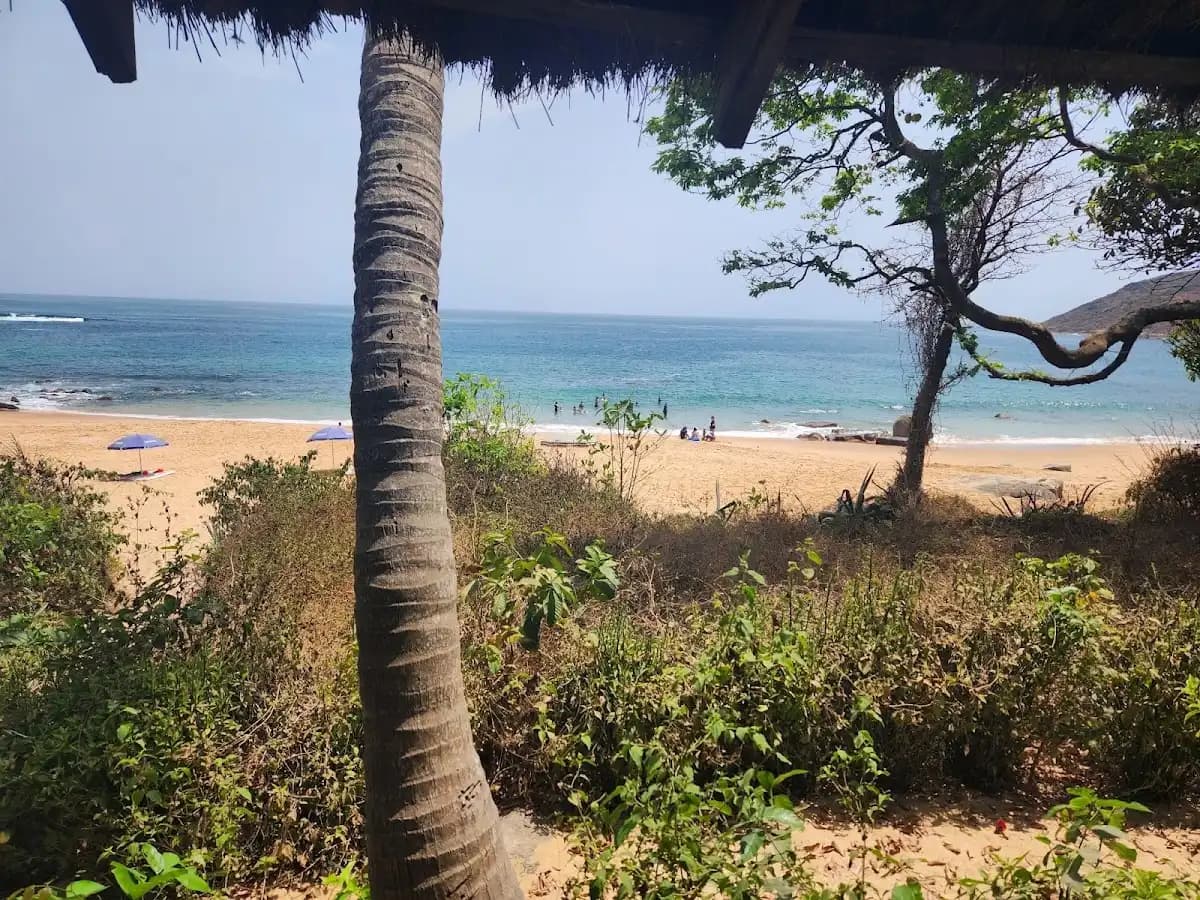
Finding accommodation in Dubréka requires a shift in expectations. There are no international hotel chains or five-star resorts listed in the town. Instead, lodging consists of local guesthouses and smaller hotels that cater primarily to domestic travelers, business visitors, and families. This reality enhances the experience by embedding you in the community rather than separating you from it with a resort wall.
When planning your stay, look for guesthouses in the central area of town or those slightly removed from the main road for more privacy. Prices are generally very affordable by international standards, often ranging from $20 to $50 per night for a private room with basic amenities. It is crucial to manage expectations: electricity and water may not be as reliable as in Western capitals, and English is not widely spoken. However, the hospitality is warm, and the staff are eager to help. For a honeymoon, this means a more personal interaction, where you might share a meal with the family running the guesthouse or receive tips on the best local spots from someone who has lived there their whole life. Booking ahead is recommended, especially if you are visiting during the dry season, as options are limited.
Getting Around: The Railway and Road Reality
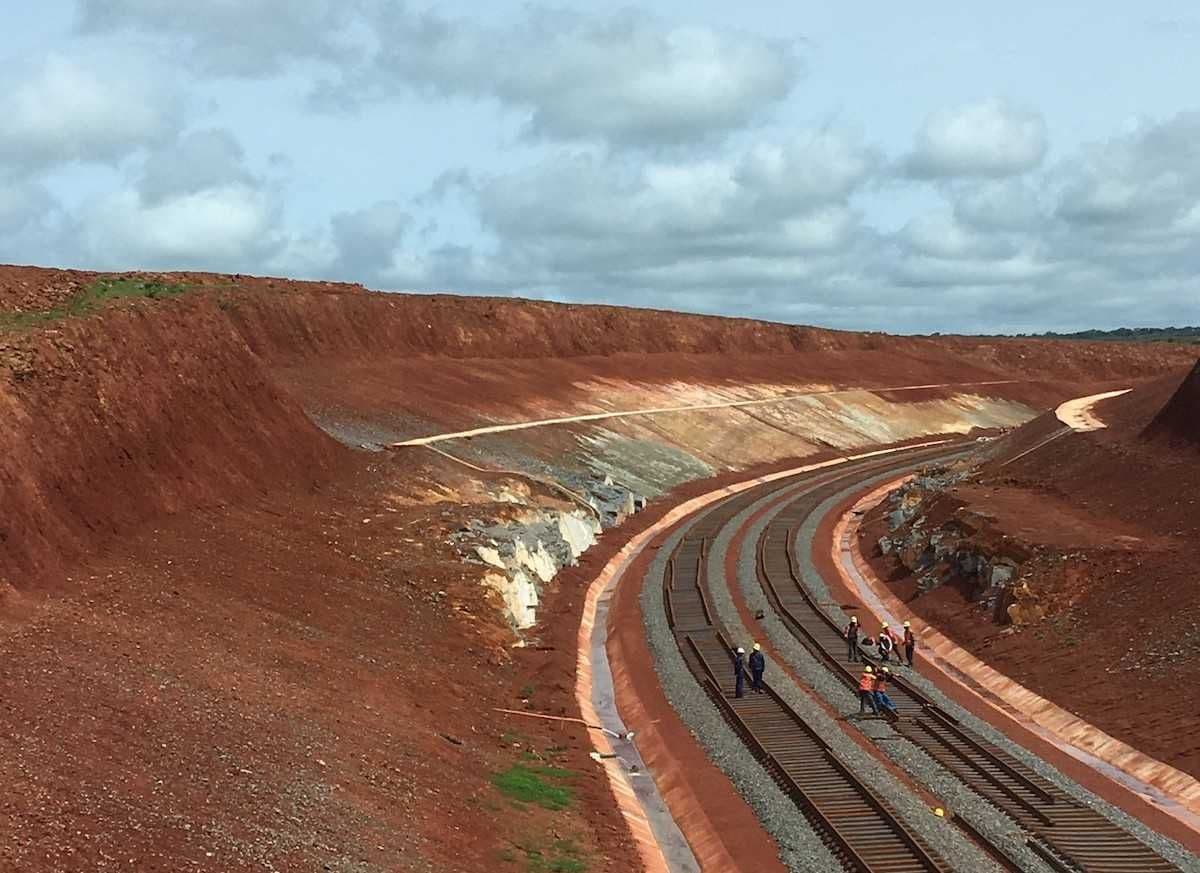
Dubréka’s connection to the outside world is defined by its infrastructure. The most prominent feature is the Dubréka Railway Station, which serves the Fria Bauxite Railway. This 1000mm gauge line is an industrial artery, transporting bauxite from the mines in Fria to the port. While there is no regular passenger service for tourists, the railway itself is a striking visual element of the town’s landscape. The long, parallel tracks cutting through the greenery offer a unique, almost cinematic backdrop for photos, provided you stay on the designated paths and respect safety guidelines.
For getting around, road access is the primary mode of transport. Dubréka is located approximately 9–10 km from Conakry, making it a short drive from the capital. This proximity is a double-edged sword: it allows for easy access to the city’s amenities if needed, but it also means the town is within commuting distance for many residents. Taxis and private drivers are the best options for couples. Hiring a private car for a day allows you to explore the coastline at your own pace, stopping at viewpoints or local markets as you please. Negotiating fares is standard practice, so agree on a price before getting in. The roads are generally paved but can be busy, so patience is key.
Nature and History: Mangroves and Memory
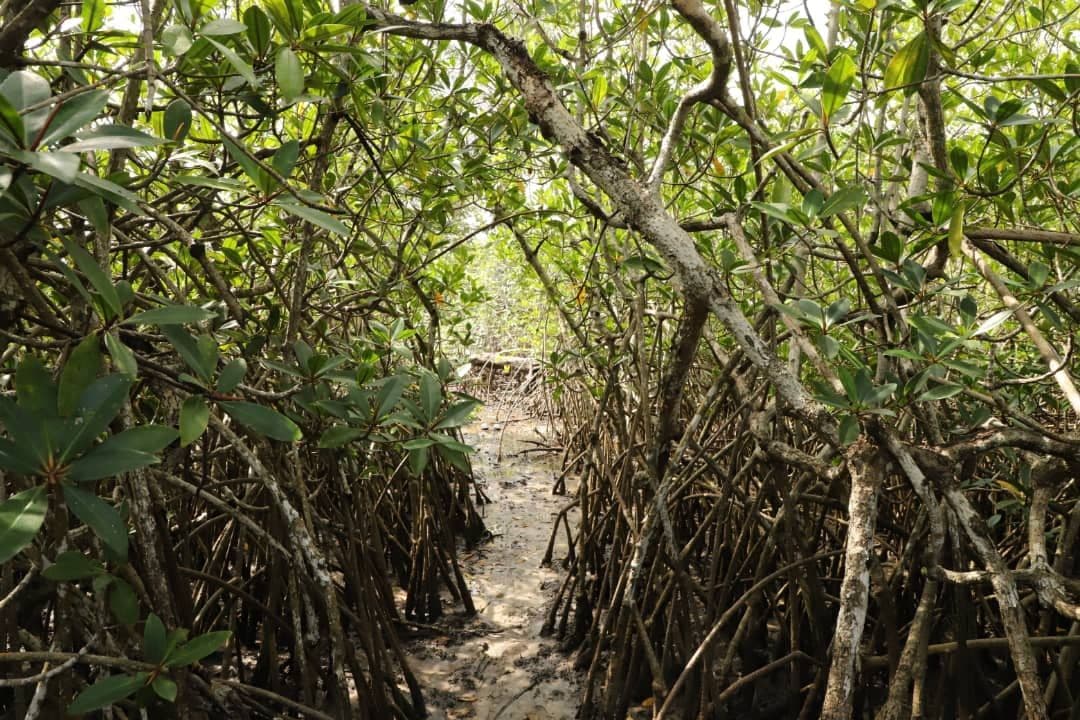
The natural beauty of Dubréka is anchored by its mangrove swamps. These coastal landscapes are ecologically vital, filtering the water and protecting the shoreline from erosion. Walking through the mangroves, if accessible via local guides or safe paths, offers a peaceful, shaded experience. The interplay of light and water, the sound of birds, and the intricate root systems create a serene environment that is perfect for a couple’s quiet afternoon. It is a reminder of the resilience of nature and the delicate balance of coastal ecosystems.
Historically, Dubréka is known as the birthplace of Lansana Conté, who served as the President of Guinea for decades. While there is no dedicated museum or monument explicitly highlighted for tourists, this historical connection adds a layer of depth to the town. It is a place where national history is woven into the everyday fabric of life. Walking through the streets, you are in a town that has shaped and been shaped by the political landscape of Guinea. The history here is felt in the community’s identity rather than displayed in glass cases. For the intellectually curious couple, this adds a meaningful dimension to the trip, encouraging conversations about history, politics, and the role of individuals in shaping nations.
Practical Tips for a Smooth Honeymoon
Planning a honeymoon in Dubréka requires careful preparation. The best time to visit is during the dry season, which typically runs from November to May. During this period, the weather is more comfortable for outdoor activities, and the risk of heavy rains is lower. However, even in the dry season, it is wise to pack light, breathable clothing and rain gear just in case. The humidity can be high year-round, so staying hydrated is essential.
Language is another important consideration. French is the official language of Guinea, and English is not widely spoken in Dubréka. Learning a few basic French phrases for greetings, thanks, and ordering food will go a long way in enhancing your experience and showing respect for the local culture. For dining, while there are no specific dishes unique to Dubréka confirmed in sources, you can expect to enjoy general Guinean cuisine, which often features rice, couscous, and seafood. Eating at local eateries is a great way to sample these flavors and support the local economy.
Safety and health precautions are also important. As with any travel, be aware of your surroundings, keep valuables secure, and follow standard health advice for traveling in West Africa, including vaccinations and malaria prophylaxis. Travel insurance that covers medical evacuation is highly recommended. By preparing thoroughly, you can ensure that your honeymoon in Dubréka is not only romantic and unique but also safe and enjoyable.
When to Go and Who It’s For
Dubréka is best suited for couples who prioritize authenticity and tranquility over luxury and convenience. It is an ideal destination for slow travelers who enjoy immersing themselves in local culture and nature. The lack of a tourist infrastructure means that you will have the place largely to yourselves, allowing for a more intimate and personalized experience.
Since there are no major holidays in the next six months on record, the town remains relatively quiet throughout the year. However, the dry season (November–May) offers the most pleasant weather for exploring. If you are looking for a honeymoon that is different from the norm, that challenges you to step out of your comfort zone, and that rewards you with genuine connection and natural beauty, Dubréka is a compelling choice. It is a place where the journey is as important as the destination, and where the memories you create are uniquely yours.
FAQ
Is Dubréka safe for tourists? Dubréka is generally safe for travelers who exercise standard precautions. As with any destination, be aware of your surroundings, avoid displaying valuables, and stay informed about local conditions. It is advisable to travel with a local guide or driver, especially if you are unfamiliar with the area.
How do I get to Dubréka from Conakry? Dubréka is located about 9–10 km north of Conakry. You can reach it by taxi or private car. The drive is short, typically taking around 15–30 minutes depending on traffic. Hiring a private driver for the day is a convenient option for exploring the area.
What language is spoken in Dubréka? French is the official language of Guinea and is widely spoken in Dubréka. English is not commonly spoken, so knowing some basic French phrases will be helpful for communication and navigation.