Evaluate the infrastructure before you commit. Ramotswa offers practical, low-stress lodging for families near Gaborone.
The road from Gaborone to Ramotswa is a straight line of red dust and utility poles. It takes forty minutes. That is the only metric that matters when assessing a family base in the South East District. Ramotswa functions as a market town. It serves the surrounding agricultural communities. For the traveler with children, this lack of pretension is an asset. There are no crowded promenades. There are no aggressive touts. There is only quiet, open space, and accommodation that prioritizes utility over aesthetics. I evaluate lodging by its ability to contain chaos. Ramotswa’s properties generally succeed by offering space. The grass is real. The air is dry. The noise floor is low.
Where to Stay
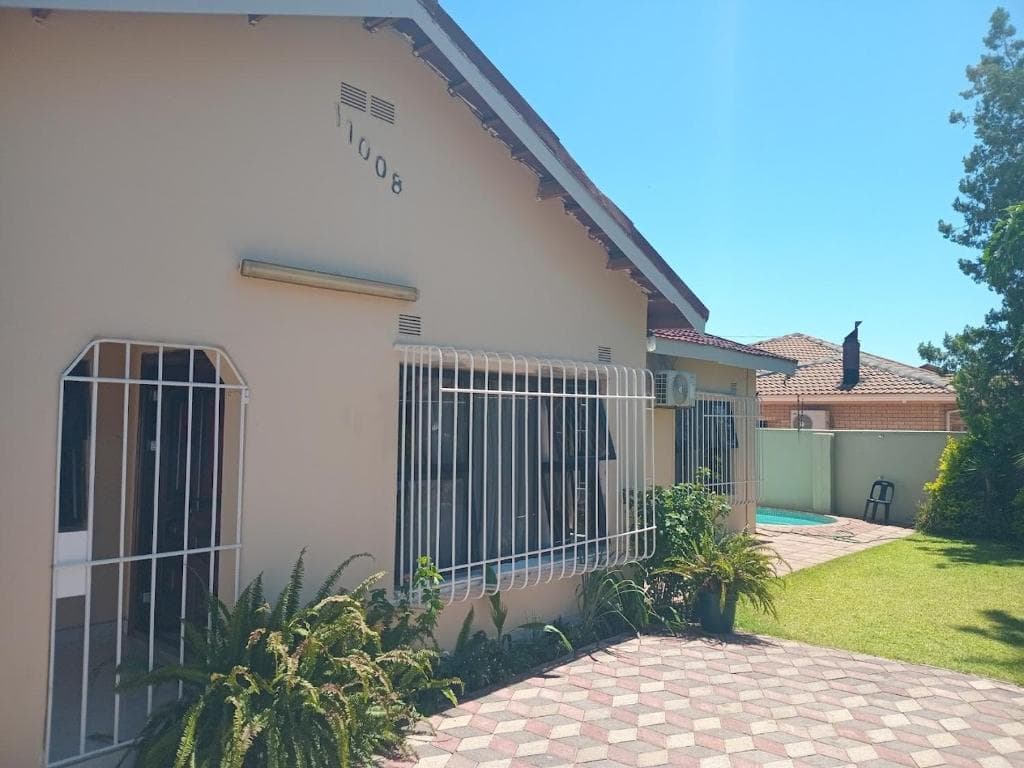
The accommodation inventory in Ramotswa is sparse. This eliminates the paralysis of choice. Most options fall into the category of private cottages or guest houses. They are not hotels. They do not have lobbies. They have owners. This direct line of communication is efficient. If a faucet leaks, you tell the owner. It gets fixed.
Waterside Cottages is the primary confirmed option for structured lodging. Located on Crocodile Way, it provides a contained environment. The name suggests proximity to water, likely a pond or small dam, which serves as a focal point for children without the risk of open rivers. The property is listed on regional booking platforms like Timbu. This visibility indicates a baseline of operational competence. The rooms are simple. The bedding is clean. The differentiator is the layout. These are cottages, not corridors. You have a door that locks. You have a separate sleeping area from the living space. For a family, this separation is critical. It allows the parents to decompress while the children remain visible but contained.
Other accommodation in Ramotswa consists of local homestays or unlisted guest rooms. These are harder to audit. They lack the standardized listing data of Waterside Cottages. However, they offer a different value proposition: immersion. You stay in a local home. You eat with the family. The infrastructure is basic. The wifi may be non-existent. The water pressure may fluctuate. If your standard for excellence includes a 24-hour concierge, these options will fail your audit. If your standard is cultural proximity and low cost, they are superior. I recommend sticking to the listed properties unless you have a local contact. The risk of poor sanitation is higher in unvetted homes.
Infrastructure Audit
A child-friendly environment requires more than a cot. It requires safety and predictability. Ramotswa’s infrastructure is modest. The roads are paved but narrow. There are no sidewalks in many areas. This means walking with children requires vigilance. You walk on the road. You look both ways. This is a minor inconvenience, but it must be factored into your daily planning.
The town is served by a local road network near Gaborone. There is no railway station. Botswana Railways operates a spine through the capital, but Ramotswa is not on the line. You will not be taking a train. You will be driving or taking a taxi. The taxi drivers are familiar with the area. They know the shortcuts. They understand directions through gesture and context. This is sufficient.
Electricity is reliable. This is a crucial point. In many rural parts of Botswana, load shedding or generator failures are common. Ramotswa, due to its proximity to Gaborone, enjoys more stable power. This means you can charge devices. You can use electric kettles. You can keep the lights on. Water supply is also generally reliable, but boiling water for children is a prudent measure. It costs nothing. It eliminates risk.
Food Logistics
Food in Ramotswa is traditional. It is heavy. It is meat-based. This is not a destination for delicate palates. The staple is pap. It is a maize porridge. It is dense. It is filling. Children either love it or hate it. There is no middle ground. It is eaten with hands. This is a cultural norm. You adapt.
Seswaa is the primary protein. It is shredded meat—beef, goat, chicken, or lamb—cooked until tender. It is served with pap. It is nutritious. It is easy to chew for young children. The texture is soft. The flavor is mild. It is a safe bet. Goat meat stew is another common dish. It is richer. It has more spice. It is better for adults. Braai meat is also available. This is barbecue-style meat. It is grilled over charcoal. It is smoky. It is popular. It is messy. Bring wet wipes.
Restaurants are limited. You will eat at local eateries or in the accommodation. The hygiene standards are acceptable but not rigorous. Inspect the premises. Look for flies. Look for cleanliness in the kitchen area. If it looks clean, it is likely safe. If it looks questionable, move on. The variety is low. Do not expect international cuisine. You are here for the local experience. Eat the pap. Eat the seswaa. It is good fuel.
Day Trips and Activities
Ramotswa is a base. It is not the destination. The value lies in what you can access from here. Mokolodi Nature Reserve is the primary draw. It is just outside Ramotswa. It offers wildlife and conservation activities. It is safe. It is controlled. Children can see animals in a natural setting without the risks of a full safari. The reserve has walking trails. It has a visitor center. It is well-managed. This is the best activity for a family. Book ahead. Slots fill up.
Lobatse is another option. It is a nearby town known for historic buildings and a regional market. It is a short drive. The market is chaotic. It is loud. It is colorful. It is an experience. Children may enjoy the noise. Adults may not. It is a half-day trip. It is educational. It shows the commercial side of Botswana.
The Ramotswa Kgotla is the main community gathering place. It is where events such as Independence Day lunches are held. It functions as a civic space. You may see community meetings. You may see local celebrations. It is worth a visit to understand the social structure. It is quiet. It is respectful. Dress appropriately. Cover your shoulders.
When to Go and Practicalities
Timing is everything. The dry season, from May to October, is the best time to visit. The weather is cool. The dust is minimal. The wildlife in Mokolodi is easier to spot. The roads are passable. The wet season, from November to April, brings rain. It brings mud. It brings mosquitoes. It is less comfortable for children.
Be aware of holidays. President’s Day is on 2026-07-20. President’s Day Holiday is on 2026-07-21. Expect higher demand. Expect surge pricing. Expect crowding. Book early. Botswana Day is on 2026-09-30. Botswana Day Holiday is on 2026-10-01. Christmas Day is on 2026-12-25. Boxing Day is on 2026-12-26. These dates impact availability. Plan around them.
Ramotswa suits families. It does not suit solo travelers seeking nightlife. It does not suit luxury seekers. It is a pragmatic choice. Stay for three to four days. Use it as a base. Explore the reserve. Explore the market. Return to the quiet. It is a disciplined trip. It is effective.
FAQ
Is Ramotswa safe for children? Yes. It is a quiet town. Crime is low. The main risk is traffic. Keep children close on roads.
Do I need a visa for Botswana? Most tourists do not need a visa for short stays. Check your country’s requirements before travel.
What is the best way to get around? Rent a car. Taxis are available but infrequent. You need flexibility for day trips to Mokolodi and Lobatse.