Skip the Pamir highway clichés. Kolkhozobod offers a quiet base near the world’s tallest dam, 106km from Dushanbe, for travelers who prefer silence over scenery.
A private room with a shared bathroom costs between $20 and $40 per night. Most people drive past Kolkhozobod without stopping. It sits roughly 66 miles (106 km) south of Dushanbe, tucked into the Khatlon Region, and serves primarily as a logistical waypoint for those braving the road to the high Pamirs or the roaring Vakhsh River. If you are tired of the curated chaos of the capital and find the rugged isolation of the Wakhan Corridor slightly too intense for a first visit, this town offers a pragmatic middle ground. The place functions as a transit hub rather than a traditional tourist destination. You will find no guided walking tours, no artisanal coffee shops, and certainly no "hidden gems" waiting to be discovered by Instagrammers. The town consists of concrete blocks, dusty roads, and a population of approximately 18,476 people who are largely indifferent to your presence. That indifference is precisely why it works.
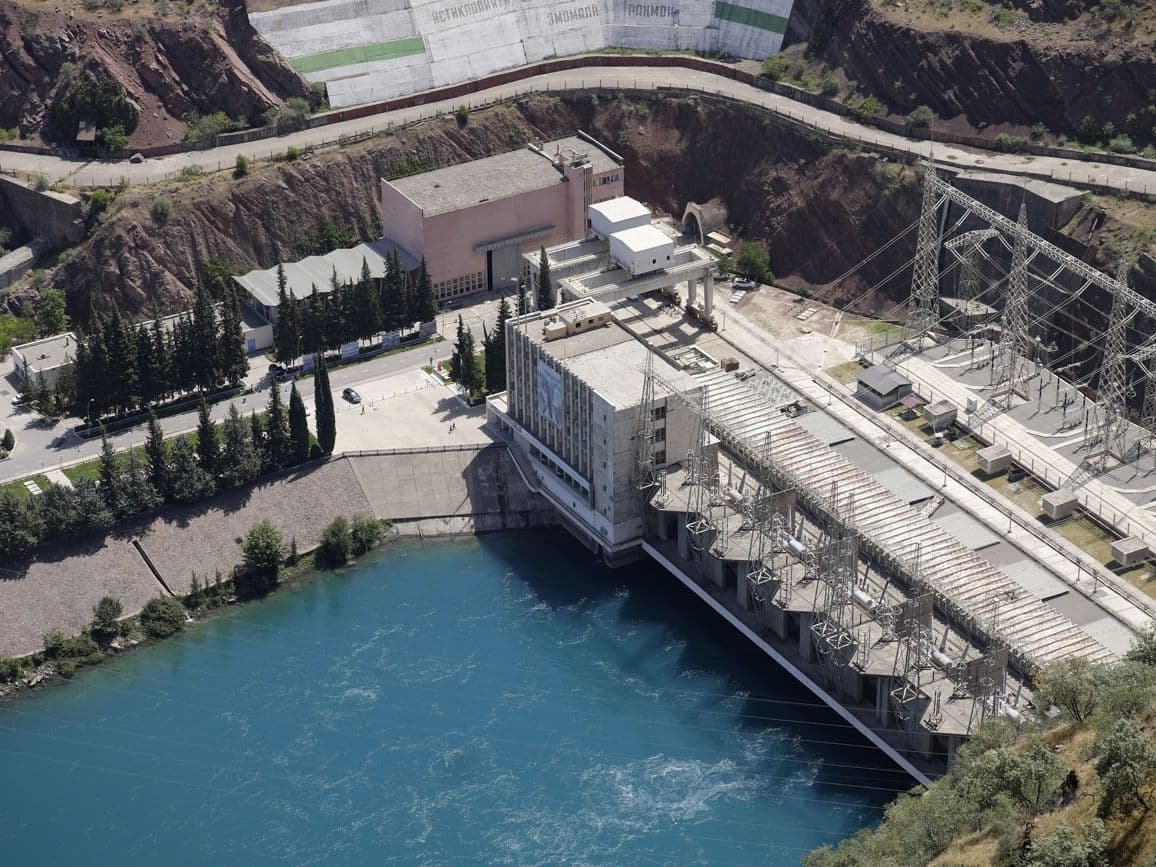
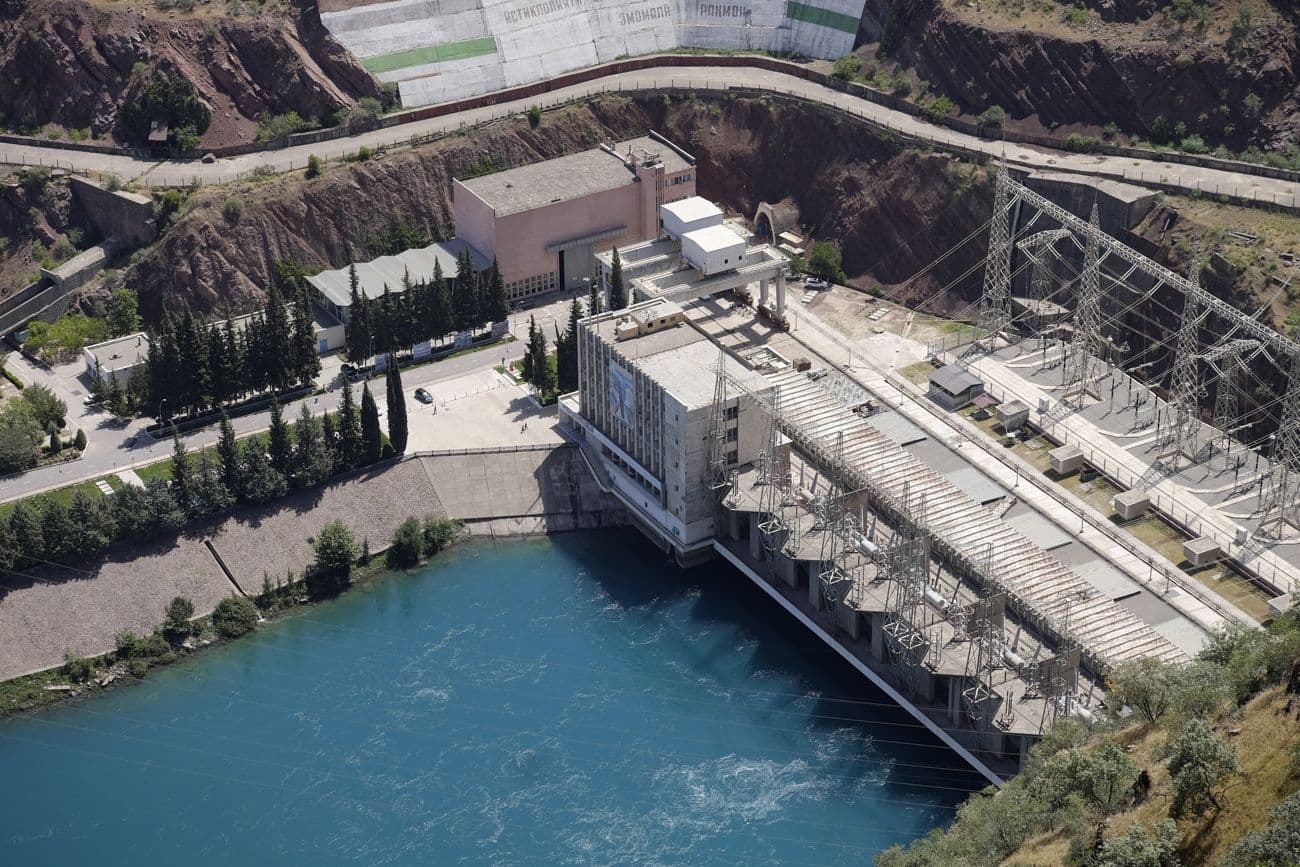
The primary reason anyone comes here is the Nurek Dam. Standing at 300 meters (984 feet), it is the highest dam in the world. It is a feat of Soviet-era engineering that dominates the landscape with the sort of brutalist grandeur that only makes sense when viewed from a distance. You do not walk around it; you look at it. The sheer scale of the concrete arch holding back the Vakhsh River creates a sense of vertigo that photographs fail to capture. On a clear summer day, the sunlight hits the white concrete with a blinding intensity, making the surrounding greenery look almost surreal. Nature in Tajikistan demands respect, often met with massive amounts of cement and ambition.
The Landscape of Silence
Kolkhozobod itself does not offer much in the way of landmarks. There are no ancient forts or ornate mosques to distract you. The town is functional, built to serve the workers of the hydroelectric station and the agricultural interests of the Khatlon valley. This lack of "attraction" is the point. If you are looking for a place to sit on a bench and watch the world go by without being interrupted by vendors selling handmade carpets or aggressive tour guides, this is it. The air is thinner here than in the capital, crisp and cool even in July. The sound of the river is a constant low-frequency hum, felt in the chest more than heard by the ears. The town provides a place to decompress after the sensory overload of Dushanbe’s bazaars or the physical exertion of hiking the Fann Mountains.
You will spend your time here driving, eating simple meals, and sleeping. The road network is improving, but the journey itself is part of the experience. The route from Dushanbe winds through mountainsides that drop off into deep valleys, offering glimpses of villages that cling to the rock faces like barnacles. In Kolkhozobod, you are at the bottom of that funnel. It feels isolated, yet it is only a few hours from the capital. This paradox is the town’s greatest asset. It feels remote enough to feel adventurous, but close enough to civilization that you don’t feel stranded.
Where to Stay
Accommodation options in Kolkhozobod are sparse and utilitarian. Do not expect four-star comfort or concierge services. The lodging here consists mainly of guesthouses and small family-run hotels that cater to truck drivers, engineers, and the occasional weary traveler. Prices are low by international standards, typically ranging from $20 to $40 per night for a private room with a shared bathroom. Some establishments may offer en-suite facilities for a premium, but cleanliness is not always guaranteed. Book ahead if you can, though many places operate on a cash-and-carry basis. Look for places near the main road for easier access to food and transport. The experience is rustic; bring earplugs if you are a light sleeper, as the walls are thin and the town is quiet but not silent.
Eating in the Valley
Food in Kolkhozobod is straightforward and hearty. There are no Michelin stars or foodie blogs to guide you. You will eat what is available: plov (rice with meat and carrots), shashlik (grilled meat skewers), and various breads. These are staples of Tajik cuisine, found everywhere in the country, but here they are served in simple restaurants with plastic tables and fans that struggle against the heat. The portions are large, the prices are reasonable, and the taste is authentic because it is unpretentious. You are eating fuel, devoid of exotic flavors or fusion experiments. The local markets sell fresh produce, including vegetables grown in the fertile soil of the Vakhsh valley. If you have your own kitchen facilities, cooking your own meals is a viable option, giving you control over hygiene and ingredients.
Getting Around
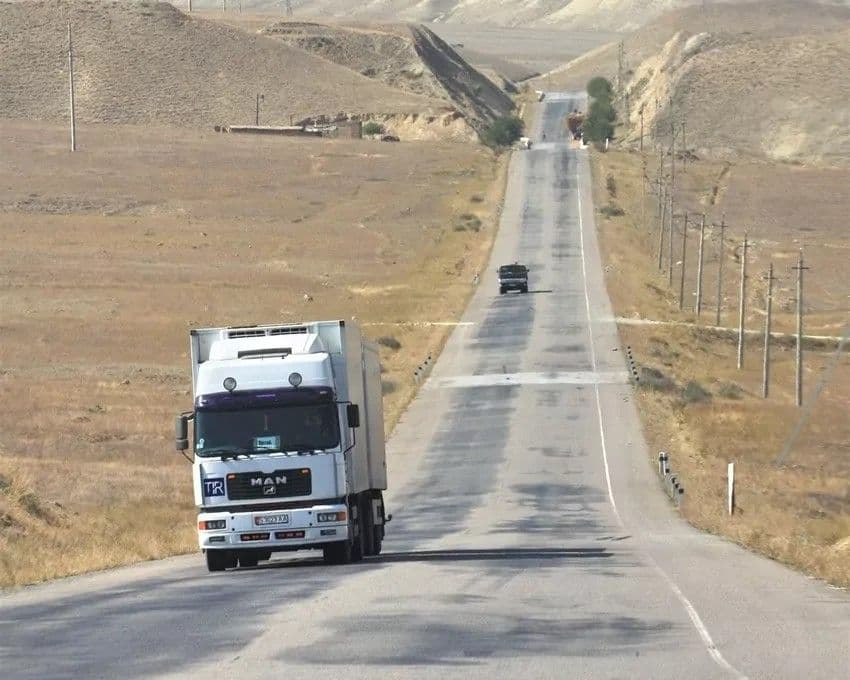
Transport in Kolkhozobod is limited. There is no confirmed railway station serving the town directly; the Tajik rail network is extensive but does not reach every small settlement. You will likely arrive by car or bus from Dushanbe. The road distance is 106 kilometers, taking roughly two to three hours depending on traffic and road conditions. Once in town, movement is on foot or by hired taxi. Local taxis are available for trips to the Nurek Dam or nearby villages, but negotiate the fare before you get in. There are no fixed meters. Renting a car in Dushanbe and driving yourself gives you the most flexibility, allowing you to stop at viewpoints along the way. The roads are paved but can be rough, with potholes and sharp curves. Drive carefully.
Practicalities and Timing
The best time to visit Kolkhozobod is during the spring or autumn months, when temperatures are mild and the dust is less pervasive. Summer can be hot, especially in the lower elevations, but the breeze from the river provides some relief. Winter brings snow and ice, making travel difficult and potentially dangerous. There are no major holidays scheduled in the next six months that would disrupt travel plans, meaning the town remains quiet and uncrowded. This is ideal for travelers seeking solitude. Visa requirements for Tajikistan vary by nationality; many visitors require an e-visa, which can be obtained online before arrival. Ensure your documentation is in order. Cash is king here; credit cards are rarely accepted outside of major hotels in Dushanbe. Bring sufficient somoni for meals, accommodation, and transport.
Who Is This For?
The town suits the independent traveler, the slow traveler, the photographer who appreciates industrial landscapes, and the person who needs a break from the hustle of modern life. It caters to those who understand that travel involves experiencing the space between famous sights. Families seeking entertainment or children’s activities will find little to engage them. Luxury travelers accustomed to five-star amenities will be disappointed. If you are willing to embrace simplicity and silence, Kolkhozobod rewards you with a perspective on Tajikistan that is often overlooked. It is a place to think, to rest, and to appreciate the sheer scale of the natural and man-made wonders that surround it.
FAQ
Is it safe to visit Kolkhozobod? Yes, Tajikistan is generally considered safe for tourists, and Kolkhozobod is a quiet, rural area. Standard precautions apply: secure your belongings, respect local customs, and avoid traveling alone at night. The presence of the dam and military personnel means security is visible, but this does not pose a threat to civilians.
Can I visit the inside of the Nurek Dam? Access to the interior of the dam is restricted due to its operational importance and security protocols. Visitors can view the exterior and the reservoir from designated viewpoints and roads. Do not attempt to enter restricted areas. Photography is generally permitted from public spaces, but avoid using drones without explicit permission.
How do I get from Kolkhozobod to the Pamirs? Kolkhozobod is on the route to the Pamir Highway (M41). From here, you can continue north to Osh in Kyrgyzstan or east towards the high Pamirs. The road condition deteriorates significantly as you gain altitude. A 4x4 vehicle is recommended for this leg of the journey. Fuel up in Kolkhozobod or larger towns before heading into the remote regions, as gas stations become scarce.