Skip the neon and noise. Kostelec na Hané offers Baroque architecture and literary history in the quiet heart of the Czech Republic.
The train from Olomouc doesn’t so much arrive in Kostelec na Hané as it gently surrenders to it. There is no hissing of pneumatic doors, no cacophony of luggage carts, and certainly no neon sign blinking “Welcome.” Instead, there is the smell of damp concrete and old diesel, a silence so profound you can hear the clock tower in the distance ticking off seconds that seem to move slower than usual. You step onto the platform, adjust your coat, and realize you are in a place where the primary activity is breathing. This is not a mistake; it is the point.
The Shadow of a Poet
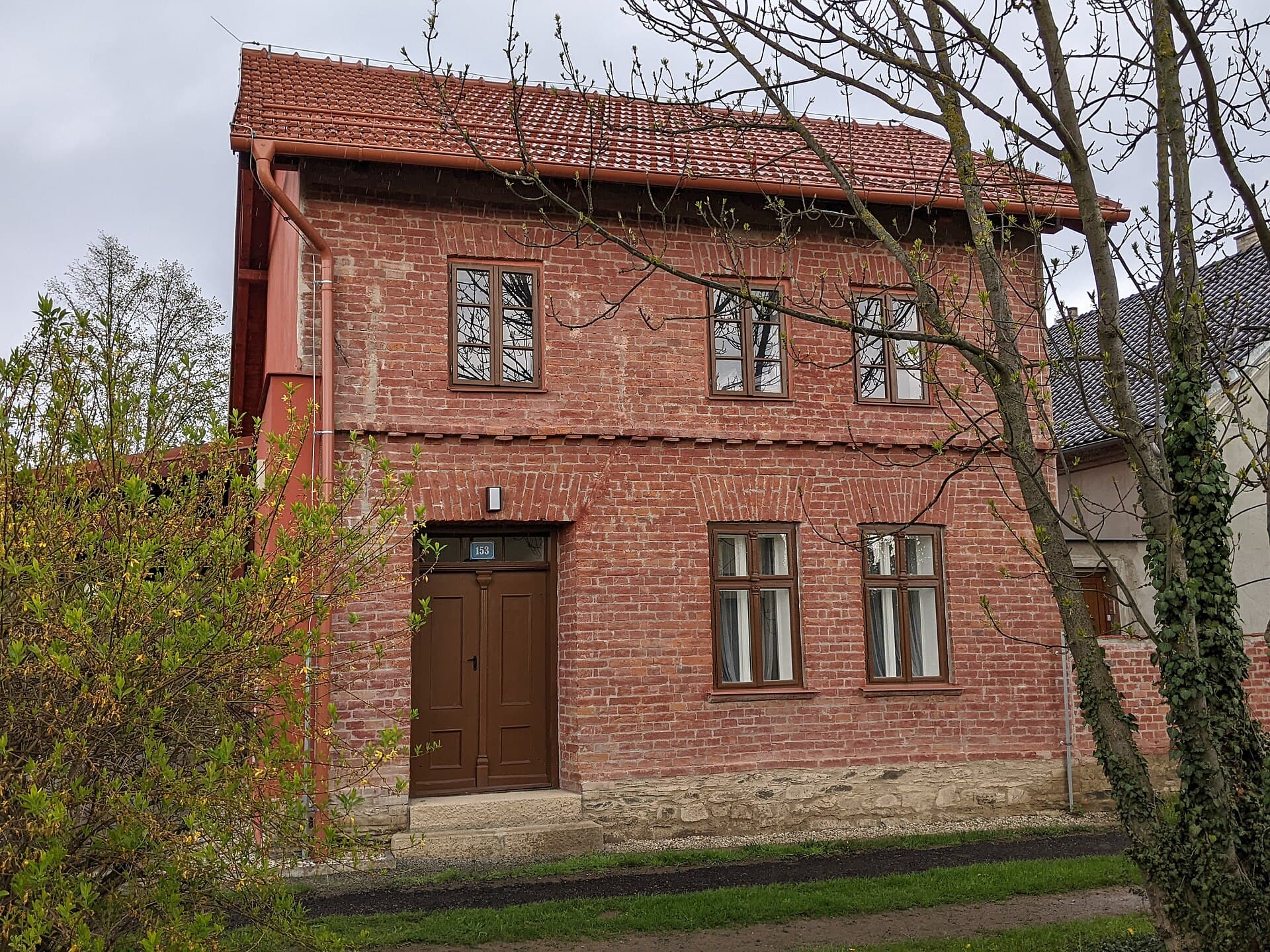
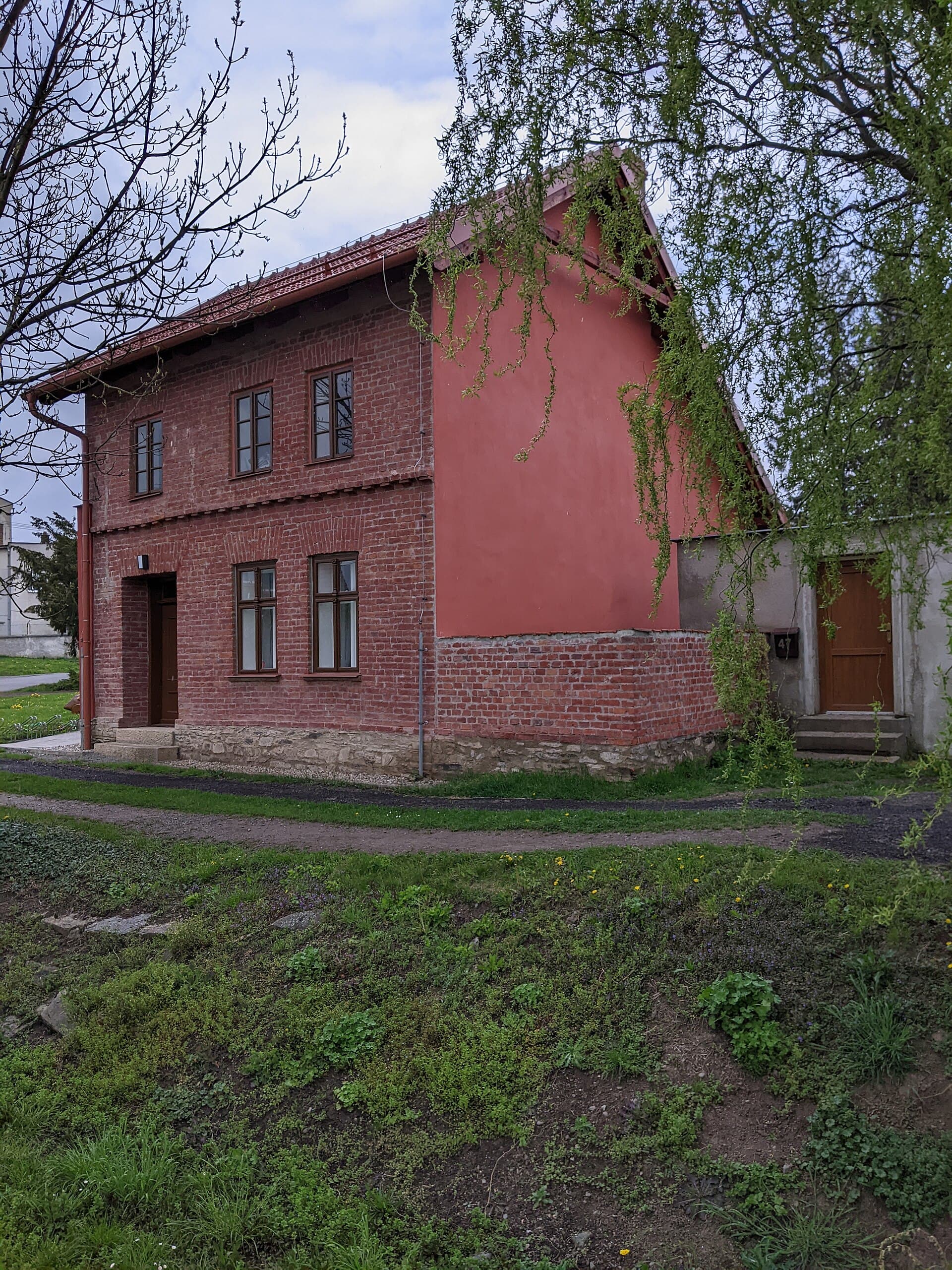
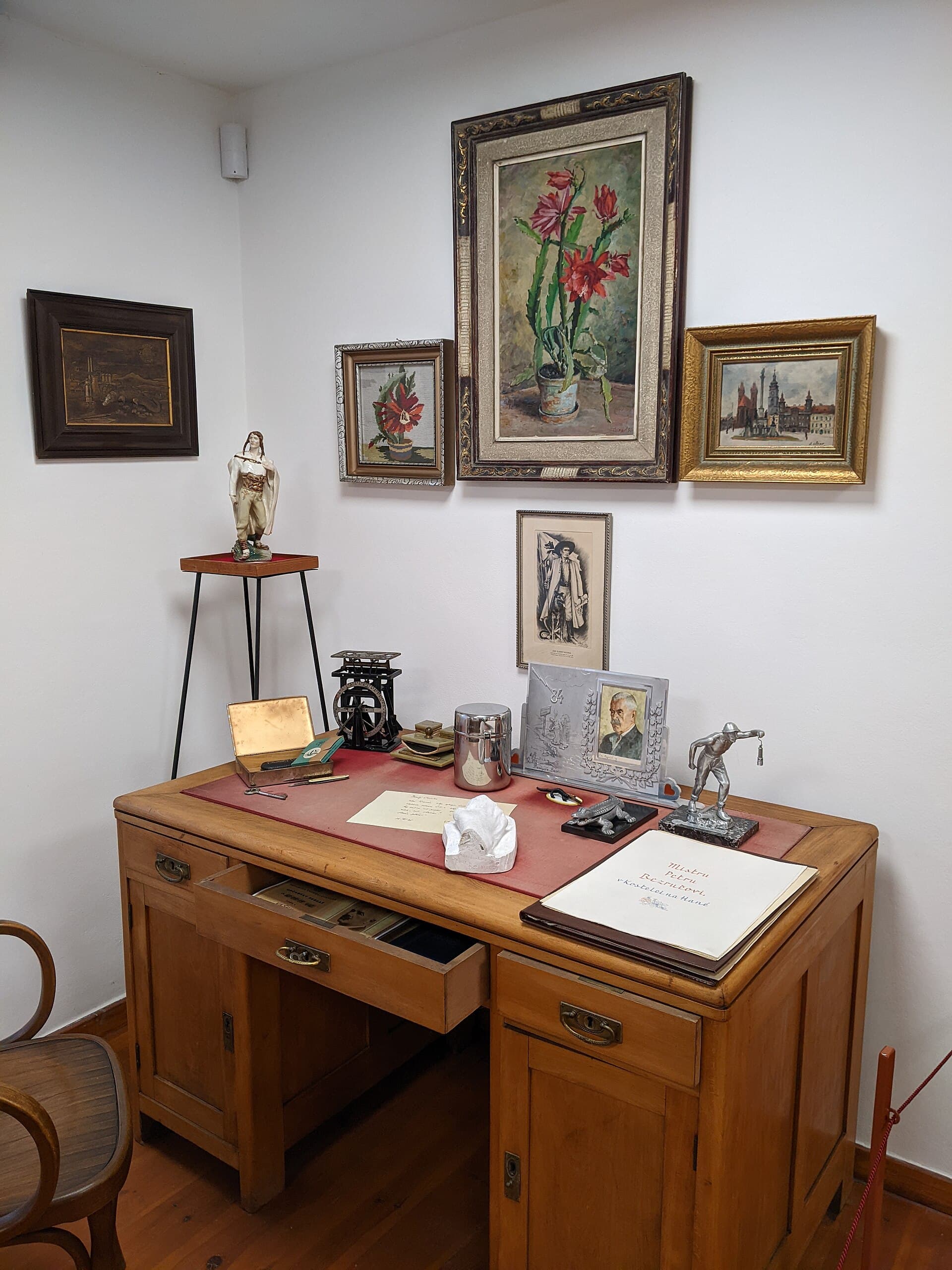
If you are looking for the Czech Republic’s answer to a literary shrine, look no further than the Červený domek, or “Red House.” It sits quietly on Hlavní Street, a modest brick structure that belies its importance. This was the final home of Petr Bezruč, the pen name of Vladimír Vašek, the poet who gave voice to Silesia in his epic Silesian Songs.
The house is not a grand museum with velvet ropes and hushed docents. It is a small, intimate exhibition curated by the Museum of the Haná Region in Prostějov. The entrance fee is typically negligible, often free or a few hundred crowns, making it an accessible stop even if you are just passing through. Inside, the manuscripts are not behind bulletproof glass but displayed with a certain rustic pride. You can see the handwritten drafts of poems that once stirred national pride, now resting quietly among personal effects. It feels less like a museum visit and more like dropping in on a neighbor who happens to be a literary giant. The wit here is in the contrast: the fiery, passionate verses of Bezruč versus the serene, almost sleepy atmosphere of the house where he spent his final years.
Baroque Silence
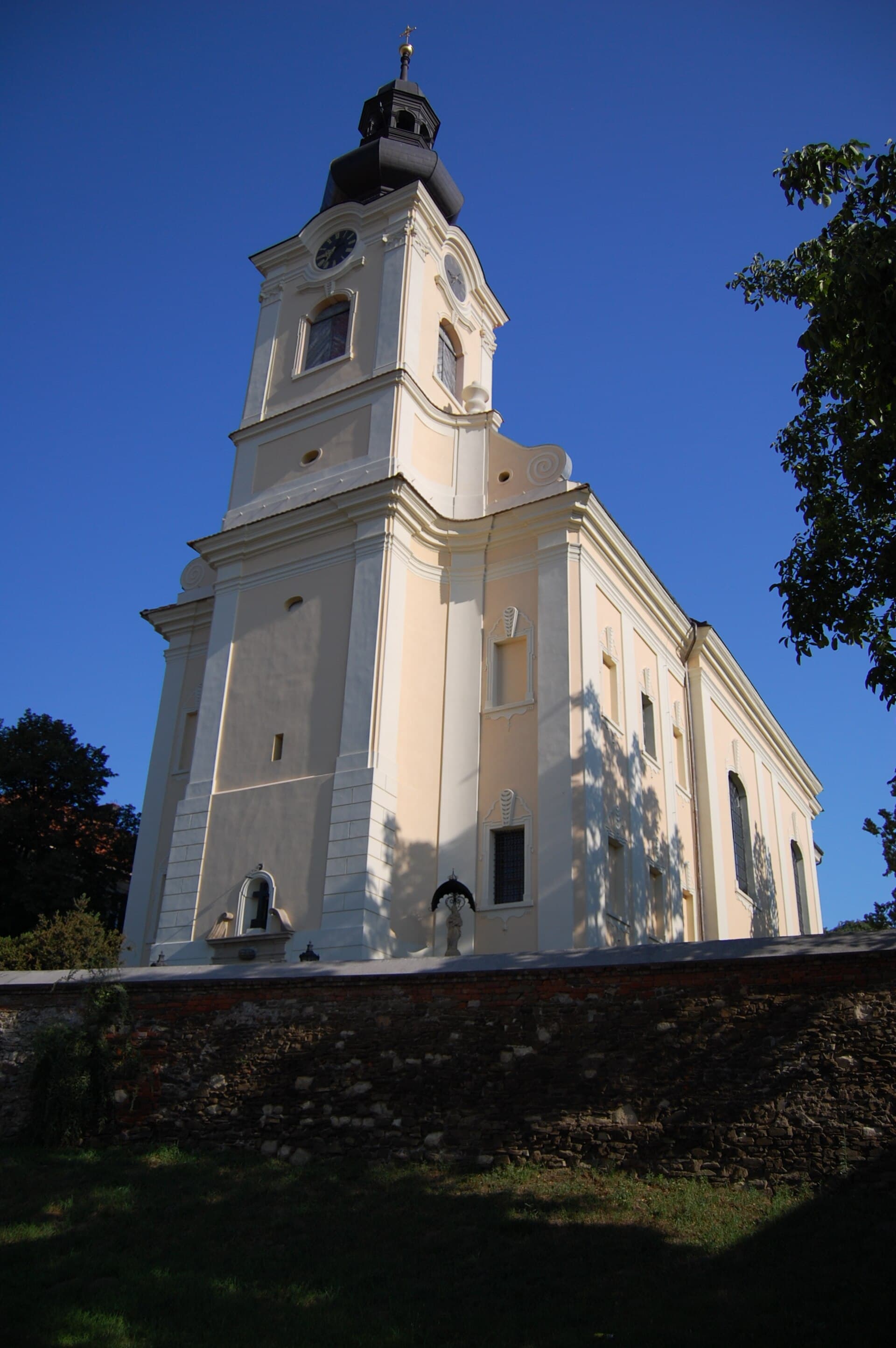
A short walk from the Red House brings you to the town square, dominated by the Church of Saint James the Great. Built in 1772, this Baroque monument is the architectural anchor of Kostelec na Hané. The year 1772 is worth noting not just as a date, but as a marker of the era’s aesthetic: ornate, confident, and slightly theatrical. The church’s façade is a study in white stucco and golden accents, designed to catch the eye of anyone approaching from the flat Haná plains.
Inside, the silence is different. It is not the empty silence of the train station, but a “staged” silence, curated by the echoes of the high vaulted ceilings. The frescoes on the ceiling depict scenes of saintly triumph, their colors slightly faded by time but still vivid enough to command attention. The altar, with its intricate woodwork and gilded details, stands as a testament to the craftsmanship of the 18th century. If you visit during a service, the silence breaks into chant; if you visit on a quiet afternoon, it remains a respectful hush. Either way, the church offers a moment of reflection that feels both historical and immediate.
The Rhythm of Haná
Step outside the church, and you are immersed in the rhythm of Haná. This region is known for its flat, fertile land, and Kostelec na Hané is no exception. The fields surrounding the town are a patchwork of green, but not the generic “vibrant” green of travel brochures. This is a deeper, more textured green, punctuated by the occasional poppy or the swaying stalks of wheat. In spring, the landscape is alive with the subtle hues of new growth, a palette that changes daily with the weather.
For a coffee break, head to a local café in the town center. There are no grand names here, just simple signs in Czech. Order a kávou and sit by the window. Watch the locals go about their day: the elderly couple walking their dog, the student reading on a bench, the farmer checking his phone. The pace is slow, deliberate. It is a rhythm that invites you to slow down, to put away your phone, and to simply observe. The coffee is strong, the pastries are fresh, and the conversation is quiet.
Practicalities
Getting to Kostelec na Hané is straightforward if you are coming from Olomouc. Trains run regularly, typically every hour or so, taking about 20-30 minutes. The schedule is reliable, but it is worth checking the current timetable before you go, as rural lines can have limited evening service. The train station is small, with a single platform and a modest waiting area. There are no ticket machines, so purchase your ticket in Olomouc or from the conductor on board.
Parking in Kostelec na Hané is generally easy. There is a small lot near the train station and several street parking spots along Hlavní Street. The streets are narrow, so drive slowly and watch for pedestrians. If you are looking for a meal, the local restaurant in the town center serves traditional Czech cuisine. Svíčková, the marinated sirloin with cream sauce and cranberries, is a staple, and it is prepared here with the same care as in Prague, if with less fanfare. Prices are reasonable, typically around 200-300 CZK for a main course.
When to Go
Kostelec na Hané is best visited in the spring or early autumn, when the weather is mild and the countryside is at its most beautiful. Spring brings the poppies and the fresh green of the fields; autumn offers the golden hues of harvest. Summer can be warm, but the shade of the town square provides relief. Winter is quiet, with the possibility of snow adding a picturesque touch to the Baroque architecture.
This is a destination for slow travelers, solo wanderers, and anyone seeking a break from the hustle of larger cities. It is not a place for nightlife or high-energy activities. It is a place for reflection, for walking, and for appreciating the quiet beauty of a small Czech town. Plan for a half-day or a full day, depending on your pace. You will leave with a sense of calm and a deeper appreciation for the cultural heritage of the Haná region.
FAQ
Q: Is Kostelec na Hané safe for solo travelers? A: Yes, it is a very safe, small town with low crime rates. It is ideal for solo exploration.
Q: Do I need a visa to visit Kostelec na Hané? A: Kostelec na Hané is in the Czech Republic, a Schengen area country. Visa requirements depend on your nationality. Most US, UK, and EU citizens do not need a visa for short stays.
Q: What is the best way to get around the town? A: Kostelec na Hané is walkable. All major sights are within a 10-15 minute walk of the train station.