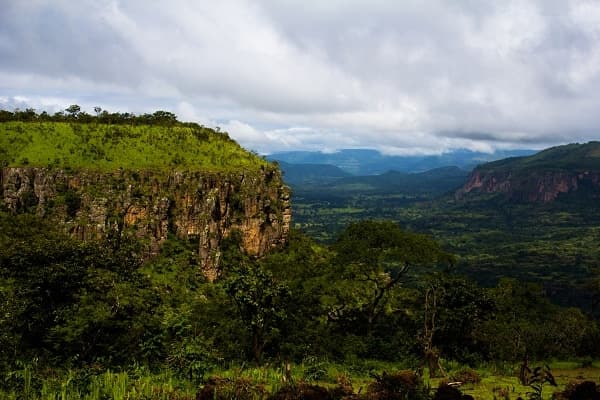
The sun dips below the jagged skyline of the Fouta Djallon highlands, casting a golden hue over the terraced fields that surround Labé, Guinea. While many travelers shy away from West Africa during the summer months due to fears of intense heat and humidity, Labé offers a different story. Perched at an elevation of approximately 750 meters (2,460 feet), this city provides a refreshing respite from the sweltering lowlands. Summer in Labé, spanning June through August, brings the hivernage or rainy season, but rather than washing out your trip, the rains transform the landscape into a lush, emerald paradise. This guide explores why visiting Labé in the summer is a rewarding adventure for the curious traveler.
The Climate: Rain, Relief, and Greenery
Summer in Labé is characterized by the rainy season, which typically begins in June and peaks in July and August. However, the weather is far from oppressive. The high elevation ensures that temperatures remain moderate, with daytime highs averaging between 25°C and 28°C (77°F–82°F) and cooler evenings dropping to around 18°C (64°F). The rain usually arrives in short, intense bursts in the late afternoon or evening, clearing the air and leaving the surroundings smelling of wet earth and blooming vegetation.
This seasonal shift is crucial for the local ecosystem. The rains fill the rivers that originate in the Fouta Djallon, including the Senegal, Niger, and Gambia rivers, whose sources are nearby. For the traveler, this means waterfalls are at their most powerful, and the hiking trails are surrounded by vibrant greenery. While some roads may become muddy, the main routes to and from Labé are generally passable, especially if you are prepared with the right footwear and vehicle. The humidity is higher than in the dry season, but the cool mountain breezes provide natural relief.
Exploring the Fouta Djallon Highlands
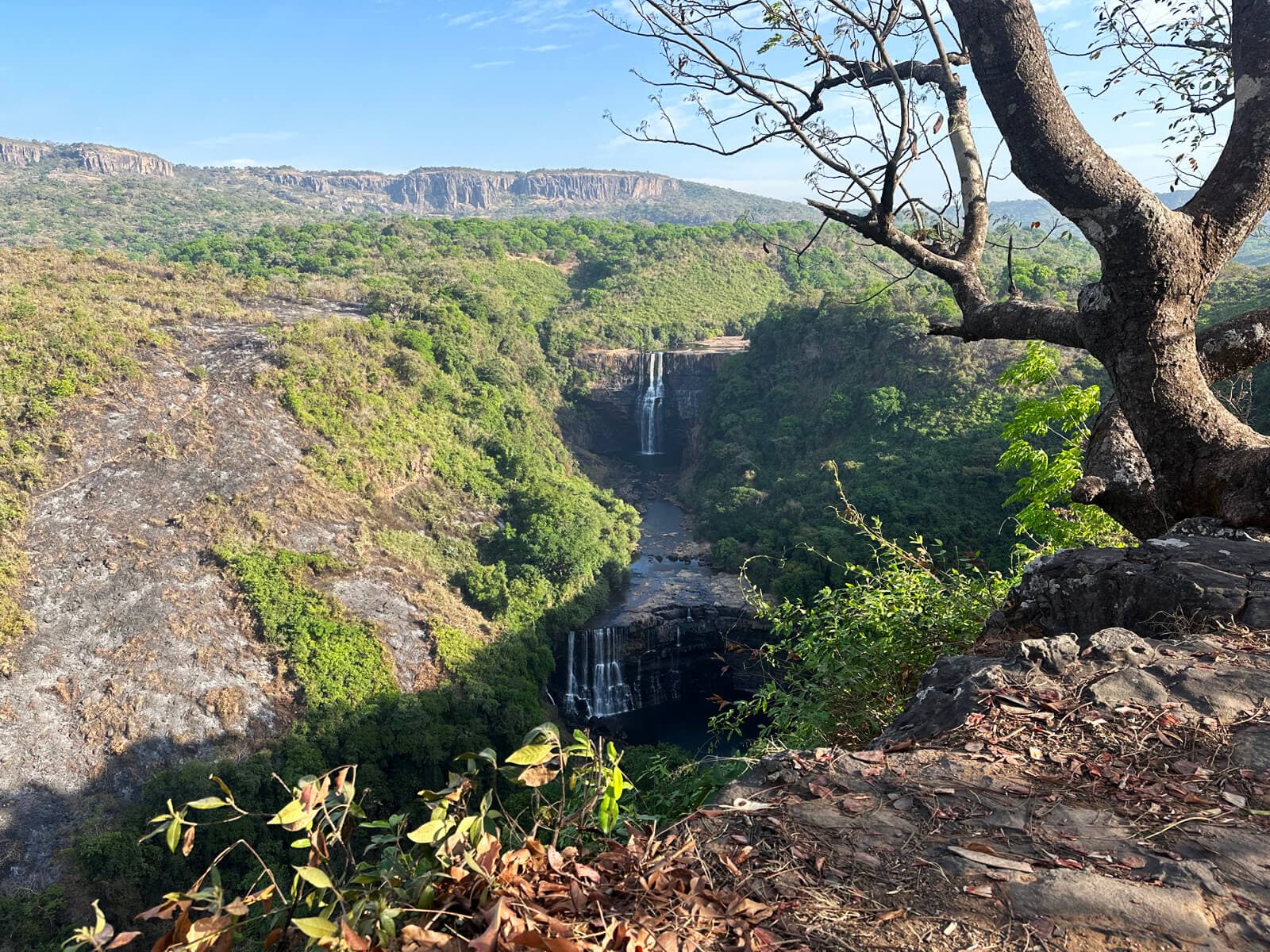
The primary draw of a summer visit to Labé is the opportunity to explore the Fouta Djallon highlands. This ancient massif is the roof of West Africa, and its rugged terrain offers some of the most scenic landscapes in the region. Hiking is the best way to experience the area. Trails leading to the source of the Senegal River (Badiar) or the source of the Niger River (Lélouma) are accessible, though conditions can be slippery. It is advisable to hire a local guide, who can navigate the terrain safely and share insights into the local flora and fauna.
In the summer, the waterfalls around Labé are particularly spectacular. The Kouréya Waterfall, located a short distance from the city, is a popular spot for locals and visitors alike. The thunderous roar of the water is deafening, and the mist creates a cooling effect that is perfect for a summer afternoon. Swimming is possible in the natural pools below, but caution is advised due to strong currents. Another notable site is the Mount Louré, which offers panoramic views of the surrounding valleys. The climb is moderate, and the reward is a breathtaking vista of the lush, rolling hills stretching to the horizon.
Cultural Immersion and Local Life
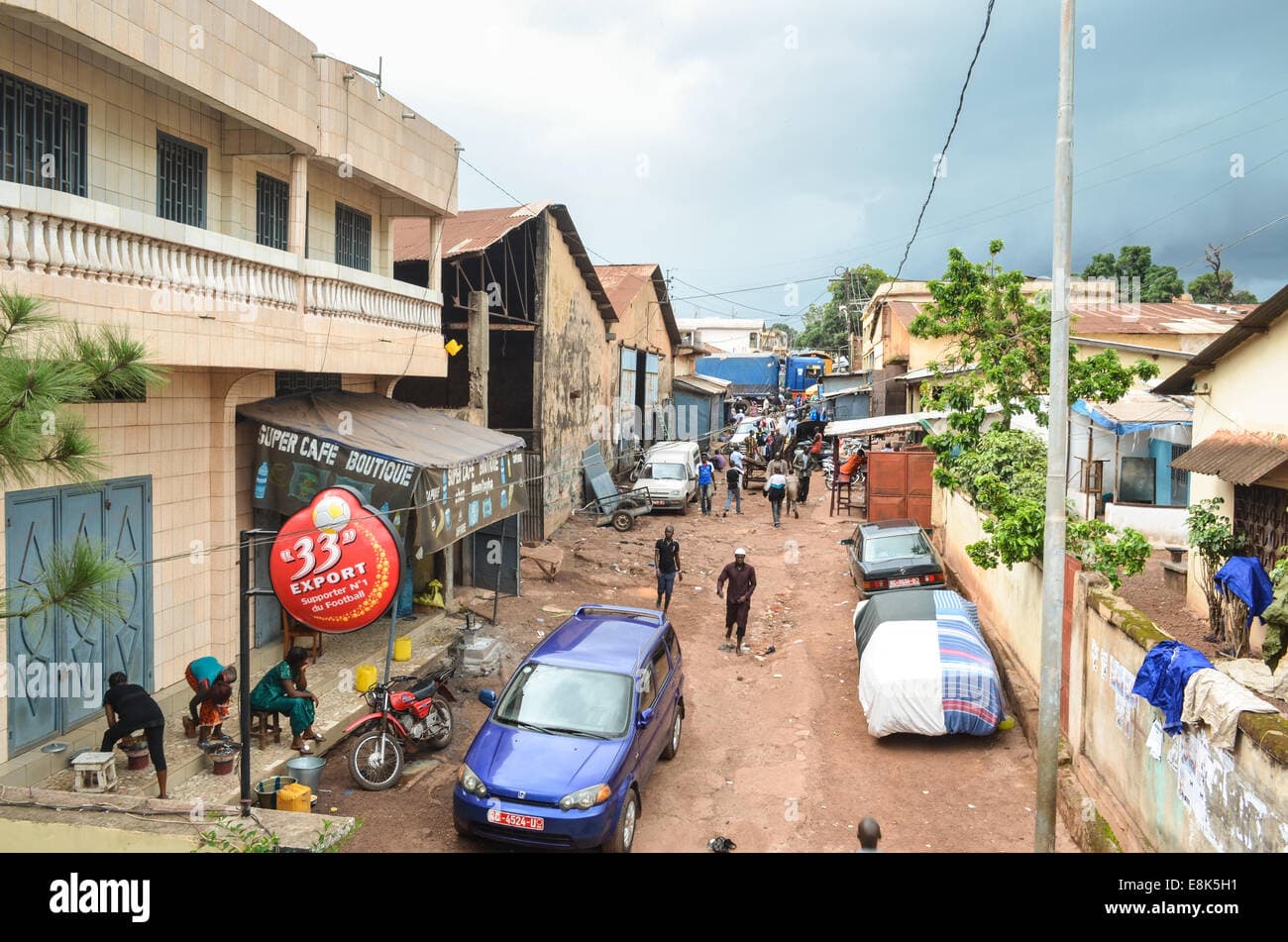
Labé is the capital of the Fouta Djallon region and a center of Fulani (Peul) culture. The city is known for its strong Islamic traditions and its role as a hub for Islamic scholarship. Visiting in the summer allows you to observe daily life without the extreme heat that characterizes the dry season. The local markets, such as the Grand Marché, are bustling with activity. Vendors sell fresh produce, including rice, millet, and sorghum, which are staples of the local diet.
One of the unique aspects of Labé is its connection to the past. The region was once home to the Fouta Djallon Imamate, a Muslim theocracy that ruled the area from the late 18th to the late 19th century. While there are few remaining structures from this era, the influence is still felt in the local architecture and social customs. Visiting the local mosques and talking to residents can provide a deeper understanding of this history. The people of Labé are known for their hospitality, and many are willing to share stories about their heritage and way of life.
Food is another integral part of the cultural experience. Summer is a time of abundance, with fresh vegetables and fruits available in the markets. A typical meal might include couscous made from fonio or millet, served with a tomato-based sauce and vegetables. Thiéré, a fermented millet porridge, is a common breakfast item. Street food is also popular, with vendors selling grilled fish, meat skewers, and fresh fruit juices. Trying these local delicacies is a great way to connect with the community and support local businesses.
Practical Tips for Travelers
Visiting Labé in the summer requires some preparation. The rainy season can make travel more challenging, so it is important to pack accordingly. Waterproof clothing, sturdy hiking boots, and a rain jacket are essential. Insect repellent is also recommended, as mosquitoes are more prevalent during the wet season. Malaria is present in Guinea, so consult with a travel clinic before your trip for prophylaxis and other health advice.
Transportation in Labé is primarily by minibus or taxi. Minibuses are cheap and frequent, connecting Labé to nearby towns and villages. Taxis are more expensive but offer more comfort and flexibility. If you plan to explore the surrounding highlands, renting a 4x4 vehicle with a driver is advisable, especially if you intend to visit remote waterfalls or hiking trails. Roads can be in poor condition, and a local driver will know the best routes.
Accommodation options in Labé range from basic guesthouses to more comfortable hotels. Prices are generally affordable, but it is best to book in advance, especially if you are visiting during a local festival or event. Many guesthouses offer home-cooked meals, which is a great way to experience local cuisine. Ensure that your accommodation has reliable power and clean water, as services can be intermittent during the rainy season.
Finally, respect local customs and dress modestly, particularly when visiting religious sites. Labé is a conservative city, and dressing appropriately shows respect for the local culture. Learning a few phrases in Pulaar, the local language, can also go a long way in building rapport with residents. A simple "Jamana" (hello) or "Nagaw" (thank you) can open doors and create a more positive travel experience.
Conclusion
Labé, Guinea, offers a unique and rewarding travel experience, especially during the summer months. The moderate climate, lush landscapes, and rich cultural heritage make it a compelling destination for travelers seeking an authentic African adventure. While the rainy season presents some challenges, the rewards of exploring the Fouta Djallon highlands and immersing yourself in local life far outweigh the inconveniences. With proper preparation and an open mind, a summer visit to Labé can be a memorable and transformative journey.