The sun sets, the generator hums, and the real fun begins: staring at the stars in a place where 'late night' means 8 p.m. and a shared coconut.
The Art of Doing Nothing
In Abemama, the concept of "late night fun" requires a recalibration of your internal clock. If you are looking for neon lights, thumping bass, or a bar that serves drinks past midnight, you are in the wrong hemisphere, the wrong country, and possibly the wrong century. Abemama is a narrow strip of land and sand in the Gilbert Islands of Kiribati, located just north of the Equator, where the lagoon is deep, the sun is relentless, and the nightlife is aggressively quiet.
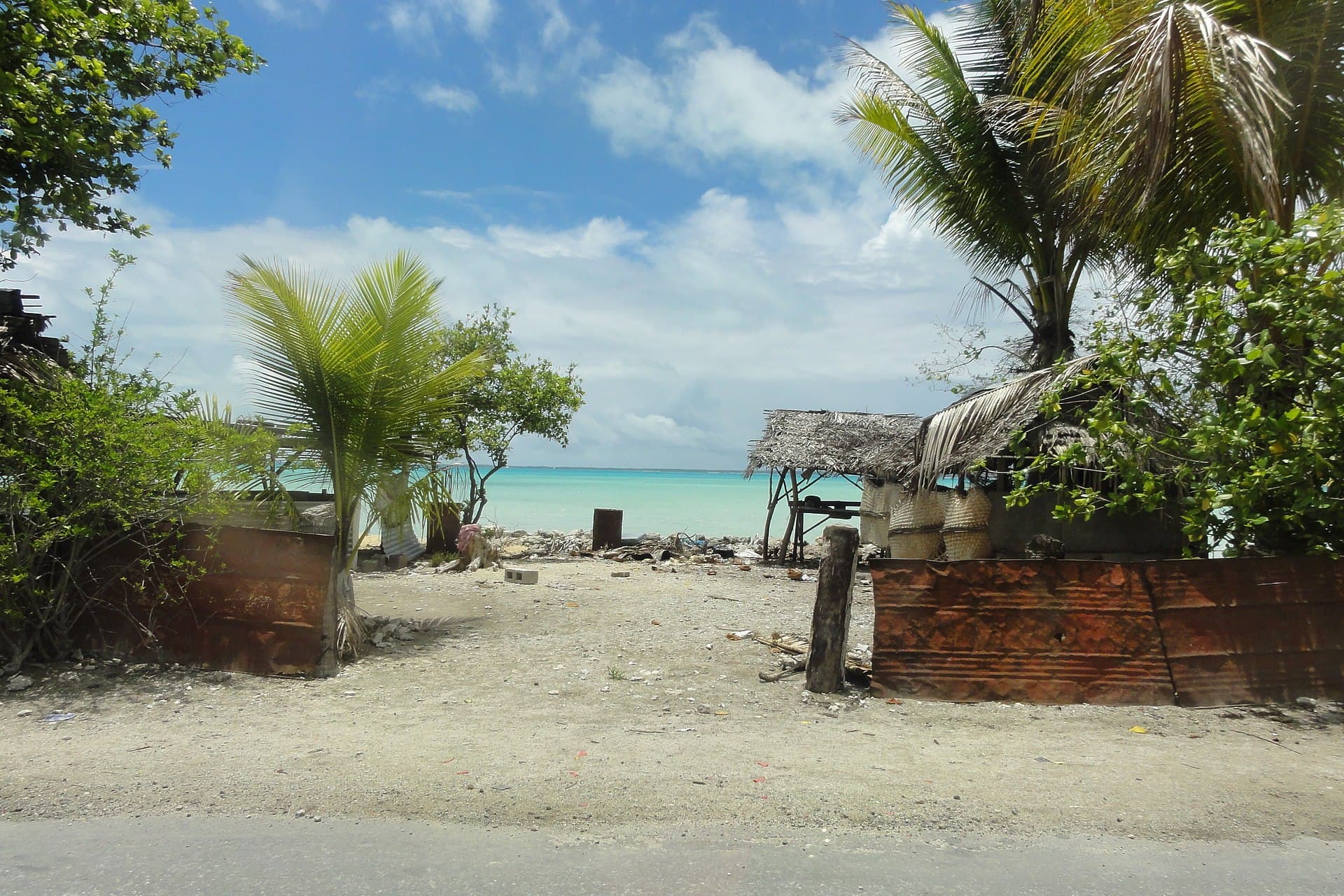
The main village is Tabiang, not to be confused with Betio in Tarawa, which is a different atoll entirely and a common source of confusion for the uninitiated. In Tabiang, the evening routine is less about "going out" and more about "staying in" together. As the tropical heat finally breaks, families emerge from their homes onto the sandy paths that double as streets. The air is thick with the scent of woodsmoke from cooking fires and the salt spray of the lagoon.
The primary activity is sitting. You sit on a plastic chair, a woven mat, or the edge of your porch. You watch the sky turn from a bruised purple to an inky black so profound it feels like you are floating in space. Without light pollution, the Milky Way is not a subtle smudge but a jagged river of light. This is the high-end entertainment: astrophotography by eye. If you are lucky, someone might produce a guitar. If you are very lucky, they know more than three chords.
Social Hours and Coconut Diplomacy
Since there are no clubs, the social hub is the family compound or the church hall, depending on the day of the week. Kiribati is a conservative Christian society, and this shapes the rhythm of the night. Sunday nights are particularly solemn, often spent in prayer or quiet reflection after a day of church services. The rest of the week, however, offers ample opportunity for what I call "coconut diplomacy."
You will not find kava bars here; kava is not part of traditional Kiribati culture. Instead, the currency of conversation is fresh coconut water. A local might crack open a green coconut and offer you a drink. This is not just a beverage; it is an invitation to talk. Topics range from the price of imported rice to the latest news from Tarawa, to the intricacies of local church politics. These conversations are meandering, warm, and often involve the entire neighborhood.
If you are staying in a local guesthouse or with a host family, you are expected to participate. Silence is not golden; it is suspicious. Ask about the fishing trip that morning. Comment on the weather. Share a story from your home. The humor is dry, the hospitality is genuine, and the gossip is legendary. You might learn more about the genealogy of the island’s chiefly families in one evening than you would in a month of reading guidebooks.
When to Go: The Spring Reality Check
Timing is everything in the Pacific, and spring in the Northern Hemisphere (March to May) is a tricky window for Abemama. This period marks the transition into the wet season. While it is not yet the peak of the cyclone season, you can expect increasing humidity and sporadic, intense rain showers. The air feels heavier, and the sky is more likely to be overcast.
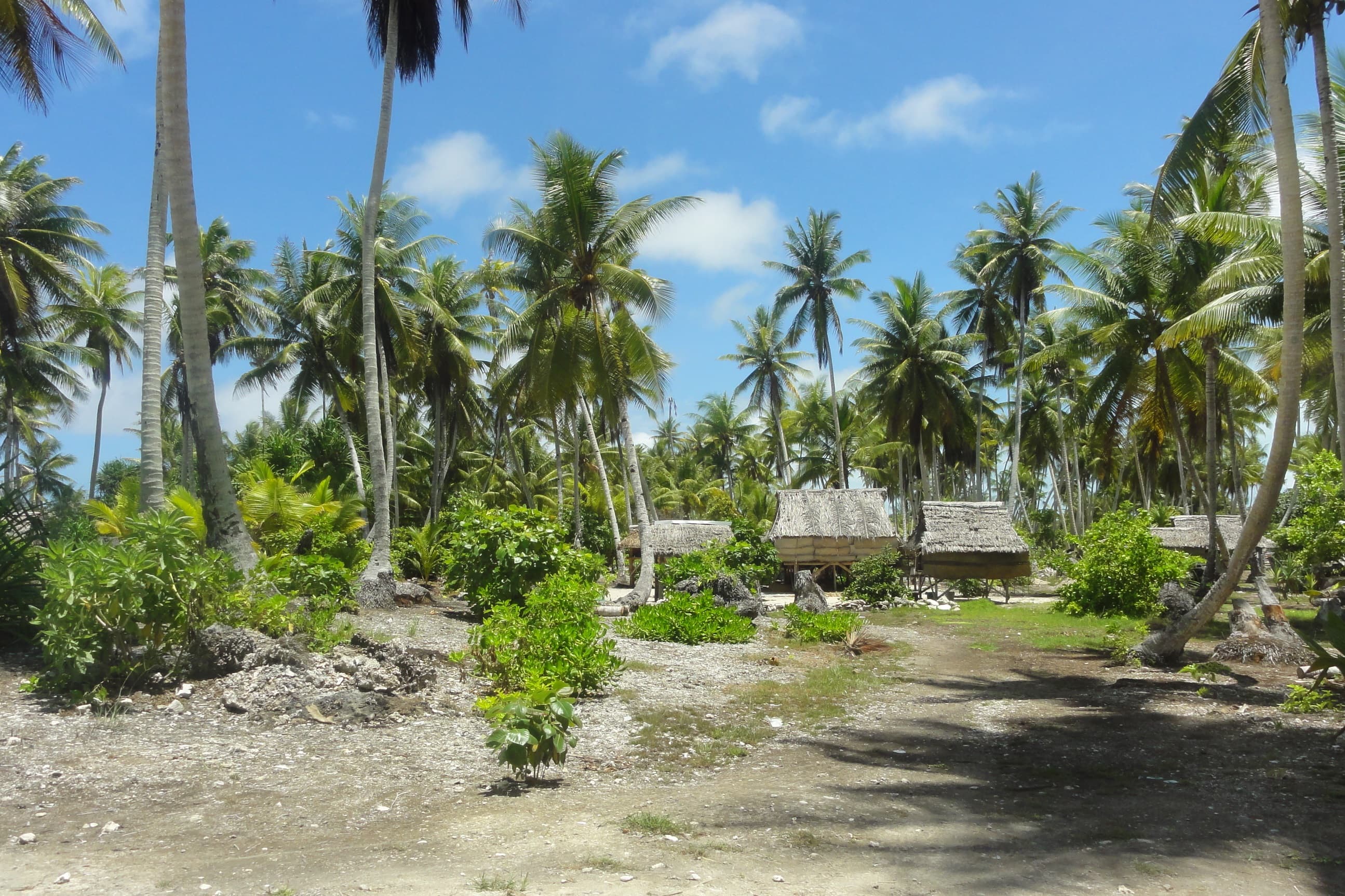
However, this is also when the island is greenest. The coconut palms are a deeper shade of emerald, and the lagoon is often calmer than in the dry season winds. If you are visiting in spring, pack a lightweight rain jacket and be prepared for sudden downpours that clear up as quickly as they arrive. The "late night" fun might be interrupted by thunder, but the sound of rain on a corrugated iron roof is its own kind of music.
There are no major holidays in the next six months that will disrupt travel, so you won’t face the crowds that occasionally visit Tarawa. Abemama remains a quiet destination year-round, but spring offers a moody, atmospheric backdrop for your star-gazing. It is not the time for beach lounging; it is the time for sitting under a veranda, wrapped in a towel, watching the storm roll in over the lagoon.
Practicalities for the Quiet Hours
Getting to Abemama is an adventure in itself. There are no commercial flights directly to the atoll. Most travelers fly into Bonriki International Airport in Tarawa and then take a domestic flight or a boat to Abemama. The boat journey can take several hours and is weather-dependent. Once on the island, transport is limited to walking, bicycles, or small motorboats. There are no taxis, no ride-sharing apps, and no 24-hour convenience stores.
Money is scarce in the form of ATMs. Bring enough cash (Australian dollars or Kiribati dollars) for your entire stay. Accommodation is basic; you might stay in a local guesthouse or a homestay, where amenities are limited to a fan, a toilet, and a bed. Electricity may be generated by solar power or a diesel generator, which often runs on a schedule. When the power goes out, the fun doesn’t stop; it just gets darker.
Respect is paramount. Dress modestly, especially in the evenings when church activities are still fresh in everyone’s mind. Ask permission before taking photos of people. And remember that "late night" in Abemama means lights out by 9 p.m. for many households. If you want to keep the party going, you’ll have to bring your own flashlight and a good story.
FAQ
Is there any alcohol available in Abemama? Alcohol is available but strictly regulated. It is not sold after certain hours, and public drunkenness is frowned upon. Most socializing revolves around food and drink like coconut water or tea.
Can I find Wi-Fi at night? Wi-Fi is limited and often slow. Most guesthouses have internet access, but it may be shared among guests and subject to outages. Embrace the disconnection; it is part of the experience.
Is it safe to walk around at night? Yes, Abemama is very safe. Crime is rare, and the community is close-knit. However, visibility is poor without streetlights, so walk carefully and stick to known paths.