Skip the tourist traps. In Telica, Nicaragua, the calendar is ruled by saints, not schedules. Here’s how to join the party without losing your mind (or your sandals).
If you arrive in Telica expecting a quiet village where the loudest sound is a rooster, you’re likely to find yourself elbow-deep in a procession instead. This isn’t a place that sits still. It is a municipality of roughly 30 kilometers from León, elevated to city status in 1969, and it takes its religious and civic obligations seriously. The festivals here serve as community infrastructure. They involve weeks of preparation, questionable meat quality at the communal grill, and a level of social pressure that would make a New Year’s Eve hangover look like a spa day.
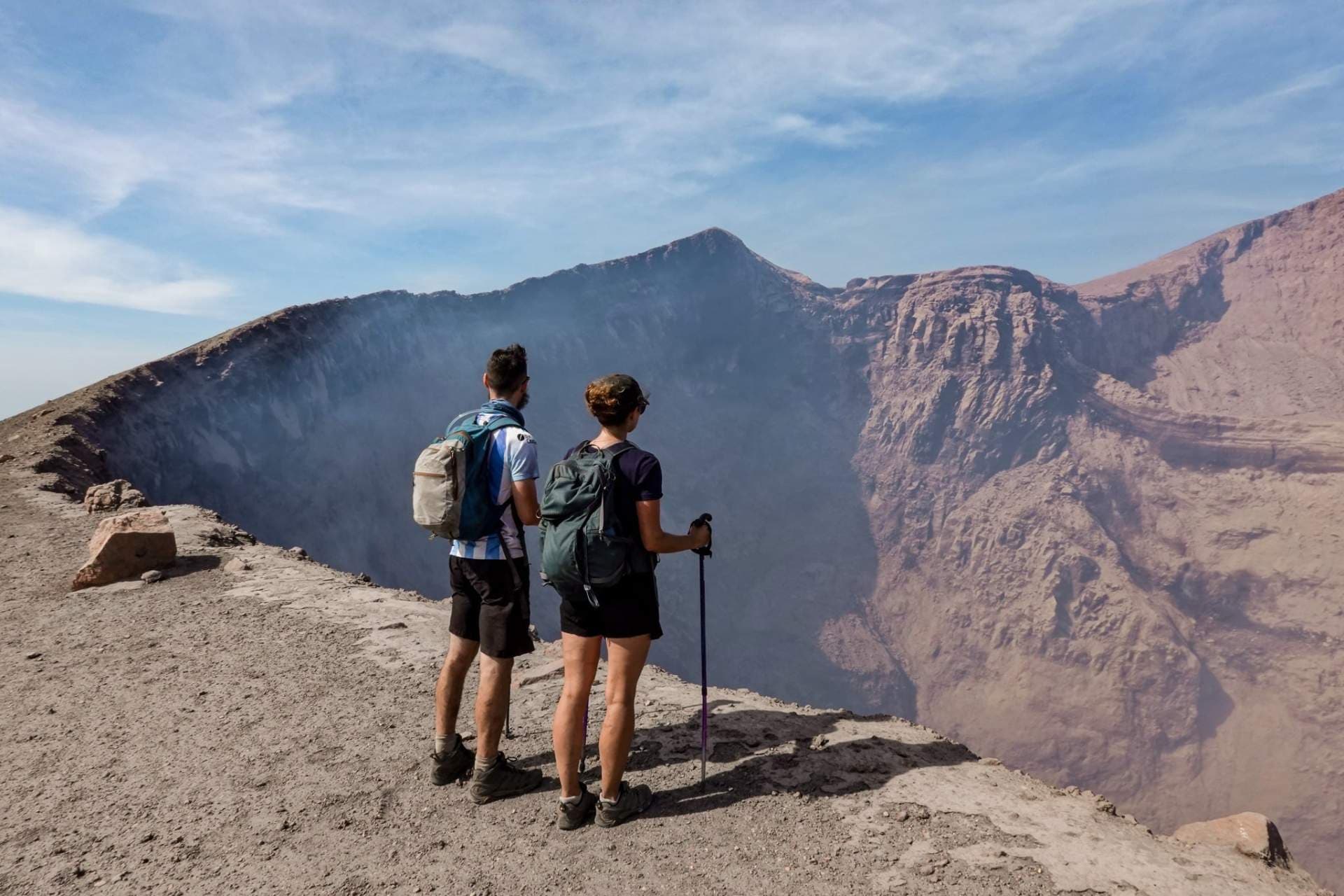
To understand Telica, you have to understand its volcano. Volcán Telica dominates the skyline, an active stratovolcano rising to between 1,036 and 1,061 meters. Its crater is massive—about 700 meters wide and 120 meters deep—and it frequently exhales steam and gas with the casual indifference of a sleeping giant. The local festivals often orbit this geological reality, mixing devotion with the very real awareness that the ground beneath them is alive.
The Calendar of Saints and Heroes
The festival calendar in Telica is dense, particularly in the first half of the year. If you are planning a trip specifically for these events, you need to align your flights with the church, not the airline.
The year kicks off with heavy religious weight. The Peregrinación de la Virgen de Hato takes place during the last week of January and spills into the first week of February. This is a pilgrimage, which means walking, sweating, and singing. It is not a spectator sport. Participants make their way to honor the Virgin, and the atmosphere is one of collective endurance. Expect crowds, dust, and a profound sense of shared purpose that feels alien if you are used to solitary travel.
February brings a rapid-fire succession of celebrations. On February 10, the town celebrates the Fiesta de San Caralampio. A day later, on February 11, it’s the turn of the Virgen de Lourdes and the Santo Cristo en Sanjón. The proximity of these dates suggests that the locals do not get much rest. For the visitor, it means a month of continuous activity: processions, masses, and the inevitable post-celebration meals. If you are in Telica in February, you will eat. Whether you want to or not.
The September Spectacle
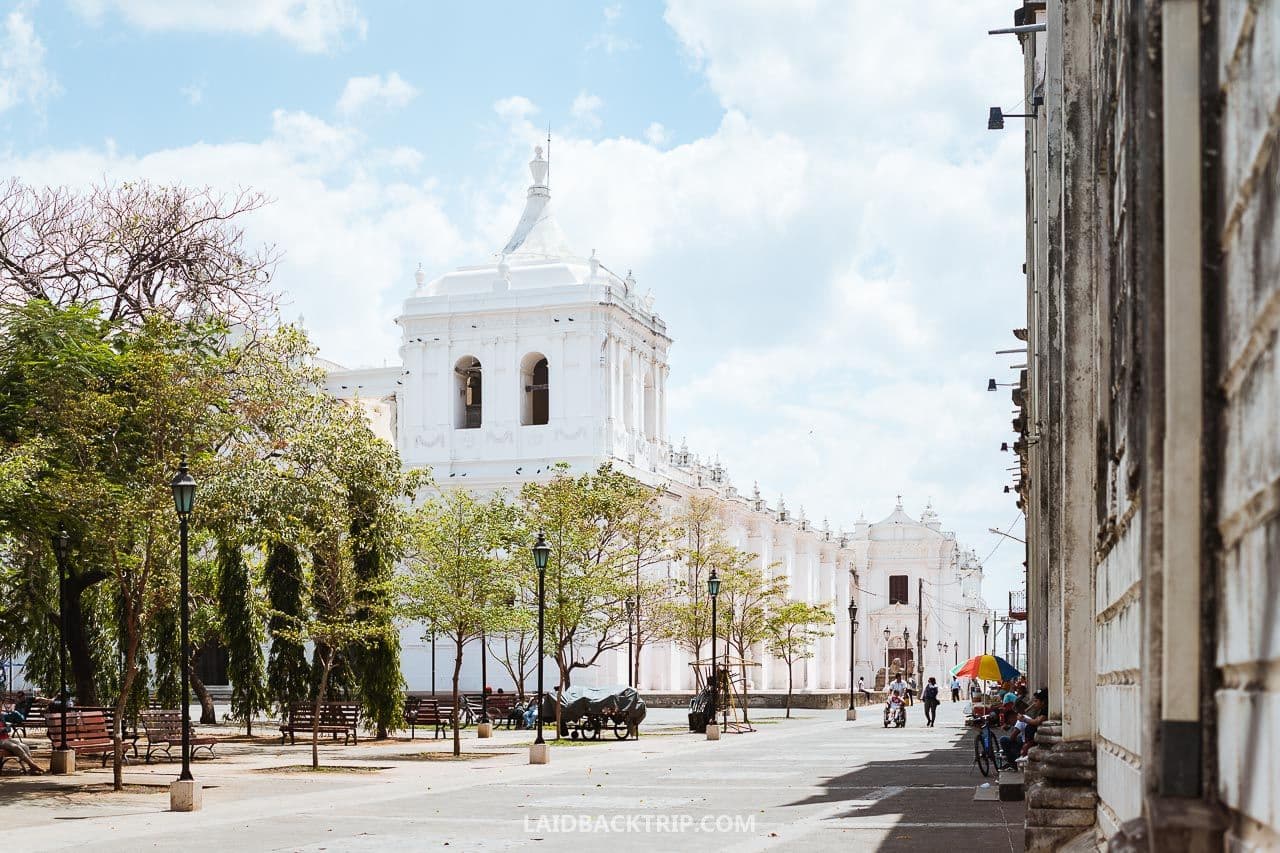
While the winter festivals are intense, the late-year celebration is arguably the most significant for non-locals: the Natalicio del Prócer Miguel Larreynaga. This week-long festival honors the birth of Miguel Larreynaga, a local hero and prócer (patriot). It culminates on September 29.
This event serves as a week-long immersion into local identity. Expect decorations along the main roads, increased traffic (which is saying something for a town of this size), and a heightened sense of civic pride. The celebration likely involves traditional music, dancing, and the consumption of regional staples. While specific menu details for the festival aren’t universally documented, you can assume the presence of gallo pinto, fried plantains, and whatever meat is being grilled in the plaza. You witness Telica as a living community celebrating its own history, rather than merely a backdrop for hiking.
Practicalities for the Festival-Goer
Attending a festival in rural Nicaragua requires a shift in mindset. You are not a customer; you are a guest, and potentially an intruder, depending on how you behave.
Transport: There is no train to Telica. Nicaragua’s national rail network is largely inactive for passenger service. You will arrive by road, typically from León, which is about 30 kilometers away. During festival weeks, local buses and colectivos may run on altered schedules or fill up faster than usual. If you rely on public transport, ask your host for the latest timetable upon arrival. Do not assume the schedule posted online is accurate for the week of a saint’s day.
Timing: The dry season, from November to April, is generally recommended for visiting the region. However, this clashes with the major February festivals. If you prioritize the Peregrinación de la Virgen de Hato or the Fiesta de San Caralampio, you will be traveling in the latter part of the dry season or the very beginning of the wet. Trails may be muddy, but the social energy will be high. For the September festival, you are firmly in the rainy season. Pack rain gear. Not the fashionable kind—the functional, waterproof kind that you don’t mind ruining.
Money: Bring cash. Small bills. While León may have ATMs, Telica itself may not. Vendors selling food, crafts, or souvenirs during festivals will prefer exact change. Having a stack of small Córdobas will save you from the awkward dance of waiting for change from a tired vendor.
Beyond the Party: The Volcano Context
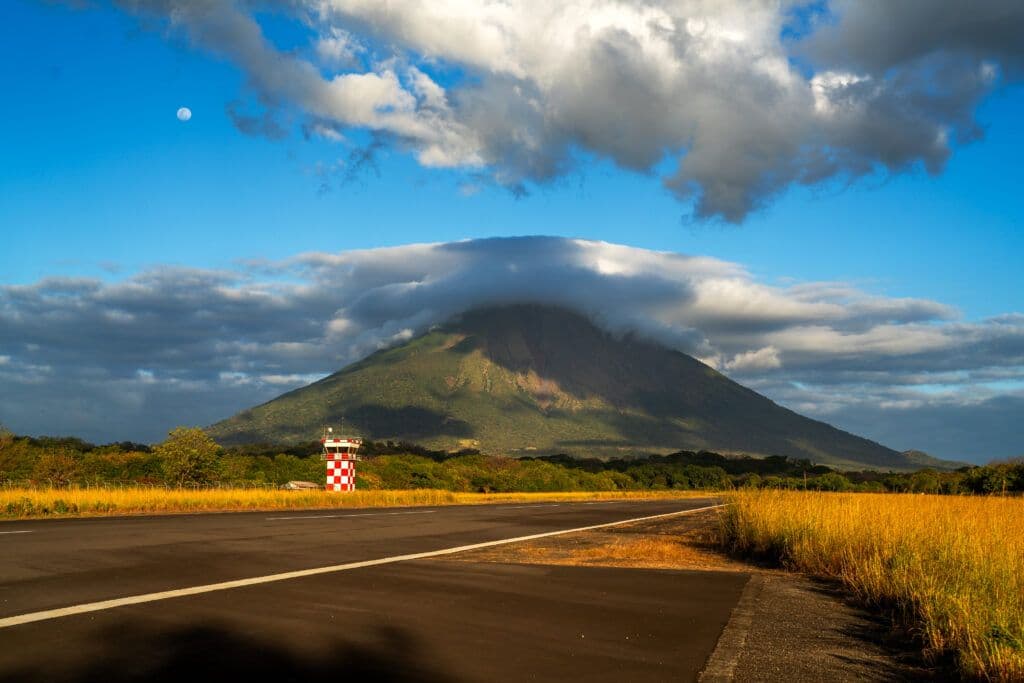
You cannot talk about Telica without talking about the volcano. It is the elephant in the room, if the elephant was made of rock and occasionally smoked. The Crater Rim Trail is a popular hiking route that offers 360-degree views and access to sunrise vistas over the active crater.
If you are in town for a festival, consider hiking before or after the main events. The contrast is striking: one moment you are caught in the fervor of a procession, the next you are standing on the edge of a 700-meter-wide crater, listening to the wind hiss through the steam vents. It provides a necessary perspective. The festivals celebrate the human spirit; the volcano reminds you of nature’s indifference.
Hiking conditions vary. In the dry season, the trails are safer and more accessible. In the rainy season, mud can make the ascent slippery and dangerous. Check with local guides or your accommodation for current trail conditions. Do not attempt the hike alone if you are unfamiliar with the terrain, especially if you’ve been drinking since the previous night’s festivities.
Who Should Go?
Telica is not for everyone. If you seek luxury, nightlife, or curated experiences, look elsewhere. This is for travelers who appreciate authenticity over comfort. It suits the solo adventurer willing to engage with locals, the couple interested in cultural immersion, and the family comfortable with basic amenities and unpredictable schedules.
The best time to visit depends on your priorities. For hiking, aim for the dry season (November to April). For festivals, target February or September. Be prepared for crowds, heat, and a pace of life dictated by the church bell rather than your watch.
FAQ
Is Telica safe for tourists? Generally, yes. Like many places, petty crime exists. Exercise standard precautions: don’t flash expensive jewelry, keep an eye on your belongings in crowds, and avoid walking alone at night in unfamiliar areas. During festivals, the sheer density of people can be overwhelming, so stay aware of your surroundings.
What should I wear to a festival? Comfortable, modest clothing. You will be walking, possibly on uneven ground. Respect local customs by covering shoulders and knees, especially if entering churches. Avoid flashy outfits that mark you as an easy target. Footwear should be sturdy and water-resistant, regardless of the season.
Can I hike the volcano during a festival? Yes, but expect more people on the trails. The festival atmosphere may extend to the base of the volcano, with vendors and groups gathering before ascending. Start early to beat the crowds and secure parking if you drive. Always check trail conditions with locals, as recent rain can affect stability.
In Telica, the festivals represent the rhythm of life you step into. Embrace the chaos, respect the traditions, and let the volcano remind you that some things are bigger than our celebrations.