Skip the cruise ship crowds. Fuwayriţ offers a rugged, low-impact coastline where wind, sand, and slow travel define the rhythm of your stay.
The wind here does not ask permission; it simply arrives, tugging at your sleeves and flattening the dunes into sleek, aerodynamic curves. Fuwayriţ, perched on Qatar’s northernmost coast in the municipality of Madinat ash Shamal, is not a place for passive sightseeing. It is a landscape defined by movement—of the sea, the sand, and the kites that dance above the turquoise shallows. For the eco-conscious traveler, this remote outpost offers a rare opportunity to engage with the Gulf environment without the heavy footprint of urban tourism. There are no sprawling resorts here, only a long stretch of beach, a handful of fishing boats, and the quiet imperative to tread lightly.
The Landscape of Restraint
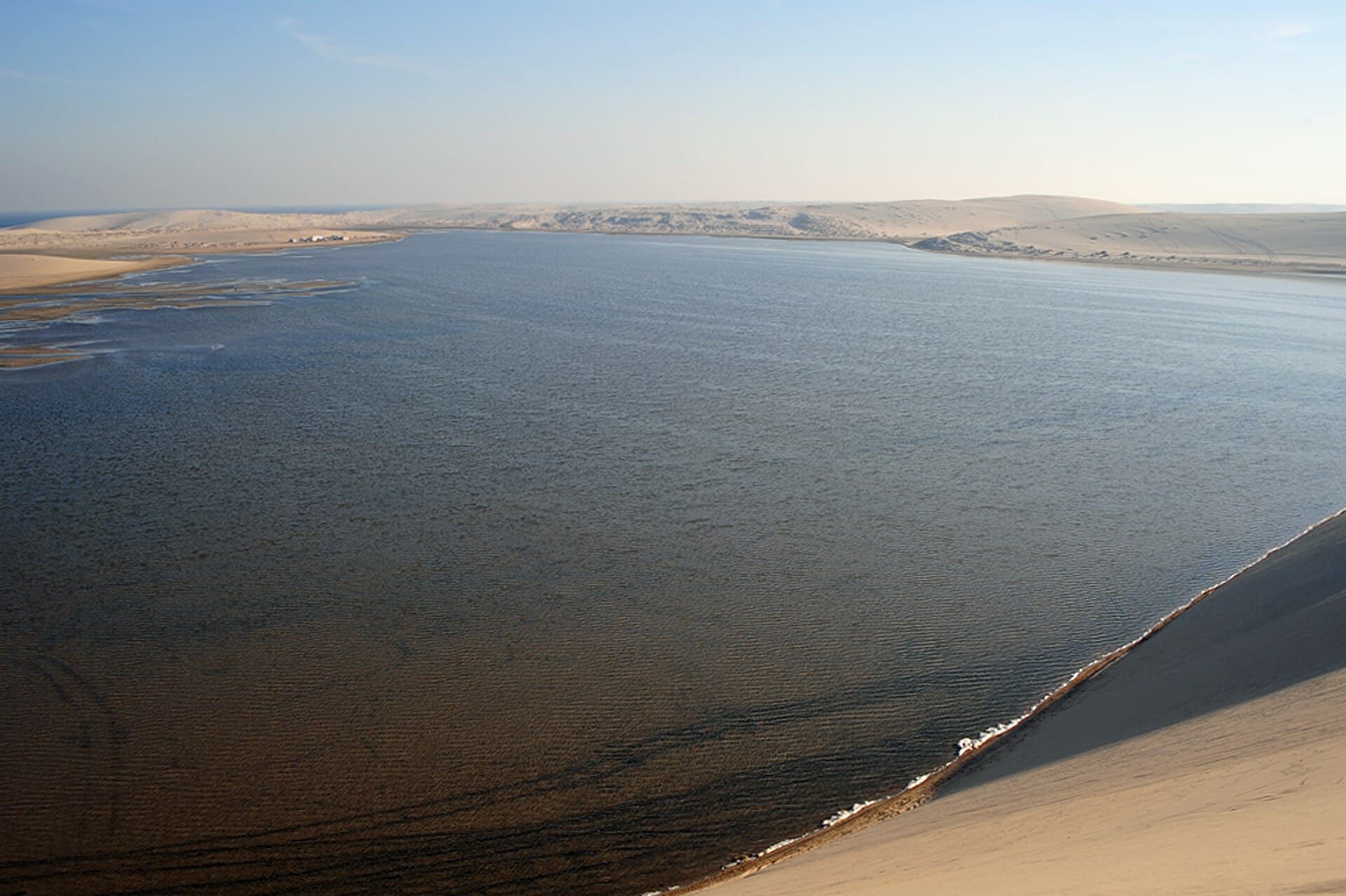
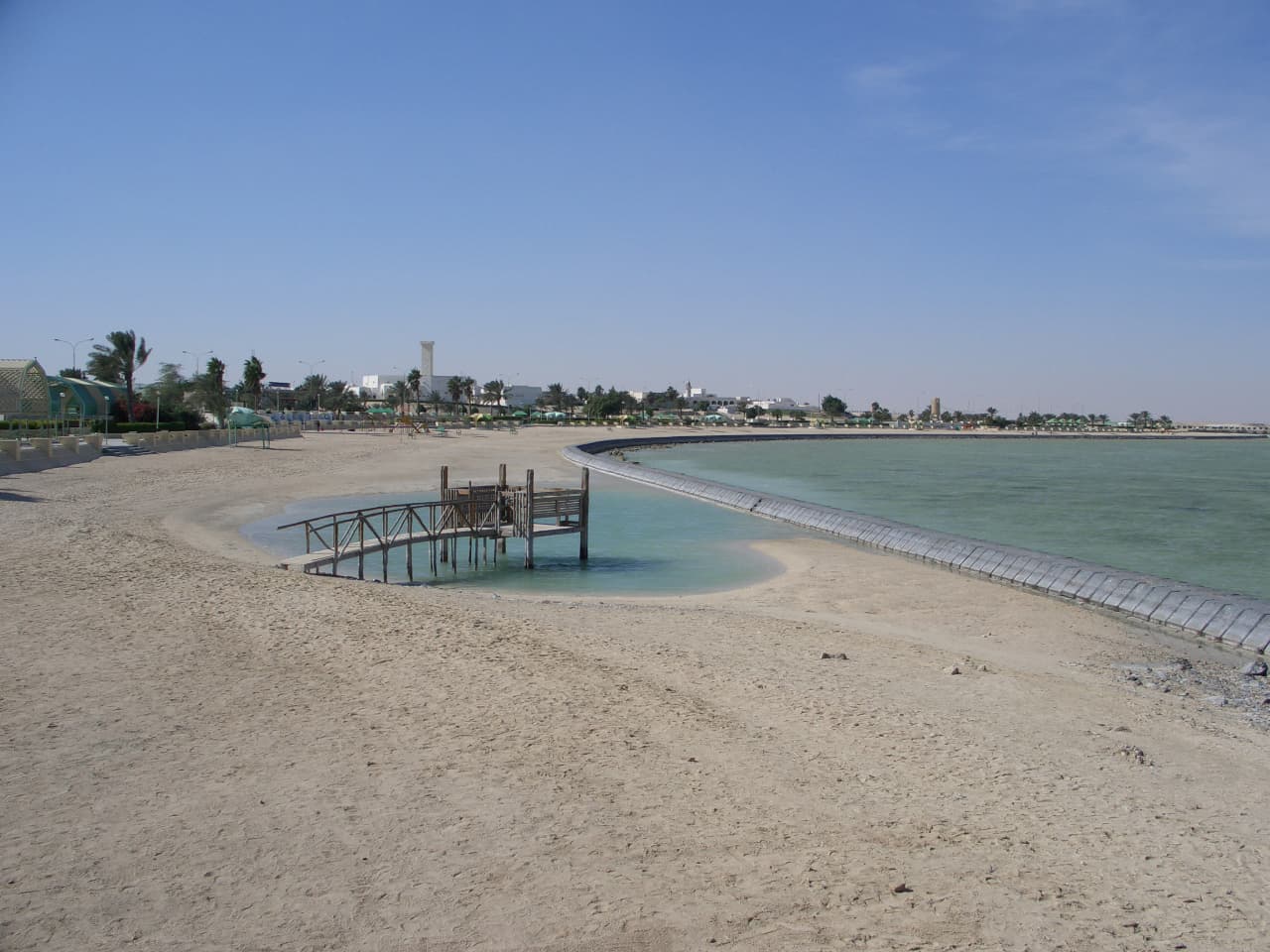
Fuwayriţ’s primary draw is its raw, uncurated shoreline. The beach stretches for kilometers, backed by dunes that shift with the seasonal winds. This is not a manicured resort beach with umbrellas every ten meters; it is a working coastline where local fishermen still haul their boats onto the sand. The visual contrast is striking: the stark white silica sand against the deep blue of the Persian Gulf, punctuated by the bright colors of kite-surfing gear.
For the eco-traveler, the appeal lies in the absence of infrastructure. There are no concrete boardwalks or artificial reefs. Instead, you have the natural barrier of the mangroves further south and the open dunes to the east. The light here in spring is particularly sharp, bouncing off the sand with an intensity that demands sunglasses and a hat. The silence, when the wind drops, is profound, broken only by the lap of waves and the distant cry of a seabird. This is a place where the environment dictates the pace, not the itinerary.
Low-Impact Activities
Sustainable travel in Fuwayriţ is less about "green" certifications and more about mindful engagement. The most popular activity is kite-surfing, which relies entirely on renewable wind energy. Numerous local operators offer lessons and gear rental, allowing visitors to harness the powerful northerly winds that make this bay famous. Choosing a lesson supports the local economy directly, often with instructors who have grown up in the area.
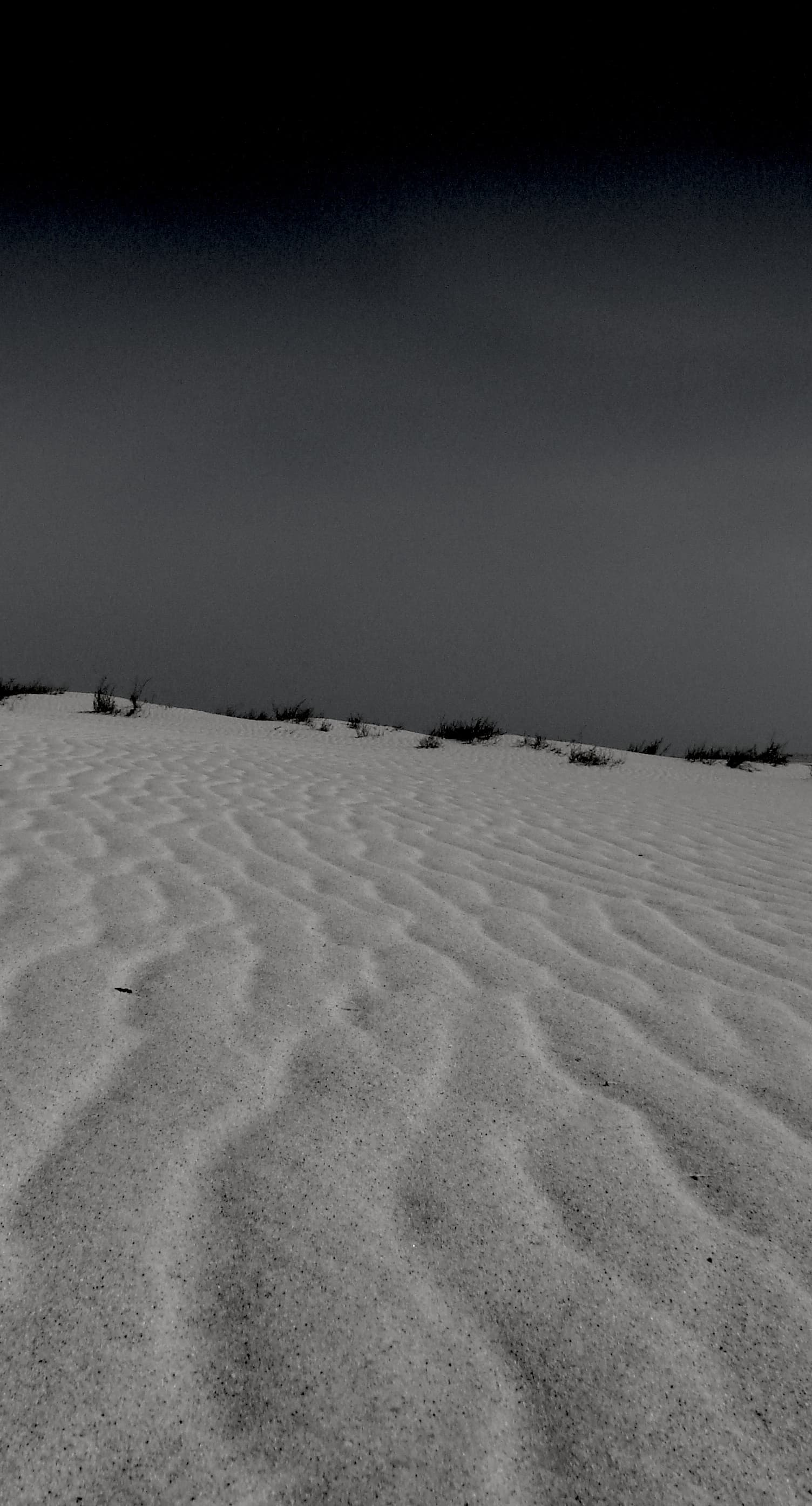
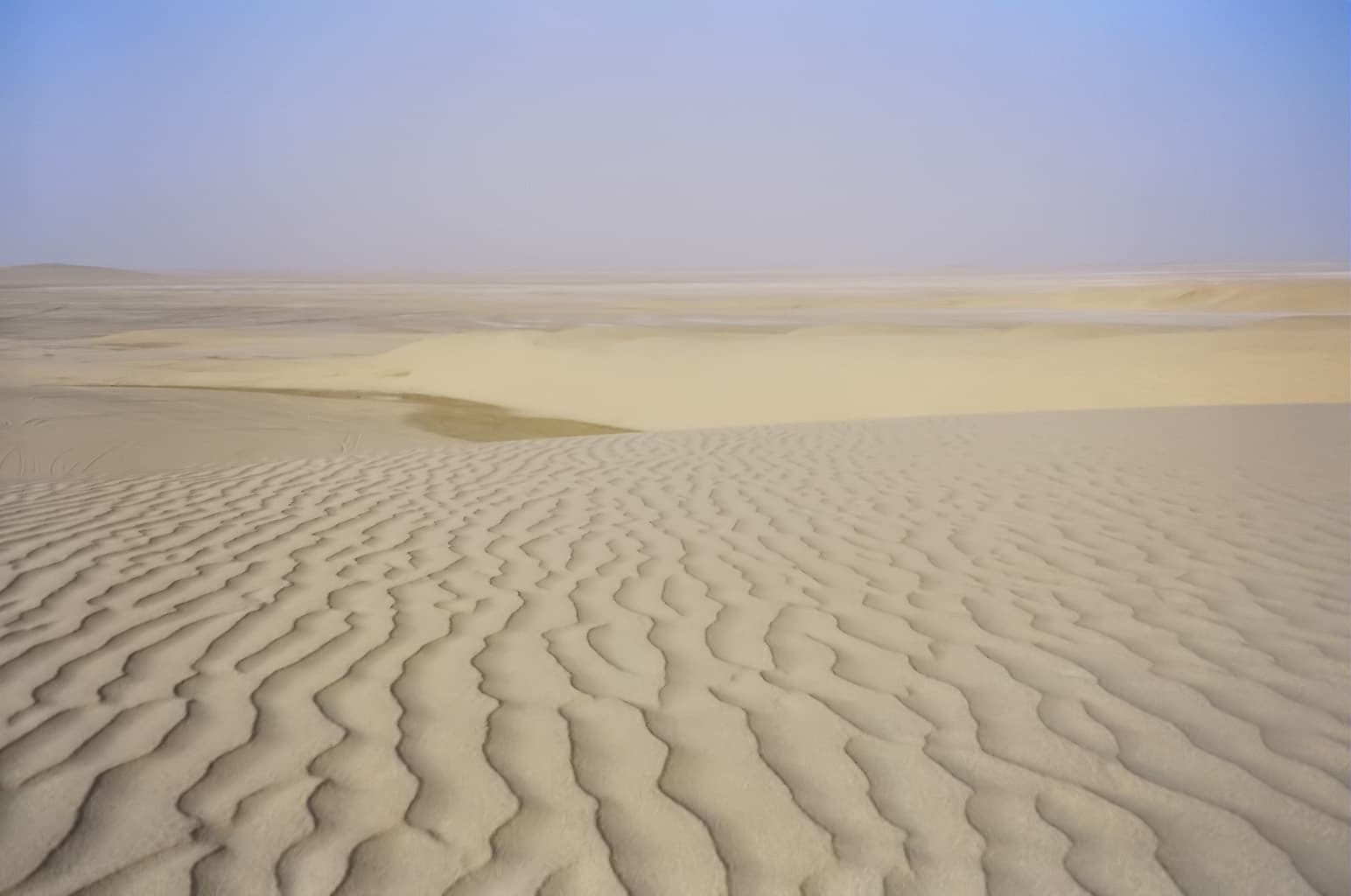
Beyond the water, desert hiking offers a quiet alternative. The dunes behind the beach are accessible on foot, providing a workout and a perspective shift. Walking rather than driving in a 4x4 reduces emissions and allows you to observe the fragile desert flora up close. Look for the small, hardy shrubs that cling to the dune crests, adapted to survive with minimal water.
Another option is a visit to the nearby mangrove ecosystems, such as those near Purple Island (Jazirat al-Muwaqqar). These areas are critical for carbon sequestration and marine biodiversity. Guided tours that emphasize education over extraction help preserve these sensitive habitats. Kayaking through the mangroves is a low-impact way to explore, offering views of birdlife and juvenile fish that are impossible to see from the shore.
Practicalities for the Conscious Traveler
Getting to Fuwayriţ requires planning, as it is approximately 150 kilometers north of Doha. The most eco-friendly option is to share a ride or join a group tour, rather than renting a private 4x4 solely for yourself. If you do drive, ensure your vehicle is in good condition to minimize fuel consumption and the risk of breakdowns in the remote area.
Accommodation options are limited, which works in favor of sustainability. There are no large international hotel chains here. Instead, you will find small campsites and local guesthouses. Camping on the beach is permitted in designated areas, but it is crucial to follow "leave no trace" principles. Bring a sturdy tent, your own water supply, and a bag for all your waste. There are no trash bins on the beach, so what you bring in, you must take out.
Water is a precious resource in Qatar. Most eco-conscious travelers bring their own reusable bottles and refill them in Doha or at designated stations. Avoid single-use plastics entirely; the wind can easily scatter lightweight litter, causing lasting damage to the marine environment.
Local Rhythm and Respect
Fuwayriţ is part of a traditional fishing community. While tourism is growing, the local culture remains rooted in maritime life. Respect this by dressing modestly, especially when away from the beach area. Loose, light-colored clothing not only aligns with local norms but also protects you from the sun.
Food in Fuwayriţ is simple and fresh. Local eateries serve grilled fish, often caught that morning, accompanied by rice and pickled vegetables. Choosing locally sourced food reduces the carbon footprint associated with transportation. If you are camping, prepare your meals with minimal waste and avoid cooking with open fires if possible, as this can damage the sand and vegetation. Use a portable stove instead.
The community is welcoming but private. Ask permission before photographing locals or their property. This basic courtesy fosters goodwill and ensures that your presence is seen as respectful rather than intrusive.
Timing Your Visit
Spring (March to May) is the ideal time to visit Fuwayriţ for eco-friendly travel. The temperatures are warm but not scorching, ranging from 25°C to 35°C. The wind is consistent, perfect for kite-surfing, and the daylight hours are long. Summer (June to September) sees temperatures soar above 40°C, making outdoor activities dangerous and increasing the demand for air conditioning and water, which strains local resources.
Autumn (October to November) is also pleasant, with cooling temperatures and calm seas. Winter can be surprisingly chilly, especially at night, with temperatures dropping to around 15°C. While this is a good time for hiking, the sea may be too cold for swimming.
Who is this for? Fuwayriţ suits solo travelers, couples, and small groups who value solitude and natural beauty over luxury amenities. It is not ideal for families with young children due to the lack of facilities and the remote location. Allow two to three days to fully experience the area without rushing.
FAQ
Is Fuwayriţ safe for solo female travelers? Yes, Qatar is generally very safe. However, due to the remote location and lack of lighting, it is advisable to visit during daylight hours and inform someone of your plans. Dressing modestly and respecting local customs will help you blend in and avoid unwanted attention.
What should I do with my waste? There are no waste management facilities on the beach. You must pack out all your trash, including biodegradable items like fruit peels, which can attract animals and disrupt the ecosystem. Bring sealed bags for this purpose.
Do I need a 4x4 to get there? No, the main road to Fuwayriţ is paved and accessible by regular cars. However, if you plan to explore the dunes or access remote campsites, a 4x4 is necessary. Consider joining a tour if you do not have one, to share the environmental impact.