If you’re craving a destination where the jungle thrums with life, the ocean sparkles with turquoise hues, and the air carries the scent of rain-soaked earth and exotic blooms — Madang, Papua New Guinea, is your springtime calling. Nestled in the easternmost corner of the island of New Guinea, this coastal gem offers a rare blend of untouched wilderness, vibrant indigenous culture, and stunning natural beauty that’s just beginning to bloom as the season turns. Forget crowded resorts — here, you’ll find pristine beaches, lush rainforests, and a laid-back pace that invites you to unwind and reconnect with nature. Whether you’re an adventure seeker, a culture lover, or simply someone who craves a serene escape, Madang delivers an unforgettable spring experience that’s both wild and welcoming.
Why Spring is the Perfect Time to Visit Madang
Madang’s springtime — which roughly aligns with the months of April to June — is a magical window for travelers. The weather is warm and humid, but not oppressive, with temperatures hovering around 25°C (77°F), making it ideal for outdoor exploration. Rainfall is minimal compared to the wet season, meaning you’ll have clearer skies for photography and more reliable access to trails and beaches. The lush greenery of the rainforest is at its most vibrant, and the coral reefs off the coast are teeming with marine life, offering perfect conditions for snorkeling and diving. Locals are also more likely to be out and about, celebrating seasonal festivals and offering warm hospitality to visitors — giving you a chance to experience authentic Papuan culture without the rush of peak tourist seasons.
One of the biggest perks of visiting in spring is the chance to witness the region’s unique wildlife. The nearby rainforest is home to rare birds, tree kangaroos, and even the elusive cassowary — and you’re more likely to spot them when the undergrowth is lush and the trails are less muddy. The waters off Madang are also home to some of the most biodiverse coral reefs in the world, and the spring season offers ideal visibility for snorkelers and divers. Don’t miss the chance to explore the famous “Diving Capital of Papua New Guinea” — with its crystal-clear waters and vibrant coral gardens, Madang is a diver’s dream.
Top Attractions and Natural Wonders
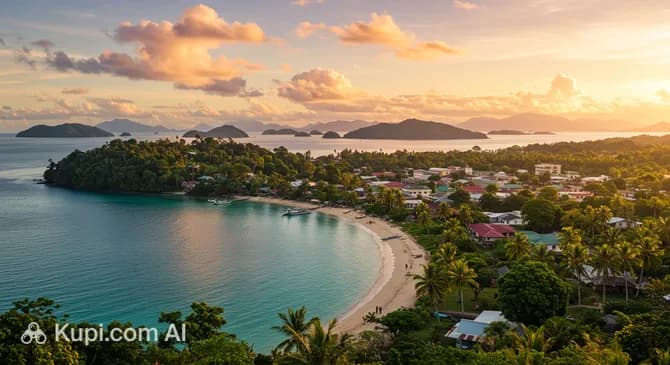
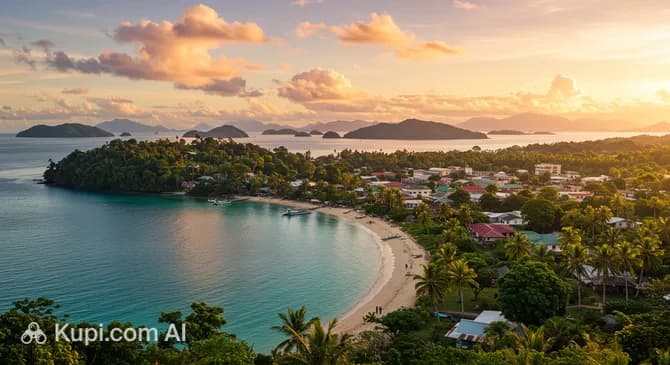
Madang’s natural beauty is its greatest asset — and spring is the perfect season to experience it. The region’s most iconic attraction is the Madang Lagoon, a stunning crescent-shaped bay that’s framed by towering cliffs and fringed with white sand beaches. It’s a favorite spot for sunset swims and quiet picnics, and the water is so clear that you can see the coral reefs beneath the surface. If you’re feeling adventurous, take a guided kayak tour through the lagoon’s hidden coves or rent a motorized boat to explore the surrounding islands.
For those who love the outdoors, the Kikori River offers some of the most thrilling white-water rafting in the region. The river’s rapids are rated Class III and IV, making it perfect for experienced rafters and those looking for a real adrenaline rush. The surrounding rainforest is also home to some of the most breathtaking hiking trails in Papua New Guinea, including the Kikori River Trail and the Mount Tambora Trail — both of which offer stunning views of the jungle canopy and the distant peaks of the Owen Stanley Range.
Cultural Experiences and Indigenous Heritage
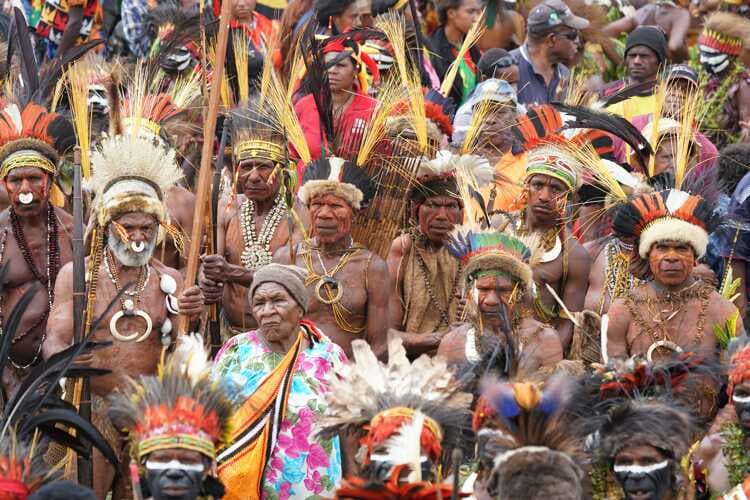
Madang is not just about nature — it’s also a window into the rich cultural heritage of Papua New Guinea. The region is home to over 500 distinct tribal groups, each with its own language, traditions, and art forms. One of the most fascinating cultural experiences is visiting the Madang Museum, which showcases the region’s indigenous art, artifacts, and history. The museum’s collection includes traditional masks, carved wooden sculptures, and ceremonial objects that tell the story of the region’s ancient cultures.
For a more immersive experience, consider attending one of the many local festivals that take place in spring. The Madang Cultural Festival is held every year in April and offers a chance to witness traditional dances, music, and storytelling. You can also visit the Madang Art and Craft Market, where you’ll find handmade crafts, woven baskets, and traditional clothing created by local artisans. Don’t forget to try some of the region’s unique cuisine — dishes like kava, a traditional drink made from the root of the kava plant, and sago, a starchy staple made from the pith of the sago palm, are must-tries.
Accommodation and Where to Stay
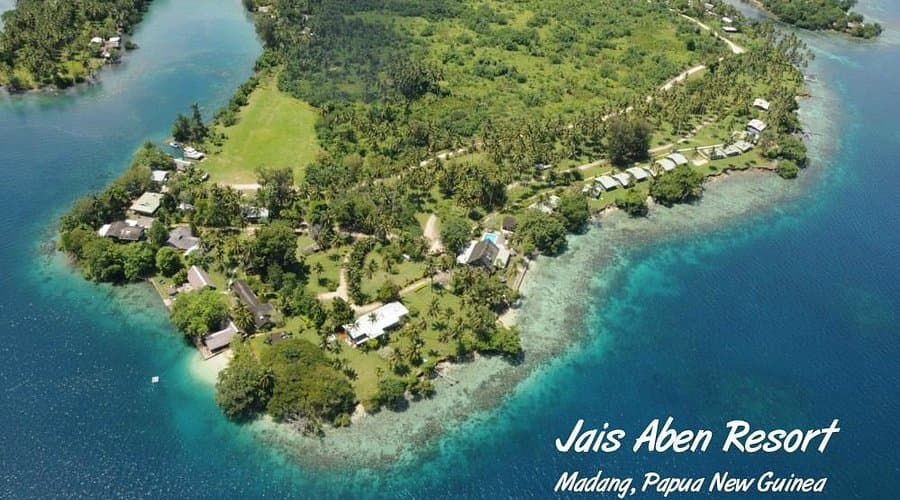
Madang offers a range of accommodation options, from luxury resorts to budget-friendly guesthouses, all with stunning ocean views. For a truly luxurious experience, consider staying at the Madang Lagoon Resort, a boutique hotel that’s perched on the edge of the lagoon and offers private villas, infinity pools, and direct access to the beach. If you’re looking for something more budget-friendly, the Madang Backpackers Hostel is a great option — it’s centrally located, offers dormitory-style rooms, and has a lively social scene with regular events and activities.
For those who want to be closer to nature, consider staying at one of the eco-lodges in the surrounding rainforest. The Kikori River Eco-Lodge offers comfortable cabins with private bathrooms, a restaurant serving local cuisine, and guided tours of the rainforest and river. If you’re looking for a more adventurous experience, you can also opt for a homestay with a local family — this is a great way to experience authentic Papuan culture and learn about daily life in the region.
Getting Around and Transportation
Getting around Madang is relatively easy, thanks to its small size and well-developed infrastructure. The main airport is Madang Airport, which offers domestic flights to Port Moresby and other major cities in Papua New Guinea. From there, you can take a taxi or hire a private car to reach your accommodation or any of the main attractions.
If you’re planning to explore the surrounding areas, renting a car or hiring a private driver is the best option. Many tour operators offer guided day trips to the nearby islands, rainforests, and beaches — these are a great way to experience the region’s natural beauty without having to worry about transportation. For a more adventurous experience, you can also rent a motorbike or kayak and explore the lagoon and river on your own.
What to Pack and Practical Tips
When packing for Madang in spring, it’s important to pack light but smart. The weather is warm and humid, so pack lightweight, breathable clothing — think cotton shirts, shorts, and sandals. Don’t forget a swimsuit, as you’ll likely be spending a lot of time in the water. A hat and sunglasses are also essential to protect yourself from the sun, and a waterproof jacket is a good idea for sudden rain showers.
When it comes to practical tips, be sure to bring a reusable water bottle — the tap water in Madang is safe to drink, but it’s always a good idea to have your own supply. Also, be sure to bring a power bank — while there’s electricity in most places, it’s not always reliable, and you’ll want to be able to charge your phone and camera. Finally, don’t forget to bring a good camera — Madang’s natural beauty is stunning, and you’ll want to capture it all.
Final Thoughts: Why Madang is Your Springtime Escape
Madang, Papua New Guinea, is a hidden gem that offers something for everyone — whether you’re an adventure seeker, a culture lover, or simply someone who craves a serene escape. With its stunning natural beauty, rich cultural heritage, and warm hospitality, Madang is the perfect destination for a springtime getaway. So pack your bags, grab your camera, and get ready to experience one of the most beautiful and untouched destinations in the world.
Whether you’re snorkeling in the crystal-clear waters of the Madang Lagoon, hiking through the lush rainforest, or attending a local festival, you’re sure to create memories that will last a lifetime. So don’t wait — book your trip to Madang today and experience the magic of springtime in Papua New Guinea.