Spring in Mali, a landlocked nation in West Africa, offers a rare window into a country shaped by ancient empires, vast desert expanses, and resilient cultures. While not a typical tourist destination, Mali presents an authentic and profound experience for travelers seeking history, natural beauty, and cultural depth. The season brings milder temperatures and clearer skies, ideal for exploring the Sahara and Sahel regions, though travelers must approach with careful planning and awareness of current conditions.
Exploring the Heart of the Sahara and Sahel
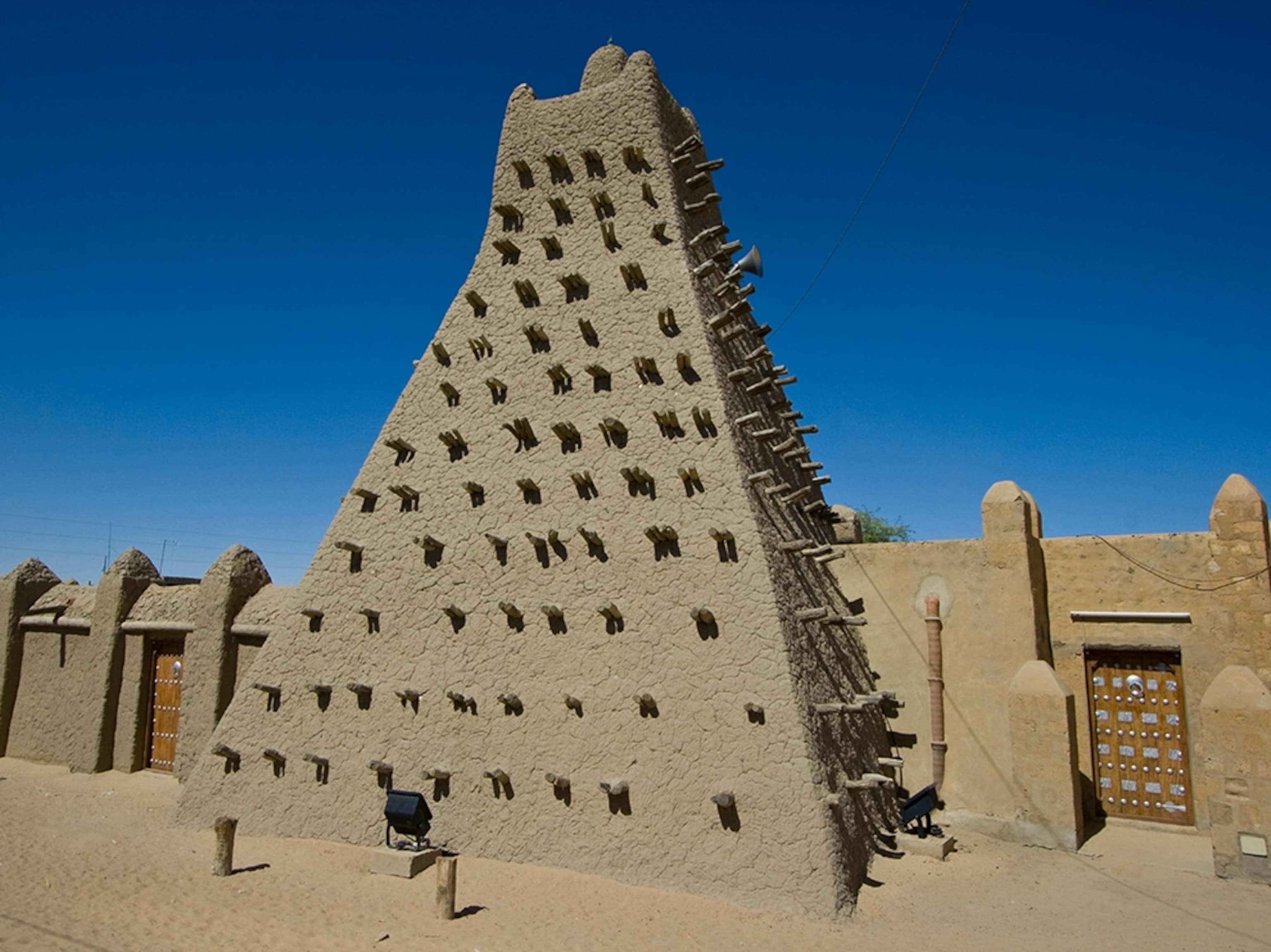
Mali’s landscape is dominated by the Sahara Desert, which covers more than half the country, and the Sahel, a transitional zone between the desert and the savanna. In spring, the air is less oppressive than in summer, making it easier to traverse the arid terrain. The northern regions, including Timbuktu and the Ténéré Desert, are prime destinations for those interested in desert exploration and historical sites. The ancient city of Timbuktu, a UNESCO World Heritage site, once a center of Islamic learning, still holds the ruins of historic mosques and libraries that whisper tales of its golden age.
Cultural Heritage and Historical Sites
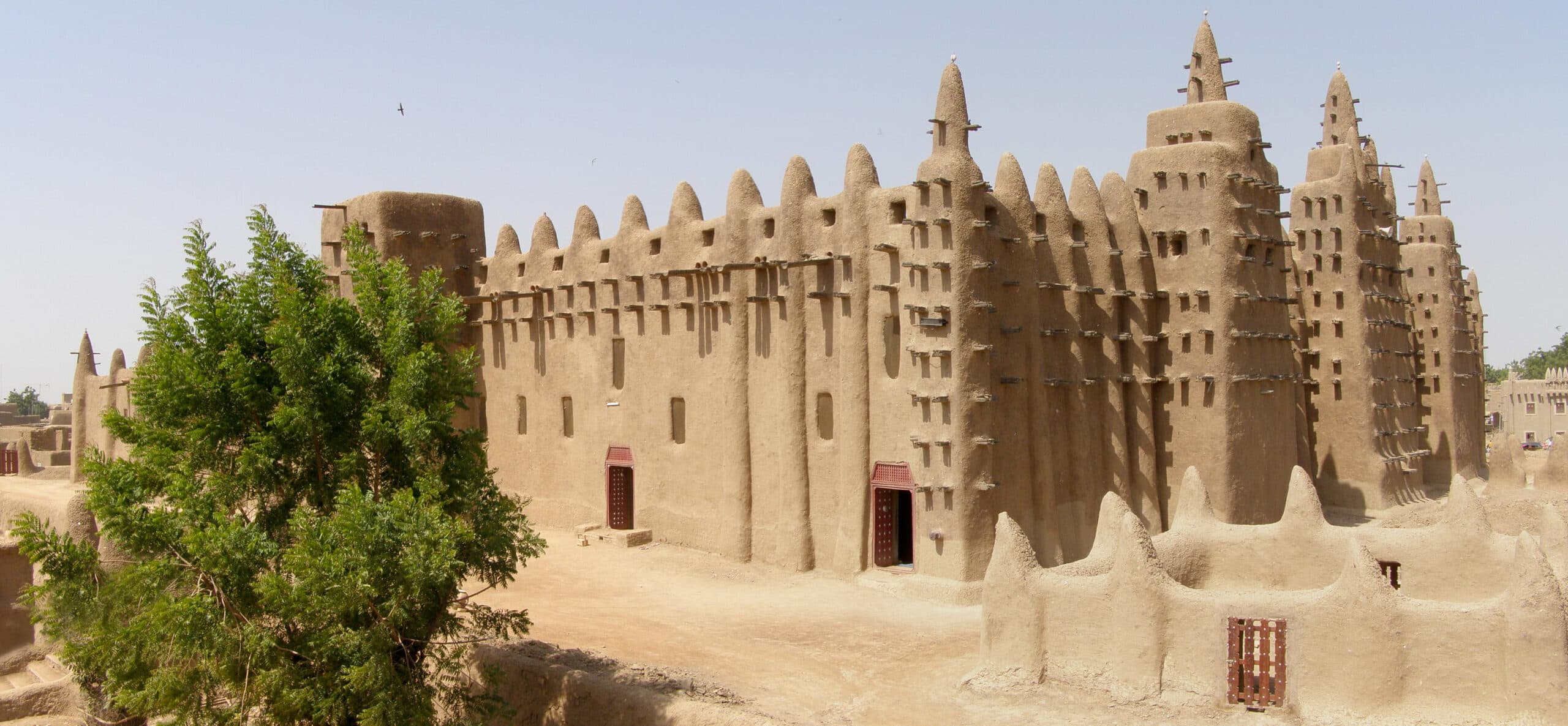
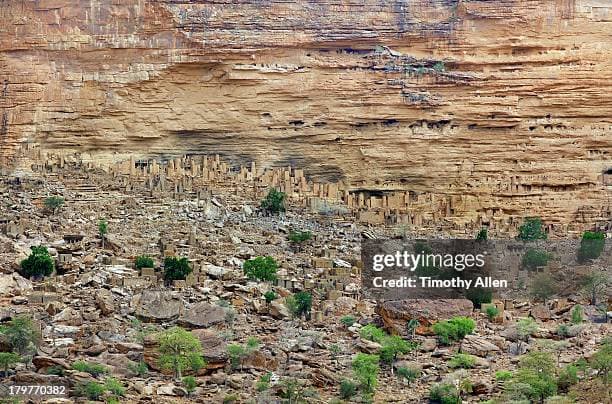
Mali’s rich history is evident in its cultural landmarks. The Djenné Mosque, the world’s largest mud-brick building, stands as a testament to the architectural ingenuity of the region. Located in the town of Djenné, this UNESCO site is rebuilt annually by the local community, a tradition that strengthens social bonds and preserves heritage. Other notable sites include the ancient city of Djenne-Djeno, which dates back over 2,500 years, and the cliffs of Bandiagara, home to the Dogon people and their unique cliffside villages.
Local Experiences and Traditional Life
Engaging with local communities is a highlight of any trip to Mali. The Dogon people, known for their intricate masks and rituals, offer travelers a glimpse into a culture that has preserved its traditions for centuries. In the south, the Bambara and Malinké peoples are known for their vibrant music, dance, and craftsmanship. Spring is an excellent time to attend local festivals, where traditional music and dance performances are common. Visitors can also participate in daily life, such as helping with farming or learning traditional weaving techniques.
Food and Cuisine
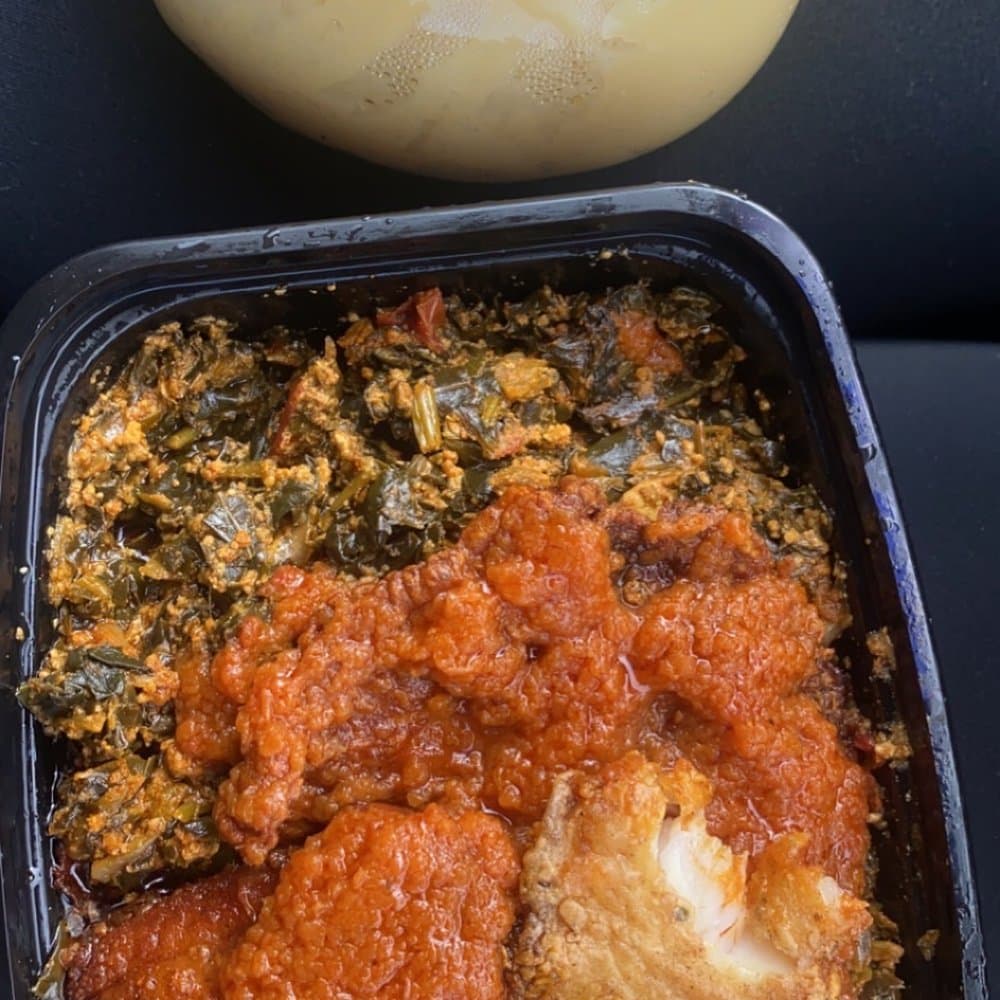
Malian cuisine is hearty and flavorful, reflecting the country’s agricultural roots and diverse ethnic groups. Staples include millet, sorghum, rice, and couscous, often served with rich stews made from meat, fish, or vegetables. A popular dish is tô, a thick porridge made from millet or sorghum, typically eaten with a sauce. Riz au gras, rice cooked with meat and spices, is another favorite. In spring, fresh produce like tomatoes, onions, and greens become more abundant, adding vibrancy to meals. Don’t miss the opportunity to try bissap, a refreshing hibiscus tea, which is a staple in many households.
Travel Safety and Practical Advice
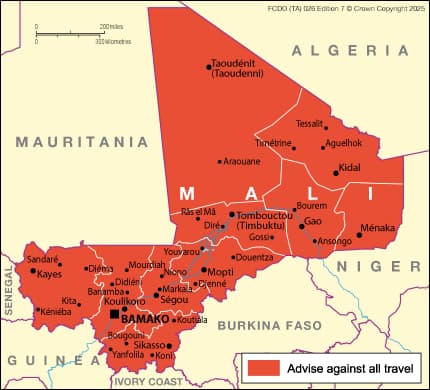
While Mali offers unique cultural and historical experiences, it is essential to prioritize safety. The country has faced political instability and security challenges, including threats from jihadist groups, particularly in the northern and central regions. Travelers should consult official government travel advisories before planning a trip. The U.S. Department of State, UK Foreign Office, and other national authorities often issue warnings against non-essential travel to certain areas. If visiting, it is recommended to travel with a reputable tour operator, avoid remote areas, and stay informed about local conditions.
Health precautions are also important. Vaccinations for yellow fever, hepatitis A, typhoid, and rabies are recommended. Malaria is prevalent, so prophylaxis and mosquito protection are essential. Travel insurance with comprehensive coverage is strongly advised, especially given the potential for sudden changes in security.
Conclusion: A Journey of Discovery
Mali, Guinea, may not be on every traveler’s radar, but for those seeking authenticity, history, and natural beauty, it offers a profound journey. Spring provides favorable weather and a chance to experience the country’s cultural richness with fewer crowds. From the ancient cities of Timbuktu and Djenné to the remote villages of the Dogon, Mali invites travelers to step back in time and connect with a land shaped by empires and endurance. With careful planning and respect for local customs and safety, a trip to Mali can be a deeply rewarding adventure.