Trade the reef for the ridge. Namosi Province offers raw highlands, kava ceremonies, and a long drive away from Suva’s noise.
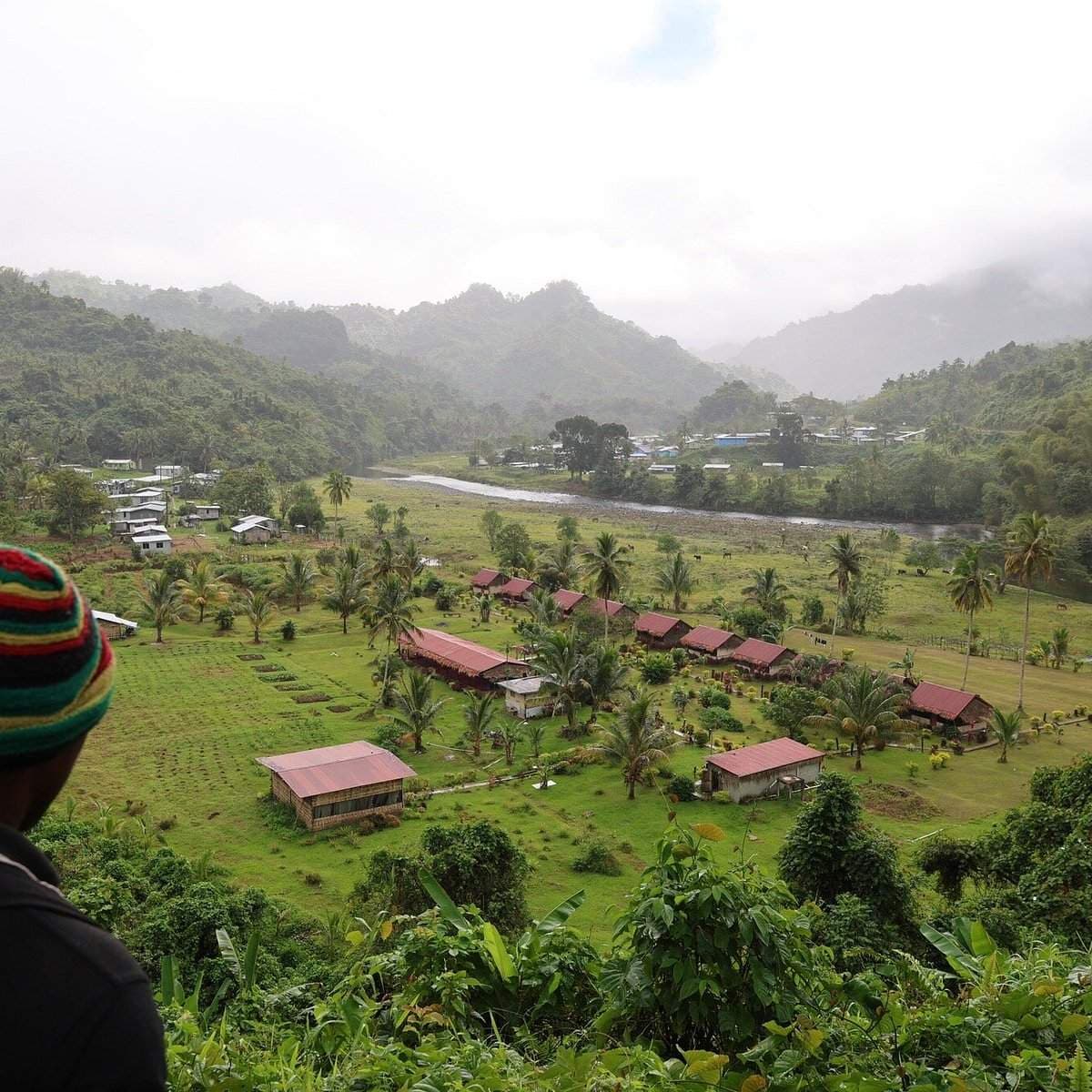
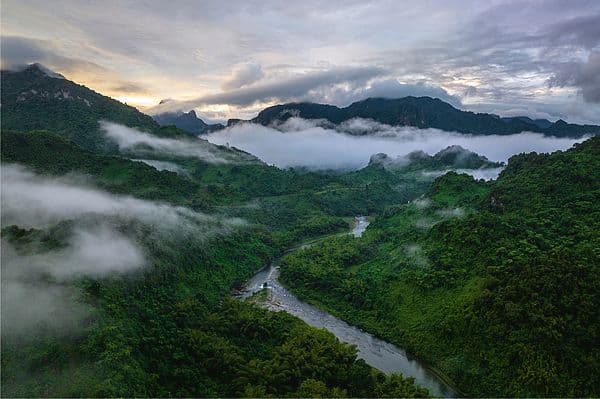
The asphalt ends where the humidity thickens. You are no longer in the coastal sprawl of Suva. You are in Namosi Province, the interior heart of Viti Levu, where the air smells of wet earth, woodsmoke, and crushed ginger. People who need Wi-Fi to feel alive should stay on the coast. This is a place to dismantle the ego you brought with you on the plane. The mountains here do not care about your itinerary. They care about rain, root systems, and the quiet persistence of indigenous life. If you are looking for a sanitized resort experience, turn around. If you are looking to sweat, listen, and see what Fiji looks like when the ocean isn’t shouting, keep driving.
The Road In: Choosing Your Suffering
Getting to Namosi is the first test. There are no rails here. No trains humming you into comfort. Just roads that reveal your vehicle’s character and your patience’s limit. You have choices, and both start in the lowlands.
The standard way is the Namosi Road. It cuts through the Navua River Valley, a landscape of steep green walls and mist that clings to the canopy like a second skin. Most vehicles can handle this, provided they are in decent shape. It is scenic, yes, but it is also the path of least resistance. You will see the waterfalls and cascades mentioned in the motorcycle routes, but you will also see other tourists. They are there too, trying to prove they are adventurous.
The harder way involves the steeper gradients found deeper in the interior or via alternative tracks from the Rewa border. This is not for the faint of heart or the underpowered. You need a 4WD vehicle. The terrain is steep, the gradients are unforgiving, and the road surface can turn to mud if the heavens open. This route demands respect. It isolates you. It forces you to slow down. If you take this path, you are not just traveling; you are negotiating with the landscape.
Where to Stay: The Last Honest Corners
Forget the all-inclusive resorts on the reef. Here, accommodation is about proximity to the ground.
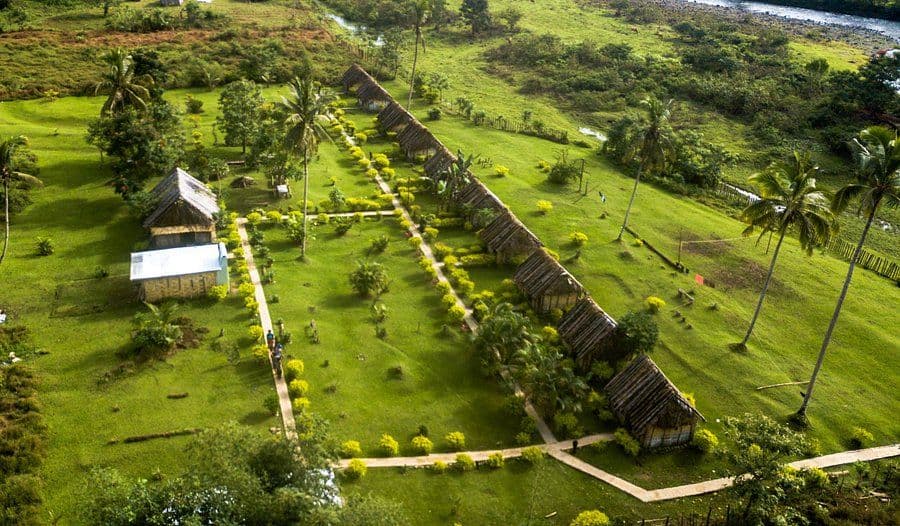
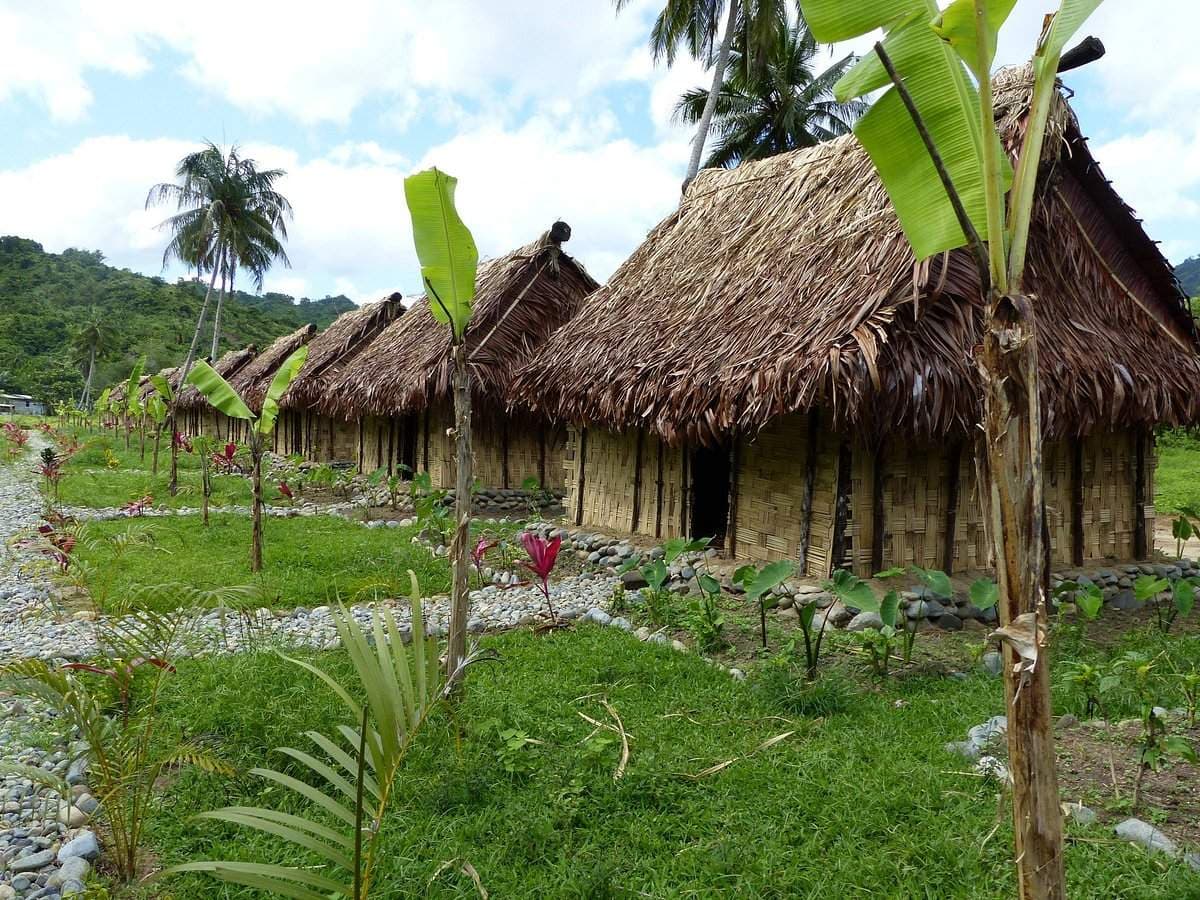
Namosi Eco Retreat Located in Navunikabi, this retreat anchors the interior experience. It functions as a collection of bungalows surrounded by jungle. The price point is reasonable for what you lose: constant connectivity. You are roughly two to three hours from Suva, which feels like a lifetime when you are sitting on a veranda watching the mist roll off the peaks. The differentiator here is the silence. It is heavy, humid, and absolute. You sleep to the sound of insects and distant rain, not airport traffic.
Local Village Stays For everything else, you are looking at local guesthouses or village stays. There are no five-star chains here. The luxury is in the lack of pretense. You eat what is grown. You sleep when you are tired. You wake when the light changes. These stays offer a direct line to the community. You are a guest in someone’s home, not a customer in a transaction.
The Food: Roots, Rain, and Ritual
You will not find Michelin stars in Namosi. You will find something older. The local produce here is vibrant because the soil is rich and the farming techniques are indigenous. Farmers practice subsistence with pride.
Expect root vegetables. Taro, cassava, yams. They are cooked in earth ovens, buried under hot stones and banana leaves. The flavor is earthy, dense, and satisfying. It is food that sticks to your ribs and grounds you. You will also find tropical fruits—banana, papaya, mango—ripened on the tree, not in a warehouse. They taste like sunlight and sugar, sharp and immediate.
But the real currency of the highlands is Yaqona, known as Kava. This is a ceremony. The root is pounded, mixed with water, and served in coconut shells. It tastes like dirt and pepper. It makes your mouth numb and your limbs heavy. In Namosi, drinking kava is not optional if you want to be accepted. It is the ritual of connection. You sit in a circle. You listen. You drink. You do not speak until you are spoken to. It is a sobering experience. It strips away the noise of your mind and leaves you with the present moment.
Practical Detail: Money, Time, and Terrain
Do not expect precision here. Time is fluid in the highlands. A two-to-three-hour drive from Suva can become four if the road is crowded with buses or if a truck breaks down. Plan for delays. Embrace them.
Money is straightforward. The Fijian Dollar (FJD) is king. Cash is king in the villages. Credit cards may work at larger eco-retreats, but do not count on them for local produce or village kava bars. Carry small bills. The prices are low by international standards. A meal with local produce might cost you around FJD 10–20. A kava ceremony might be FJD 5–10. It is cheap because it is honest.
Vehicle requirements are critical. If you take the steeper interior routes, you must have 4WD. If you do not, you will get stuck. And you will not be happy. The main Namosi Road is more forgiving, but you still need a car that can handle gravel and rain. Do not rent a small sedan and expect to conquer the highlands. You will lose.
When to Go: The Dry Season Delusion
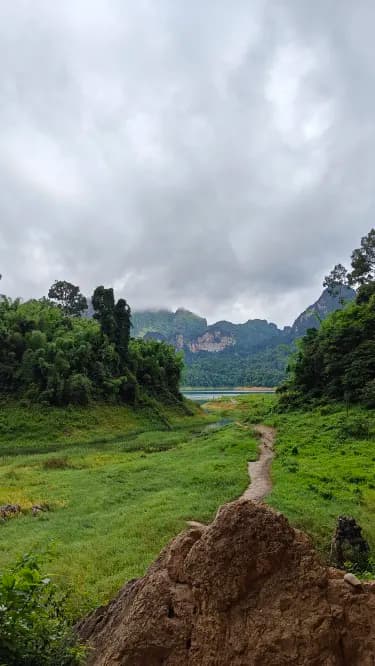
The best time to visit Namosi is the dry season, May to October. This is when the rain holds back, and the roads are passable. But do not expect perfect weather. The highlands are temperamental. Rain can come in minutes, turning trails to sludge and rivers to torrents. This is a feature.
There are no major holidays in the next six months that will disrupt your travel. This is good. It means you can go without fighting crowds. Namosi is not a mass-tourism destination. It is quiet. It is slow. It is for people who want to disappear.
Who is this for? Not families with young children who need constant stimulation. Not business travelers who need to close deals. It is for solo travelers who want to think. For couples who want to talk without shouting over a pool party. For slow travelers who want to see what Fiji is actually made of. Stay for three days. Two is too short. Four is too long. Three days is enough to feel the shift.
FAQ
Is Namosi Province safe? Yes. Crime is low in the highlands. The biggest danger is the terrain. Respect the roads. Respect the rain. Respect the kava ceremony.
Do I need a visa? Check Fiji’s immigration website for your specific nationality. Most tourists get a visa on arrival for stays up to 4 months. Do not assume. Verify.
Can I get internet in Namosi? At larger eco-retreats, yes, but it will be slow. In the villages, no. Do not expect to stream movies. Read a book. Watch the clouds.
Travel is not about collecting stamps. It is about collecting moments that change you. Namosi Province does not offer comfort. It offers clarity. Take it.