Mtakoudja offers a vacation defined by silence and sea. No schedules, no crowds—only the rhythm of the Indian Ocean on Mohéli.
The ferry from Grande Comore cuts through the swell, leaving the noise of Moroni behind. By the time you reach Honi on the eastern coast of Mohéli, the air has changed. It is drier. The wind carries the scent of salt and dried leaves, not exhaust. Mtakoudja does not announce itself with signage or neon. It is a village that exists in the margins of the map, a place where the itinerary dissolves. You do not come here to check boxes. You come to see what remains when the machinery of tourism stops.
There are no landmarks in Mtakoudja that demand your attention. There are no temples, no monuments, no museums. The absence is the condition. The island of Mohéli is protected, rugged, and largely untouched. Mtakoudja sits within this silence. It is a holding space for those who realize that control is an illusion. The vacation here focuses on subtraction.
The Weight of Silence
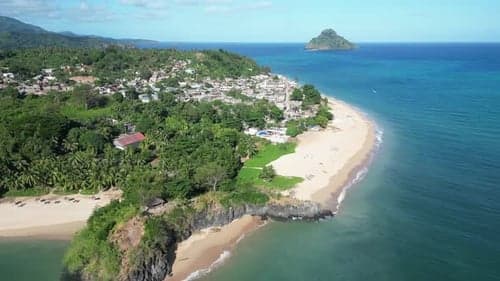
Most travelers arrive with a list. They want to see the famous spot, eat the famous dish, take the famous photo. Mtakoudja denies them this comfort. The village is small. The streets are unpaved. The buildings are low, built to withstand the wind rather than impress the eye. This destination tests your patience before it offers its reward.
The silence here is heavy. It contains the sounds you ignore in the city. The rustle of coconut fronds. The distant cry of a bird. The lap of water against the reef. In Mtakoudja, you are forced to listen. There is no background noise to mask your own thoughts. This can be uncomfortable. Many visitors find themselves restless in the first few days, waiting for something to happen. Nothing happens. That is the point. The inevitable truth of this place is that time moves differently. It is not measured in minutes but in the shift of light across the sand.
Getting Around
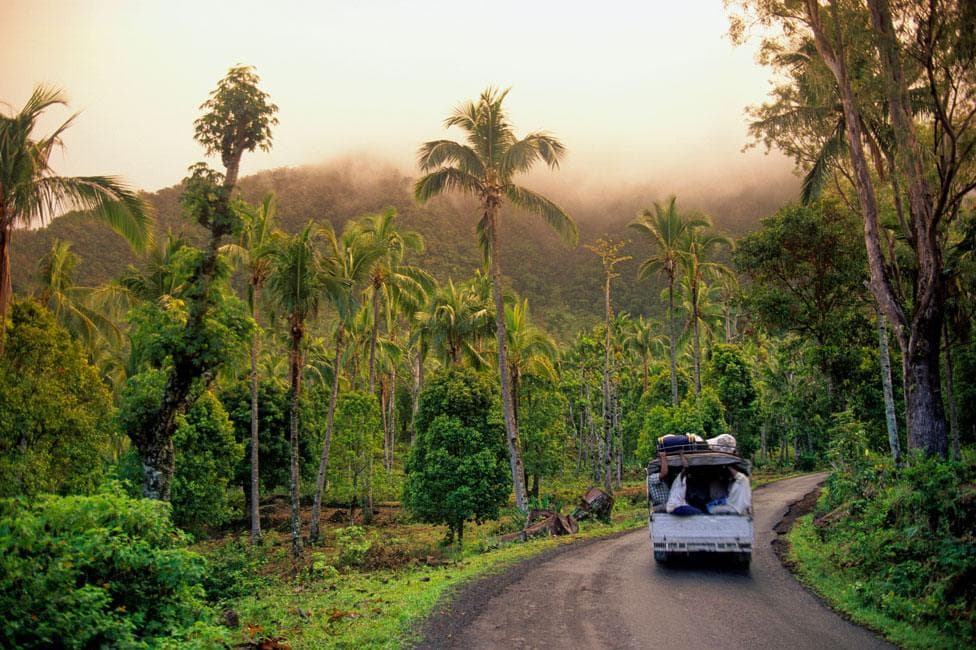
Transport in Comoros is a matter of negotiation and chance. There is no railway system. There are no buses. The infrastructure that governs the movement of millions in other parts of the world does not exist here. You are left with two options: taxis or rental cars.
Shared taxis are the common mode of transport for locals. They are small, often crowded, and they move when they are full. For a visitor, this is rarely convenient. The schedule is dictated by the accumulation of passengers, not the clock. If you wish to move with any degree of autonomy, you must rent a car. Four-wheel drive is recommended, especially if you plan to venture beyond the immediate vicinity of Mtakoudja. The roads on Mohéli can be rough. The terrain is uneven. A standard sedan may struggle where a 4x4 will simply continue.
Hiring a driver is also an option. It removes the burden of navigation but introduces another variable: the driver’s schedule. In Mtakoudja, you do not control the outcome. You only influence it. Accept this, and the journey becomes part of the experience. Resist it, and you will only find frustration.
The Sea and the Land
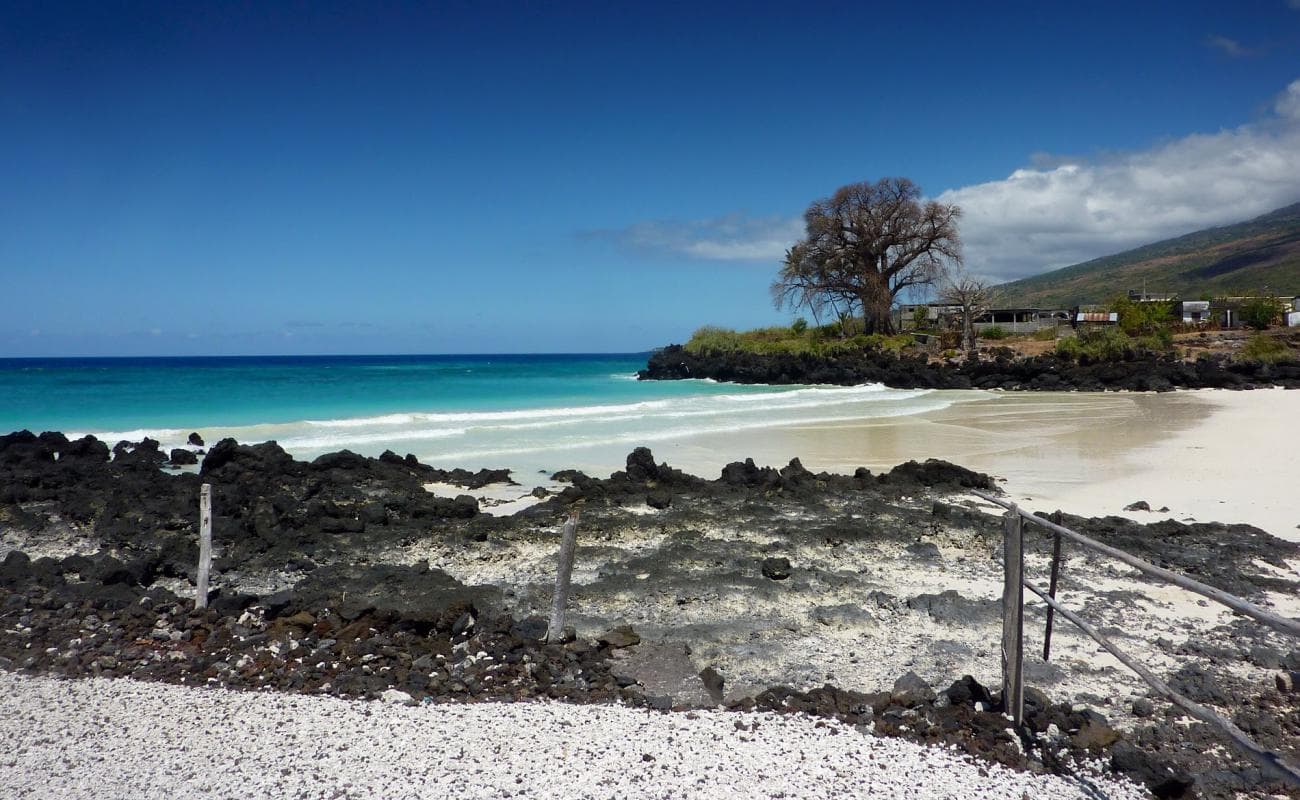
Mohéli is an island of contrasts. The interior is dense with forest, part of the Mohéli National Park. The coast is lined with coral reefs and white sand. Mtakoudja offers access to both, but it does not facilitate them. There are no guided tours waiting at your door. There are no signposts pointing to the best beach. You must look. You must ask.
The beaches near Mtakoudja are not crowded. The water is clear, warmed by the tropical sun. Swimming is possible, but the currents can be strong. The sea here does not care about your comfort. It follows its own laws. Snorkeling is common, but you must bring your own gear or find a local who can lend it. The reefs are vibrant, but they are fragile. Treat them with respect, or they will remain distant.
The interior is another matter. The forest is thick, humid, and dark. It is a place of shadows. Few visitors go inland. Those who do speak of a different kind of silence, one that is deeper, older. It is not for the faint of heart. It is for those who want to see what lies beneath the surface of the island.
Eating Without a Menu
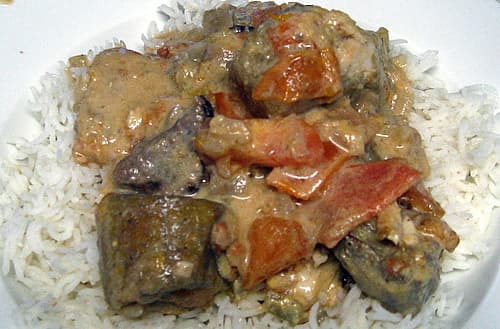
Food in Mtakoudja is not an event. It is a necessity. There are no restaurants with printed menus. There are no chefs with Michelin stars. You eat what is available. The local diet is simple: rice, fish, coconut milk. Matsi, a staple of Comorian cuisine consisting of rice cooked with coconut milk and often accompanied by fish or meat, is likely what you will eat. It is flavorful, rich, and filling. It tastes of the island.
Do not expect variety. Do not expect consistency. The quality of the food depends on the day, the catch, and the cook. This place demands an open mind. Eat what is offered. Appreciate the simplicity. The lack of choice is a gift. It forces you to focus on the taste, not the presentation.
Water is safe to drink if it is bottled. Tap water is not recommended. This is a small detail, but it is one that can ruin a vacation if ignored. Buy bottled water. Drink it. Stay hydrated. The heat in Mtakoudja is dry, but it is still heat.
When to Go
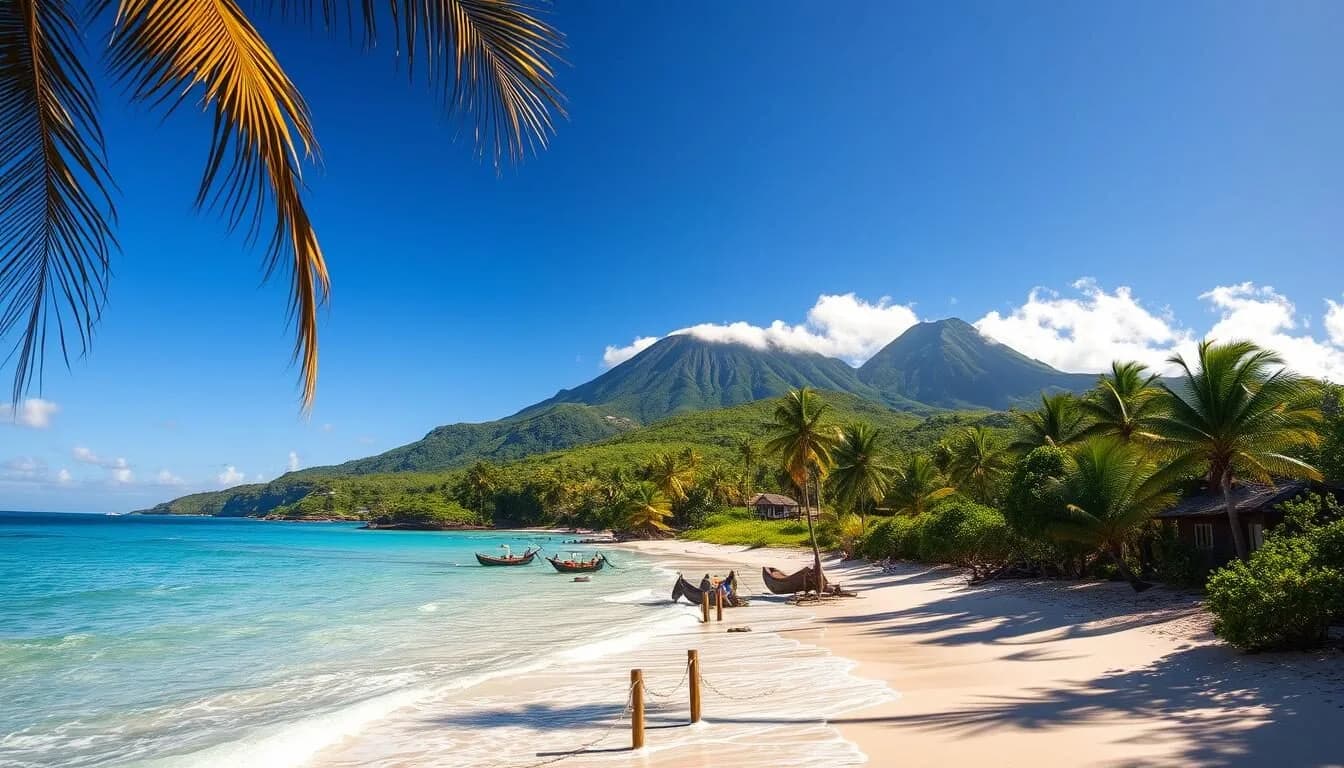
The best time to visit Mtakoudja is during the dry season. The months from May to October bring warm, windy, and mostly clear weather. Temperatures range from 70°F to 88°F. The wind is a constant companion, keeping the heat at bay. It is the most comfortable time to be outside. To walk. To swim. To think.
There are no major holidays in the next six months that will disrupt your stay. The village does not swell with crowds. It does not change. It remains as it was. This is not a place for peak-season travelers. It is for those who can travel in the quiet months, when the world is still.
Who is this for? It is for the solo traveler who seeks solitude. It is for the couple who wants to disconnect. It is for the slow traveler who has time to waste. It is not for the family with young children. It is not for the adventurer who needs structure. It is for those who understand that a vacation is not about doing. It is about being.
Stay for at least three days. One day is not enough to adjust to the rhythm. Two days is not enough to let go. Three days is the minimum. Longer is better. The longer you stay, the more the silence reveals itself.
Practical Questions
Do I need a visa? Yes. Most travelers require a visa to enter Comoros. Check with your nearest embassy for the latest requirements. Some nationalities can obtain a visa on arrival, but this is not guaranteed. Plan ahead.
What currency is used? The Comorian franc (KMF) is the local currency. US dollars are often accepted, but change may be hard to find. Carry small bills. ATMs are rare on Mohéli. Bring enough cash for your stay.
Is it safe? Mtakoudja is generally safe. Crime is low. The main risks are environmental: the sea, the sun, the heat. Respect the natural conditions. Be aware of your surroundings. Trust your instincts.
Do I need to book ahead? Accommodation is limited. It is wise to book your stay in advance, especially during the dry season. Do not assume there will be a room waiting for you. The island is small. The resources are scarce.
Mtakoudja does not offer an escape from reality. It offers a confrontation with it. The coin has been tossed. The result is already determined. You only have to wait and see.