Spring in Mudon arrives with a gentle warmth, not the scorching heat of summer, making it the ideal season to wander the town’s narrow lanes without sweating through your shirt before lunch. The air carries the faint scent of damp earth and blooming jasmine from overhanging vines, and the morning light casts soft golden hues on the weathered brick facades of homes along Main Street. Unlike the crowded hubs you might expect, Mudon doesn’t shout for attention—it whispers it, through the creak of wooden shutters, the rhythmic clatter of a street vendor’s mortar and pestle, and the occasional bark of a dog from behind a bamboo gate. This is not a destination for Instagrammable photo ops, but for travelers who appreciate authenticity, quiet moments, and a taste of life away from the tourist circuits.
Exploring Mudon’s Hidden Corners
Mudon’s charm lies in its simplicity. The town center is compact enough to walk end to end in under 30 minutes, though you’ll likely spend twice that time getting lost in side alleys and stumbling upon unexpected sights. Start at Mudon Market, located just off Main Street near the old clock tower. This isn’t a flashy bazaar; it’s a community hub where locals buy vegetables from farmers who’ve just returned from the fields, children sell handmade paper lanterns, and an elderly woman sells pickled tea leaves wrapped in banana leaves. The market opens at 6 AM and closes around 2 PM—arrive early to avoid the midday heat and to see the real pulse of daily life.
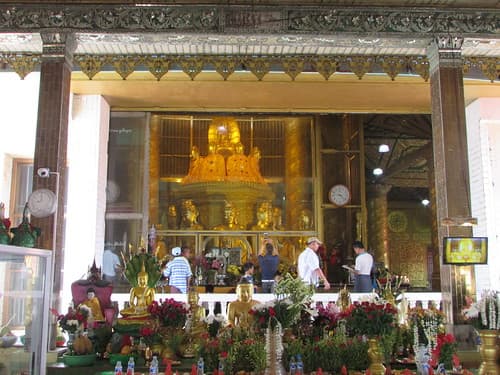
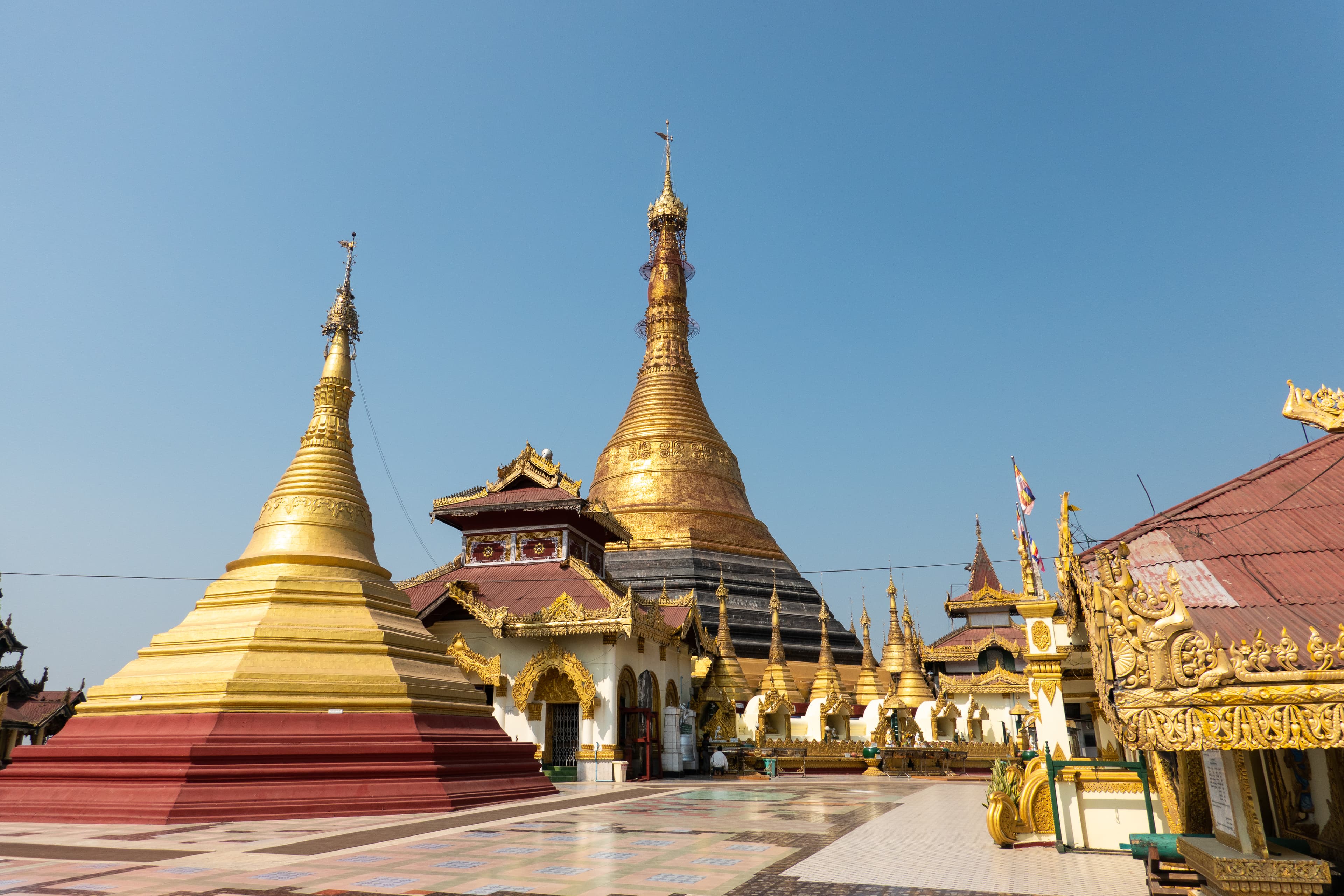
Don’t miss the small Buddhist temple tucked behind a row of laundry-draped houses on Aling Road. It’s not grand or ornate, but its serene courtyard, lined with moss-covered stone Buddhas, offers a peaceful respite. The monks here are welcoming—just don’t wear shorts or sleeveless tops when entering. Nearby, on Chauk Taw Street, you’ll find a few modest teahouses serving strong local tea with sticky rice cakes. The tea is bitter but refreshing, especially when sipped slowly in the shade of a mango tree.
Where to Eat: A Culinary Journey Through Local Kitchens
Forget Michelin stars—Mudon’s food is about flavor, tradition, and community. The best meals aren’t found in fancy restaurants but in family-run eateries where the same recipes have been passed down for generations. At Nai Htun’s Kitchen on Myaung Road, you’ll find thoke (Burmesesalads) made with fresh cabbage, fermented tea leaves (lahpet), and crushed peanuts—all tossed with lime juice and chili. It’s tart, spicy, and utterly addictive. One bowl costs around 2,500 kyats (about $1.20), and they serve it with steamed rice that tastes like sunshine.
For something heartier, try mohinga, Myanmar’s national dish—a fish-based noodle soup served with fried onions, lemongrass, and boiled eggs. You’ll find it at Ma Kyi’s Stall near the market entrance. She serves it in clay bowls that keep it warm for longer, and she’ll offer you a free side of pickled mustard greens if you ask nicely.
If you’re craving something sweet, head to Thet Htar Bakery on Shwe Taung Lane. Their mont di (coconut-filled rice cakes) are legendary among locals. They’re best eaten warm, straight from the oven, with a cup of sweetened milk tea. Prices range from 1,500 to 3,000 kyats per piece depending on size.
Getting Around: Simple Transport Options
Mudon is designed for walking. Most attractions are within a 15-minute stroll from each other, and the streets are mostly flat—though watch your step on uneven pavement near older buildings. For longer distances or if you’re traveling with luggage, tuk-tuks are available at the market square. A ride across town costs around 500–800 kyats (under $0.50), depending on traffic and negotiation skills.
Bicycles can be rented from Mr. Tin Aung’s shop near the southern gate for 2,000 kyats per day. It’s a great way to explore outlying villages like Nyaung Shwe or Tha Ywa Hta during cooler mornings. Just remember to bring sunscreen—the sun gets intense even in spring.
Public buses run infrequently between Mudon and nearby towns like Mawlamyine or Thaton. Check schedules at the bus station on Pabedan Road (opens 7 AM–5 PM). Tickets cost between 3,000–8,000 kyats depending on destination.
Where to Stay: Cozy Accommodations for Every Budget
Mudon doesn’t have luxury resorts or five-star hotels—but it does have charming guesthouses that offer comfort without pretension. For budget travelers, Ma Hnin Guesthouse on Pyin Oo Lwin Street offers clean rooms with shared bathrooms for 8,000 kyats per night. It’s basic but safe and comes with free breakfast of toast and tea.
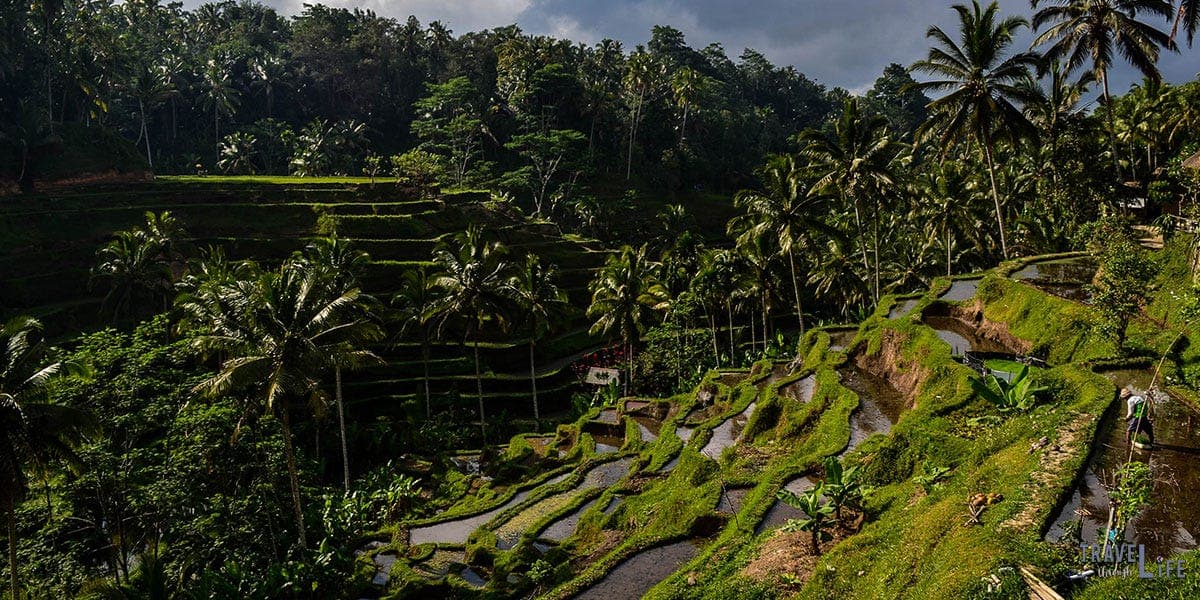
Mid-range options include Sanda Inn on Chauk Taw Street (from 18,000 kyats/night), which has private bathrooms, Wi-Fi, and a small garden where guests can relax with a book or enjoy sunset views over the rice paddies beyond town.
For those seeking a bit more privacy and space, consider renting a traditional wooden house through local hosts via platforms like Airbnb or local agencies. These homes often come with kitchens and courtyards—perfect for cooking your own meals or hosting small gatherings.

Weather & Best Time to Visit
Spring (February to April) is Mudon’s most pleasant season. Average daytime temperatures hover around 28°C (82°F), dropping to about 18°C (64°F) at night. Humidity is moderate—around 65%—making it comfortable for walking and outdoor activities. Rainfall is minimal during this period compared to the monsoon months (May–October).
Avoid visiting during May when temperatures can spike to 35°C (95°F) and humidity climbs sharply. Also note that June marks the start of the rainy season—expect frequent showers and muddy roads.
Pack lightweight cotton clothing, a hat, sunglasses, sunscreen, and a reusable water bottle. Mosquito repellent is recommended year-round due to surrounding wetlands.
Final Thoughts: Why Mudon Should Be on Your Radar
Mudon isn’t about grand spectacles or world-famous landmarks. It’s about slowing down, connecting with locals, and experiencing life as it unfolds without fanfare. Whether you’re sipping tea with an elder who remembers colonial-era Mudon or watching children play hopscotch in a dusty alleyway, you’ll leave with memories that feel genuine and deeply personal.
And yes—it’s off the beaten path. But sometimes that’s exactly what travel should be: unscripted, unhurried, and full of quiet magic.