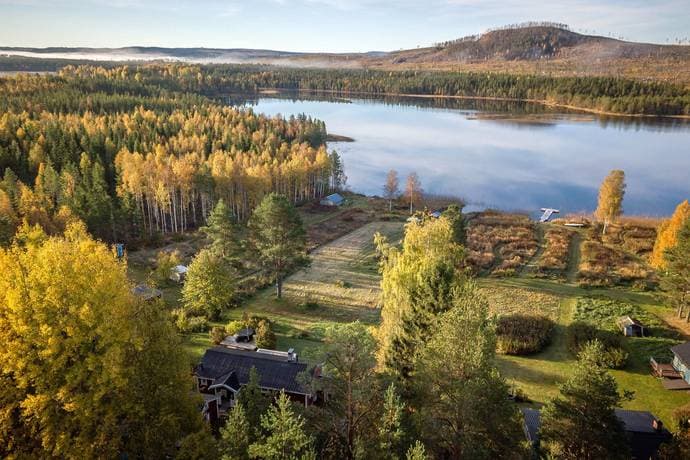
The light changes quickly in mid-May across Gävleborg County, stretching long, golden shadows over the forested hills of Ovanåkers Kommun. For travelers who prefer quiet contemplation to crowded city centers, this small municipality in central Sweden offers a surprisingly rich tapestry of local heritage. While it may not feature sprawling metropolitan institutions, the area’s cultural offerings are intimate, deeply connected to the land, and perfectly suited for a spring escape. Here, history is not locked behind glass but woven into the fabric of rural life, forestry, and local craftsmanship.
Ovanåker sits in a landscape defined by its proximity to the Ljusnan River and its deep roots in Swedish rural tradition. Visiting museums here is less about ticking off famous artifacts and more about understanding the resilience and ingenuity of the people who have shaped this region. With mild spring temperatures averaging between 10°C and 15°C, the weather is ideal for combining indoor cultural visits with outdoor strolls through the surrounding woodlands. This guide explores the key cultural anchors in Ovanåkers Kommun, offering a practical itinerary for travel enthusiasts seeking authenticity over spectacle.
The Heart of Local Heritage
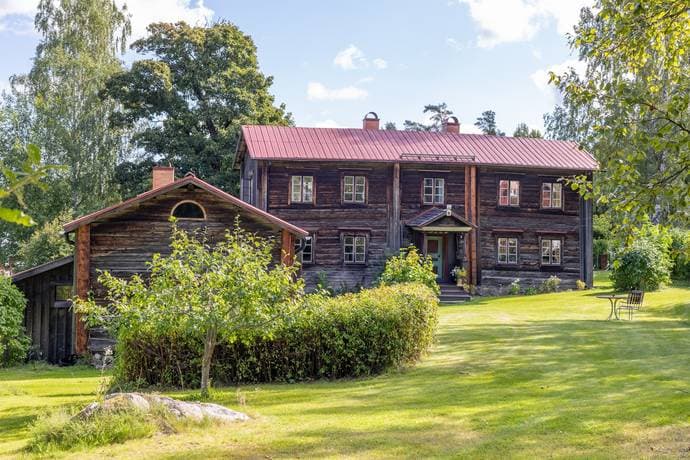
At the core of Ovanåker’s cultural identity is its connection to traditional Swedish rural life. The municipality’s museums often serve as community hubs, preserving artifacts that tell the story of farming, forestry, and domestic life in the 19th and early 20th centuries. These spaces are typically managed by local historical societies, ensuring that the narratives remain personal and accurate.
Visitors should look for the local historical society’s exhibitions, which often rotate displays to highlight specific aspects of life in the parish. You might find well-preserved farming tools, traditional clothing known as folkdräkt, or household items that illustrate the daily routines of generations past. The scale is intimate; you can often touch the textures of old wool or see the wear patterns on wooden handles. This tactile quality makes the history feel immediate rather than distant.
Spring is an excellent time to visit these exhibits. The fresh light streaming through the windows illuminates the dust motes dancing above old artifacts, creating a serene atmosphere. Many of these smaller museums operate on volunteer schedules, so checking opening times in advance is essential. They often open their doors more frequently during the warmer months, welcoming visitors from mid-April through September.
Industry and Innovation in the Forests
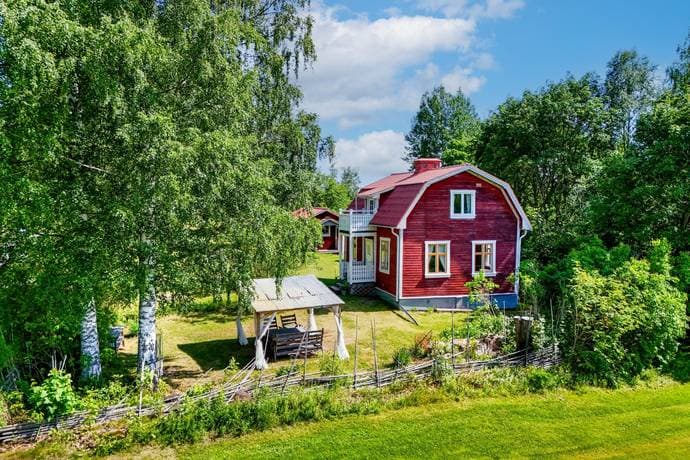
Ovanåkers Kommun has long been defined by its dense forests and the industries they support. Timber, paper, and woodworking have been economic pillars here for over a century. Museums and exhibition spaces in the area often highlight this industrial heritage, showcasing the machinery and methods that turned raw timber into valuable goods.
One of the most compelling aspects of this theme is the engineering ingenuity required to operate in such a rugged landscape. Exhibits may include vintage logging equipment, early paper-making machinery, or models of the sawmills that once dotted the riverbanks. These displays provide a gritty contrast to the pastoral beauty of the surrounding countryside. They remind visitors that this region was once a powerhouse of production, contributing significantly to Sweden’s industrial growth.
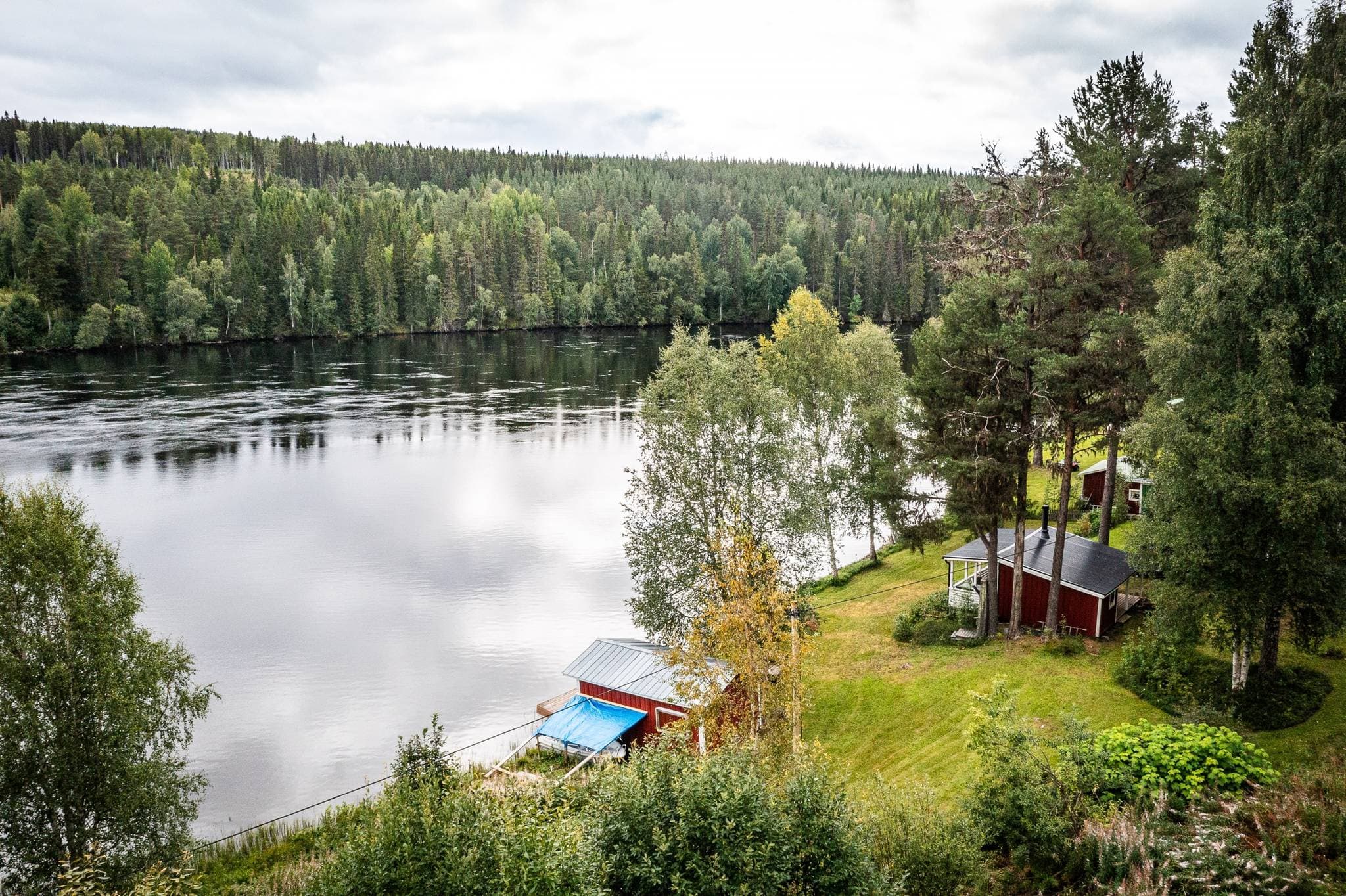
For those interested in the technical side, look for displays that explain the water-powered mills that once relied on the Ljusnan River’s flow. Understanding how these mills operated adds a layer of appreciation for the landscape itself. The sound of rushing water, still audible in many parts of the municipality, was once the heartbeat of the local economy. Today, it serves as a gentle backdrop to a more peaceful existence.
Nature and Science: The Outdoors as a Museum
In a region as naturally endowed as Ovanåker, the line between indoor museum and outdoor experience often blurs. The municipality boasts several nature reserves and educational centers that function as open-air museums. These spaces are dedicated to teaching visitors about the local ecology, flora, and fauna.
Spring is the season of rebirth here. Early blooms like the spring gentian (vårrevfrö) and the delicate snowdrop can be spotted along forest trails. Educational centers often have guided walks or self-guided trails with informational plaques that explain the significance of different plant species. These trails are usually well-marked and accessible, making them suitable for families and casual walkers alike.
The focus on environmental stewardship is strong in Ovanåker. Exhibits often discuss sustainable forestry practices, the importance of biodiversity, and the impact of climate change on northern ecosystems. This forward-looking perspective complements the historical exhibits, showing how the community is adapting to modern challenges while respecting its natural heritage. A visit to these centers often ends with a recommendation to explore nearby hiking paths, where the lessons learned indoors can be observed in the wild.
Art and Craft: Creative Expressions
Beyond history and nature, Ovanåker has a thriving community of local artists and craftspeople. While there may not be a large, dedicated art museum, galleries and craft studios are scattered throughout the municipality. These spaces offer a glimpse into the contemporary creative scene, showcasing everything from traditional woodworking to modern painting.
Many of these artists draw inspiration from the local landscape. The deep greens of the forests, the silver glow of the lakes, and the stark beauty of the winter snow are common motifs. Visiting these studios allows for a personal interaction with the creators, often providing insight into their techniques and materials. Some studios offer workshops, giving visitors the chance to try their hand at pottery, weaving, or woodcarving.
Spring brings a burst of energy to the arts community. New exhibitions are often launched in May, coinciding with the longer days and improved weather. This is an ideal time to attend local art fairs or open studio events, where multiple artists display their work in a communal setting. These events are not only a chance to purchase unique, handmade items but also to connect with the local culture in a meaningful way.
Practical Tips for Your Visit
Planning a museum visit in Ovanåkers Kommun requires a bit of flexibility. Unlike major cities, many cultural sites here are small, volunteer-run, and may have limited opening hours. It is crucial to check websites or call ahead before making the trip. Many places operate on a donation basis or have a small entrance fee, which helps support their maintenance and operations.
Transportation is best by car, as public transit options can be sparse. Parking is generally available near most sites, often free of charge. If you are staying in a nearby town like Söderhamn or Hudiksvall, consider renting a car for the day to explore the municipality at your own pace. The roads are well-maintained, and the scenic drives are part of the experience.
Dress in layers, as spring weather can be unpredictable. A light jacket, comfortable walking shoes, and rain gear are advisable. Bring a camera to capture the interplay of light and landscape, especially in the late afternoon when the sun casts long, dramatic shadows. Finally, take your time. The beauty of Ovanåker lies in its quiet moments, the chance to reflect on history, nature, and art without the pressure of a crowded itinerary.