Copiapó’s summer brings crisp evening air and intimate folk gatherings. Plan around December holidays for the best atmosphere and avoid midday heat.
The air in Copiapó shifts noticeably in late November. The relentless desert heat of the Chilean summer begins to soften, allowing evening breezes to carry the sound of guitars from the central plaza into the surrounding streets. For travelers seeking authentic musical experiences in northern Chile, this transitional window offers the most comfortable conditions for attending local gatherings. Unlike the larger, commercialized festivals in Santiago or Valparaíso, the events here remain deeply rooted in community traditions. The focus is on folk music, acoustic performances, and the specific rhythms that define the Atacama region. You are stepping into a living room that happens to be outdoors.
The Summer Sound of the Atacama
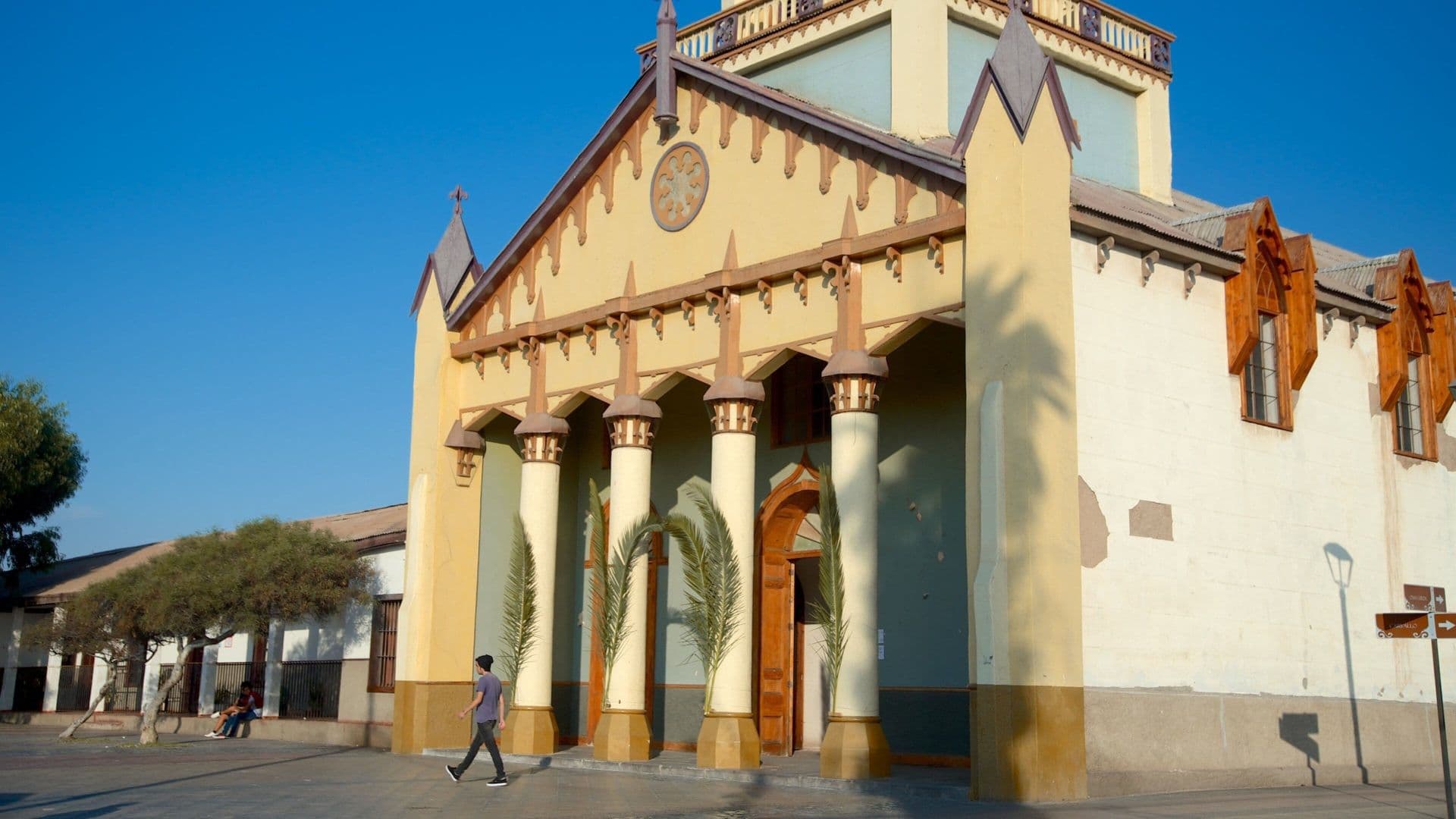
Music in Copiapó during the summer evenings is defined by intimacy. The central plaza serves as the primary hub for evening performances, where local groups gather to play traditional Chilean folk styles. The sound is distinct from the polished pop heard in capital cities. Expect the strumming of guitars, the rhythmic tapping of the cajón, and vocals that echo the vastness of the desert landscape. These performances often begin as the sun sets, roughly between 6:00 PM and 7:00 PM, when the temperature drops enough to make sitting outside pleasant.
The acoustics of the plaza are surprisingly good for an open-air setting. The surrounding buildings reflect sound in a way that keeps the music clear without overwhelming the listener. You will often hear a mix of traditional cueca rhythms and softer, lyrical folk songs. The audience is typically mixed: families finishing their evening walks, couples sharing a quiet drink, and older residents who have watched these same groups for years. This is a communal ritual, not just a performance for applause.
Practical Planning for Visitors
Getting around Copiapó is straightforward, but timing matters. The city is compact enough to walk between most central venues, but the afternoon heat can still be intense even in summer evenings. Plan your arrival for late afternoon. If you are coming from the north, the bus journey from Arica or Iquique takes several hours, so aim to arrive by mid-afternoon to catch the evening energy. Local buses connect the main residential areas to the central plaza efficiently. Fares are generally low, often under CLP 1,000 for short trips within the city limits.
Booking accommodation is less critical than in major tourist hubs, but December sees a spike in demand. If you are traveling during the holiday period, secure a room near the center to minimize transit time. Most hotels in the central district offer basic comfort with air conditioning, which remains essential during the day. Prices vary, but expect to pay between CLP 30,000 and CLP 60,000 per night for a standard double room in a centrally located hotel. This price range reflects the seasonal demand and the proximity to the main plaza where most evening activities occur.
Cultural Etiquette and Engagement
When attending a local music gathering, observe how the locals interact with the performers. There is rarely a formal "curtain call." Instead, applause is steady and respectful throughout the performance. If you wish to engage, wait for a break between songs. A simple nod or a smile is sufficient acknowledgment. Avoid using flash photography on your phone during intimate acoustic sets; the light can be distracting to musicians who rely on natural evening light for visibility.
Language plays a subtle role in the experience. While many locals speak English, the emotional core of the music is in Spanish. Listen to the lyrics even if you do not understand every word. The themes often revolve around the landscape, family, and resilience—topics that resonate deeply in this arid region. If you speak basic Spanish, a simple "Muy bonito" (very beautiful) after a set is appreciated and shows respect for the effort involved in maintaining these traditions.
Food pairs naturally with these evenings. Street vendors near the plaza often sell empanadas or simple grilled meats. The smell of charcoal and cumin is a familiar backdrop to the music. Eating while standing or sitting on a bench is common and expected. There is no need to rush to a restaurant; the informal nature of the gathering is part of its charm.
Timing Your Visit for Holidays
The holiday calendar significantly impacts the vibe and crowd levels in Copiapó. The nearest major date is the Immaculate Conception on December 8, 2026. This is a public holiday, meaning many locals will be off work and gathering in public spaces. Expect the central plaza to be fuller than usual, with more impromptu performances and a livelier atmosphere. Book your accommodation well in advance for this date, as availability tightens quickly. Prices may surge by 20–30% compared to standard weekdays.
Christmas Day, December 25, 2026, brings a different energy. Many businesses close early, and the focus shifts to family gatherings. The music may be quieter, more subdued, and centered around private homes rather than public squares. If you prefer a bustling scene, aim for December 8. If you prefer a quieter, more introspective experience, December 25 offers a glimpse into domestic traditions. New Year's Day, January 1, 2027, sees a return to activity, but the immediate post-holiday period can be slower.
For spring visits, Good Friday (March 26, 2027) and Holy Saturday (March 27, 2027) are significant. These days are marked by solemnity and specific religious observances. Music during this time tends to be more reflective, often featuring hymns or choral arrangements. Labor Day, May 1, 2027, is another peak time for community gatherings, with a focus on local pride and heritage.
Who This Experience Is For
This style of travel suits solo travelers who enjoy observing rather than dominating the scene. It is ideal for those who appreciate acoustic music and want to understand the social fabric of northern Chile. Families will find the early start times convenient, as performances often wind down by 9:00 PM. If you are looking for high-energy dance parties or international DJs, Copiapó might feel too subdued. However, if you value connection and authenticity, the local scene delivers precisely that.
Stay for at least three days. This allows time to adjust to the altitude and heat, and gives you multiple evenings to catch different groups performing. One night might feature a traditional folk trio; another might host a larger community choir. The variety within the small scope is surprising.
Frequently Asked Questions
Is a visa required for short visits to Chile? Most travelers from neighboring countries and many Western nations can enter Chile visa-free for short stays. Check your specific nationality’s agreement with Chile before booking. The process is generally straightforward at the airport in Copiapó, with minimal wait times compared to Santiago.
What is the best way to pay for tickets and food? Cash is king for street vendors and small local gatherings. While larger hotels accept cards, many small food stalls and informal music venues prefer Chilean Pesos. Carry small bills. ATMs are widely available in the central district, but fees may apply for foreign cards.
Do I need to book tickets in advance for local music events? Most local performances in the plaza are free and open to the public. Arrive early to secure a good spot on a bench or near the stage area. For larger indoor concerts at local cultural centers, checking the venue’s social media page a few days ahead is sufficient. There is rarely a need to book months in advance.