Obock offers no Wi-Fi, only the Gulf. A test of focus for remote workers.
The Silence of the Gulf
The internet connection in Obock does not fail; it simply ceases to be a priority. This is the first rule you learn in this coastal outpost of Djibouti. You arrive not because the infrastructure invites you, but because the absence of it forces a different kind of attention. There are no glass-walled co-working spaces here, no cafes with power outlets hidden under tables, no curated playlists to mask the sound of your own typing. There is only the wind coming off the Tadjoura Gulf and the weight of the silence.
Most digital nomads seek frictionless environments. They want seamless transitions between work and leisure, buffered by reliable bandwidth and comfortable seating. Obock offers neither. It is a small provincial town, roughly 130 kilometers north of Djibouti City, where the concept of "remote work" is a logistical challenge. The town does not cater to the laptop class. It does not pretend to. Instead, it presents a stark test: can you produce value when the world around you refuses to participate in the digital economy?
The air here is thick, not just with humidity, but with a sense of inevitability. The sun beats down on the corrugated roofs of the local shops. The streets are quiet. They are empty of the distractions that usually consume a workday. In this vacuum, the work becomes the only structure you have. If you cannot build that structure internally, the heat will break you. If you can, you may find a clarity that is impossible to achieve in the noise of a major hub.
Work Without a Network
There are no confirmed co-working spaces in Obock. There are no named internet service providers advertising fiber-optic speeds to the general public. The digital nomad infrastructure here is non-existent by design, or perhaps by neglect. You will not find a place to plug in and forget the world. You will find yourself negotiating with the environment.
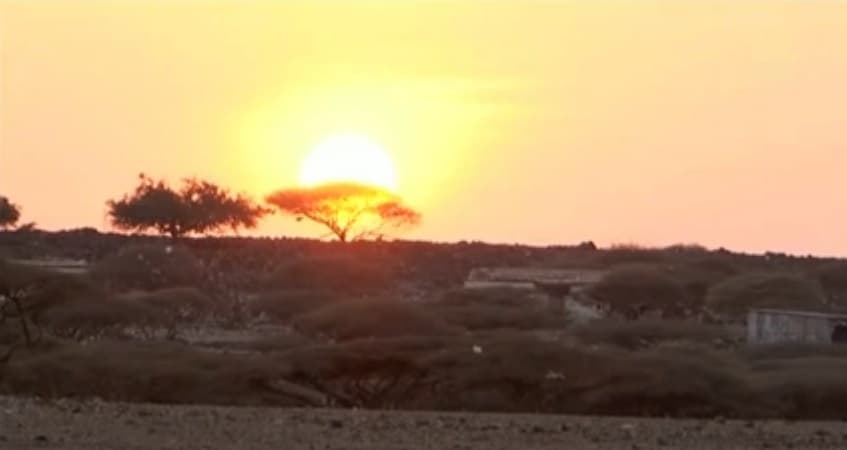
This is not a place for high-bandwidth tasks. Video calls will stutter. Large file uploads may time out. The local reality is that connectivity is a commodity that must be hunted, not assumed. You might find a signal in the lobby of a local guesthouse, or perhaps near the port area where the cellular towers are strongest. But you must verify this yourself, each day, each hour. The network behaves like a weather pattern.
The lack of dedicated workspaces means you must create your own. A table at a local eatery, a corner of your accommodation, a shaded spot near the Godoria Mangroves if the wind allows. The work becomes physical. You feel the weight of the device in your hand. You become aware of the battery percentage as a vital sign. This forced awareness strips away the illusion of endless productivity. You work when you can. You rest when you must. The rhythm is dictated by the sun and the signal, not by a calendar.
The Godoria Mangroves
When the screen goes dark, or when the connection drops entirely, there is only the landscape. The Godoria Mangroves stand as a testament to survival in harsh conditions. These forests, located near the Obock and Tadjoura region, are tangled, root-heavy systems that hold the land against the sea. They do not offer shade for comfort; they offer shelter from the elements.

Walking through the mangroves is a navigation of mud and water. The air smells of salt and decay, a sharp contrast to the sterile scent of air-conditioned offices. The roots grip the earth tightly, a reminder that stability here is earned, not given. For the remote worker, this is a useful metaphor. You are here by choice, but you must root yourself in the reality of the place. You cannot float above it.
The mangroves are a convergence point for birds and fish, a hidden ecosystem that thrives in the brine. It is a place of quiet observation. There are no guides to lead you, no signs to explain the flora. You must look closely to see the life that persists in the margins. This attention to detail is the same skill required to work effectively in Obock. You must notice the small shifts in the environment, the subtle changes in the light, the faint hum of a distant generator.
Tadjoura Gulf and the Sea
The Tadjoura Gulf stretches out to the north, a vast expanse of water that connects Obock to the wider world, yet isolates it at the same time. The sea is a presence. It dictates the temperature, the humidity, and the mood of the town. On clear days, the water is a deep, opaque blue. On cloudy days, it turns gray and heavy.
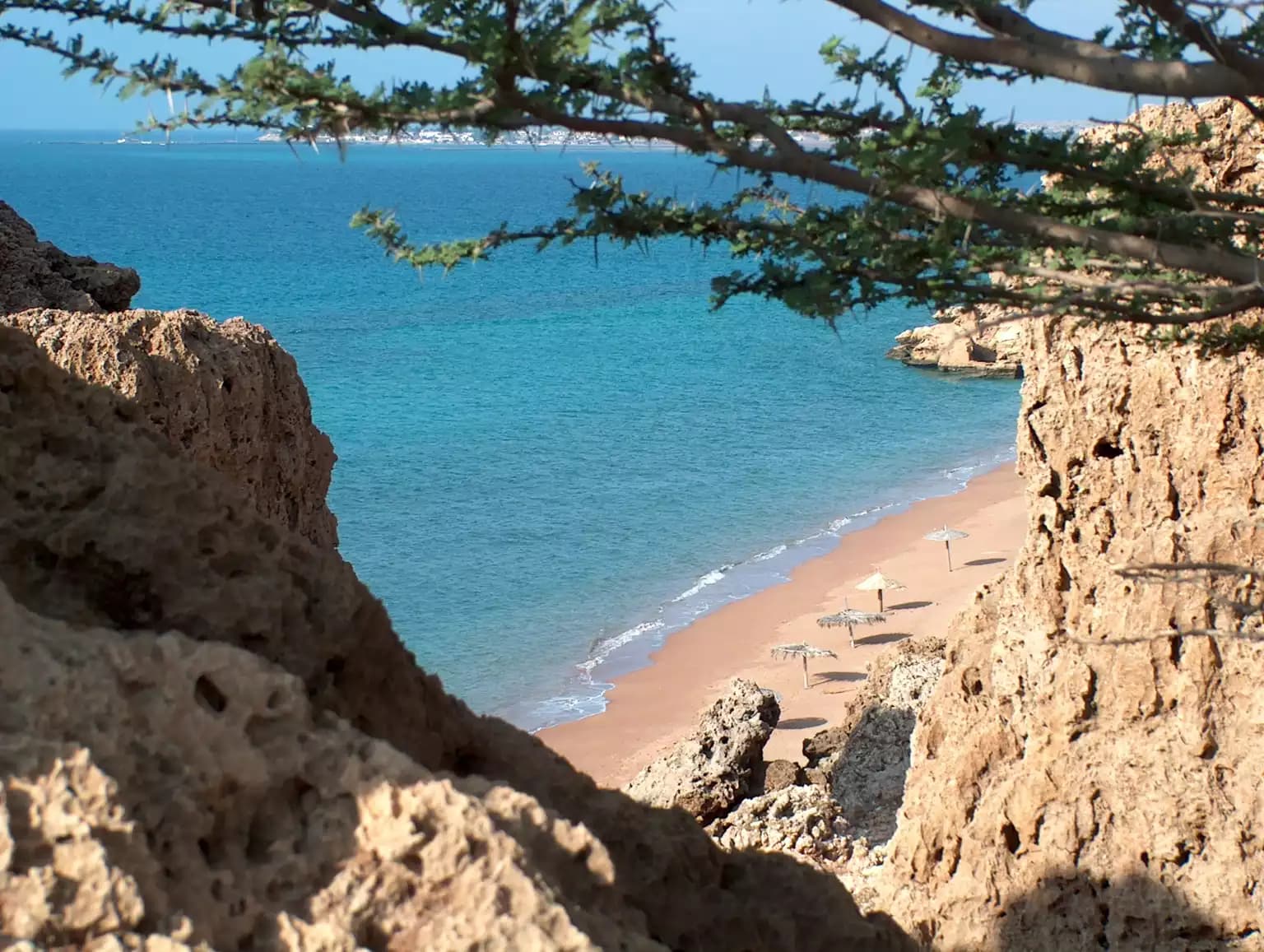
There are no beach clubs here. No loungers. No service staff bringing you drinks. The shore is raw. The sand is mixed with shells and debris. The waves are gentle, but persistent. They remind you that time moves forward regardless of your productivity. For the digital nomad, this is a humbling perspective. You are not the center of the world. You are a visitor in a place that has existed long before your industry and will continue long after it fades.
The gulf is accessible from Obock, but it does not invite tourism. It tolerates it. You can walk along the edge, watch the boats come and go, and feel the salt on your skin. This is the closest you will get to a break from the work. It is not a vacation; it is a pause. A moment to reset your eyes and your mind before returning to the screen.
Practical Realities
You must plan for the basics. Obock is approximately 130 kilometers north of Djibouti City. The journey is primarily by road. There is no confirmed rail service directly to Obock, despite the presence of the Ethio-Djibouti Railway and the Addis Ababa–Djibouti Railway in the country. These lines serve the capital and the interior, not this coastal fringe. You will need a vehicle or a reliable local transport option.
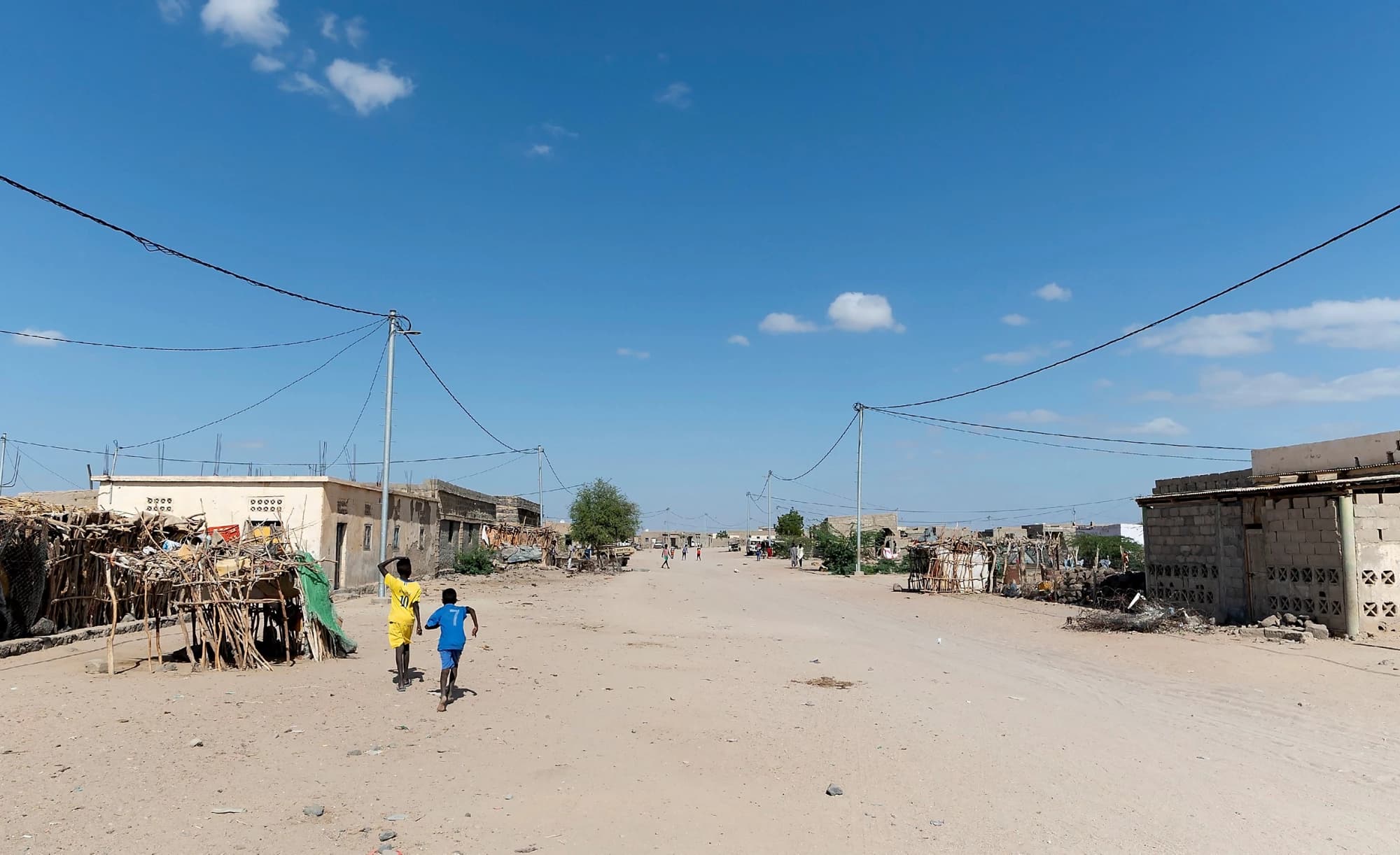
Money is a consideration. Prices are not fixed. You will negotiate for transport, for accommodation, for food. Bring cash. Credit cards are not widely accepted in provincial towns. The local economy is small and informal. You are not a customer; you are a participant.
Accommodation is basic. Do not expect luxury. Look for guesthouses that offer a secure place to sleep and, ideally, a reliable power source. Ask about the internet before you book. Do not assume it will work. Test it immediately upon arrival. If it fails, you must have a backup plan. A local SIM card is essential. Buy one in Djibouti City if possible, as options in Obock may be limited.
When to Go
The best time to visit Obock is during the dry, cooler months, from November to March. The summer heat is intense, making outdoor work and exploration difficult. The humidity is high. The sun is unforgiving. If you come in the summer, you must accept that your work hours will be dictated by the temperature. You will work in the early morning and late evening, resting in the midday heat.
Prophet Muhammad's Birthday (estimated) falls around August 25, 2026. This is a local holiday. Expect reduced services and closed shops. Christmas Day and New Year's Day are not widely celebrated in the same way, but they mark the end of the year. Isra' and Mi'raj is estimated for January 5, 2027. These dates are important for local rhythm, but they do not change the fundamental reality of Obock. It remains a place of silence and heat.
This place is for the solo traveler. The slow traveler. The one who does not need constant stimulation. It is not for families seeking entertainment. It is not for those who need to be constantly connected. It is for those who want to see if they can work when the world stops caring. Stay for a week. See if you can adapt. If you can, you may find a new way to be productive. If you cannot, you will leave with a clearer understanding of your own limits.
FAQ
Is there reliable Wi-Fi in Obock? No. There is no confirmed high-speed internet infrastructure. Connectivity is sporadic and depends on local cellular networks. You must bring a local SIM card and verify signal strength upon arrival. Do not rely on hotel Wi-Fi for critical work.
How do I get to Obock from Djibouti City? Obock is approximately 130 kilometers north of Djibouti City. The primary mode of transport is by road. There is no confirmed direct rail service to Obock. You will need to arrange a private vehicle or use local bus services, which may be infrequent.
What should I pack for work? Bring a portable power bank. Bring a local SIM card. Bring a physical notebook. The environment is harsh on electronics. Heat and humidity can damage devices. Protect your equipment. Prepare for long periods without internet access.