Pack for the furnace. Az Zawr demands light fabrics, sun protection, and respect for the industrial silence that defines this Kuwaiti coast.
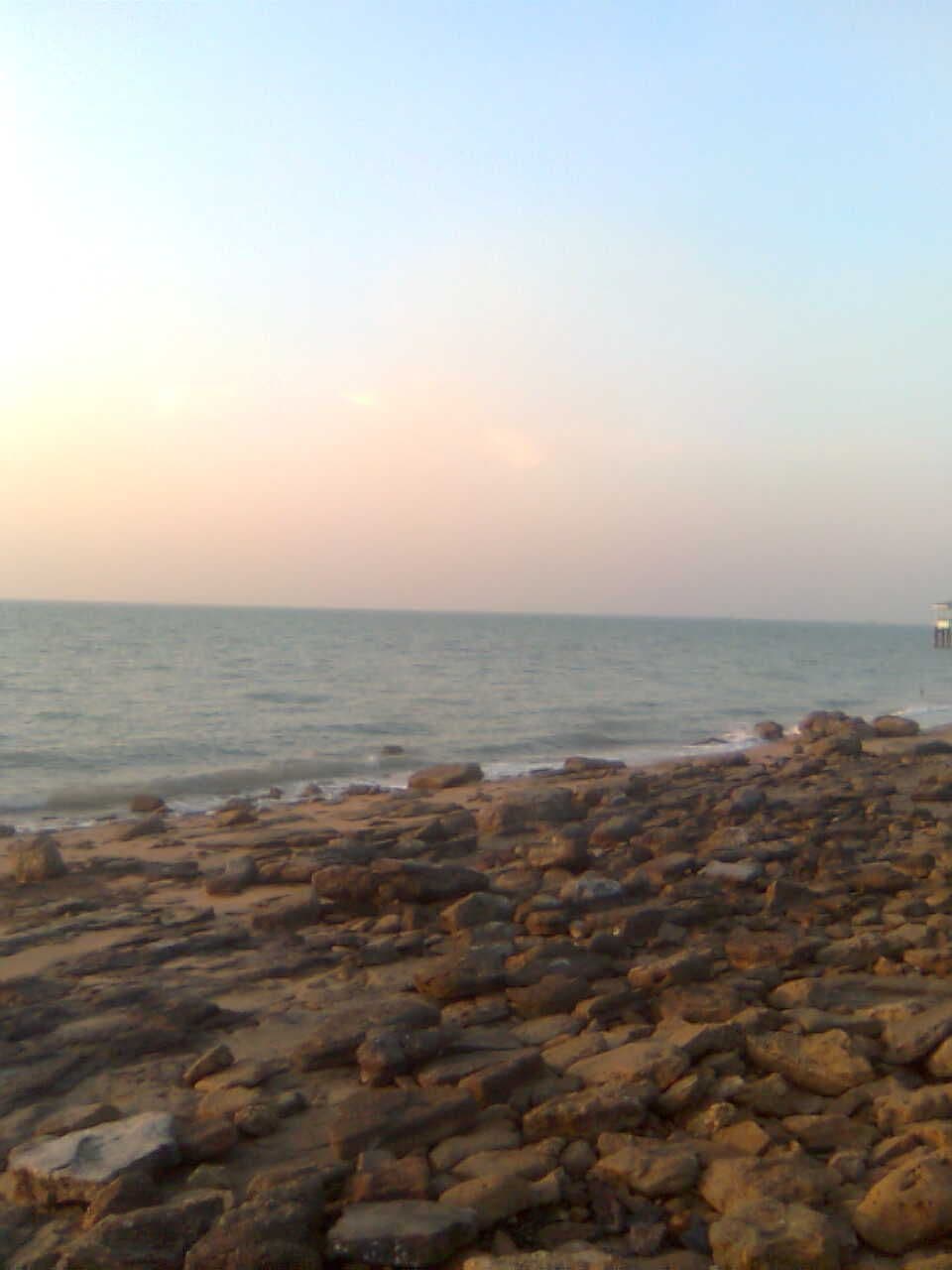
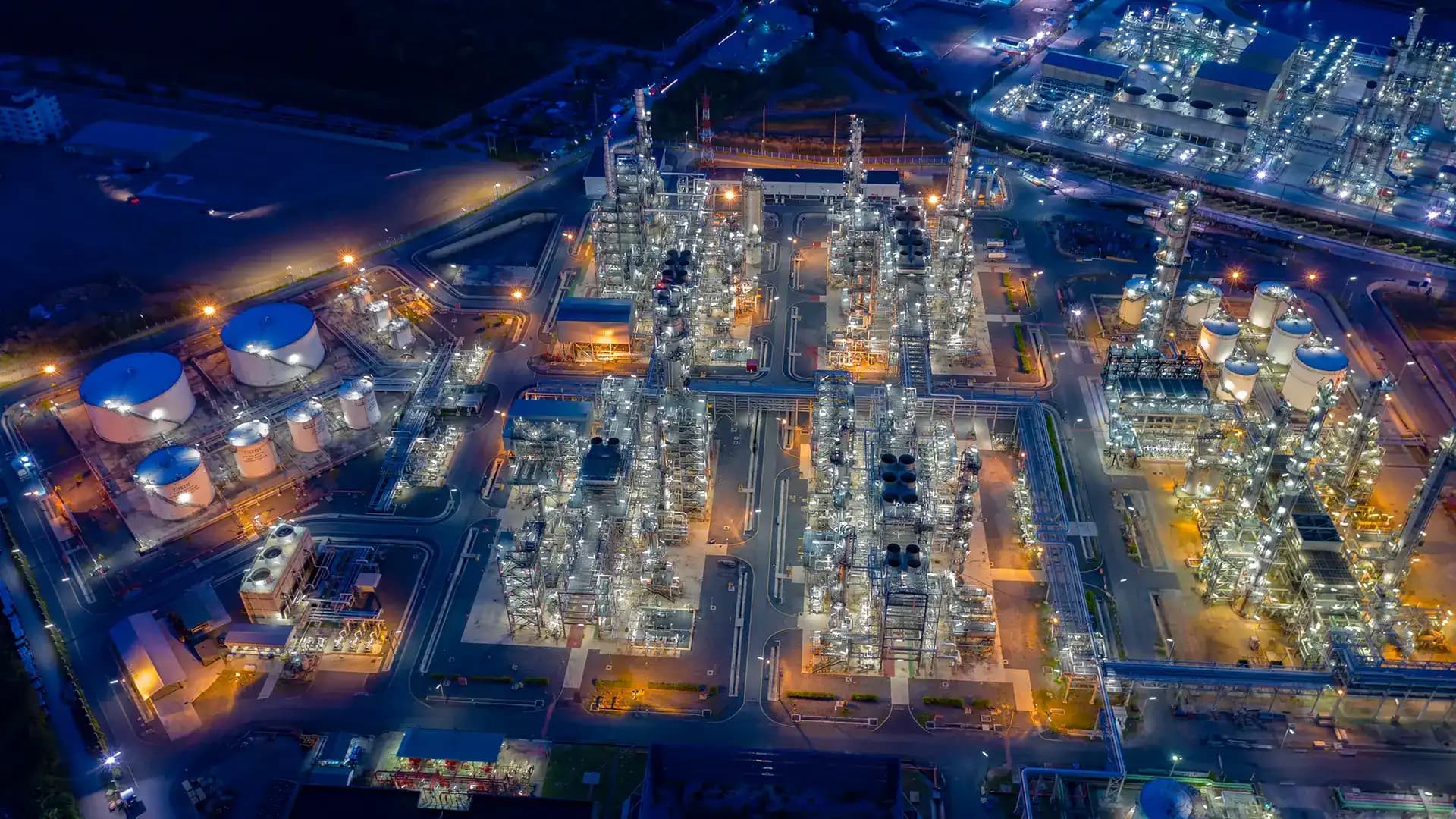
The thermometer does not lie here. In July, the air over Az Zawr is a physical weight, pressing down with a humidity that clings to the skin like a second layer. You arrive in this part of Kuwait to witness the scale of modern survival. The landscape is defined by two opposing forces: the relentless, blinding sea and the massive, humming infrastructure of the Al Zour LNG Terminal. It is the world’s largest liquefied natural gas export facility, a steel leviathan sitting approximately 90 kilometers southeast of Kuwait City. When you pack for Az Zawr, you prepare for an endurance test against the elements and an immersion in a place where industry and nature share a tense, quiet truce.
The packing list is a survival protocol. The heat in the Al Ahmadi Governorate is absolute. It strips moisture from the air and demands immediate compensation from the body. Your clothing choices must reflect this inevitability. Cotton is a liability if it gets wet and stays wet. Linen and synthetic blends that wick moisture are the only logical choices. You are entering a zone where the sun is an active adversary.
What to Wear: The Fabric of Survival
The first rule of Az Zawr is coverage. Skin exposure is rare in Kuwait. Cultural respect requires modesty, but the climate demands breathability. The tension between these two requirements dictates your wardrobe. Men should pack long, loose trousers made of lightweight material. Jeans are a mistake; they are heavy, retain heat, and offer no relief in temperatures that routinely exceed 40°C. Women should prioritize abayas or long, flowing dresses in light colors. White, beige, and pale gray reflect the solar radiation that bounces off the sand and the water. Dark colors absorb the heat, turning your clothing into an oven.
Footwear is another critical decision. The ground around Al Zour Beach is a mix of sand and industrial grit. Open sandals are impractical for walking near the jetty or along the coastal roads. Closed-toe shoes with breathable mesh are necessary to protect against the sharp edges of the shoreline and the heat of the pavement. You will not be hiking mountains, but the terrain is unforgiving. A pair of sturdy, light walking shoes is essential. Avoid leather; it cracks in the dry heat and suffocates the foot. The goal is to keep the body cool while maintaining a barrier against the environment.
Essentials: Hydration and Protection
Sunscreen is a necessity. The UV index in Kuwait during the summer months is extreme. Pack a high-SPF sunscreen that resists sweat. Apply it before you step out of your vehicle and reapply every two hours. Sunglasses with UV protection are mandatory. The glare from the Persian Gulf can be blinding, especially when reflected off the white structures of the power plants and the LNG terminal. A wide-brimmed hat is also crucial. The sun here does not ask for permission; it strikes directly from above.
Hydration is the other pillar of survival. The air is dry, and the body loses water rapidly through perspiration. Carry a reusable water bottle. Tap water in Kuwait is generally safe, but many prefer bottled water for drinking. Electrolyte supplements are a wise addition to your pack, especially if you plan to spend time outdoors. The heat can lead to dehydration faster than you realize. Do not wait until you are thirsty. Drink before the thirst sets in. The silence of the area is deceptive; the heat is active and relentless.
Practicalities: Transit and Timing
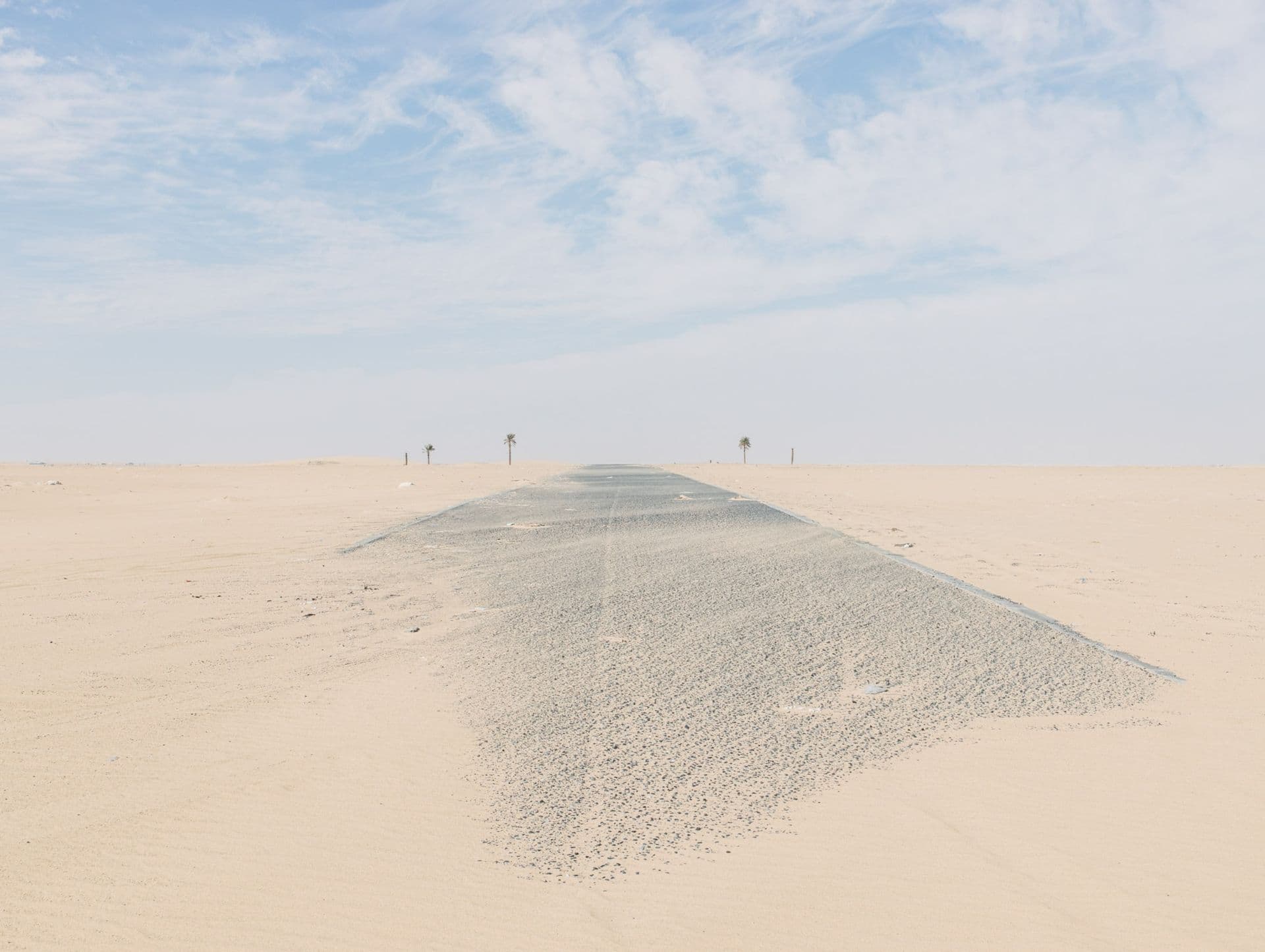
Access to Az Zawr is primarily by road. There is no metro, no train, no bus route that serves this specific industrial and coastal zone. You will need a car. The drive from Kuwait City takes roughly an hour, depending on traffic, but the final stretch along the 40th Street, also known as Al-Ahmadi Road, is a long, straight line through a landscape that shifts from urban sprawl to open desert and then to industrial infrastructure. The road is well-maintained, but the heat can affect vehicle performance. Ensure your car’s air conditioning is in perfect working order. It is the only thing that will allow you to travel comfortably during the day.
The best time to visit Az Zawr is during the winter months, from November to March. The temperatures drop to a manageable range, allowing for outdoor exploration without the constant threat of heat exhaustion. However, if you are visiting in the summer, you must adjust your expectations. Daytime activities are limited to early mornings or late evenings. The midday hours are for resting in air-conditioned spaces. The Al Zour North One Power and Water Plant operates around the clock, but the human element retreats into the shade. Plan your days accordingly. Do not fight the sun; you will lose.
Local Context: Industry and Silence
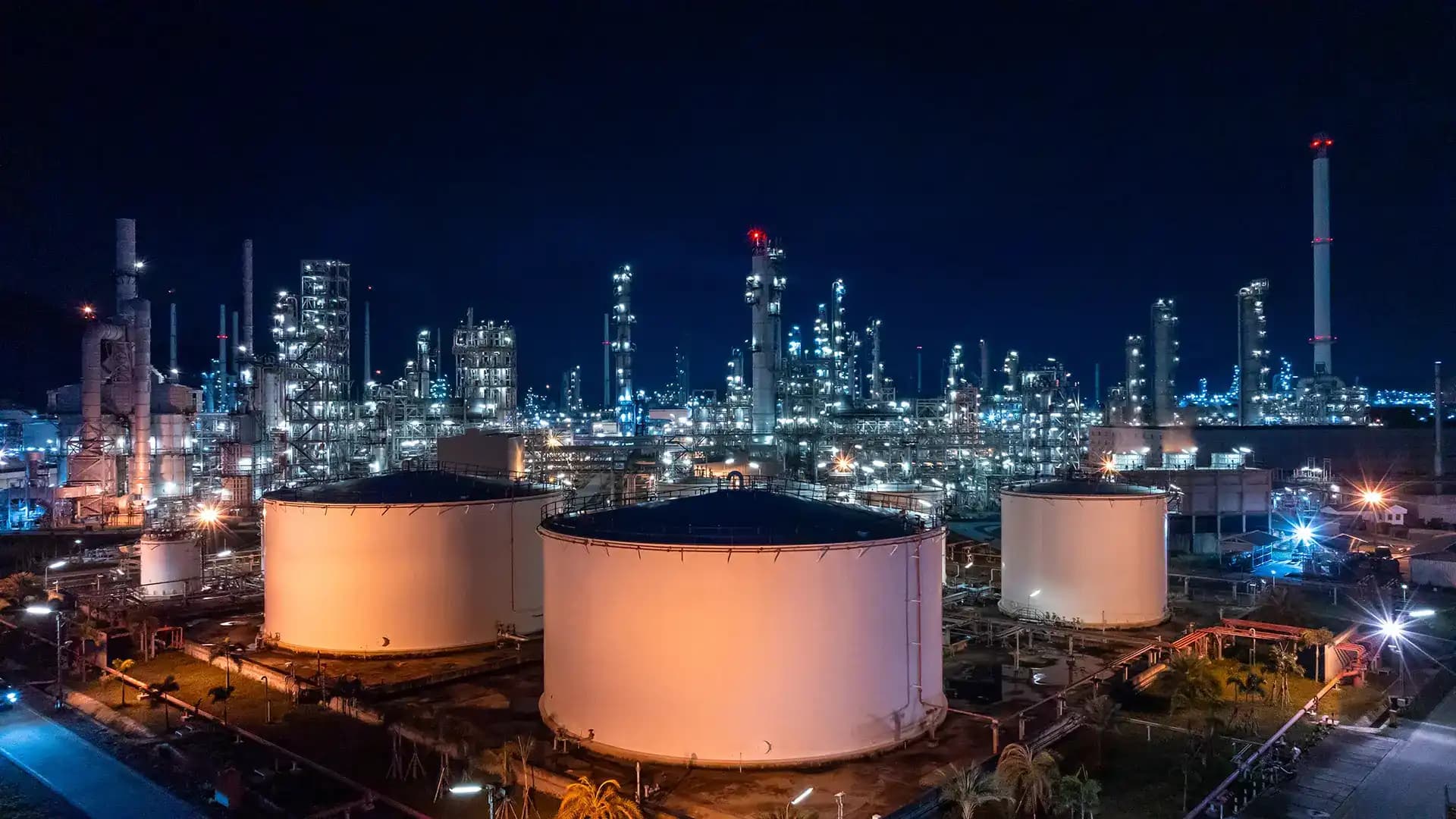
Az Zawr is a place of work and infrastructure. The Al Zour LNG Terminal and the power plants are the dominant features of the landscape. They are impressive in their scale and efficiency, representing the economic backbone of the region. For the traveler, this offers a unique perspective. You are not just seeing a beach; you are seeing the machinery that powers a nation. The silence that falls over the area at night is not empty; it is the hum of industry continuing while the world sleeps.
Respect this context. Do not expect bustling markets or vibrant nightlife in Az Zawr itself. The local population works here, but they live in Al Ahmadi or Kuwait City. The restaurants and shops are found in those urban centers. Az Zawr is a place to observe, to reflect on the intersection of nature and industry, and to appreciate the stark beauty of the coastal desert. It is a place that tests your patience and rewards your attention to detail.
When to Go and Who It Is For
The Prophet’s Birthday (Mawlid) is a lunar holiday. In 2026, it is expected to fall in late September or early October. This period will bring a surge in local activity. Roads may be busier, and accommodation prices may rise. If you are planning to visit around this time, book your transport and lodging early. The holiday is a period of reflection and community, and the atmosphere in Kuwait shifts accordingly. For the solo traveler or the remote worker, Az Zawr offers a unique kind of quiet. It is not a place for socializing; it is a place for thinking. The industrial landscape provides a backdrop for contemplation, away from the distractions of the city.
Stay for a day or two. Longer stays require a retreat to the more developed areas of Al Ahmadi or Kuwait City for amenities. Az Zawr is a destination for those who appreciate the raw, unvarnished reality of a place. It is not pretty in the traditional sense, but it is honest. The heat, the industry, the sea—they are all what they are. There is no pretense here. Pack accordingly, and you will find a strange kind of peace in the face of such overwhelming force.
FAQ
Is it safe to visit Az Zawr? Yes, Kuwait is one of the safest countries in the region. However, the industrial areas are restricted. Stay on public roads and designated beach areas. Do not attempt to enter the LNG terminal or power plant facilities.
What is the best way to get around? By car. There is no public transport in Az Zawr. A rental car is essential for flexibility and comfort.
Can I drink the tap water? Tap water is generally safe, but bottled water is recommended for drinking, especially for visitors not accustomed to the local mineral content.