Pack for the Canal des Pangalanes. Leave the ego in Antananarivo. Mahanoro demands utility, not aesthetics.
You are not going to Mahanoro to be seen. You are going because the road from Toamasina takes twelve hours and the only thing waiting for you is the heat, the humidity, and a thermal spring that locals claim will fix your back. If you arrive with three changes of linen shirts and a sense of entitlement, you have already failed. This is the east coast of Madagascar. The air is thick enough to chew. The roads are suggestions. The water is everywhere. Pack accordingly, or don’t come at all.
The Weight of Water
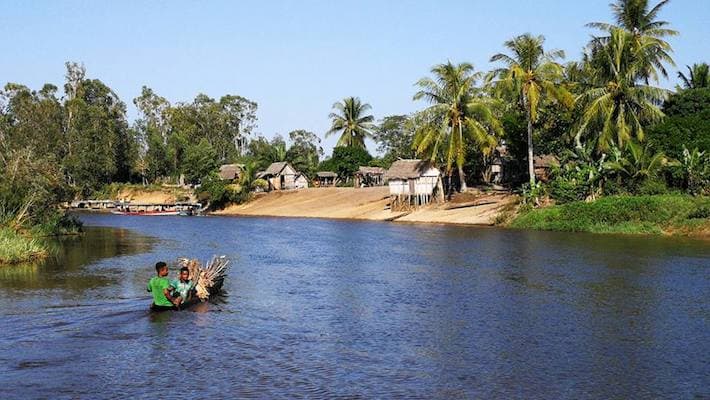
The Canal des Pangalanes serves as the spine of this region. It cuts through the rainforest, bypassing the broken roads, carrying life in wooden boats that look like they were carved from desperation. When you pack, you are packing for water. Not just the humidity that clings to your skin like a second, heavier layer, but the literal water you will navigate.
Leave the heavy denim. Leave the boots. The ground here is soft, often wet, and indifferent to your comfort. You need shoes that can be submerged, dried, and submerged again without falling apart. Sandals with straps that won’t slip off when you step onto a swaying pirogue. The boat ride along the canal is the primary way to understand this place. It is slow. It is loud with the slap of oars and the chatter of vendors selling fish from their decks. If you are carrying a hard-shell suitcase, you are a burden. Use a soft duffel. Something you can throw over your shoulder and wrestle into a boat without apologizing to the driver.
The scenery is lush. It is a wet, aggressive green. It wants to reclaim your path. Your gear should reflect that reality. Quick-dry fabrics are a necessity. Cotton is a mistake. It stays wet. It smells. It chafes. You want to feel the heat, not drown in your own sweat-soaked clothes.
The Grime of Reality
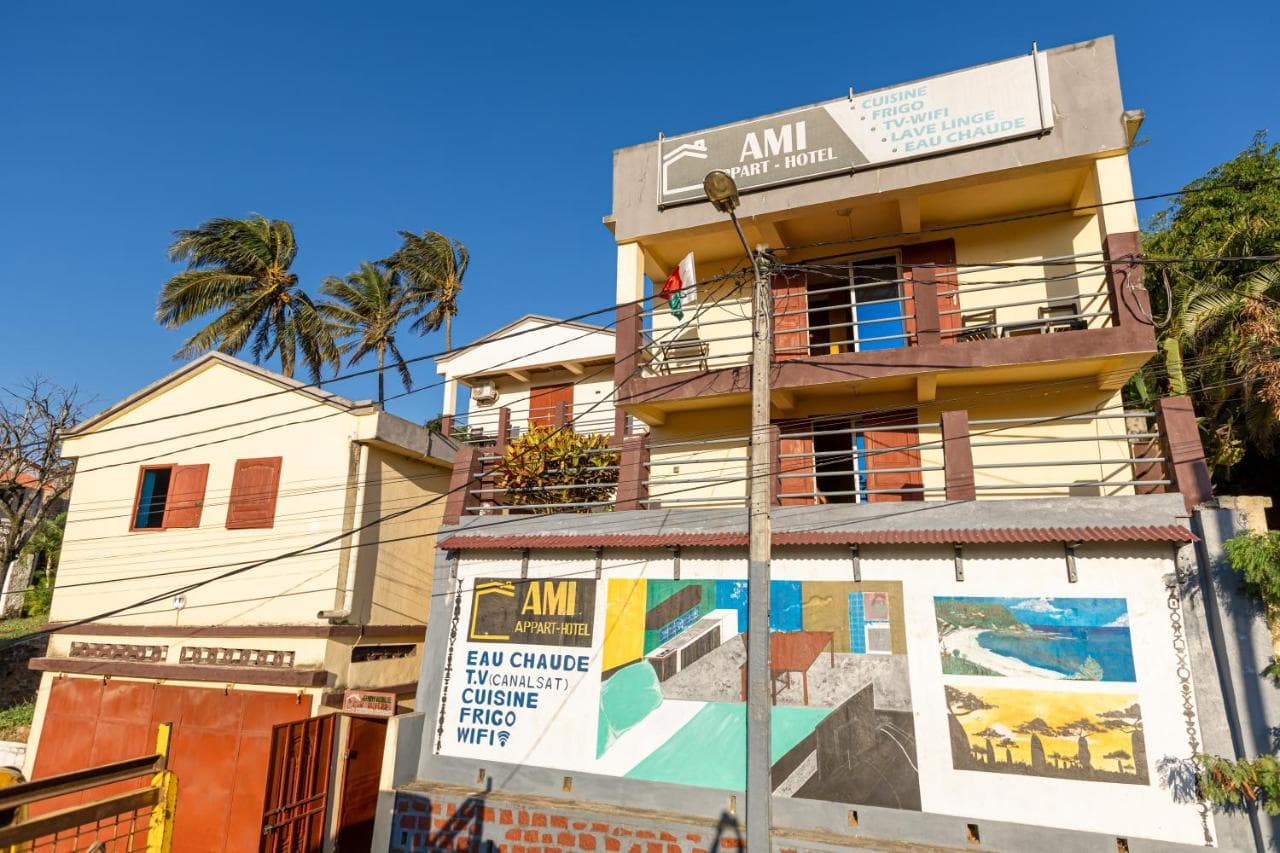
Mahanoro is named after a source. A thermal spring. The name derives from Maha (great/big) and Anoro (spring/water source), meaning 'Great Spring' or 'Big Hot Spring'. It is a curative spot, a place where people come to wash away pain. The water is earth and heat and minerals. You will get dirty. You will get mud on your clothes. You will get fish scales on your shirt if you buy lunch from a stall on the canal bank.
Pack clothes you don’t care about. Bright colors fade in the Malagasy sun. White turns grey within a day. This is the nature of the place. The town is not a polished destination. It is a working port, a transit hub, a community living in the shadow of the rainforest. The streets are unpaved in places. The buildings are simple. There is no "luxury" here to protect you from the elements.
Your packing list should reflect a willingness to engage with the grime. Bring a small towel that dries fast. Bring a water bottle that can handle being dropped in the mud. Bring a sense of humor. The thermal spring is a local secret. You will be sharing it with residents who are not performing for your camera. Respect that. Dress modestly. Shoulders covered, knees covered. Not because it is cold, but because it is respectful. You are a guest in their healing space.
Food and Fire
There is no "local cuisine" unique to Mahanoro that you need to seek out in a guidebook. The food here is the food of Madagascar. Rice. Fish. Vegetables. Romazava, a stew of leafy greens and meat, is the staple. It is cooked over fire. It is served in bowls. It is eaten with hands or a spoon, depending on who you ask.
Pack light. You will not be dining in air-conditioned restaurants with linen napkins. You will be eating at small stalls, maybe on a plastic stool, maybe standing by the canal. The food is fresh because it has to be. The fish comes from the canal or the ocean nearby. The vegetables come from the gardens that line the roads. It is simple. It is honest.
Do not pack expensive snacks. You will not want them. The taste of a ripe mango bought from a vendor on the road is better than anything you can carry in your bag. The smell of woodsmoke and frying fish is the perfume of this region. Embrace it. Your clothes will absorb it. Your hair will absorb it. This is the scent of survival, not of a resort.
The Long Road
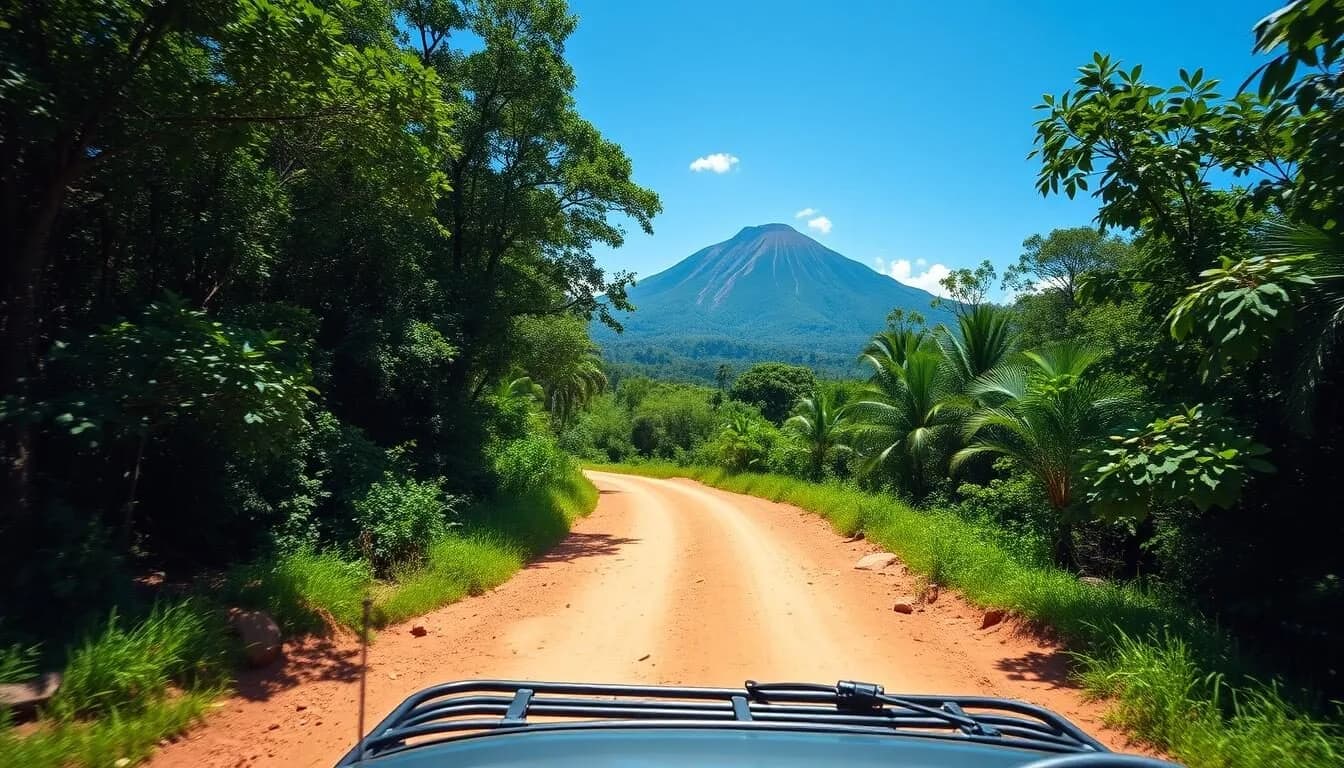
Getting here is half the battle. The road from Toamasina is a twelve-hour ordeal. It is not a journey; it is an endurance test. The bus will be packed. The air conditioning, if it exists, will be a rumor. The road will be bumpy, dusty, and sometimes flooded.
Pack for the transit. Bring a neck pillow if you are weak. Bring earplugs if you are sensitive. Bring cash. Small bills. The driver will not have change for a large note. The journey from Antananarivo is cheaper if you fly, but the road is the only way to see the real texture of the country. The cost is around $54 USD for the cheapest option, but that price buys you a seat, not comfort.
The road from Toamasina is longer, but it gives you the full experience of the east coast. The landscape changes from dense rainforest to coastal plains. You will pass villages, markets, and fields. You will see life happening in real time. Not curated. Not staged. Just happening. Your bag should be small enough to stow under your seat or hold on your lap. Large suitcases are left in the cargo hold, and they often arrive with new scratches. If you can afford to lose a scratch, pack hard. If you can’t, pack soft.
The Honest Corners
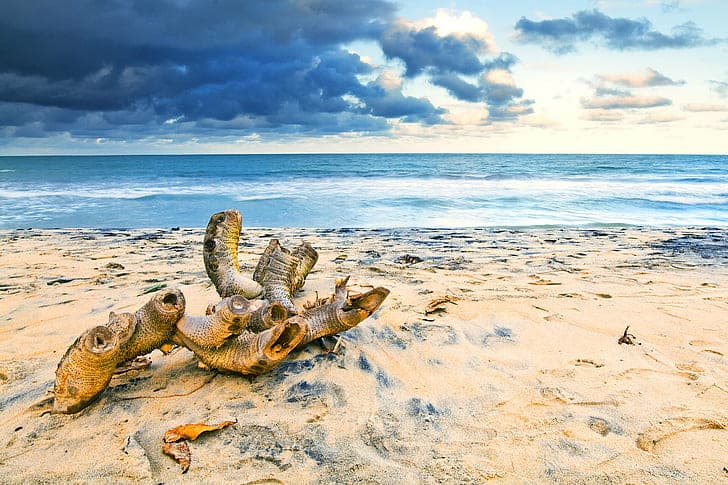
Mahanoro is not a destination for the faint of heart. It is for those who want to feel the weight of the world, not escape it. The surrounding rainforest and the canal itself are reminders of the power of nature. They are not manicured. They are wild. The trails through the forest are not paved paths.
Pack for the hike. Sturdy shoes. Water. A hat. The sun is fierce here. The forest is deep. The scenery is beautiful, but it is not there for your pleasure. It is there because gravity and water have been at work for millennia. You are a visitor. A brief one.
The best time to go is the dry season, April to October. The rains make the roads impassable and the canals unpredictable. But even in the dry season, the heat is a constant companion. Pack light. Pack smart. Pack for the reality of Mahanoro, not the fantasy of travel.
The next major holiday is Assumption Day, August 15. Expect crowds. Expect higher prices. Book early. Or don’t go. This place does not need your validation. It has its own rhythm. Its own pace. Its own truth. Find it in the mud, in the water, in the heat. Leave the rest behind.
FAQ
Do I need a visa for Madagascar? Most travelers need a visa on arrival. Check current regulations before you fly. Cash is preferred for the fee.
Is it safe to travel alone? Mahanoro is a small town. Common sense applies. Don’t flash cash. Don’t walk alone at night. The locals are generally welcoming, but you are in a remote area.
What currency should I bring? Malagasy Ariary. Bring small bills. ATMs are scarce outside major cities. Exchange money in Toamasina or Antananarivo before heading east.