Pack layers for Tsirang’s humid summers and sturdy shoes for dzong steps. This guide ensures you’re ready for Bhutan’s eastern hills without overpacking.
The road into Tsirang does not arrive with fanfare; it unfolds gradually along the Wangdue-Gelephu highway, winding through dense bamboo groves and terraced rice paddies that seem to spill over the valley walls. By the time you crest the final ridge and see the red-roofed structures of the district capital, the air has already shifted. It is heavier here than in the high Himalayan passes, thick with the scent of wet earth and pine resin. Summer in Bhutan’s eastern districts is a study in contrasts: the sky is often a piercing, impossible blue, while the ground remains cool and damp underfoot.
Packing for this part of the country requires a different mindset than preparing for the dry, crisp winters of Thimphu. You are preparing for a landscape that changes temperature within minutes as you move from forest shade to open ridge. Whether you are hiking toward the Rigsum Goenpa or simply exploring the town center, your luggage needs to balance comfort, respect for local customs, and readiness for unpredictable weather.
What to Wear: Layers and Respect
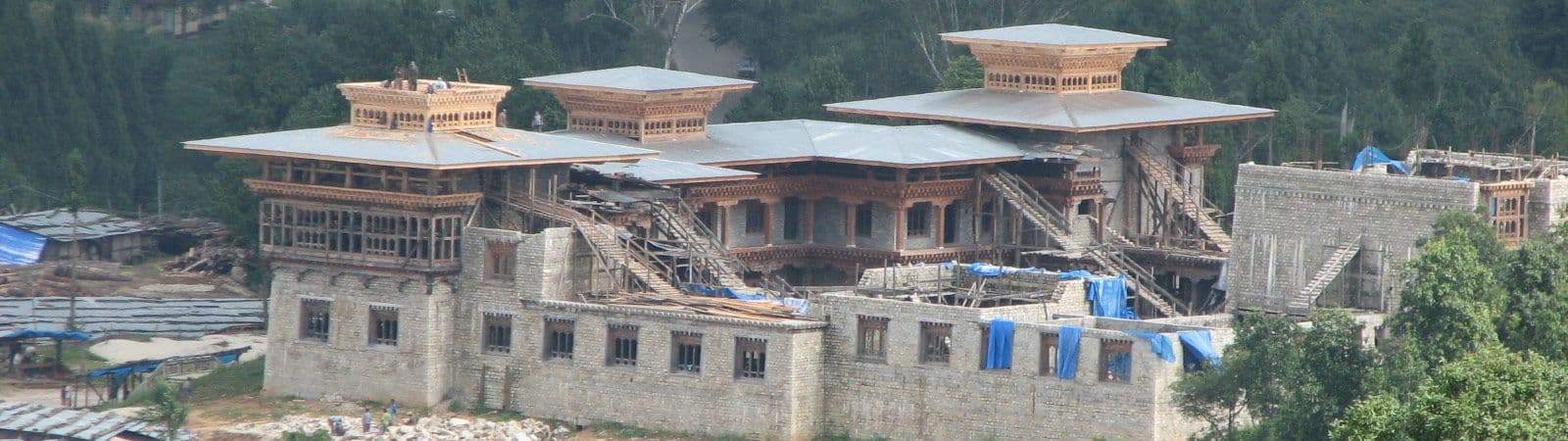
The most important item in your wardrobe for Tsirang is versatility. The climate is subtropical and humid, particularly during the summer months. Heavy woolens are unnecessary, and tank tops or shorts that expose too much skin are inappropriate. Bhutanese culture is conservative, and dressing modestly is a sign of respect, especially when visiting religious sites like the Tsirang Dzong or the Rigsum Goenpa.
Pack lightweight, breathable fabrics such as cotton or linen. Long trousers and shirts with sleeves are ideal for daily wear. They protect you from the sun, which can be intense at higher elevations, and keep you covered when entering monasteries. Women should carry a scarf or shawl for warmth in the early morning chill. The same accessory serves to cover shoulders when required by temple etiquette. Men should avoid sleeveless tops entirely.
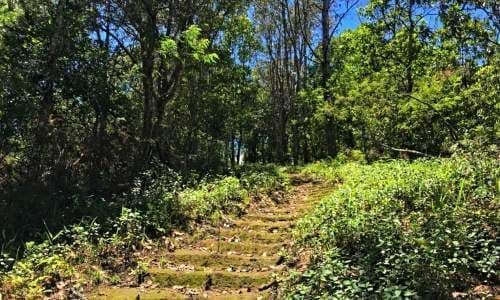
Footwear is equally critical. The ground in Tsirang is rarely perfectly paved. Even within the town, paths may be uneven, and if you venture out to nearby villages or hiking trails, you will encounter mud, roots, and stone steps. A pair of broken-in hiking shoes or sturdy trail runners is essential. Leave the new sneakers at home; blisters on a remote mountain road are an inconvenience you want to avoid. Bring socks that wick moisture away from the skin to prevent chafing in the humidity.
Essential Gear for the Terrain
Summer in Tsirang brings rain. Sudden showers are common, though they may not last all day. A lightweight, packable rain jacket is non-negotiable. Avoid bulky umbrellas, which are impractical on windy ridges or crowded bus stops. Look for a jacket with a hood that fits comfortably over a hat.
A small daypack is useful for carrying water, snacks, and your camera. You will likely leave your main luggage at your accommodation, so you need something secure and comfortable for half-day excursions. A reusable water bottle is recommended, as plastic waste is a growing concern in Bhutan, and many lodgings provide filtered water refills.
If you are planning to visit the Rigsum Goenpa, known as the Monastery of the Three Enlightened Lords, prepare for steep climbs. The monastery is situated in a rugged part of the district, and access often involves navigating uneven terrain. Trekking poles can be a helpful addition if you have knee issues or plan to do significant walking. They also serve as a useful tool for testing the stability of muddy paths.
Electronics and Documentation
Power outlets in Bhutan typically use Type D and Type C plugs, similar to those found in India. Voltage is 230V. Bring a universal adapter to ensure your devices charge safely. While major towns like Tsirang have reliable electricity, power cuts can occur, especially during heavy storms. A portable power bank is a wise investment to keep your phone charged for navigation and communication.
Photography is a key part of the Tsirang experience, but remember that flash photography is prohibited inside dzongs and temples. A camera with good low-light capability will allow you to capture the intricate woodwork and vibrant murals without disturbing the sanctity of the space. Check with locals before photographing people; a smile and a nod usually suffice, but always ask permission.
Keep your passport and visa documents safe. Bhutan requires a visa for most foreign tourists, which is typically arranged through a licensed tour operator. Carry digital copies of your documents in your cloud storage, but keep the physical originals in a secure, waterproof pouch. You will need to show these occasionally for police checkpoints on the roads, which are routine security measures.
Health and Hygiene
The humidity in Tsirang can lead to rapid sweat accumulation, making hygiene products essential. Pack biodegradable soap and shampoo to minimize environmental impact. Mosquito repellent is highly recommended, as standing water in the rice fields creates breeding grounds for insects. Picaridin or DEET-based repellents work well.
Basic first aid supplies should include blister plasters, antiseptic wipes, and pain relievers. While medical facilities are available in the district hospital, they may not stock specific brands of medication you rely on. Bring enough prescription drugs for the duration of your stay, plus a few extra days’ supply in case of delays.
Water safety is generally good in Bhutan, but tap water is not always potable for tourists. Stick to bottled water or use purification tablets if you are trekking into remote areas. Hand sanitizer is useful, especially when eating at local eateries where running water may not be immediately accessible.
Navigating Arrival and Departure
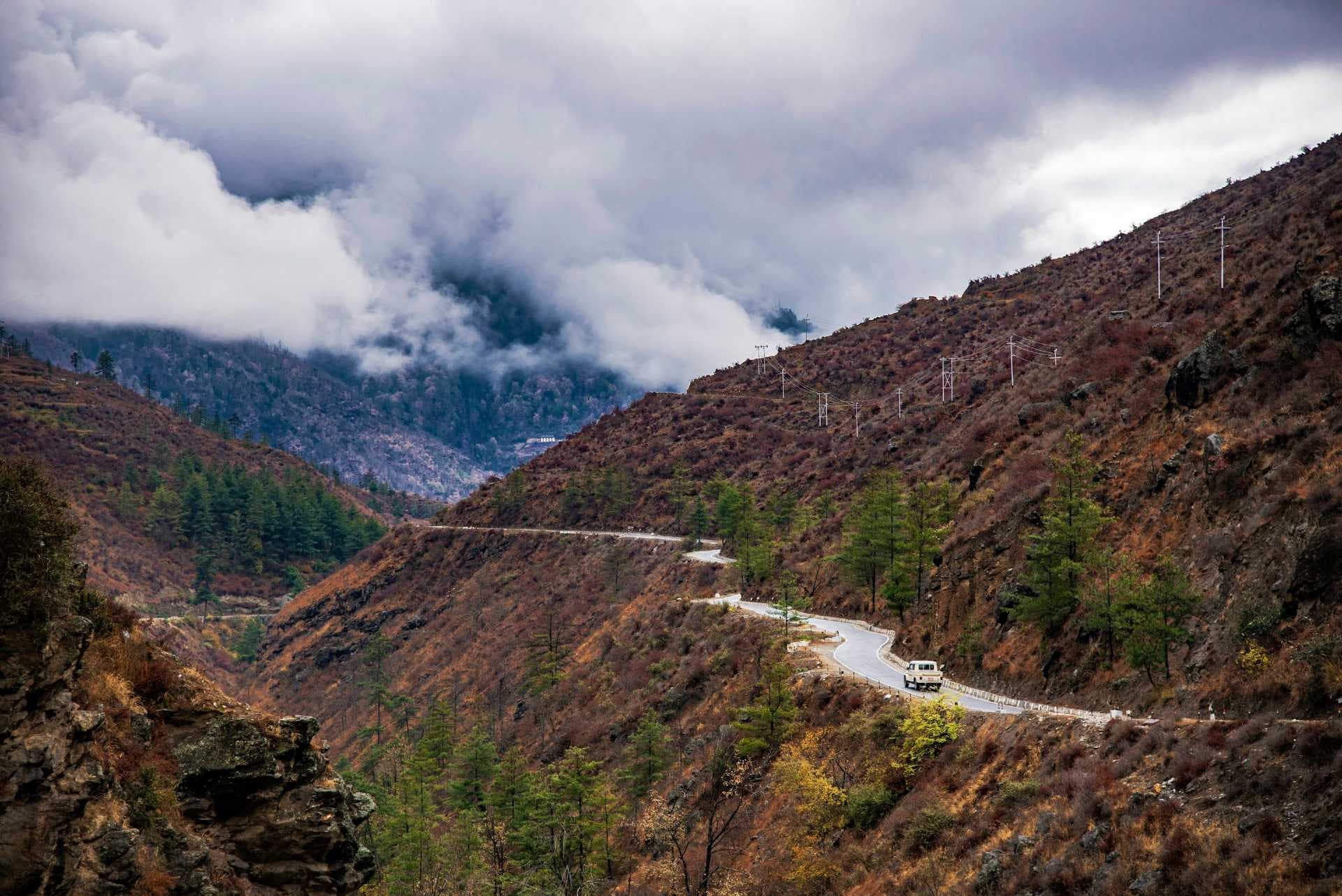
Getting to Tsirang requires patience. There are no railway stations in Bhutan. Travelers typically fly into Paro International Airport or enter by land through the Phuentsholing border from West Bengal, India. From there, you will transfer to a vehicle for the drive north. The road via the Wangdue-Gelephu highway is scenic but can be slow due to mountain curves and occasional landslides during the rainy season.
Allow extra time for your journey. Delays are common, and they stem from the sheer geography of the country rather than poor infrastructure. Pack snacks and entertainment for long bus rides. The drive itself is part of the experience, offering glimpses of rural life that you won’t see in the valleys.
Currency in Bhutan is the Ngultrum, which is pegged to the Indian Rupee. Indian rupees are widely accepted, but avoid bringing notes larger than Rs. 500, as they are not legal tender in Bhutan. ATMs are available in Tsirang, but they can run out of cash or malfunction. Carry enough small denominations for tips, souvenirs, and minor purchases.
When to Go and Who It’s For
There are no major public holidays scheduled for Tsirang in the immediate future that would disrupt travel plans. However, the annual Tshechu festival at the Tsirang Dzong is a highlight, featuring masked dances and traditional performances. Check the lunar calendar for exact dates, as these events draw large crowds and increase accommodation demand.
Tsirang is ideal for travelers who prefer quiet exploration over bustling city life. It suits hikers, cultural enthusiasts, and those interested in sustainable tourism. Families with older children can enjoy the gentle hikes and cultural sites, while solo travelers should be prepared for limited nightlife and a slower pace of life.
Stay for at least three to four days to fully appreciate the district. Rushing through Tsirang misses the point. Take time to sit with a cup of butter tea, watch the monks practice, and listen to the sound of the wind in the bamboo.
Quick FAQs
Is it safe to walk alone in Tsirang? Yes, Tsirang is generally safe. Crime rates are low, and locals are friendly. However, always keep an eye on your belongings in crowded markets and avoid walking alone on remote trails after dark.
Can I use my credit card everywhere? No. While hotels and some restaurants accept cards, many smaller shops and taxis operate on cash. Always carry sufficient Ngultrum or Indian Rupees.
What is the best way to get around locally? Taxis and shared jeeps are the primary modes of transport. Hiring a private car with a driver is the most convenient option for exploring the district, as public transport schedules can be irregular.