Audit the cultural output of Pangai, Tonga. Precision in planning yields access to the Ha’apai’s disciplined rituals and maritime heritage.
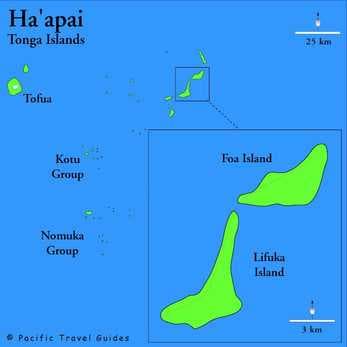
The rhythm of a festival in Pangai begins with sound. It is the low, resonant thump of the lali drum, followed by the synchronized foot-stomping of dancers preparing for ceremony. To arrive without aligning your itinerary to the local festival schedule is to miss the structural integrity of the event. Pangai, the administrative heart of the Ha’apai group in Tonga, operates on a strict social hierarchy and communal obligation. The festivals here function as audits of status, piety, and discipline. As a traveler, you are an observer. Your value lies in your ability to blend into the periphery, to respect the silence, and to document the symmetry of the proceedings without disrupting the flow.
The primary asset of this region is its isolation. It enforces a level of authenticity that crowded hubs cannot replicate. When a festival occurs in Pangai, the entire town converges. The streets clear. The market stalls close. The focus shifts entirely to the ceremonial ground. This is a highly organized redistribution of social energy. To navigate it, you must understand the mechanics of the event before you step foot on the island.
The Cultural Audit: What Actually Happens
Festivals in Pangai are rarely advertised with the fanfare of Western carnivals. There are no ticket booths. There are no printed programs distributed to tourists. The information is embedded in the local infrastructure. The Pangai Market serves as the central intelligence hub. Long before any festival begins, the market area shifts from a commercial exchange of produce to a social staging ground. Locals gather here to discuss the upcoming schedule, the expected attendees of rank, and the required protocols.
The core of the festival experience in Tonga is the taupou ceremony and the kava ritual. These are the main event. The taupou, or ceremonial princess, represents the lineage and status of the district. Her movements are choreographed, her dress immaculate, her demeanor controlled. To witness this is to witness the living history of Tongan society. The kava ceremony, conducted in a designated circle, follows a rigid order of precedence. The bowl is passed in a specific sequence. To drink out of turn is a breach of protocol that will be noted.
The festivals often coincide with royal birthdays or national holidays, but the local flavor is distinct. In Pangai, the events are smaller, more intimate, and more intense. The community knows each other. The scrutiny is higher. If you are present, you are expected to maintain a posture of respectful observation. Do not lean on the pillars. Do not speak loudly. Do not photograph the faces of the participants without explicit permission, which is rarely granted for the sake of digital vanity. The goal is to capture the essence of the discipline, not the identity of the individuals.
The visual landscape during these times is one of controlled color. Traditional tapa cloth and woven mats are displayed with geometric precision. The contrast between the white sand of the ceremonial grounds near Pangai on Lifuka Island and the dark, formal attire of the elders creates a visual hierarchy that is impossible to miss. The light in the Ha’apai group is sharp, unforgiving. It exposes any lack of preparation. Ensure your own presentation is neat. Casual wear is tolerated, but sloppy attire is a sign of disrespect.
Logistics: The Supply Chain of Access
Accessing Pangai for a festival requires logistical precision. There are no direct international flights. The route involves a transfer to Tongatapu, followed by a domestic connection. The domestic aviation sector is small and operates on a schedule that can shift with weather conditions. Verify your flight status 48 hours before departure.
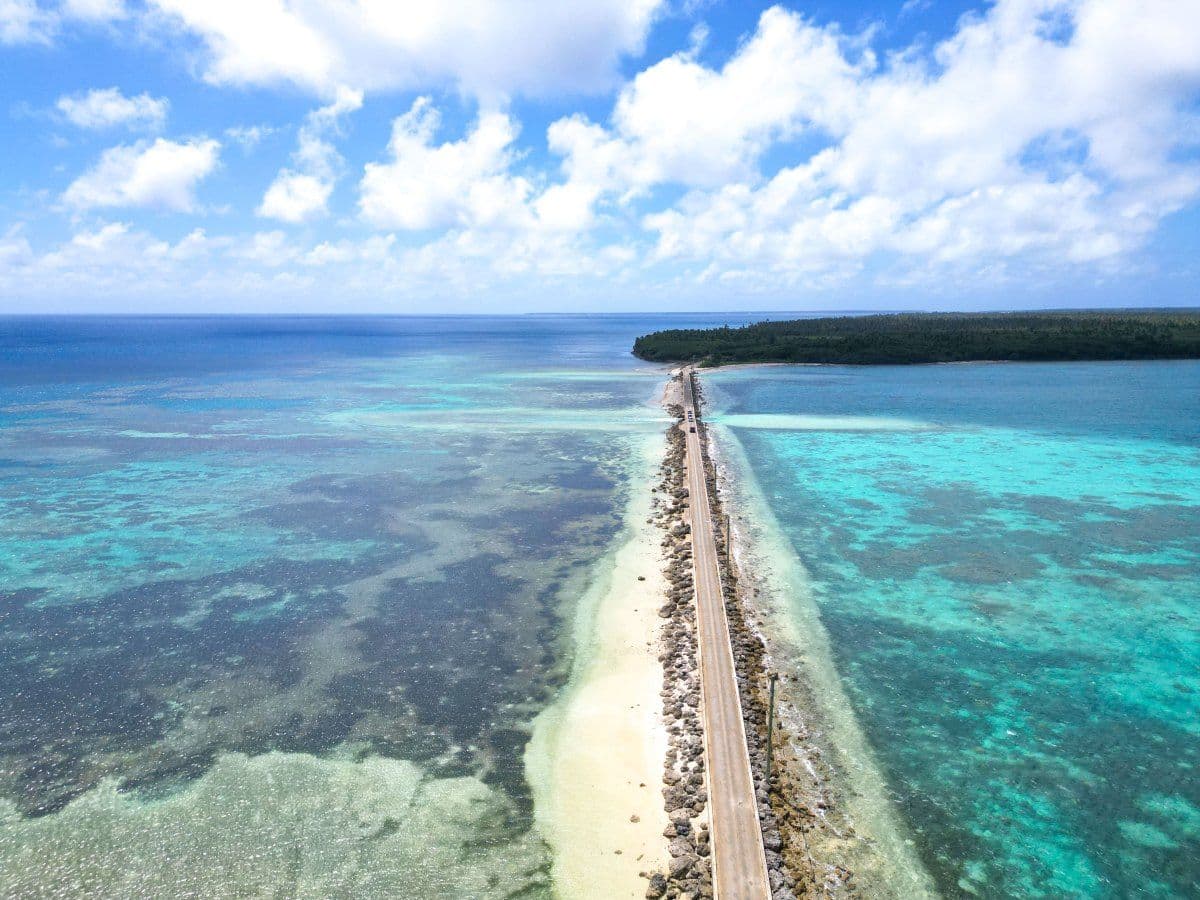
Inter-island ferry services exist, but they are subject to sea conditions. The journey between Tongatapu and Ha’apai can be rough. If you are prone to motion sickness, the ferry is a liability. The domestic flight, while more expensive, offers a reliable window into the island’s geography. The view from the air reveals the scattered nature of the Ha’apai group, a chain of low-lying islands that appear as green fragments on a blue canvas.
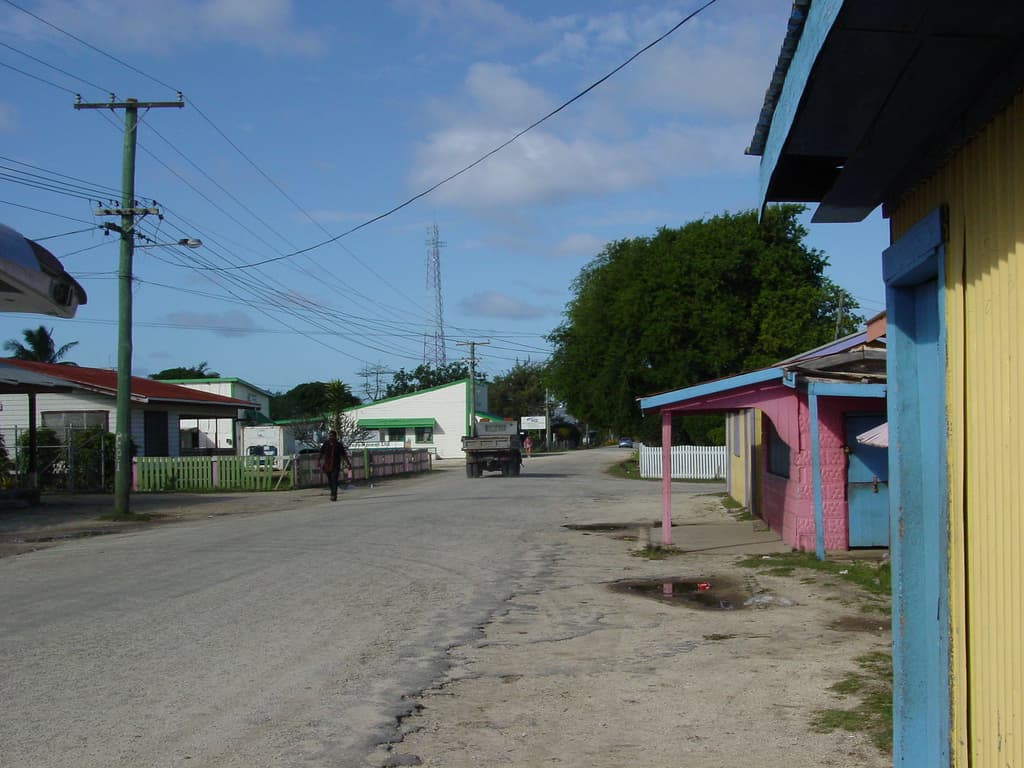
Once in Pangai, transport is limited. There are no bus lines. There are no ride-sharing apps. You will walk. The town is compact. The distance from the airstrip to the Pangai Market is manageable on foot. Carry your own water. Hydration is critical in the summer heat, and the local infrastructure may not support high-volume tourist consumption. Purchase supplies upon arrival. The market offers fresh produce and basic necessities. Prices are stable, but selection is limited. Do not expect the variety of a mainland supermarket.
Accommodation in Pangai is sparse. There are no luxury resorts. The options are primarily guesthouses and local lodgings. Book well in advance if you are targeting a specific festival date. The local population expands during these times, filling the available rooms. Flexibility is required. You may be assigned a room that is not exactly as described in the listing. Adapt. The goal is proximity to the event, not thread count.
Etiquette: The Code of Conduct
Respect is the currency of Pangai. The social structure is hierarchical, and you are a guest within it. Acknowledge this position. When entering a church or a ceremonial ground, remove your shoes if instructed. Follow local guidance. Do not question the logic. Follow the lead of the locals.
Dress codes are strict. Shoulders and knees must be covered. This applies to both men and women. A sarong is a practical investment. It is lightweight, easy to carry, and universally accepted. Wear it when moving through residential areas or approaching sacred sites. The locals will notice your adherence to this rule. It signals that you have done your homework.
Photography is a sensitive issue. The kava ceremony is a sacred act. Flash photography is disruptive. Long lenses can be perceived as intrusive. Use a discreet camera. Keep your movements slow and deliberate. If a local asks you to stop, comply immediately. There is no negotiation. The offense is not in the act of taking the photo, but in the disregard for the social boundary.
Language is another barrier. English is spoken, but Tongan is the language of ceremony. Learn a few basic phrases. Mālō e lelei (thank you) is essential. It costs nothing and opens doors. The effort to speak the local language, even poorly, is noted and appreciated. It shows a willingness to engage with the culture on its own terms.
Timing: The Strategic Window
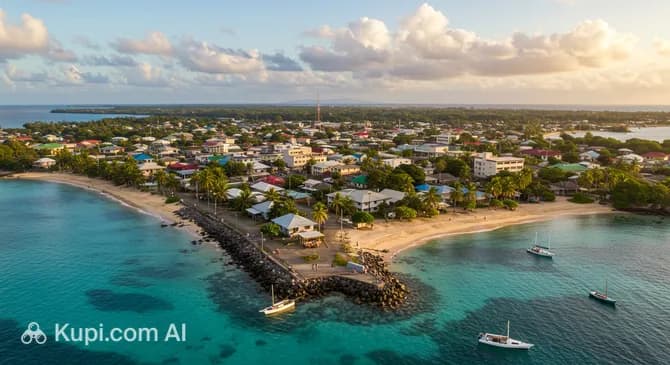
The festival calendar in Tonga is tied to national and royal observances, but local celebrations hold specific weight in the Ha’apai group. The following dates are critical for planning your visit to Pangai in 2026.
Emancipation Day (observed) — 2026-06-08: This holiday commemorates the abolition of slavery in Tonga. Expect heightened activity in Pangai. The market will be busy. Local gatherings will be frequent. Book your accommodation now. Prices may surge due to limited supply.
Birthday of the Reigning Sovereign of Tonga — 2026-07-04: A major national holiday. The entire country observes this day. In Pangai, the ceremonies will be formal and extensive. This is the peak of the ceremonial season. Crowds will be at their maximum. Security may be tighter. Plan for delays in transport.
Ha’apai Day — October 2026: This is the primary local festival for the group. It celebrates the history and culture of the Ha’apai islands. Events typically include traditional dancing, kava ceremonies, and community feasts. This is the most authentic local experience available. The atmosphere is vibrant but orderly. Expect full participation from the community.
Birthday of the Heir to the Crown of Tonga — 2026-09-17: A significant event, though slightly less intense than the Sovereign’s birthday. The weather in September is transitioning from summer to winter. Temperatures will be comfortable. This is a good window for those who prefer fewer crowds.
Constitution Day (observed) — 2026-11-02: The end of the ceremonial cycle. The focus returns to governance and law. The atmosphere is more subdued. This is a good time for reflective travel. The beaches will be quieter. The Hidden Viewpoints in Pangai village will be accessible without obstruction.
Who is this for? This is not for the casual tourist seeking a party. It is for the traveler who values structure, history, and cultural integrity. It is for those who can sit still, observe, and appreciate the nuance of a society that operates on different rules. Stay for at least four days. Two days are lost to transit. Two days are required to immerse yourself in the local rhythm. Anything less is a waste of time.
FAQ
Do I need a visa? Citizens of many countries, including the US, UK, and EU, can enter Tonga visa-free for short stays. Check the latest regulations with your embassy before travel.
What is the best way to get around Pangai? Walking is the primary mode of transport. The town is small. Taxis are scarce and expensive. Renting a bicycle is an option if you can find one locally, but do not rely on it.
Is it safe? Pangai is extremely safe. Violent crime is rare. The main risk is health-related: sun exposure and dehydration. Protect yourself accordingly. Respect the locals, and you will have no issues.