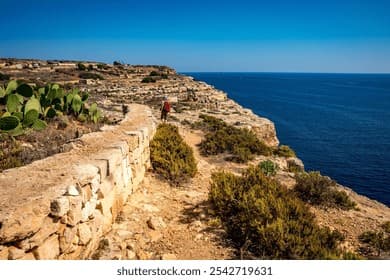
Spring in Paola, Malta, offers a distinct advantage for travelers seeking depth over distance. Located in the southern region of the Valletta Metropolitan Area, this town serves as a quiet residential hub that anchors some of the island’s most significant archaeological treasures. While Valletta draws the cruise crowds, Paola provides a grounded base for exploring prehistoric history, local Maltese life, and the softer, sun-drenched days of May. With average spring temperatures ranging from 18°C to 22°C, the weather is ideal for walking the limestone streets without the midday heat of July. This guide outlines practical holiday suggestions for staying, eating, and exploring Paola and its immediate surroundings.
The Prehistoric Heart: Hal Saflieni Hypogeum
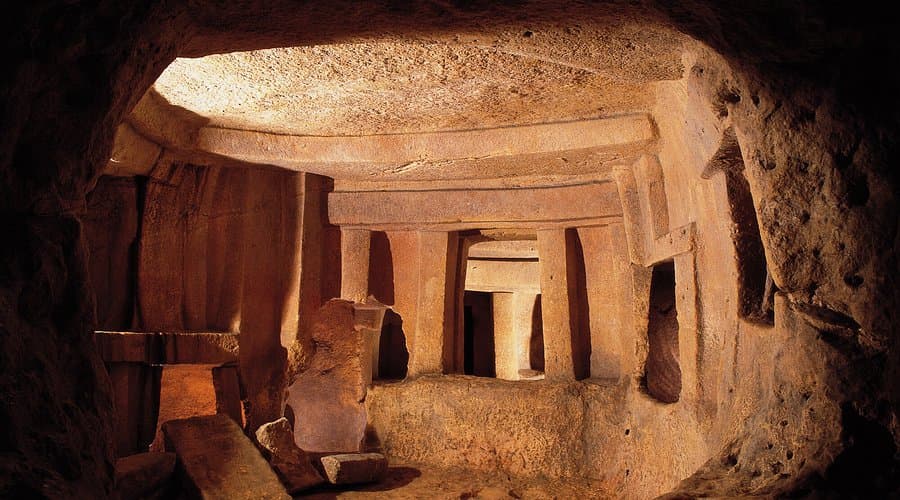
The primary reason travelers choose Paola as a base is the Hal Saflieni Hypogeum, a UNESCO World Heritage Site carved into the living rock approximately 4,500 years ago. This underground necropolis is unique in Europe for its three levels and resonant acoustics that echo through the chambers. Visiting requires planning; tickets are limited and often booked weeks in advance through Heritage Malta. A standard visit lasts about 45 minutes, with strict climate controls maintained to preserve the delicate remains of over 7,000 individuals interred here.
Arrive early in the morning to avoid queues. The site is located on Triq iċ-Ċimiterju, a quiet street that contrasts sharply with the ancient gravity of the entrance. Audio guides are provided, detailing the Temple Period culture and the architectural ingenuity of the Neolithic builders. After the descent into the earth, step back out into the spring light to decompress. The experience is profound but somber; balance it with a walk through the nearby residential neighborhoods to regain a sense of modern Malta.
Local Life and Dining on Triq il-Kiriek
Paola is not a tourist district; it is a living community. The main artery, Triq il-Kiriek, pulses with daily life rather than souvenir shops. For a holiday suggestion that feels authentic, dine here. Spring evenings are perfect for al fresco meals at local trattorias where the menu revolves around seasonal produce. Look for frott tal-għasfix (Maltese eggplant dip) and fresh fish from the nearby Marsamxett Harbour.
One notable spot is The Brasserie, known for its relaxed atmosphere and consistent service, or smaller family-run eateries that serve timpana (a baked pasta dish with ragù and béchamel) on weekends. Prices are reasonable compared to the capital, with a main course typically ranging from €12 to €18. Coffee culture is strong; stop at a local bar for a black coffee (kafè nescaf) for around €1. The pace is slower here. Residents linger, chat, and watch the world go by. This is the rhythm to adopt for a restorative holiday.
Accommodation: Staying in the South
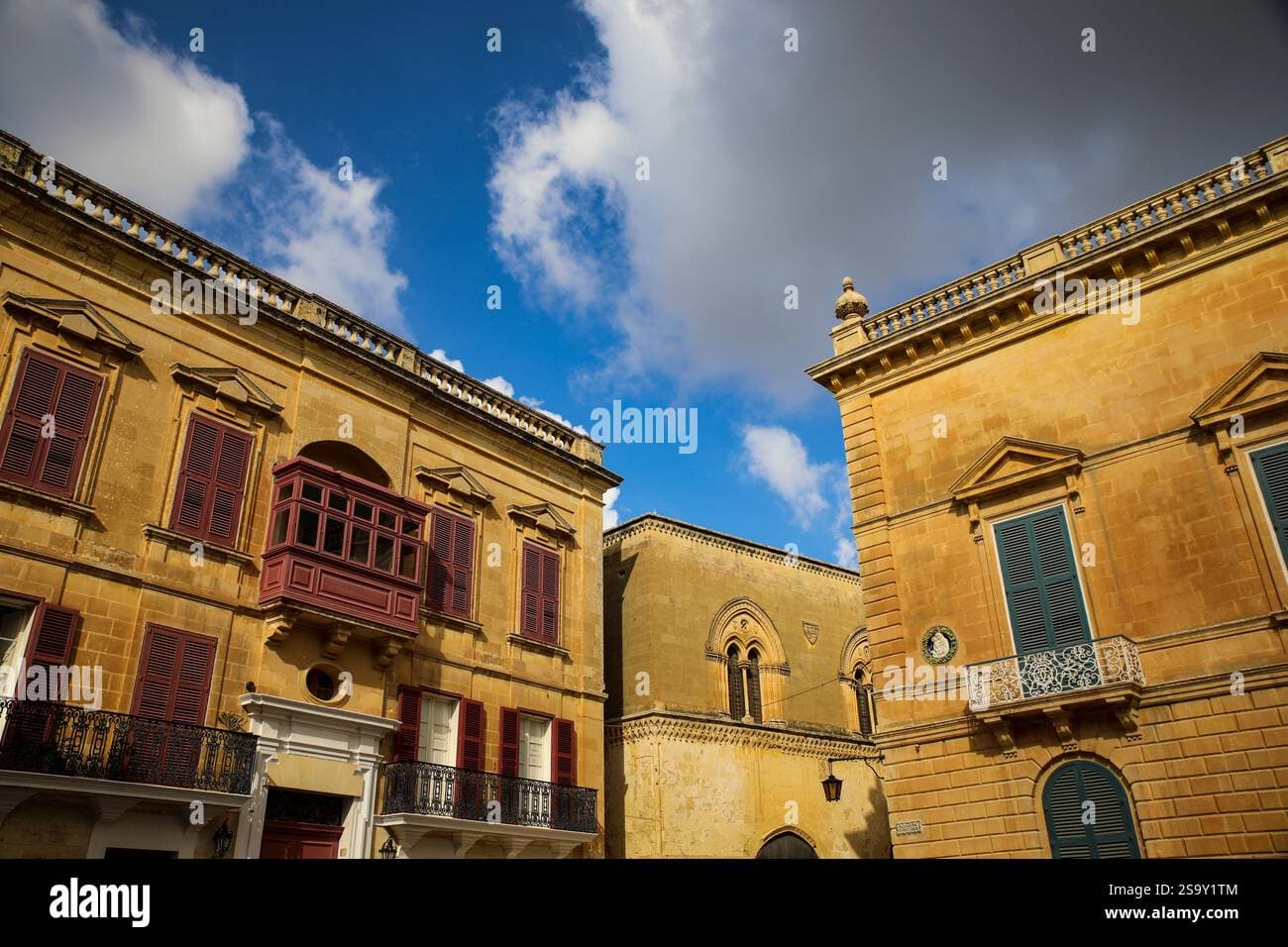
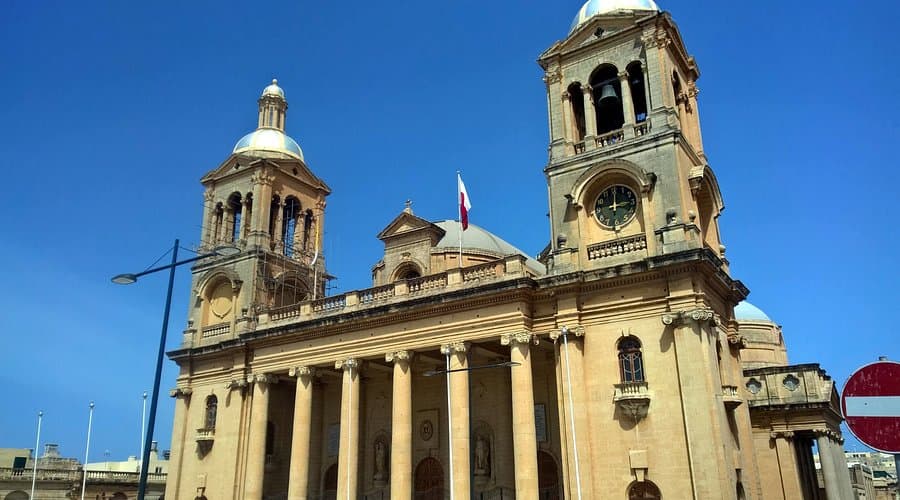
Accommodation in Paola itself is limited compared to Sliema or St. Julian’s, which is part of its appeal. You will find fewer large hotels and more self-catering apartments and guesthouses. This suits travelers who prefer a residential feel over a resort environment. Look for apartments in the central area near the church of St. Paul’s Miraculous Deliverance. These units often offer more space for the price, with weekly rentals available for €400–€600 depending on proximity to the center.
If you prefer hotel amenities, consider staying in nearby Birżebbuġa or Marsaskala, which are a short bus ride away and offer coastal views. However, staying in Paola keeps you closer to the Hypogeum and the bus links to Valletta. Check-in times are generally 2 PM, and Wi-Fi is standard. The neighborhood is quiet at night, making it suitable for those who prioritize sleep. Ensure your accommodation has air conditioning, as even spring nights can be warm, and Maltese homes are often built with thick stone walls that retain heat.
Getting Around: Bus Routes and Walking
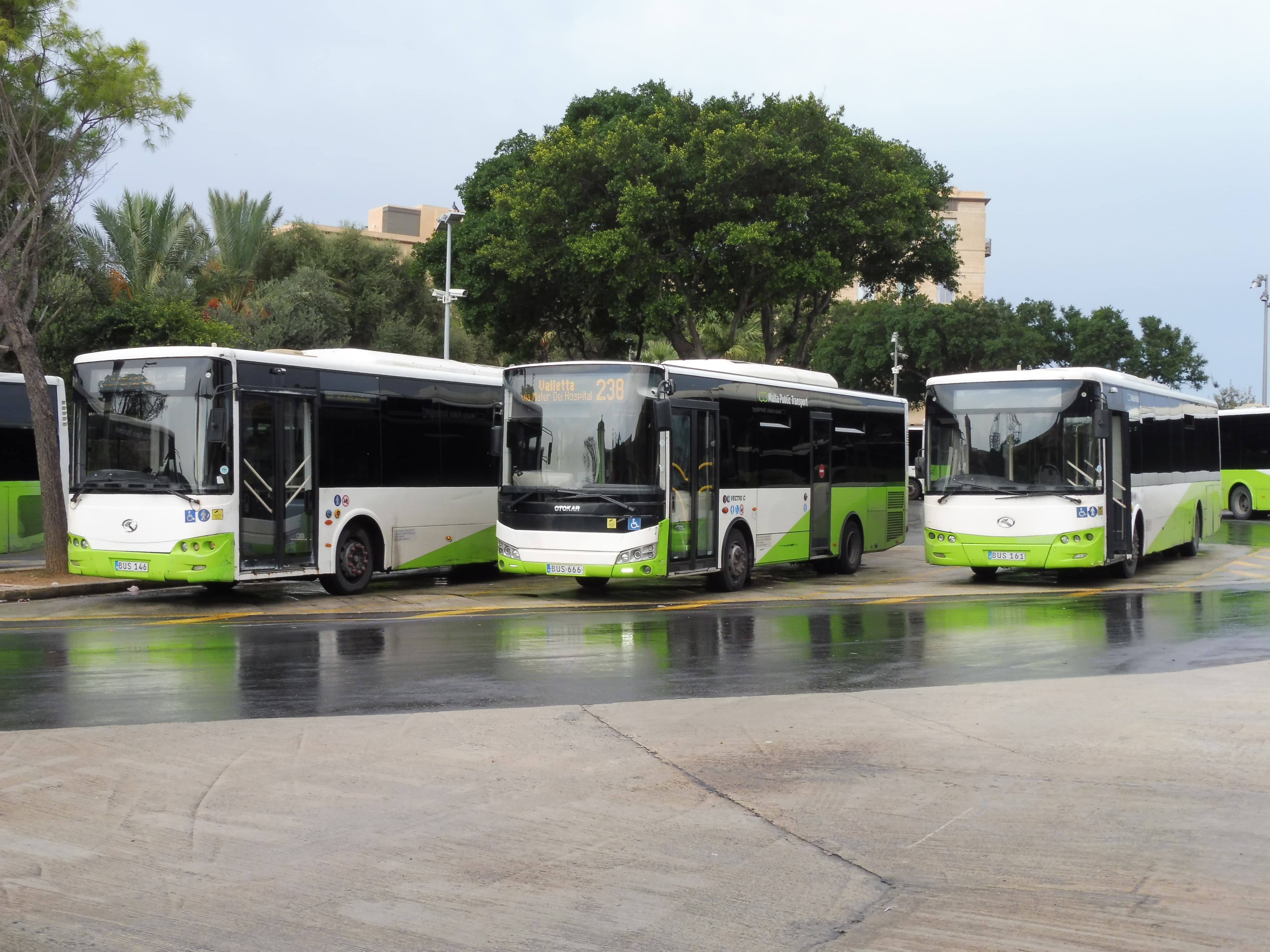
Paola is well-connected by Malta’s public transport system, operated by Malta Public Transport. The town is a key node for bus routes heading south and east. Route 111 connects Paola to Valletta and the Three Cities, taking approximately 20–30 minutes depending on traffic. Route 112 heads towards Żejtun and Ħal Qormi, useful for exploring the inland villages. A single ticket costs €2, and a 24-hour ticket is €3.50, which is cost-effective for a day of exploration.
The Hypogeum is a short walk from the main bus stop. For trips to Valletta, the bus drops you near the ferry terminal or the upper city, depending on the route. Walking within Paola is pleasant; the streets are relatively flat, though some side alleys have uneven limestone paving. Wear comfortable shoes. Taxis are available but expensive, with fares starting at €6.50. For a holiday suggestion, rely on the bus for major moves and walk for local immersion. The frequency of buses is decent, but check the timetable, as services thin out after 9 PM.
Spring Excursions: Beyond Paola
Use Paola as a launchpad for broader exploration. The Three Cities (Vittoriosa, Senglea, and Cospicua) are a 15-minute bus ride away. These historic fortifications offer a different perspective on Maltese history, with less congestion than Valletta. Visit Fort St. Angelo in Vittoriosa to see the naval history of the Knights of St. John. In spring, the harbors are calm, and the light is ideal for photography.
For nature, head to the Southern Red Cliff Nature Reserve in Birżebbuġa, accessible by bus route 111. The cliffs offer dramatic views of the Mediterranean and are home to endemic flora. The walk along the cliffs is well-marked and takes about an hour. Another option is Żejtun, known for its olive oil production and the Sanctuary of Our Lady of Grace. The climb to the sanctuary offers panoramic views of the southern valley. Spring is the season of renewal; the countryside is green, and the olive trees are budding. These excursions are manageable in a single day, allowing you to return to Paola for a quiet evening.