Chasing light in Patagonia’s quiet valley. A guide to framing Volcán Tromen, river rapids, and colonial plazas without the tourist crowds.
The air in Chos Malal doesn’t just feel thin; it feels honest. Sitting at a modest 700 meters above sea level, the light here has less atmosphere to fight through than in the high Andes, meaning shadows are sharper, colors are more saturated, and your camera’s dynamic range gets a workout it didn’t know it needed. You don’t come to this corner of Neuquén Province for neon signs or skyline shots. You come for the raw, unpolished geometry of the Andes and the quiet dignity of a town that holds the title of provincial capital with a shrug.
If you are packing a DSLR, mirrorless, or even a decent smartphone, you are in the right place. But you need to know where to point the lens before the sun dips behind the peaks.
The Volcano: Volcán Tromen
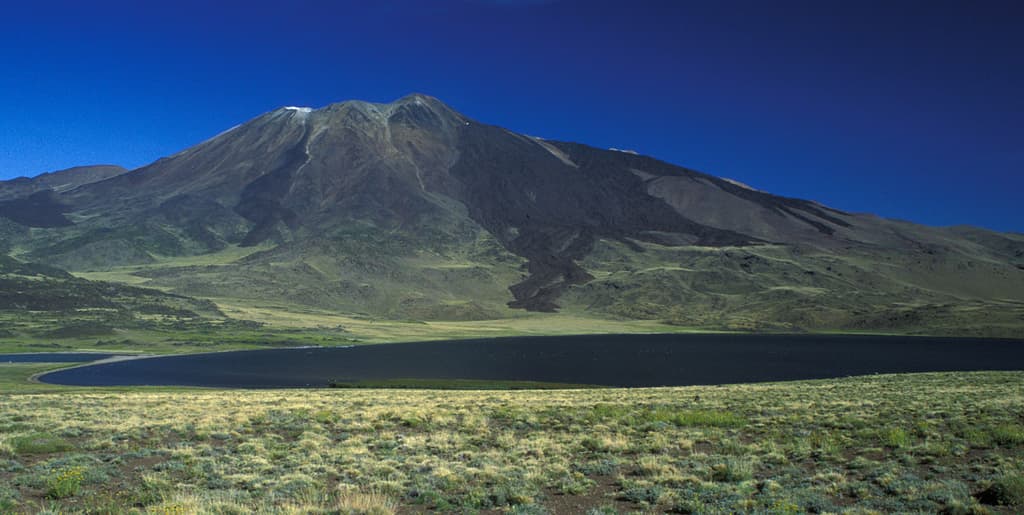
You cannot talk about photography in Chos Malal without talking about Volcán Tromen. It looms over the town like a stoic guardian, its snow-capped peak visible on clear days from almost any vantage point in the valley. This is your anchor shot. The composition is simple but demanding: you need the volcano to dominate the frame while keeping the foreground interesting.
The best time to shoot Tromen is late afternoon. As the sun descends, the face of the volcano catches the last rays of light, turning the rock a warm, golden hue against the deepening blue of the sky. The contrast is stark. If you arrive too early, the peak is washed out in midday glare. Arrive too late, and it dissolves into shadow. Aim for the "golden hour," which in Patagonia feels more like a "golden twenty minutes." Bring a tripod. The light changes fast, and you want to lock in your exposure while the landscape shifts from day to dusk.
Water and Motion: Rivers Curí Leuvú and Neuquén
Chos Malal sits in a valley carved by two significant rivers: the Curí Leuvú and the Neuquén. They are powerful, often turbulent forces that define the town’s geography. For the photographer, they offer texture and movement.
The Curí Leuvú is particularly photogenic. It features rapids that churn white against the dark riverbed, creating natural leading lines that draw the eye into the frame. A slow shutter speed here—anything from 1/15th to a full second—will turn the rushing water into silky mist, contrasting beautifully with the sharp, jagged rocks. You’ll need a neutral density filter to achieve this in daylight, or plan your shoot for early morning or late evening when the light is softer.
The Neuquén River offers a different mood. It is broader, calmer in sections, and reflects the sky and surrounding vegetation. It’s the place for mirror-like reflections of the clouds or the distant mountains. Look for bends in the river where the water slows down, creating a natural canvas for the sky above.
Colonial Character: The Plazas
If the mountains are the dramatic backdrop, the town itself is the quiet protagonist. Chos Malal retains a colonial character that is evident in its central plazas. These are peaceful, tree-lined spaces that invite slow observation.
The architecture here is modest but charming, with buildings that hint at the town’s history. The plazas are framed by eucalyptus and other native trees, which add vertical lines and dappled light to your compositions. In the summer, the foliage is lush and green, providing a vibrant contrast to the stone and brick of the buildings. In winter, the bare branches create intricate patterns against the sky.
Photographing the plazas is about capturing the atmosphere. Look for details: the texture of the paving stones, the way the light filters through the leaves, the quiet benches where locals might sit. It’s a study in stillness. A wide-angle lens can capture the expanse of the square, while a prime lens can isolate architectural details or a solitary figure walking by. The key is to respect the quiet. This is not a place for flash photography or intrusive behavior.
Food as Foreground
Photography isn’t just about landscapes; it’s about the sensory experience of a place. And in Chos Malal, that experience is heavily flavored by local gastronomy. You won’t find Michelin-starred restaurants here, but you will find food that is authentic, hearty, and visually appealing.
Cabrito al asador (grilled goat) is the star dish. The meat is tender, smoky, and rich, often served with simple sides that highlight its flavor. The visual appeal lies in the char on the meat and the rustic presentation. Patagonian empanadas are another staple, golden-brown and flaky, often filled with beef or chicken. They are perfect for close-up shots that capture the texture of the crust and the steam rising from the filling.
Don’t overlook the homemade sweets and regional products. These are often displayed in local shops and cafes, offering colorful and intricate details that make for great still-life photography. Think of dried fruits, jams, and cheeses, arranged in baskets or on wooden tables. The lighting in these settings is often warm and natural, perfect for capturing the essence of local life.
Practicalities for the Photographer
Chos Malal requires you to have a car to get to the perfect shooting spot. There is no active railway line serving the town. The historical railway that once connected the region went to Neuquén, a neighboring city that gained economic prominence at Chos Malal’s expense. Today, renting a car in Neuquén or Mendoza and driving up is the most practical option. The roads are generally good, but they can be winding and require attention.
Currency is the Argentine peso. Prices can fluctuate, so it’s wise to carry cash for smaller purchases, especially in rural areas or local markets. Credit cards are accepted in most hotels and larger restaurants, but not everywhere.
Booking accommodation in advance is recommended, especially during peak seasons. Chos Malal is a base for treks in the Andes, so it can get busy with hikers and adventurers. Secure your stay early to avoid disappointment.
The best time to visit for photography depends on what you want to capture. Summer (December to February) offers long days and lush greenery, perfect for landscape and food photography. Winter (June to August) brings snow to the peaks and a stark, minimalist beauty to the landscape. The light is lower and softer, which can be ideal for moody, atmospheric shots.
When to Go and Who It’s For
Chos Malal is ideal for solo travelers, couples, and small groups who appreciate quiet and natural beauty. It is a place for contemplation, exploration, and creating images that speak to the soul of Patagonia.
Keep an eye on the calendar. The Pass to the Immortality of General Don José de San Martin on August 17, 2026, is a significant local holiday. Expect higher demand for accommodation and possibly more crowds in the town center. Book well in advance if you plan to visit around this time. Other holidays like Respect for Cultural Diversity Day in October and National Sovereignty Day in November are less impactful but still worth noting.
FAQ
Do I need a visa? Most travelers to Argentina need a visa or an entry permit. Check the requirements for your nationality before you travel.
Is it safe? Chos Malal is generally considered safe. Standard precautions apply: keep an eye on your belongings, especially in crowded places, and avoid walking alone at night in unfamiliar areas.
What gear should I bring? A sturdy tripod is essential for low-light and long-exposure shots. A wide-angle lens is great for landscapes, while a prime lens is perfect for details and food. Don’t forget extra batteries and memory cards; the cold can drain batteries quickly.
Chos Malal rewards the patient observer. It is not a place for quick snapshots. Take your time, respect the environment, and let the landscape reveal itself to you. The images you bring back will be worth the effort.