Drink coffee grown in volcanic soil. Poás, Costa Rica, offers high-altitude beans and crater views that strip away the tourist veneer.
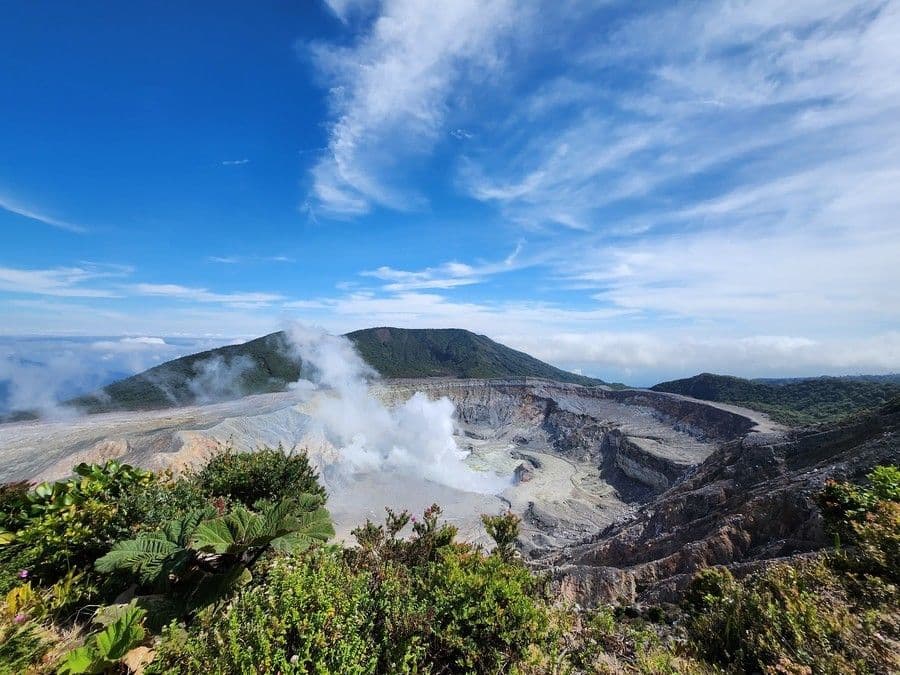
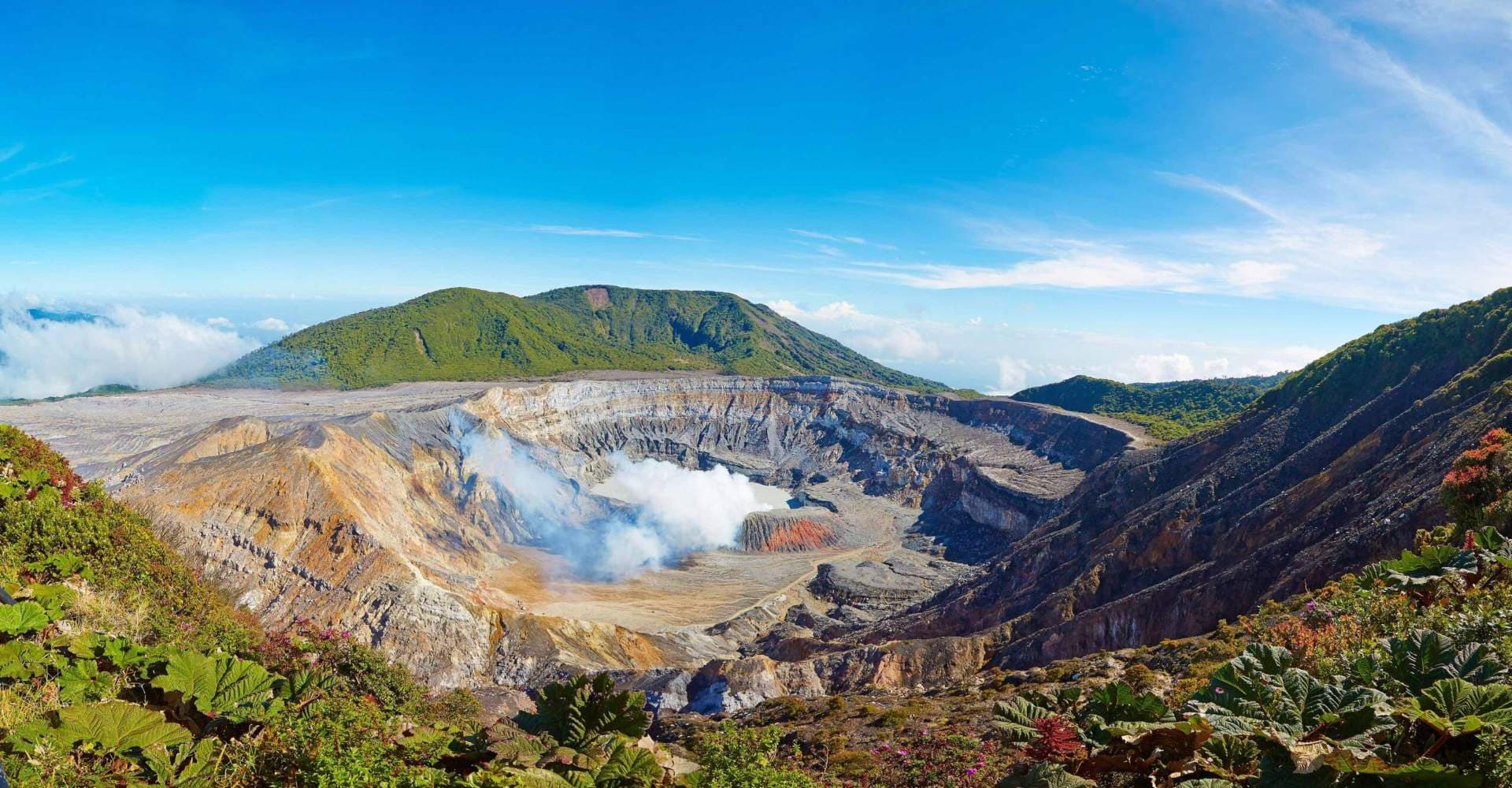
The air at 8,885 feet (2,708 meters) does not care about your itinerary. It bites. It is thin, cold, and smells faintly of rotten eggs. This is the scent of sulfur rising from the Main Crater of Poás Volcano National Park. Most travelers come here for the photo op—a jagged rim overlooking a turquoise, acidic lake that eats metal. They stand behind the safety glass, shivering in rental fleece, checking boxes. But if you want to understand why Costa Rican coffee commands a premium on global shelves, you have to look down. Not at the crater, but at the slopes below it.
This guide focuses on origin. To taste the bean without the marketing gloss, you have to sweat for it. You have to drive the two-hour stretch from San José, endure the humidity, and climb into the cloud forest. Poás serves as a gateway to the source. The coffee here is Arabica, grown in shade, fermented by altitude, and harvested by hands that know the rhythm of the rain. Treating this trip like a day out at a mall café leads to disappointment. Treating it like an excavation of flavor might actually wake you up.
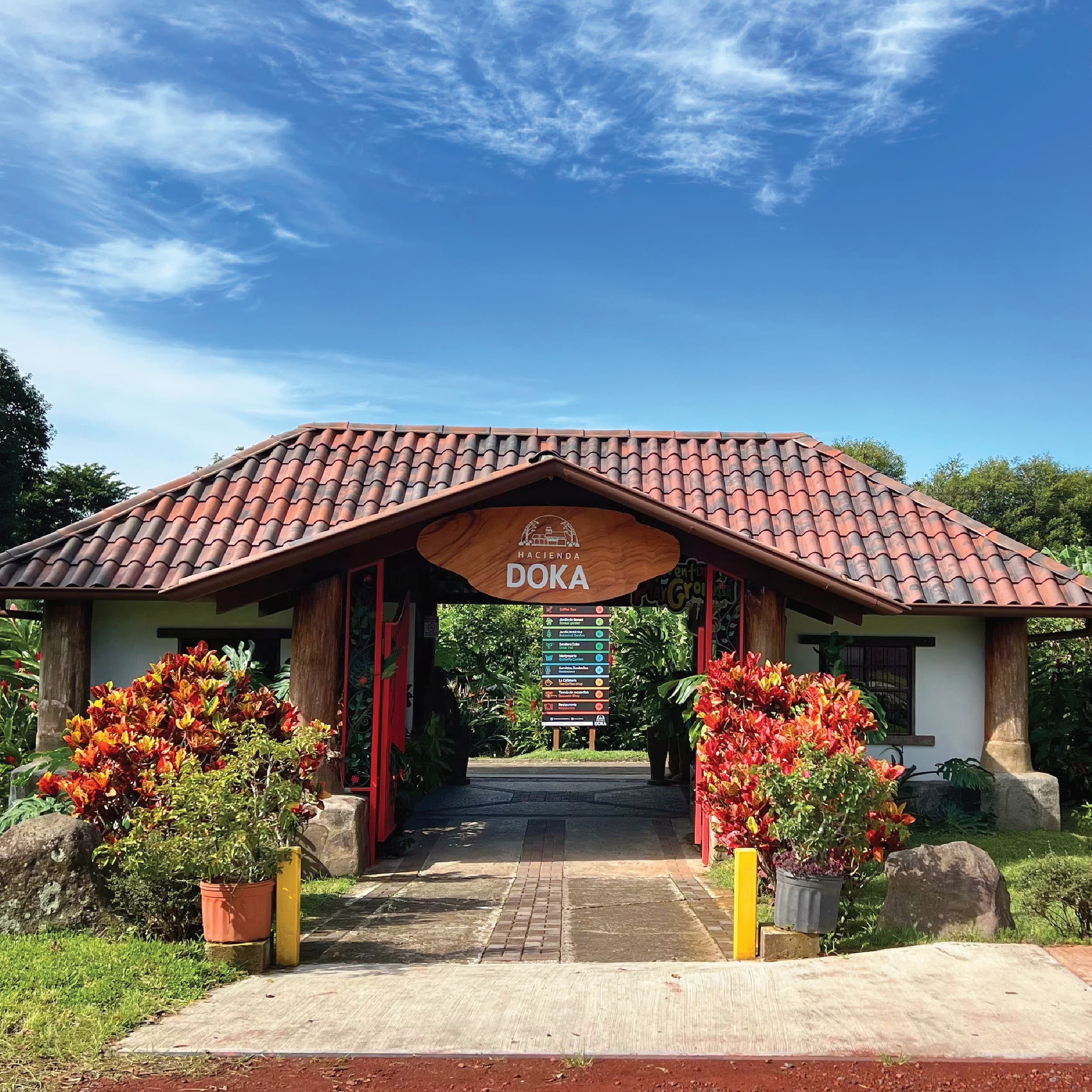
The Source: Hacienda Doka
Luxury hotels sell rebellion by the night. They serve you coffee in porcelain cups while you stare at a pool. That is performance. Real coffee culture happens in the dirt. Hacienda Doka sits on the slopes of the volcano, one of the oldest and highest coffee plantations in Costa Rica. This operation respects the crop over ego.
The tour takes you through the entire process, from the green cherry on the branch to the roasted bean in your hand. You walk through the shade-grown forests where the trees provide cover and regulate temperature. The humidity is heavy. The ground is soft. You see the labor involved. There is no Wi-Fi signal strong enough to distract you from the reality of agriculture. The workers here do not care about your latte art skills. They care about yield, quality, and the integrity of the Arabica bean.
The tasting at the end functions as a test. You sip the coffee black. Hot. Strong. It tastes of the soil—mineral, bright, with a finish that lingers because the altitude slowed the maturation process. This is the benchmark. If you buy coffee elsewhere and it tastes flat, you now know why. It lacks the struggle of the highlands. Hacienda Doka forces you to confront the gap between commodity and craft.
The Volcano: Poás National Park
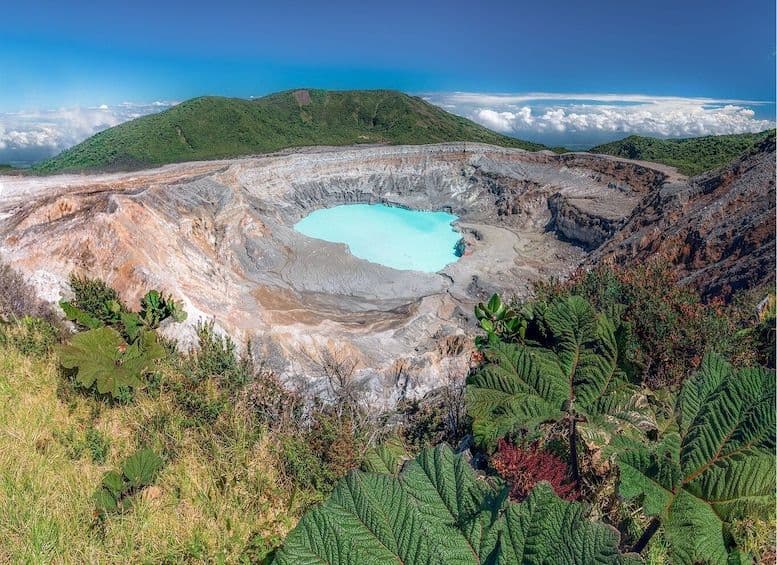
You cannot separate the coffee from the fire. The volcanic soil is rich in minerals, leaching nutrients into the roots of the coffee plants. Poás Volcano National Park, established in 1955 and expanded in 1994, covers 6,506 hectares of protected land. It is a violent landscape dressed in green. The Main Crater holds a lake so acidic it can dissolve aluminum. Fumaroles hiss along the edges, releasing steam and sulfur. It is hostile. It is beautiful. It is honest.
The view from the rim is stark. The contrast between the lush cloud forest and the barren, ash-covered crater floor is jarring. This is nature without filter. There are no manicured gardens here. Just wind, mist, and the occasional glimpse of the lake through the clouds. Visibility is a gamble. On some days, the crater is hidden. On others, it stares back at you like a blue eye. Accept the uncertainty. It is part of the terrain.
If the main crater is obscured, hike to Laguna Botos. It is a secondary crater lake, smaller and less dramatic, but surrounded by dense forest. The trail is muddy. The air is thick with moss and orchids. It is quieter here. Fewer cameras. More breath. This is where you feel the isolation of the region. The volcano is not just a backdrop; it is the engine that drives the ecosystem. Without it, there is no soil. Without the soil, there is no coffee. The chain is unbroken.
Getting There: The Grind
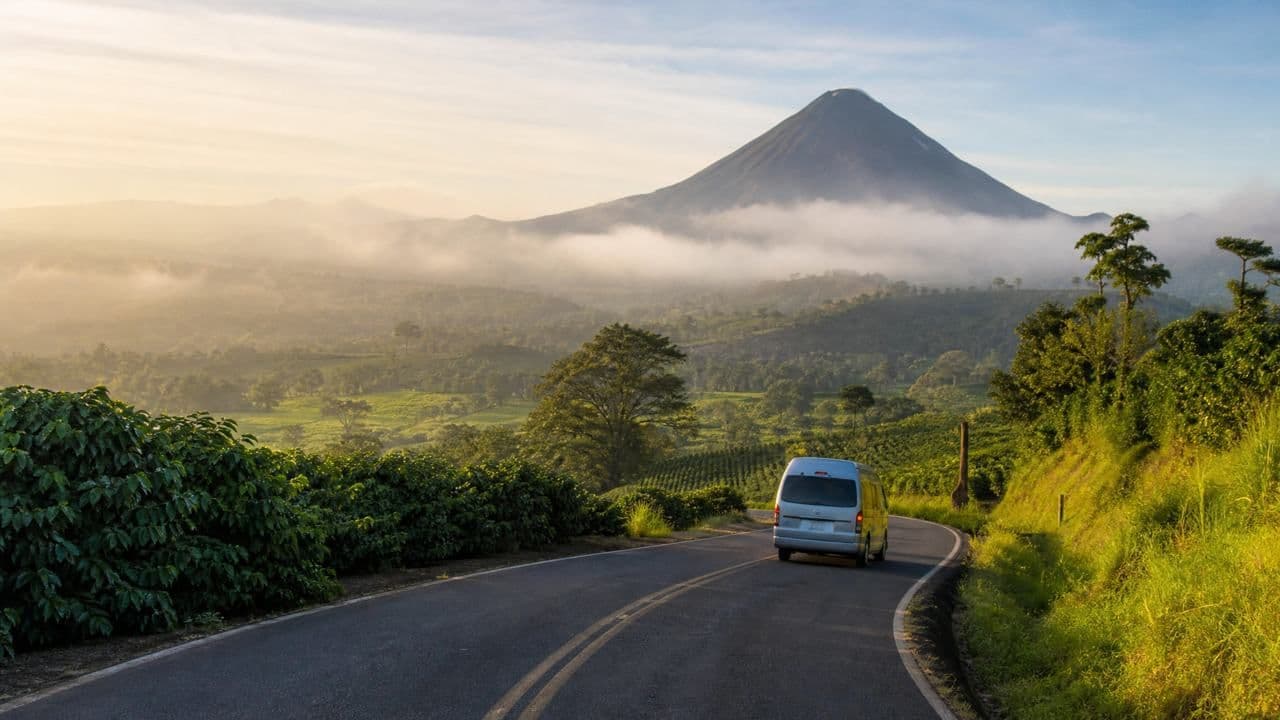
There is no romantic railway chugging through the jungle to Poás. There is no scenic tram that deposits you gently at the door. Access is by road. You drive from San José, taking the Pan-American Highway north. The trip takes approximately 1.5 to 2 hours. It is a grind. The roads are busy. The traffic is heavy with buses and trucks hauling produce. You pass through towns that blur together, past roadside stands selling fruit and souvenirs.
Renting a car gives you control, but it demands attention. The curves are sharp. The fog rolls in quickly. If you are not comfortable driving in wet conditions, hire a driver or join a group tour. Do not romanticize the commute. It is logistics. It is the price of entry. The discomfort of the drive contrasts with the stillness of the destination. It resets your expectations. By the time you arrive, you are tired. You are ready to sit. You are ready to listen.
Public transport exists, but it is inflexible. Buses run from San José to Alajuela, then connections to the park entrance. You must time your arrival carefully. The park closes at a set hour. If you miss the window, you sleep in the car. This is not a suggestion for flexibility; it is a warning. Plan your departure from San José early. Leave before the heat rises. Arrive before the crowds thicken. Efficiency is its own form of respect.
Timing and Costs
Money talks, but in Poás, it whispers. Entrance fees to the national park apply. Specific amounts fluctuate, but expect to pay around $15 USD for foreigners. Tours that include transportation, guide, and coffee tasting at Hacienda Doka typically range from $50 to $80 USD. This is not cheap, but it is transparent. You are paying for access, expertise, and the vehicle that got you there. Do not haggle. Do not expect discounts. The value is in the education.
Timing is everything. The dry season, from December to April, offers clearer skies and better visibility of the crater. However, the wet season brings life. The forests are greener. The waterfalls are stronger. The coffee plants thrive in the rain. Choose based on what you value: view or vitality. Summer, right now, is unpredictable. Mornings may be clear; afternoons may drown in rain. Go early. The light is better. The crowds are thinner.
Mother’s Day, celebrated on the second Sunday of May, approaches. Expect surge pricing and crowding. Book weeks in advance. Independence Day (September 15, 2026) will bring domestic tourism spikes. If you seek solitude, avoid these dates. Christmas and New Year are peak seasons for international visitors. Prices rise. Availability drops. If you can travel in the shoulder months, May or November, you gain margin. Silence is a resource. Spend it wisely.
Local Reality
Costa Ricans call themselves "Ticos." They move slowly. They say "pura vida" not as a slogan, but as a survival mechanism. In Poás, this pace is enforced by geography. You cannot rush the clouds. You cannot hurry the roast. The local culture is rooted in agriculture. Respect the farmers. Ask questions. Listen to the answers. Do not impose your timeline on their harvest.
Language is Spanish. English is spoken in tourist areas, but broken Spanish goes further. Learn "gracias," "por favor," and "cuánto cuesta." It shows effort. It builds rapport. The locals are not performers. They are hosts. Treat them as such.
Food options in Poás town are basic. Expect rice, beans, plantains, and chicken. It is fuel. Do not look for gourmet dining. Look for fresh fruit. Salsa de tamarindo. Sugar cane juice. These are the real flavors of the region. Simple. Sweet. Direct.
FAQ
Is Poás safe for solo travelers? Yes. Violent crime is low. Theft can occur in crowded areas or parked cars. Secure your belongings. Do not leave valuables visible in the vehicle. Stick to marked trails. Inform someone of your plans.
What should I wear? Layers. Temperatures drop significantly at the crater rim. Bring a windbreaker, sturdy hiking boots, and rain gear. Even in summer, the altitude brings chill. Cotton gets wet and stays cold. Avoid it.
Can I drink the water? No. Tap water is generally safe in Costa Rica, but at high altitudes and in rural areas, filtration is wise. At Hacienda Doka, drinking water is provided during tours. Do not drink from streams or lakes.