If you're dreaming of ancient temples, jungle vines, and the kind of history that makes your Instagram feed look like a National Geographic cover, then Prasat Bakong in Cambodia is your next stop. Located in the Siem Reap Province, this 9th-century masterpiece isn’t just a relic—it’s a living testament to the Khmer Empire’s architectural genius. And yes, even though it’s not as flashy as Angkor Wat, it’s got more soul than most modern art galleries combined.
Spring in Cambodia means warm sunshine, blooming flowers, and fewer tourists than during peak season. That’s right—less sweat, less chaos, and more time to appreciate the intricate carvings and the sheer audacity of building a temple on a man-made mountain. Let’s dive into what makes Prasat Bakong worth your while.
Why Prasat Bakong Should Be on Your Bucket List
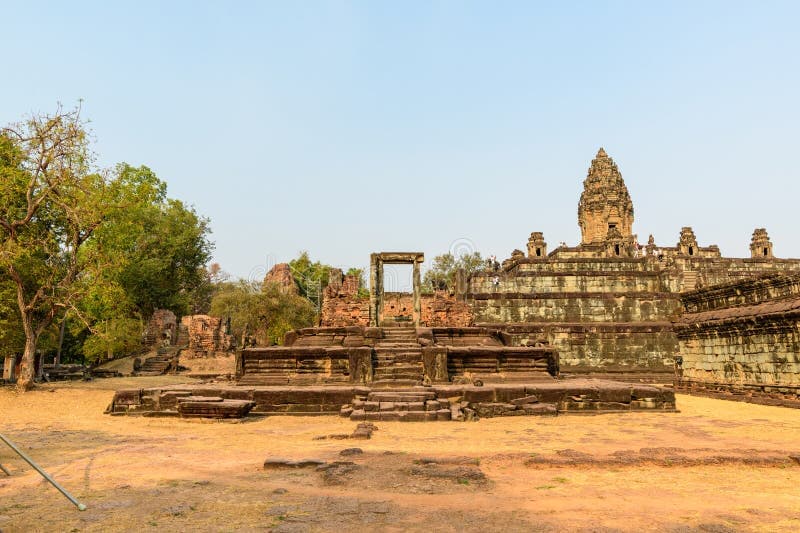
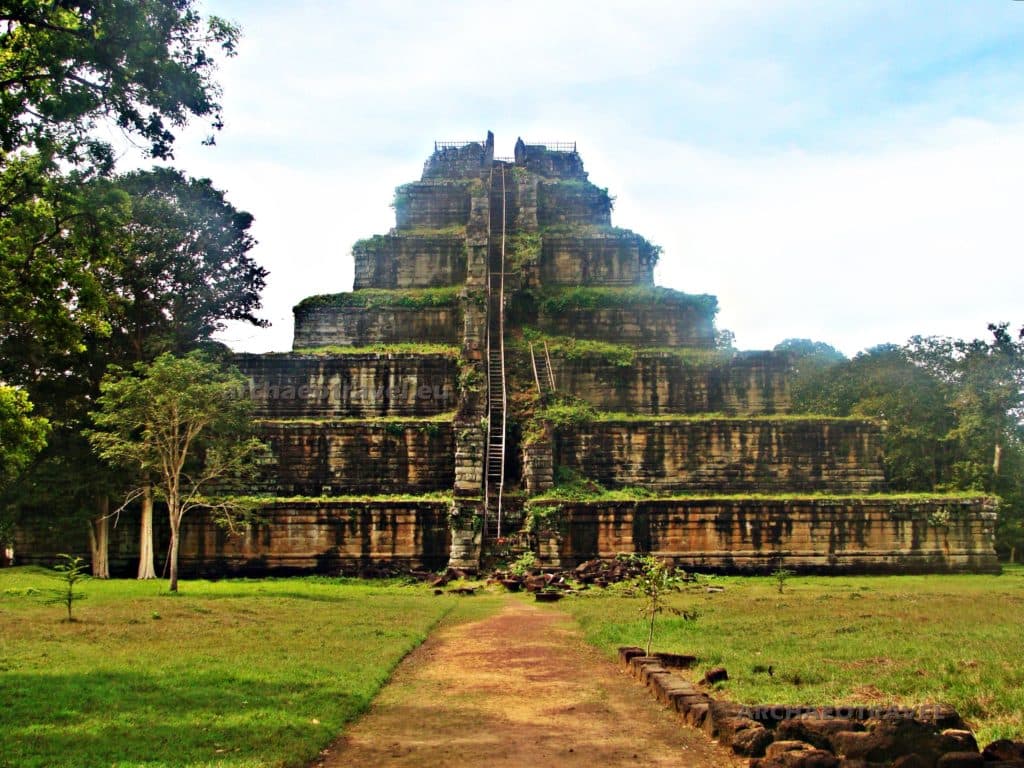
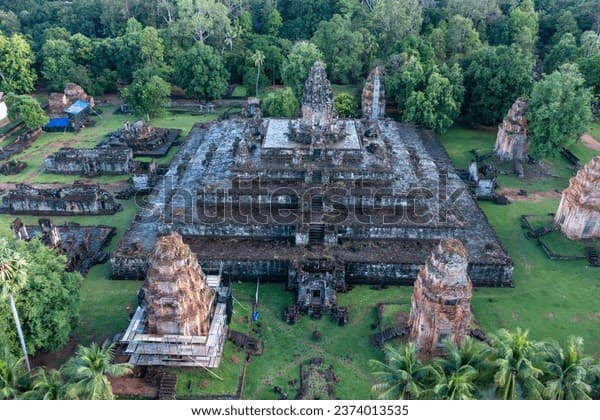
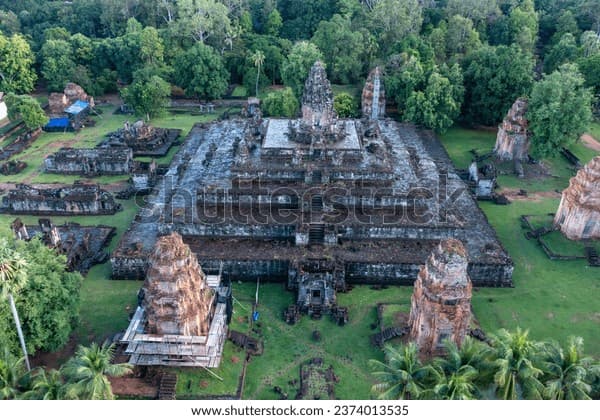
Built during the reign of King Indravarman I around 879 CE, Prasat Bakong is one of the earliest examples of Khmer temple mountain architecture. It’s a pyramid-like structure with five tiers, surrounded by concentric walls and moats. Think of it as Cambodia’s version of a “mountain retreat,” but instead of yoga and organic smoothies, you get Hindu deities and centuries-old stone carvings.
The temple was dedicated to Shiva, and its design reflects the Hindu cosmology—each tier symbolizing a level of spiritual ascent. The central tower? That’s where the gods hang out. Or at least, where they used to. Today, it’s mostly pigeons and tourists taking selfies with their best “I’m a descendant of kings” pose.
Getting There: Transportation Tips for Spring Travelers
Getting to Prasat Bakong is easier than convincing your boss to approve a week off. Most visitors base themselves in Siem Reap, which is about 30 minutes away by tuk-tuk or private car. In spring, traffic is lighter, and the roads are dry—perfect for scenic drives through rice paddies and rural villages.
Tuk-tuks are cheap (around $5–$10 one-way) and fun if you’re not afraid of getting a sunburn or negotiating with drivers who think “shortest route” means “most scenic detour.” For a more relaxed experience, hire a private driver for the day—many offer guided tours that include stops at nearby temples like Lolei or Preah Ko.
Pro tip: Avoid visiting on weekends if you want to dodge crowds. Spring is tourist-friendly, but even in April, you’ll find more peace during weekdays.
Exploring the Site: What to See and Do
Once you arrive, take a moment to breathe. The temple complex is vast—about 900 meters long by 700 meters wide—and you’ll need at least 2–3 hours to explore properly. Start at the outer wall and work your way inward. The five-tiered central tower is the crown jewel, but don’t miss the laterite walls and sandstone carvings that tell stories of gods, demons, and ancient battles.
One unique feature? The temple’s orientation. Unlike Angkor Wat, which faces west (symbolizing death), Prasat Bakong faces east—the direction of sunrise and rebirth. So if you’re feeling spiritually inclined, come at dawn. The light hitting the stone is nothing short of cinematic.
Also worth noting: The surrounding area is lush with greenery. In spring, wildflowers bloom along the pathways, adding color to the gray stone. It’s like nature decided to give the temple a floral makeover.
Nearby Attractions You Can’t Miss
While Prasat Bakong is impressive on its own, it’s part of a larger network of ancient sites. If you’ve got time (and energy), consider adding these to your itinerary:
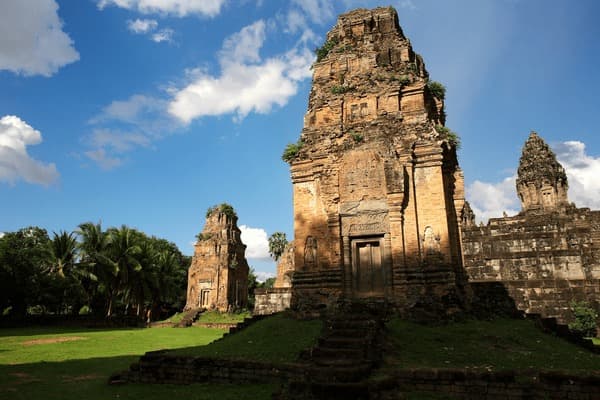
- Preah Ko Temple: Just a few kilometers away, this smaller temple was built around the same time and shares similar architectural styles.
- Lolei: A lesser-known but equally fascinating site with a lot of history.
- East Mebon: Another temple mountain built later by King Rajendravarman II.
These sites are often included in multi-day tours from Siem Reap. Many local operators offer “off-the-beaten-path” packages that focus on lesser-visited temples—perfect for travelers who want authenticity over crowds.
Practical Tips for Visiting in Spring
Spring in Cambodia (roughly March to May) brings warm temperatures (averaging 28–32°C) and low rainfall. It’s ideal for outdoor exploration—but don’t forget sunscreen! The sun here doesn’t mess around.
Bring:
- A hat and sunglasses
- Lightweight clothing (long sleeves for sun protection)
- Comfortable walking shoes (the terrain can be uneven)
- A reusable water bottle (hydration is key)
Entry fees are reasonable—around $10 USD for a single-day pass to the entire Angkor Archaeological Park, which includes Prasat Bakong. You can also purchase a 3-day or 7-day pass if you plan to explore multiple sites.
Avoid visiting during midday heat (11 AM–3 PM) if possible. Early morning or late afternoon visits offer cooler temps and better photo opportunities.
Food & Local Culture Around Prasat Bakong
While there aren’t many restaurants directly at the site, nearby Siem Reap offers everything from street food stalls to fine dining with views of Angkor Wat at sunset. Try amok trey (fish curry in banana leaves), num banh chok (Khmer noodles), or some fresh mango sticky rice.
Support local vendors—they often sell handmade souvenirs like wooden carvings or silk scarves inspired by temple motifs. Just remember: haggle politely. It’s part of the culture!
Final Thoughts: Is It Worth It?
Absolutely. Prasat Bakong may not have the fame of Angkor Wat, but it holds its own in terms of historical significance and serene beauty. In spring, with fewer crowds and perfect weather, it becomes an almost meditative experience—walking among ruins that have stood for over a thousand years.
So pack your sense of adventure, leave your ego at home (no one needs to see your selfie with a 900-year-old temple), and go explore Cambodia’s hidden gem—one step at a time.
Remember: You’re not just visiting a temple. You’re stepping into history. And maybe, just maybe, catching a glimpse of what life looked like when gods still walked among us (or at least had their own shrines).